



Classic 1950s Tomato Soup Cake Recipe
Ingredients
Method
- Preheat the oven to 350°F and grease a 9x13-inch pan with cooking spray or butter.
- Combine the butter and sugar in a stand mixer bowl and mix on medium-high speed until creamy.
- Add the eggs one at a time, mixing after each addition until just combined, then stir in the vanilla extract.
- Mix in the condensed tomato soup until just incorporated.
- Whisk together the flour, baking soda, baking powder, cinnamon, nutmeg, and allspice in a separate mixing bowl.
- Set the mixer to low speed and gradually add the dry ingredients, mixing until just evenly combined.
- Pour the batter into the prepared pan, smooth the top, and bake for 28 to 30 minutes until a toothpick comes out clean; let the cake cool completely before frosting.
- Beat the cream cheese and butter with an electric mixer until smooth to prepare the frosting.
- Gradually add the powdered sugar and mix until incorporated.
- Add the vanilla extract and milk or whipping cream, then mix until smooth.
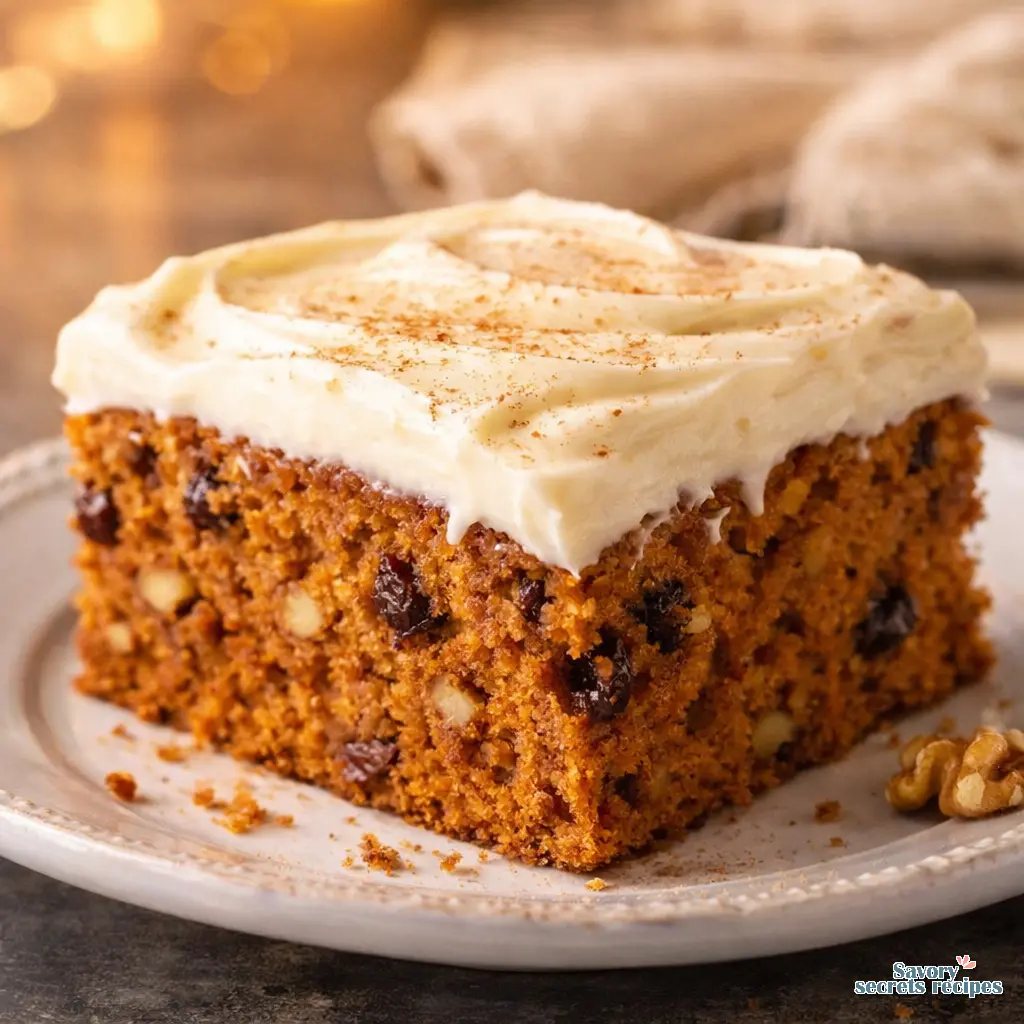
- Spread the frosting over the cooled cake.
Nutrition
Notes
The Mystery Behind the 1950s Tomato Soup Cake Recipe
Let’s be clear about this right upfront. A 1950s tomato soup cake recipe sounds like a dare. I get it. You are probably standing in the soup aisle at Ralphs or Trader Joe’s right now, looking at a red and white can and thinking this is some sort of elaborate culinary prank. I know this sounds complicated, but trust me on this. It is actually a deeply spiced, impossibly moist dessert that tastes absolutely nothing like tomatoes.
I first encountered this mystery cake in my grandmother Zoya’s kitchen. She was a woman who believed baking was math you could eat. I learned percentages before fractions because she made me calculate baker’s percentages for her batters. One afternoon, she opened a can of plain condensed tomato soup, poured it directly into a bowl of flour and sugar, and I thought she had finally lost her mind. But the smell that came out of the oven a few minutes later changed everything. It smelled like cinnamon, cloves, and nutmeg. It smelled like pure comfort.
With spring in full swing here, and the farmers markets bursting with fresh produce, you might wonder why we are reaching for a canned pantry staple. The truth is simple. This retro recipe is a conversation starter. It is a foolproof way to bake a cake with a perfectly moist crumb. Your family and guests will be completely shocked when you reveal the secret ingredient.
From Depression Era Rationing to Campbell’s Recipe
The history of the Campbell’s tomato soup cake is actually a fascinating study in kitchen economics. Before the 1950s tomato soup cake recipe became a mid-century staple, home bakers in the 1920s and 1930s were already experimenting with it. During the Depression era, butter, eggs, and milk were expensive or heavily rationed. Bakers needed a way to add moisture and structure to their cakes without spending a fortune.
That is where the soup came in. A can of condensed tomato soup provided the necessary liquid, a touch of sweetness, and a vibrant color that made the dessert look rich and expensive. The 1920s rationing version was born out of sheer necessity. It was survival baking.
By the time the 1950s rolled around, post-war America was embracing convenience foods. Campbell’s saw an opportunity and heavily promoted their own version of the recipe. They added cream cheese frosting and marketed it as a novelty. It became the ultimate mystery cake for church suppers and neighborhood potlucks. People love a good secret. And honestly, watching someone take their first bite of this spice cake and trying to guess the ingredients is half the fun of baking it.
The Science of Acidity: Why Tomato Soup Makes Cake Moist
I need you to show me your process when you bake, because understanding why ingredients interact is crucial. We’re not guessing on this one. The reason a 1950s tomato soup cake recipe works so well comes down to basic chemistry. Tomatoes are naturally acidic. When you combine that acidic soup with baking soda, a chemical reaction occurs.
This reaction creates carbon dioxide bubbles. Those bubbles expand in the heat of your oven, lifting the heavy batter and creating a tender, airy crumb. It is the exact same principle behind adding buttermilk to pancakes or sour cream to pound cake. The soup acts as a tenderizer. It breaks down the gluten strands in the all-purpose flour, ensuring the cake stays incredibly soft for days.
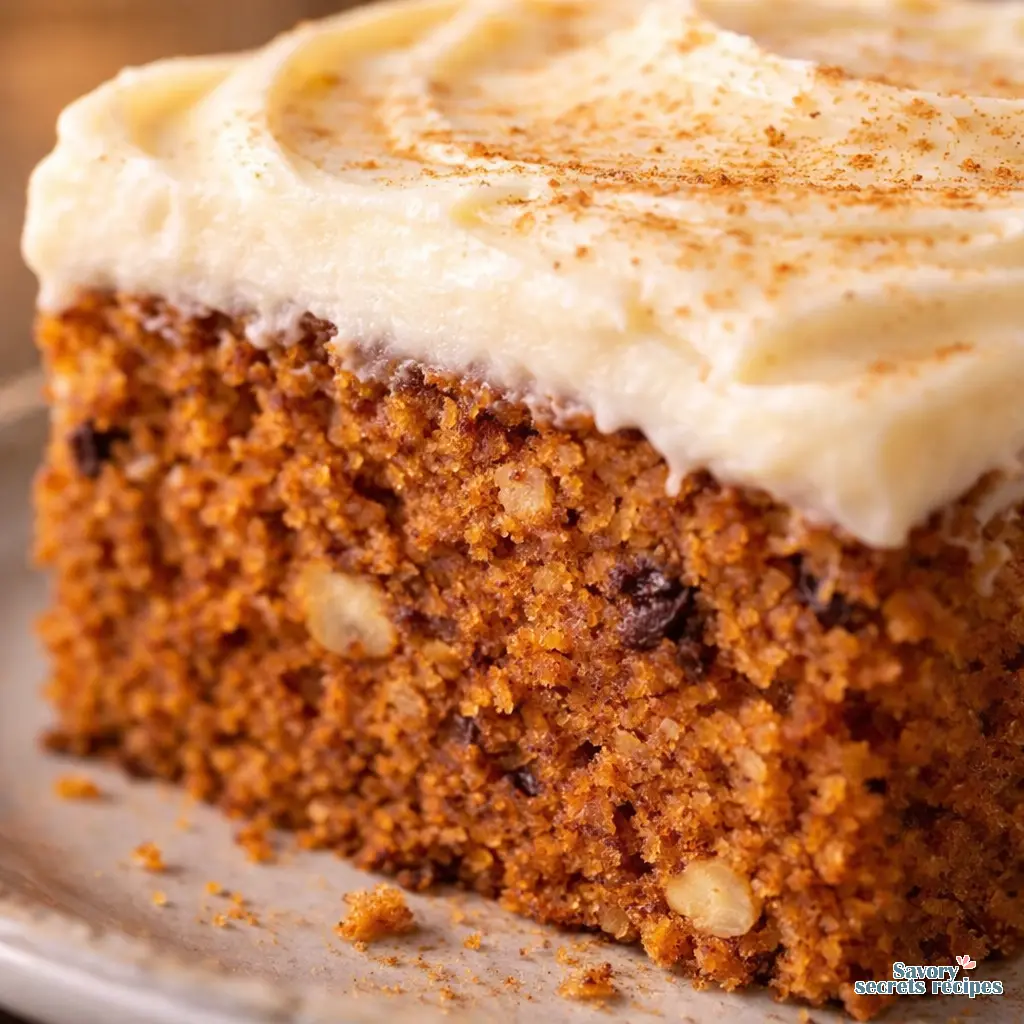
Plus, the pectin in the tomatoes holds onto moisture. That is why this cake never dries out. You will notice the batter turns a beautiful, rich color, almost like peanut butter mixed with rust. Do not panic. That is exactly the texture we want. Once it bakes, the spices take over the flavor profile completely.
Critical Technique: Mastering the Batter
If it doesn’t look right, it isn’t right. I learned this the hard way when I ruined an entire week’s worth of recipe testing because my home oven was running twenty degrees hot. Temperature matters here. Before you even look at your mixing bowl, bring all your refrigerated ingredients to room temperature. Cold eggs and cold butter will seize up when they hit the batter, leaving you with dense, greasy pockets in your baked cake.
Your butter needs to yield to gentle pressure but still hold its shape. If your butter is too warm and melting, start over. I mean it. We need that structure to cream properly with the granulated sugar. You also need to use unsalted butter. Condensed tomato soup already contains a significant amount of sodium, and using salted butter will push the cake from perfectly balanced to aggressively salty.
When it is time to add the soup, use it straight from the can. Do not dilute it with water. The plop of the thick, concentrated soup into the bowl might look a bit strange, but that undiluted consistency is what gives the 1950s tomato soup cake recipe its magic. Finally, fold your dry ingredients gently. Overmixing develops the gluten too much, turning a tender spice cake into a rubbery mess. I prefer hand-mixing the final flour additions just to be safe.
Step-by-Step Visual Troubleshooting Guide
Mistake: The cake turned out dense and heavy.
Solution: You likely overmixed the batter or used cold ingredients. Bring everything to room temperature (around 70°F) and stop mixing the moment the flour disappears.
Mistake: The cake tastes too salty.
Solution: You probably used salted butter or a seasoned soup variety. Always use unsalted butter and plain, unseasoned condensed tomato soup. Check the label carefully.
Mistake: The frosting is sliding right off the cake.
Solution: The cake was still warm. I know the smell is intoxicating and you want to eat it immediately, but you must cool the cake completely before applying the cream cheese frosting.
The Cream Cheese Frosting Pairing
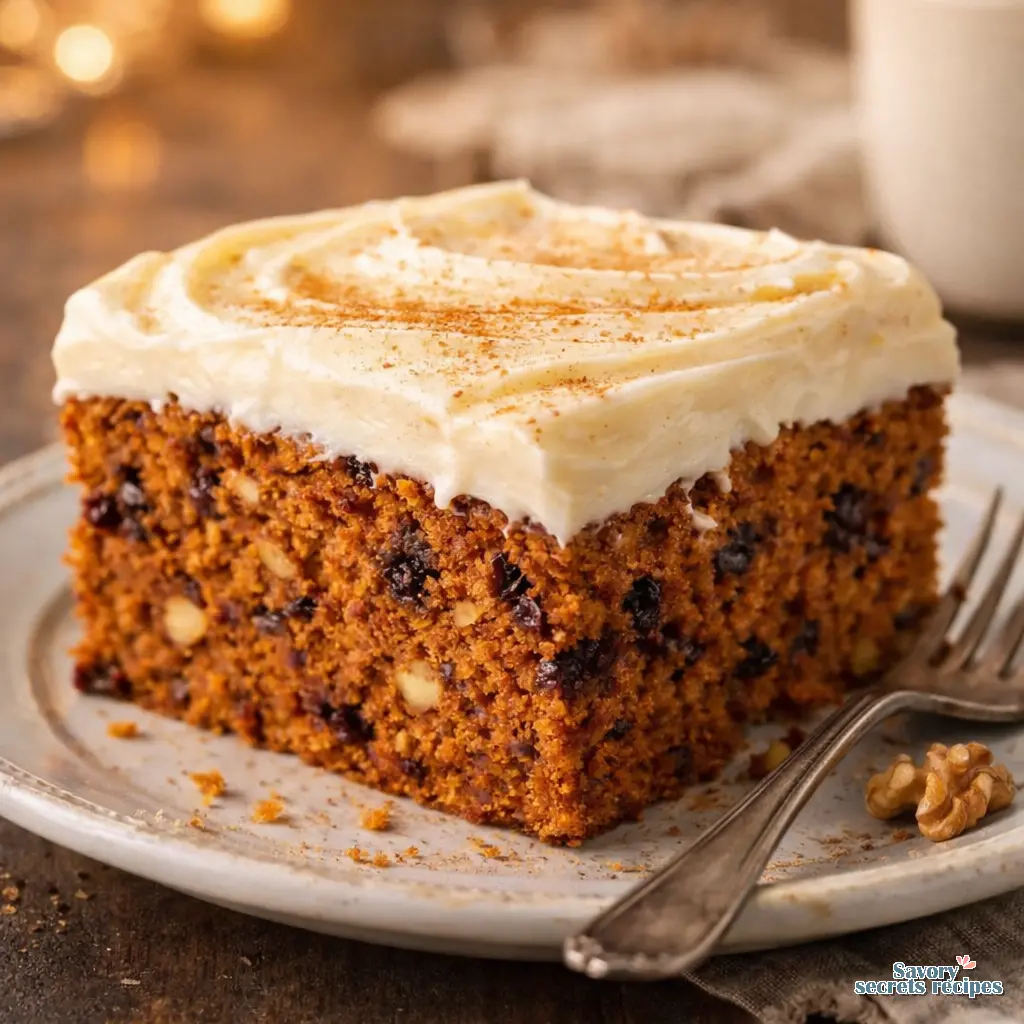
You can certainly eat this cake plain, perhaps with a cup of coffee or a glass of milk. But if you want the authentic, full-scale retro experience, you need the tangy cream cheese frosting. The contrast between the deep, warm spices of the cake and the bright, slightly acidic tang of the frosting is incredible.
My daughter Maya loves to help with this part. She will sit on the counter, watching the stand mixer whip the butter and cream cheese together until it looks like a fluffy cloud. The trick to perfect frosting is patience. Beat the butter and cream cheese together until completely smooth before you even think about adding the powdered sugar. If you add the sugar too early, you will get lumps that no amount of mixing will fix.
You can add a splash of vanilla extract to the frosting, but keep it simple. The cake itself has so much personality with the cinnamon, cloves, and nutmeg, you do not want the frosting to compete. It should complement the moist crumb, not overpower it.
Storing and Freezing Your 1950s Tomato Soup Cake Recipe
Because this cake is so incredibly moist, it stores beautifully. In fact, I think it tastes even better on the second day once the spices have had time to fully meld. Store the frosted cake in an airtight container in the refrigerator for up to five days. The cream cheese frosting requires refrigeration, so do not leave it sitting out on the counter overnight.
If you want to freeze it, that is a great option too. I prefer to freeze individual slices. Wrap each slice tightly in plastic wrap, then place them all in a large freezer-safe bag. They will keep perfectly for up to three months. When you are ready for a slice of vintage baking nostalgia, just let it thaw on the countertop for about an hour. The frosting will soften up beautifully, and the cake will taste just as fresh as the day you baked it.
Frequently Asked Questions
Bringing It All Together
Look, I will be honest. Baking something with a secret ingredient like this requires a little bit of faith. But there is a reason this 1950s tomato soup cake recipe has survived for nearly a century. It is reliable, it is inexpensive, and it produces a cake with a texture that rivals anything you could buy in a high-end bakery. The reactions you get from your friends when you finally tell them what is inside are absolutely priceless.
Next time you are meal planning or looking for a quirky dessert to bring to a dinner party, grab a can of soup and give this a try. I promise you will not regret it. For more vintage baking inspiration and step-by-step techniques, check out my Pinterest boards. I share tons of variations there, and I would love to see how your mystery cake turns out.
Reference: Original Source
Does a 1950s tomato soup cake recipe taste like tomatoes?
Not at all. The soup acts purely as a moisture and color agent. The dominant flavors are cinnamon, cloves, and nutmeg. It tastes exactly like a rich, deeply flavored spice cake. You will completely fool anyone who tries it.
Can I turn this cake mix into tomato soup cupcakes or muffins?
Yes, absolutely. To make cupcakes, line a standard muffin tin and fill the cups two-thirds full. Bake at 350°F for about 20 minutes. Keep a close eye on them. They are done when a toothpick inserted in the center comes out clean.
Is a 1950s tomato soup cake recipe the same thing as a thunder cake recipe?
They are similar but distinct. Thunder cake is a specific chocolate cake recipe that uses pureed tomatoes or tomato soup as a secret ingredient to keep it moist. This classic 1950s version is a pure spice cake without the cocoa powder.
Would this work in a bundt pan?
That is the correct instinct. It works beautifully in a bundt pan. Just make sure you grease and flour the pan thoroughly. You will need to increase the baking time to about 50 to 60 minutes at 350°F. Always check with a skewer.
Can I use store-brand soup for my 1950s tomato soup cake recipe?
You can use a generic store brand, but make absolutely sure it is plain condensed tomato soup. Avoid anything labeled chunky, roasted, or basil-flavored. The consistency and plain flavor profile of the classic Campbell’s recipe is what we are aiming for here.