





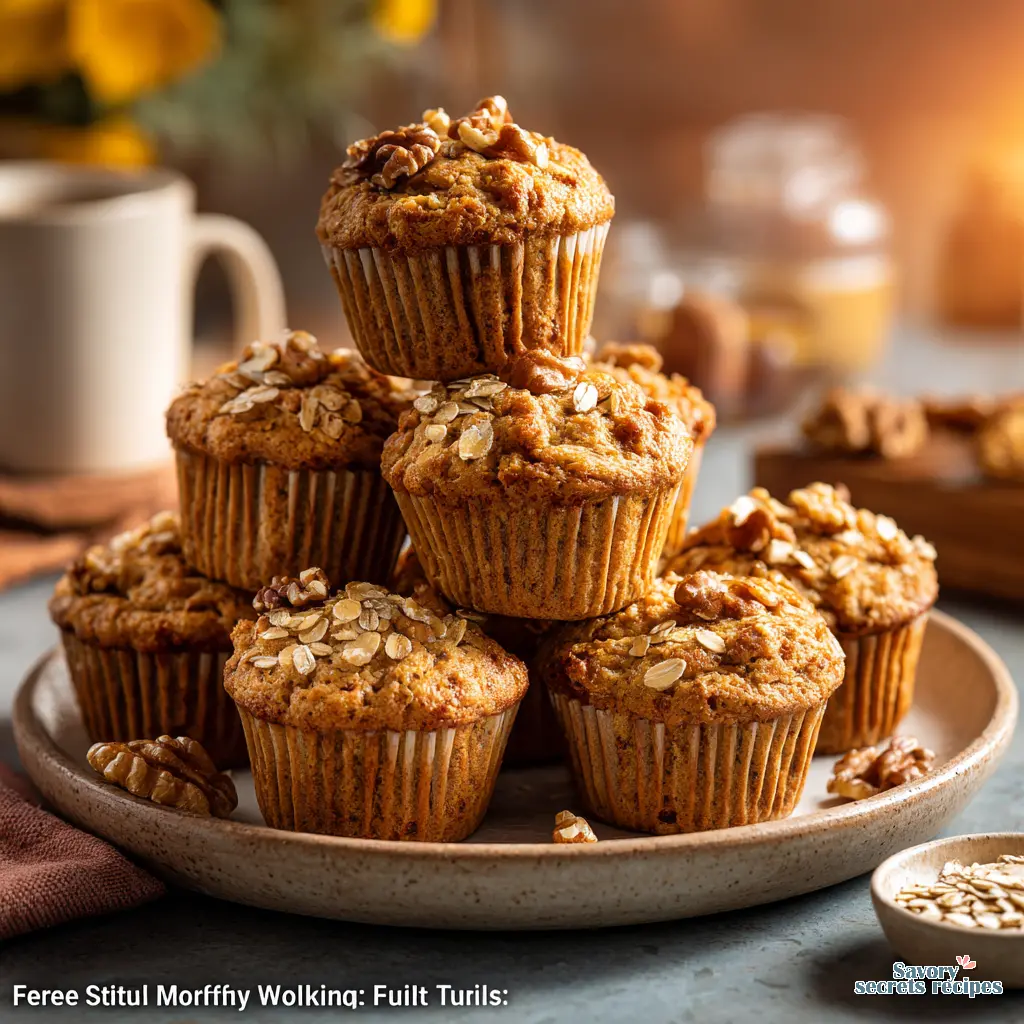
7 healthy breakfast muffins for weight loss
Ingredients
Method
- Toast walnuts at 375°F (190°C) for 8 minutes. Cool and roughly chop. Whisk dry and wet ingredients in separate bowls. Combine the wet mixture and add-ins with the dry ingredients, mix, and fill a greased muffin tin. Bake for 25 minutes.
- Preheat the oven to 375°F (190°C).
- Place the walnuts on a tray and toast for 8 minutes. Let them cool on the tray for 5 minutes, then roughly chop into quarter-inch pieces.
- Grease a standard 12-cup muffin tin with oil or line it with paper liners.
- Whisk the dry ingredients in a large bowl and the wet ingredients in a separate bowl until combined. Pour the wet mixture and all add-ins into the dry ingredients. Stir with a wooden spoon until the flour is just incorporated, being careful not to overmix.
- Divide the batter among the muffin cups, allowing the mixture to mound slightly above the rim.
- Bake for 25 minutes or until a skewer inserted into the center comes out clean.
- Cool the muffins in the tin for 5 minutes, then transfer them to a wire rack to cool for at least 5 additional minutes before serving.
Nutrition
Notes
- Nuts and fruit – use what you want! Almonds, macadamias, cashews, pecans, sultanas, apricots, mango, apple, or dried fruit mix. Chop large piece fruits. Use only nuts or only fruit, or nut free options like pepitas and sunflower seeds.
- Apple – Red apple is also fine, it’s just a little sweeter. Keep skin on for free nutrition.
- Coconut – Can be omitted, add an extra 1 tablespoon flour.
- Carrot – Recommend sticking with carrot for the vegetable so the batter and flavour isn’t altered too much. eg zucchini too watery, parsnip weird flavour, pumpkin and sweet potato too mushy.
Why Most “Healthy” Muffins Fail (And How We Fixed It)
Let’s be real about 7 AM. The alarm goes off, you hit snooze (twice, if you’re me), and suddenly you have exactly twelve minutes to get out the door. In that chaos, grabbing a pastry at the coffee shop feels like the only option. But we all know the crash that comes at 10:30 AM. That tracks with what I’ve seen in the data and in my own kitchen: standard muffins are basically cake without the frosting.
I used to struggle with this constantly. I wanted something that tasted like a treat but didn’t derail my health goals. The problem with most “diet” baking is the texture. It’s often dry, rubbery, or tastes like cardboard. I remember trying a flaxseed muffin recipe back in grad school that was so dense it could have been used as a doorstop. My roommates were polite, but nobody asked for seconds.
That’s why these 7 healthy breakfast muffins for weight loss are different. I’ve approached this like a science experiment (old habits die hard). We aren’t just removing sugar; we’re replacing the structural role sugar plays with moisture-rich ingredients like Greek yogurt and applesauce. We’re swapping empty carbs for fiber-dense oats and whole grains that actually keep you full. When you take your first bite, you shouldn’t think “diet food.” You should just think, “Wow, that’s good.”
The Science of Satiety: Why These Work
I’m not entirely convinced that counting calories is the only way to manage weight. The quality of those calories matters more. In practical terms, if you eat 300 calories of sugar, your blood glucose spikes, insulin floods your system, and you’re hungry again in an hour. It’s a physiological rollercoaster.
These muffins are designed around the concept of satiety. Here is what makes them work for weight management:
- Protein-Packed: By using Greek yogurt and eggs (or flax eggs), we increase the protein content. Protein requires more energy to digest (the thermic effect of food) and signals your brain that you’re full.
- Fiber-Rich: Rolled oats and whole wheat flour provide soluble fiber. This slows down gastric emptying. Basically, the food stays in your stomach longer, keeping you satisfied until lunch.
- Volume Eating: Ingredients like grated zucchini, carrots, or apples add bulk and water volume without adding significant calories. You get to eat a physically larger muffin for fewer calories.
It’s worth noting here that I’ve tested these ratios extensively. You can’t just dump protein powder into a batter and expect it to rise. The chemistry has to balance. These recipes hit that sweet spot between nutritional density and actual enjoyment. If you prefer fruit-based moisture over vegetables, these healthy applesauce muffins offer a similar satiety benefit.
7 Distinct Variations to Beat Boredom
The keyword here is “7.” I don’t want you eating the exact same blueberry muffin every single day. That’s the fastest way to quit a meal plan. Using the base batter technique (which you’ll see in the recipe card above), you can create these seven distinct profiles. This tracks with the “flavor fatigue” concept in sensory science we need variety to feel satisfied.
1. The Classic Blueberry Lemon
This is your standard morning hero. I use fresh blueberries when they’re in season here in LA, but frozen works too (just coat them in flour first so they don’t sink). The lemon zest is non-negotiable; it brightens the whole flavor profile without adding acid.
2. Apple Cinnamon Crunch
Think of this as oatmeal in muffin form. I leave the skins on the Granny Smith apples for extra pectin and fiber. The cinnamon actually helps regulate blood sugar, so be generous with it.
3. Zucchini Walnut
Don’t panic about the green specks. The zucchini melts into the batter, providing incredible moisture. I add walnuts for Omega-3s. My daughter calls these “Hulk Muffins,” which is the only way I can get her to eat squash before noon.
4. Carrot Cake (Without the Guilt)
This mimics the flavors of carrot cake ginger, nutmeg, cloves but skips the heavy cream cheese frosting. I sometimes add a few raisins or chopped dates for natural sweetness.
5. Banana Nut Protein
Use those brown, spotty bananas sitting on your counter. The riper they are, the higher the natural sugar content, meaning you can reduce the added maple syrup. This is where I often sneak in a scoop of unflavored protein powder.
6. Double Chocolate Cherry
Yes, chocolate for breakfast. By using high-quality cocoa powder and tart cherries (fresh or frozen), you get antioxidants and that rich flavor without the sugar crash. It feels naughty, but the macros are solid.
7. Savory Sun-Dried Tomato & Feta
Sometimes you don’t want sweet. For this variation, omit the vanilla and sweetener from the base. Add chopped spinach, sun-dried tomatoes, and crumbled feta. It’s essentially a portable omelet.

Kitchen Wins: Tips for Perfect Texture
I’ve baked enough dense, gummy muffins to know exactly where things go wrong. It’s usually not the recipe; it’s the technique. Here is how to ensure your 7 healthy breakfast muffins for weight loss come out fluffy every time.
The “Don’t Overmix” Rule
This is the number one mistake. When you mix flour with wet ingredients, gluten starts to develop. Gluten is great for chewy sourdough, but terrible for tender muffins. I mix just until the flour streaks disappear. If there are a few tiny lumps, leave them. Trust me on this.
The Acid-Base Reaction
We use baking soda in these recipes. Baking soda needs an acid to activate and create those carbon dioxide bubbles that make the muffin rise. That’s why the Greek yogurt (or buttermilk/lemon juice) is crucial. It’s not just for moisture; it’s basic chemistry. If you swap the yogurt for regular milk, they won’t rise as well.
Temperature Matters
My nani in Chandigarh taught me to temper spices by sound and smell, not timers. While baking is more precise, your oven might be lying to you. Most home ovens cycle 15-20 degrees off. If your muffins are burning on the bottom but raw in the middle, your oven is running hot. I highly recommend an oven thermometer. It’s a five-dollar tool that saves a lot of heartache.
Storage, Freezing, and Reheating
This is where the “weight loss” part really comes in. Meal prep prevents bad decisions. If you have these ready in the freezer, you won’t stop at the drive-thru.
- Room Temperature: Store in an airtight container for up to 3 days. I like to put a paper towel in the bottom of the container to absorb excess moisture so they don’t get soggy.
- Fridge: Up to a week. This is best for the savory versions or ones with a lot of fruit moisture.
- The Freezer Strategy: This is my go-to. Let them cool completely (this is vital), then wrap individually in plastic wrap or toss them in a gallon freezer bag. They last 3 months.
- Reheating: From frozen, unwrap and microwave for 30-45 seconds. Here’s a pro-tip: wrap the muffin in a damp paper towel before microwaving. It steams the muffin slightly, making it taste freshly baked rather than dried out.
Frequently Asked Questions
Common Mistakes & Fixes
Troubleshooting Your Bake
Mistake: The muffins are tough and rubbery.
Solution: You likely overmixed the batter. Mix wet and dry ingredients until just combined. Lumps are your friend here.
Mistake: The bottoms are burnt but the middle is raw.
Solution: Your oven is running hot or the rack is too low. Move the rack to the center position and invest in an oven thermometer.
Mistake: The fruit sank to the bottom.
Solution: The batter might be too thin, or the fruit too heavy. Toss the fruit in a little flour before adding it to give it “grip.”
Start Your Morning Right
When you take your first bite of these tomorrow morning, I hope you feel that sense of relief. It’s the feeling of knowing you’ve taken care of yourself before the day even starts. You aren’t depriving yourself; you’re fueling your body with intention. That’s sustainable weight loss.
These recipes are forgiving, so don’t be afraid to experiment. If you try a new variation maybe a cardamom pear or a savory cheddar chive I’d love to hear about it. Cooking is an iterative process, and we’re all just figuring out the best data points for our own lives.
For more inspiration, check out my Pinterest boards where I save all my meal prep experiments.
Reference: Original Source
What kind of oats should I use for 7 healthy breakfast muffins for weight loss?
I always recommend old-fashioned rolled oats. They provide the best texture and chew. Instant oats can turn mushy and disappear into the batter, while steel-cut oats won’t cook through in the baking time and will be too hard. Stick to rolled oats for that perfect heartiness.
Can I make these muffins gluten-free?
Yes, absolutely. I’ve tested this with a 1:1 gluten-free all-purpose flour blend (like Bob’s Red Mill) and it works well. Just make sure your oats are certified gluten-free if you have celiac disease, as cross-contamination is common with oats.
Can I use frozen fruit instead of fresh?
You can, but there’s a trick. Do not thaw the fruit first, or it will bleed into the batter and make it gray and soggy. Toss the frozen berries in a teaspoon of flour before folding them in gently right at the end. This helps suspend them in the batter.
Why do my healthy muffins turn out dry?
This is usually due to overbaking or lack of fat. Since we’re reducing oil for weight loss, we rely on Greek yogurt and fruit purees for moisture. Ensure you measure your flour by spooning it into the cup and leveling it off, rather than scooping directly, which packs too much flour.
Can I use a sugar substitute like Stevia or Monk Fruit?
Yes, granular Monk Fruit or Stevia blends work well here. However, sugar contributes to moisture and browning, so your muffins might be slightly paler and drier. I suggest checking them 2-3 minutes earlier than the recipe states if you make this swap.