



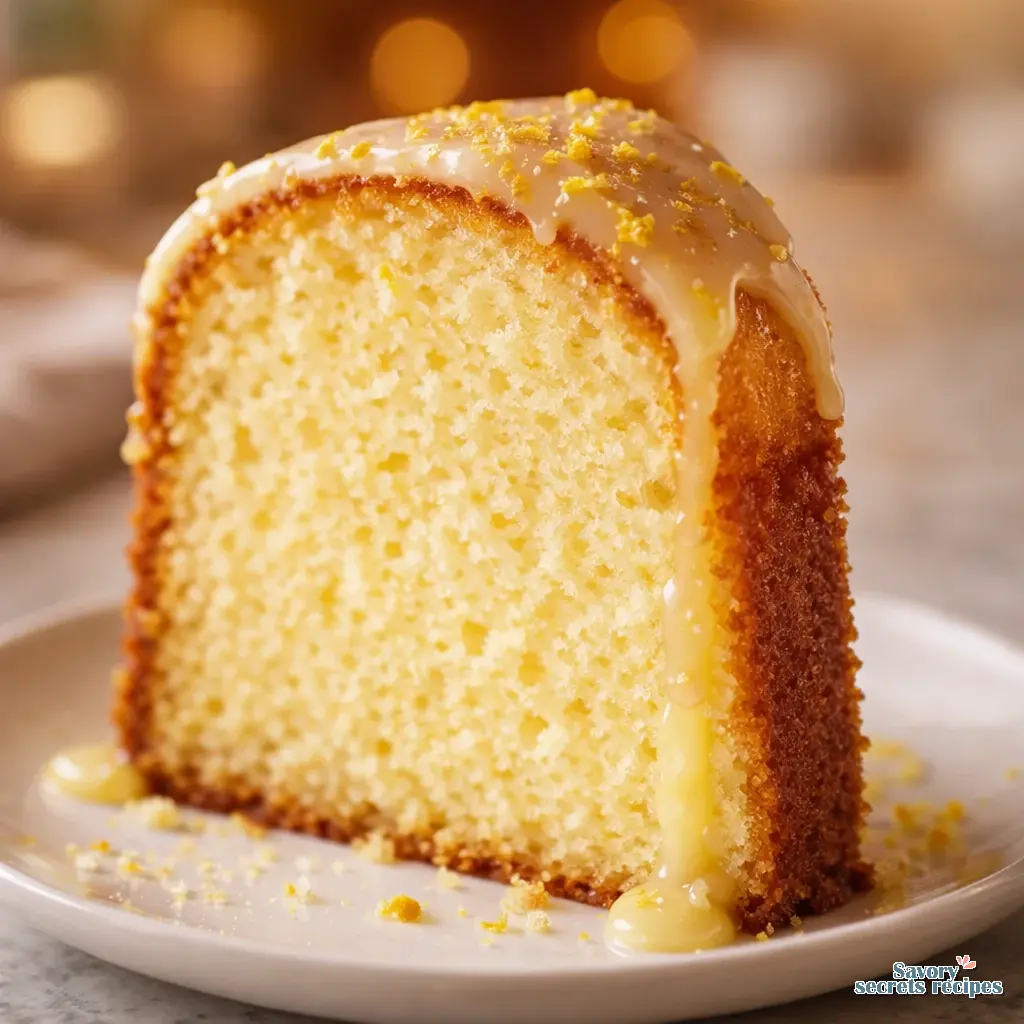
Easy 7up Pound Cake Recipe
Ingredients
Method
- Preheat oven to 325°F and thoroughly butter and flour a bundt pan.
- Cream butter and sugar in a mixer for 5 to 6 minutes until light and fluffy.
- Add eggs one at a time, mixing well after each addition.
- Mix in lemon extract, vanilla extract, and optional lemon zest until well combined.
- Gradually add cake flour and 7UP, alternating between the two and starting and ending with flour.
- Beat batter for one minute to ensure thorough incorporation.
- Pour batter into the prepared pan and bake for 1 hour and 10 minutes, or until a toothpick comes out clean.
- Let cake rest in the pan for one minute, then carefully invert onto a cooling rack.
- Whisk together powdered sugar, milk, and lemon flavor until smooth.
- Add more sugar as needed to achieve a thicker glaze consistency.
- Drizzle glaze over the cake once it has cooled completely.
Notes
The Magic Behind a Classic 7up Pound Cake Recipe
I first saw a 7up pound cake recipe at a summer potluck in Chicago about ten years ago. Let’s be clear about this right off the bat. My grandmother Zoya would have scoffed at pouring carbonated soda into a cake batter. She learned baker’s percentages before she learned fractions, and she believed baking was strict math. But when I took a bite of that potluck cake, I had to admit something. The crumb was impossibly light. The crust was perfectly crisp. It tasted like nostalgia and magic.
I tracked down the woman who baked it. She told me it was an easy 7up pound cake her mother used to make in the 1970s. I went home and started testing the ratios immediately. I wanted to understand exactly why a fizzy, lemon-lime soda creates such a beautiful texture. I mean, you could just use milk or water, right? Well, no. The carbonation actually does something structural to the batter. I’ve baked this dozens of times since then, and it’s become my absolute favorite retro recipe.
My daughter Maya helped me test the final version of this recipe last week. We stood in the kitchen listening to the fizz as we poured the soda into the measuring cup. She thought it was hilarious that we were putting “bubbly juice” into our dessert. But honestly, once you understand the basics of how this works, you’ll see it’s actually quite foolproof. You get that nostalgic church social taste with a crumb so tender it practically melts.
The Science of Soda: Why We Use 7Up
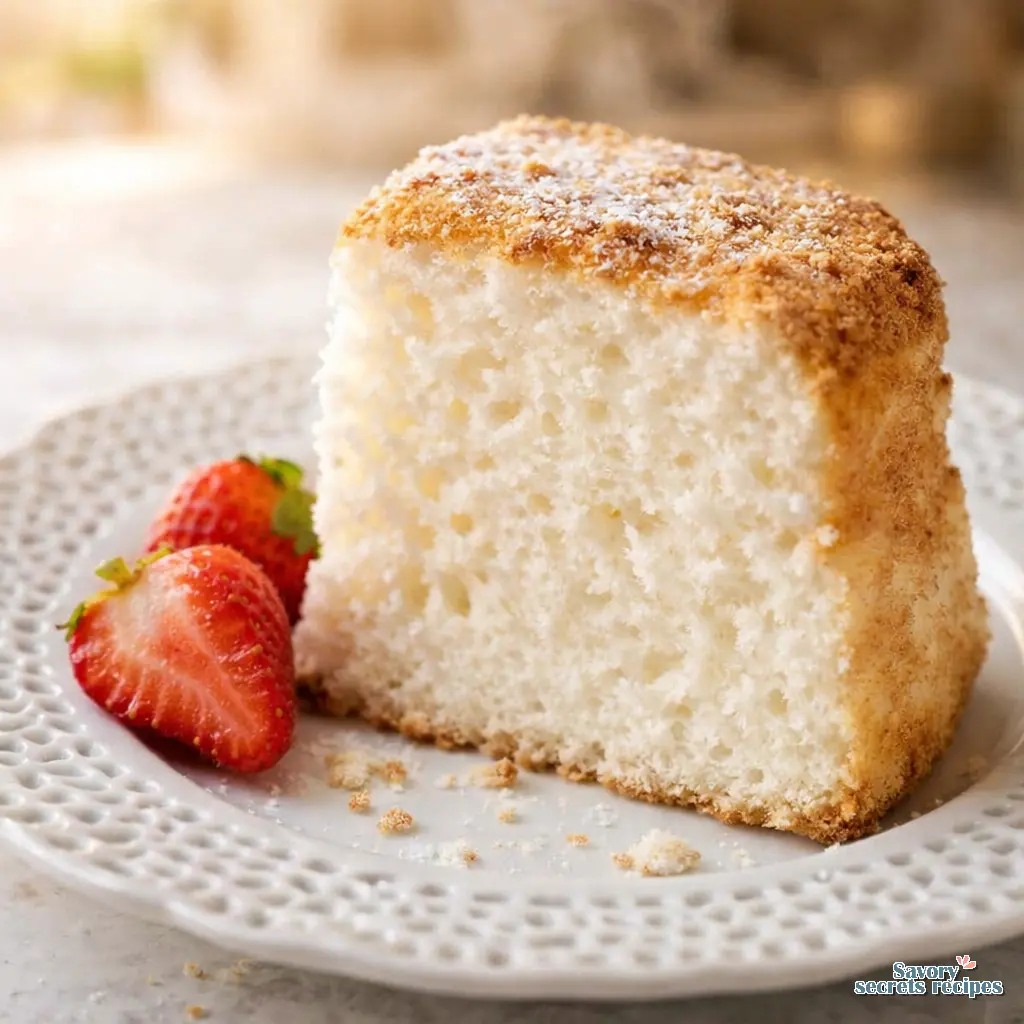
People always ask me why use 7up in pound cake instead of regular liquids. It sounds like a gimmick. I promise you it is not. The secret lies in the carbonation and the acidity. Traditional pound cakes are dense. They rely heavily on eggs for lift. When you introduce a highly carbonated liquid like 7-Up soda, those millions of tiny carbon dioxide bubbles act as a mechanical leavening agent. They literally physically push the batter up as it bakes.
Beyond the bubbles, we have to talk about acidity. Lemon-lime soda contains citric acid. This acid weakens the gluten formation in your flour just enough to tenderize the crumb. That’s exactly the texture we want. A tight crumb that still feels light on the tongue. You’ll hear that distinct fizz when you pour the room temperature soda into your measuring cup. Let it sit for just a minute so it doesn’t overflow, but don’t let it go flat. We need those bubbles intact.
Can I use Sprite instead of 7up in cake for the same citrus flavor? Yes, absolutely. Any crisp lemon-lime soda works. I prefer 7Up because I find the carbonation level to be slightly more aggressive, which gives a better rise. But Sprite or Sierra Mist will give you a very similar light crumb and citrusy aroma. Just don’t use a dark cola unless you want a completely different flavor profile.
Cake Flour vs. All-Purpose: Let’s Be Clear About This
I teach a lot of baking classes, and the number one question I get is about flour substitutions. We’re not guessing on this one. You need cake flour for a proper 7up pound cake recipe. Cake flour has a significantly lower protein content than all-purpose flour (around 7-8% compared to 10-12%). Less protein means less gluten development. Less gluten means a softer, more tender cake.
If you use all-purpose flour, your cake will be heavier. It will still taste good, but it won’t have that signature melt-in-your-mouth quality. I remember showing Maya the difference between the two flours by letting her feel them. Cake flour feels like fine silk. All-purpose feels slightly more granular. Your hands know before your eyes.
If you absolutely cannot find cake flour, you can make a DIY substitute. For every cup of all-purpose flour, remove two tablespoons of the flour and replace it with two tablespoons of cornstarch. Then sift it. Sift it at least three times. This mimics the lower protein content and aeration of commercial cake flour. But honestly, just buy a box of Swan’s Down if you can. It’s worth the extra trip to Ralphs or Vons.
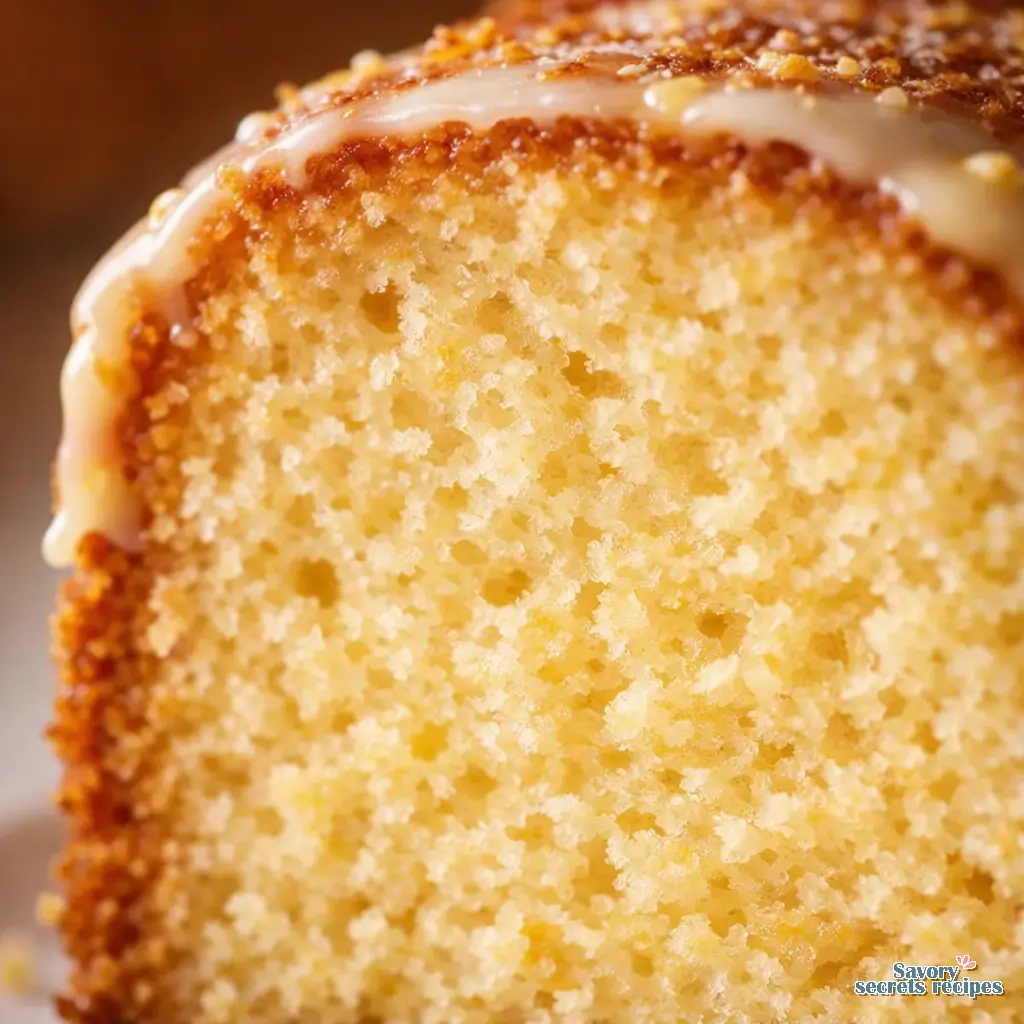
The Creaming Process: Temperature Matters Here
I need you to show me your process when it comes to creaming butter and sugar. This is where most pound cakes fail. If somebody tells me their cake came out dense, my first question is always about their butter temperature. Your butter needs to be at true room temperature. Not melting. Not cold in the center. It should yield to gentle pressure from your finger but still hold its shape.
If your butter’s too warm, start over. I mean it. Warm butter won’t hold the air bubbles you’re trying to beat into it. You will end up with a greasy, flat cake. We cream the butter and sugar together for a full five to seven minutes. It seems like a long time, I know. But watch the texture change. It goes from yellow and gritty to pale, fluffy, and almost like frosting. That mechanical leavening is half the equation for a tall, proud bundt cake.
Add your eggs one at a time. And yes, the eggs must be room temperature too. If you add cold eggs to perfectly creamed room-temperature butter, the fat will seize up and curdle. It breaks the emulsion. I’ve ruined entire test batches because I was impatient and used cold eggs. Just place them in a bowl of warm water for ten minutes if you forgot to take them out of the fridge.
Visual Troubleshooting Guide for Your Soda Pound Cake
Even the best bakers run into issues. Bundt pans are notoriously tricky. Let’s walk through some common problems so you know exactly what to look for.
Common Mistakes & Fixes
Mistake: The cake sticks to the intricate designs of the bundt pan.
Solution: You didn’t grease it thoroughly enough. Use a baking spray that contains flour, or make a homemade “cake release” paste (equal parts shortening, oil, and flour). Brush it into every single crevice with a pastry brush.
Mistake: The cake sinks in the middle after baking.
Solution: You likely opened the oven door too early, or your batter was overmixed. Once you add the flour and the 7Up, mix only until just combined. Overmixing develops gluten and knocks out the air.
Mistake: The crust is too dark but the inside is raw.
Solution: Your oven runs hot. I learned this the hard way and ruined twelve batches of cookies once. Always use an independent oven thermometer. If the top is browning too fast, tent it loosely with aluminum foil halfway through baking.
The Diet Soda Test: Does Zero Sugar Work?
I get asked constantly if you can use Diet 7Up or Zero Sugar soda in this recipe. I’m not entirely convinced this works at scale without compromising texture, but I tested it anyway. The short answer is yes, you can use it. The carbonation still does its job as a leavener.
However, there is a tradeoff. Regular soda contains invert sugars that contribute to the browning and moisture of the cake. When you use diet soda, the crust might not get quite as deeply caramelized, and the crumb can lean slightly drier on day three. If you are watching your sugar intake, it’s a perfectly fine substitution. Just be aware that artificial sweeteners can sometimes leave a very faint aftertaste in delicate baked goods. That’s the correct instinct if you noticed a slight difference.
Some people also ask about making a 7up pound cake with cake mix for a faster shortcut. You totally can. Just swap the water called for on the box with 7Up and add a box of instant lemon pudding mix. It won’t have the exact same dense, buttery crumb as from scratch, but it’s great in a pinch.
Make-Ahead Strategy: Why Day 2 is Actually Better
If you have a potluck or a family dinner on Saturday, bake this cake on Friday. I know it’s tempting to cut into a warm 7-up cake with lemon glaze right out of the oven. The smell of butter and lemon extract filling the kitchen is intoxicating. But trust me on this. Pound cake needs time to settle.
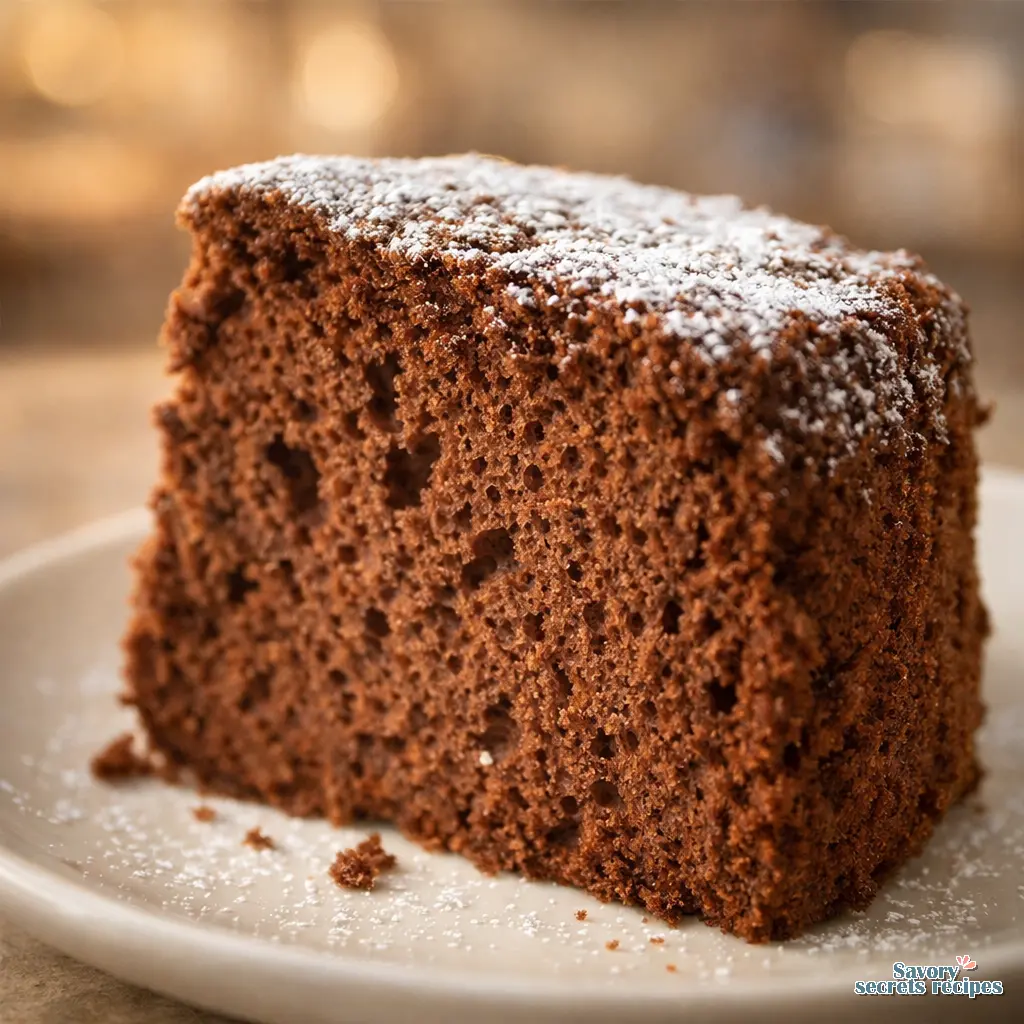
As the cake cools completely and sits overnight, the moisture redistributes evenly throughout the crumb. The lemon and vanilla extracts mellow and meld with the buttery notes. The crust softens just a tiny bit while maintaining its chew. When you slice it on day two, the crumb is tighter and less crumbly. It’s actually much easier to get clean, beautiful slices.
I usually bake it, let it cool completely, wrap it tightly in plastic wrap, and leave it right on the counter at room temperature. The next morning, I whisk up the confectioners’ powdered sugar and whole milk for the glaze and pour it over the top. Perfect.

Storage & Freezing Guide
Proper storage is the difference between a cake that lasts a week and one that goes stale in two days. Because this recipe uses a full pound of butter, it retains moisture beautifully if you treat it right.
For room temperature storage, keep the cake in an airtight cake dome or wrapped tightly in plastic wrap. It will stay fresh for up to 5 days on the counter. Do not put it in the refrigerator. The cold temperature of the fridge actually accelerates the staling process of the starches in the flour. It will dry out your beautifully tender crumb.
If you want to freeze it, this cake freezes exceptionally well. I recommend freezing it without the glaze. Wrap the completely cooled cake (or individual slices) in two tight layers of plastic wrap, followed by a layer of heavy-duty aluminum foil. This prevents freezer burn. It will keep for up to 3 months. To thaw, just leave it wrapped on the counter overnight. The moisture will reabsorb perfectly.
Frequently Asked Questions
Ready to Bake?
There’s nothing quite like watching someone finally understand the science behind a recipe and then tasting their success. When you pull this golden, citrus-scented cake out of the oven, you’ll feel like a baking magician. It’s the perfect balance of a dense, buttery crumb and a light, airy texture thanks to that fizzy secret ingredient.
I hope this becomes a staple in your kitchen just like it is in mine. Take your time with the creaming process, watch your temperatures, and don’t rush the cooling. You’ve got this. If you want to explore more variations and classic bakes, come browse my Pinterest boards. I’m always saving new ideas for weekend baking projects.
Reference: Original Source
Can I use all-purpose flour instead of cake flour for this 7up pound cake recipe?
You can, but I highly advise against it if you want that signature light texture. All-purpose flour has higher protein, which creates more gluten and a denser, heavier cake. If you must, substitute 2 tablespoons of cornstarch for 2 tablespoons of AP flour per cup, and sift it well.
How do I store leftover 7up pound cake recipe to keep it moist?
Keep it tightly wrapped in plastic wrap or inside an airtight cake keeper at room temperature. It stays beautifully moist for up to 5 days. Never store pound cake in the refrigerator, as the cold air crystallizes the starches and dries out the crumb prematurely.
Can you freeze 7Up Cake?
Absolutely. It freezes incredibly well. Wrap the unglazed cake tightly in a double layer of plastic wrap, then wrap it in aluminum foil to prevent freezer burn. It lasts up to 3 months. Thaw it completely at room temperature on your counter before unzipping the wrapping.
Do I need to use baking soda if I’m using all-purpose flour?
No, you don’t need to add baking soda. The carbonation from the soda and the thorough creaming of the butter and sugar provide all the mechanical leavening this cake needs to rise. Adding baking soda will alter the pH and could leave a soapy metallic aftertaste.
Can I use another lemon soda in this recipe?
Yes, any highly carbonated lemon-lime soda works beautifully. Sprite, Sierra Mist, or even a generic store brand are fine. Just make sure the soda is fresh and fully carbonated. If it’s been sitting open in your fridge and has gone flat, it won’t give the cake proper lift.
What kind of pan do you use for a pound cake?
I strongly prefer a 10-inch to 12-inch Bundt pan or a traditional tube pan. The hole in the center allows heat to circulate evenly, ensuring the heavy batter bakes all the way through without the edges burning. You can use two 9×5 loaf pans, but you’ll need to adjust the baking time down.
How do I keep my pound cake from sticking to the pan?
Take pan preparation seriously. Use a baking spray specifically formulated with flour, or brush a homemade paste of equal parts shortening and flour into every single crevice. Let the baked cake cool in the pan for exactly 10 to 15 minutes before inverting it. Any longer, and the sugars act like glue.