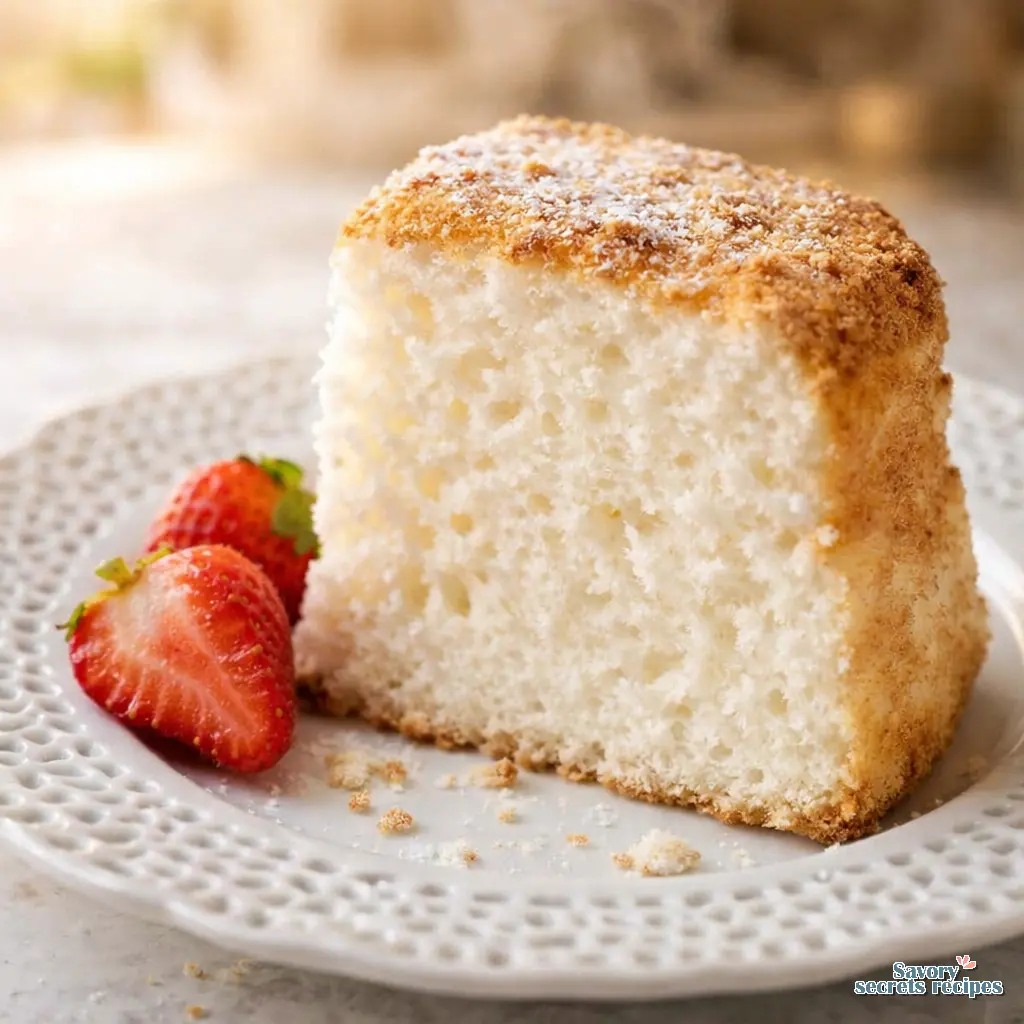




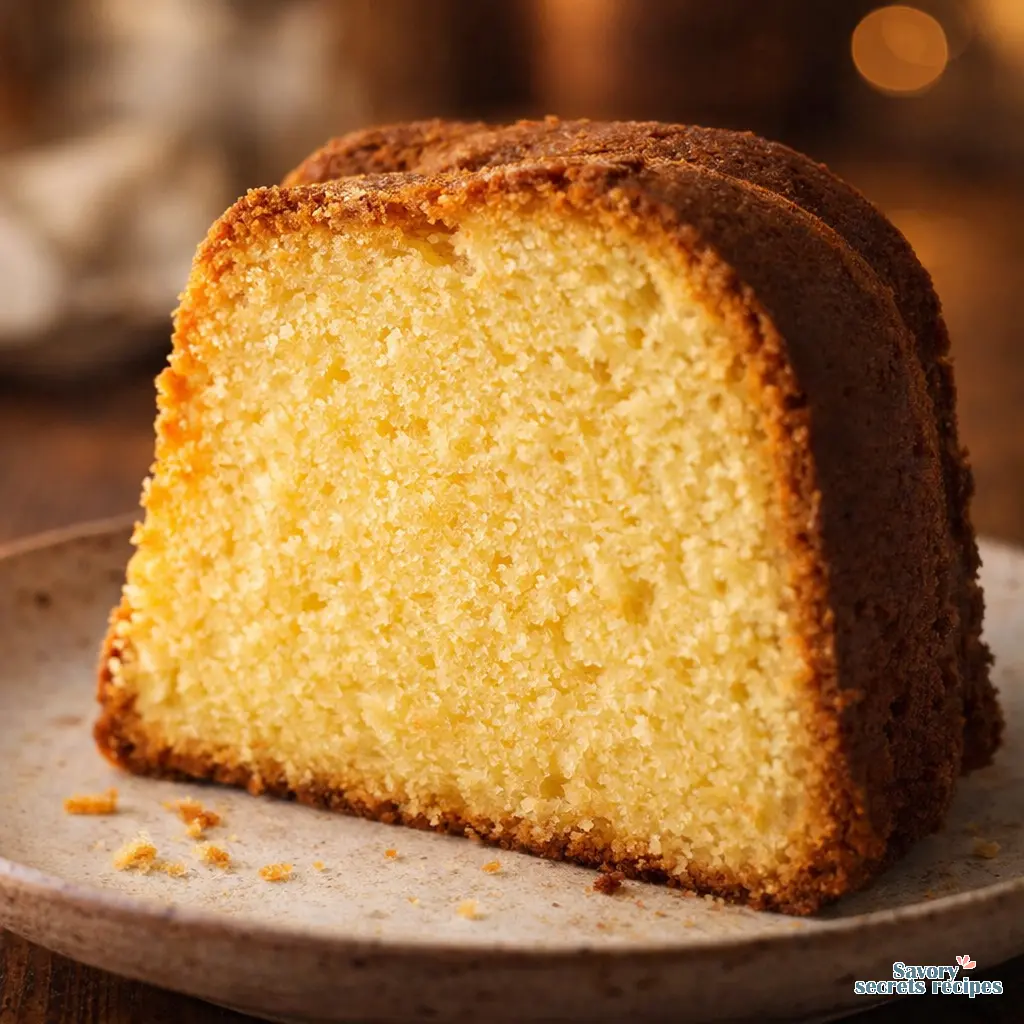
Traditional Southern Buttermilk Pound Cake Recipe
Ingredients
Method
- Preheat the oven to 325°F (163°C) and generously grease and flour a 10–12 cup Bundt pan before setting it aside.
- Beat the butter and sugar in a large mixing bowl on medium speed for 5 to 7 minutes until the mixture is light and fluffy.
- Add the eggs one at a time, beating well after each addition and scraping down the sides of the bowl as necessary.
- Set the mixer to low speed and add the sifted flour in three parts, alternating with the cream in two parts, beginning and ending with the flour; mix until just combined.
- Stir in the vanilla and salt until combined, taking care not to overmix the batter.
- Transfer the batter into the prepared Bundt pan and smooth the surface with a spatula.
- Bake for 1 hour and 20 minutes or until a toothpick inserted into the center comes out clean; do not open the oven door prematurely.
- Allow the cake to cool in the pan for 15 to 20 minutes, then invert it onto a wire rack to cool completely before slicing.
Nutrition
Notes
- Heavy Cream: Use whole milk for a lighter version.
- Vanilla: Swap in almond extract to add a nutty note.
The Only Easter Dessert You Actually Need
With holiday party season and Easter brunch right around the corner, everyone is stressing over complicated desserts. Let’s walk it back a bit. The only dessert your table actually needs is a traditional southern pound cake recipe. I remember my teta’s kitchen always smelled like cardamom and butter before sunrise. She taught me that good food doesn’t need fancy equipment. It just needs attention and the right timing. When I bake this classic pound cake, that same exact smell of pure vanilla extract and butter fills my house in Los Angeles.
Not gonna lie, a traditional southern pound cake recipe is simple but it requires patience. You might be worried about the cake falling or wasting expensive butter on a failed bake. I completely get it. But we are going to nail that golden-hued crust and velvety crumb. Before we get into the deep details, here is my quick-win method for success.
First, get your ingredients to room temperature right now. Second, measure your flour correctly. Third, trust the creaming process. I know it sounds basic, but these three things are the difference between a dense brick and a masterpiece. Now we’re talking. Let’s get into how to make southern pound cake from scratch.
The Science of Emulsification
Here’s the thing about baking. It is mostly just edible chemistry. When you start this traditional southern pound cake recipe, you are forcing fat and water to mix. That is called emulsification. If you use cold butter or cold large eggs, the batter will break. It looks curdled and gross. I learned this the hard way when I tried to rush a bake for a Sunday potluck.
You want your unsalted butter to be soft but not melting. It should yield slightly when you press it, but still hold its shape. Your eggs need to be room temperature too. If you forgot to take them out, just put them in a bowl of warm water for ten minutes. That’s the move. I’m not totally sure about the exact molecular bonding, but in my experience, anyway, cold ingredients prevent the batter from trapping air. No air means a heavy cake.
And let’s talk about the dairy. A southern buttermilk pound cake relies on that tangy acidity to tenderize the gluten in the flour. What is the best buttermilk for pound cake baking? Full-fat, always. It gives you that rich, moist texture we are looking for.
Weight vs. Volume: Getting the Ratios Right
My teta never measured her ingredients with cups. She would just pour things into a bowl until it looked right. Years later, I tested her eye measurements with a scale. She was accurate to within two grams every single time. That is when I learned precision isn’t about tools, it is about repetition.
For this traditional southern pound cake recipe, I highly recommend using a kitchen scale. Weighing your ingredients in grams gives you the most accurate results. A cup of all-purpose flour or cake flour can vary wildly depending on how you scoop it. If you pack the flour into the cup, you will end up with a dry, crumbly mess.
If you don’t have a scale, fair enough. Just use the spoon and level method. Fluff the flour in your bag, spoon it gently into your measuring cup, and level it off with a butter knife. Do not tap the cup on the counter. Trust the process here. The ratio’s off if you add too much flour, and that is the number one reason cakes turn out dry.
Step-by-Step: Creaming Butter and Sugar
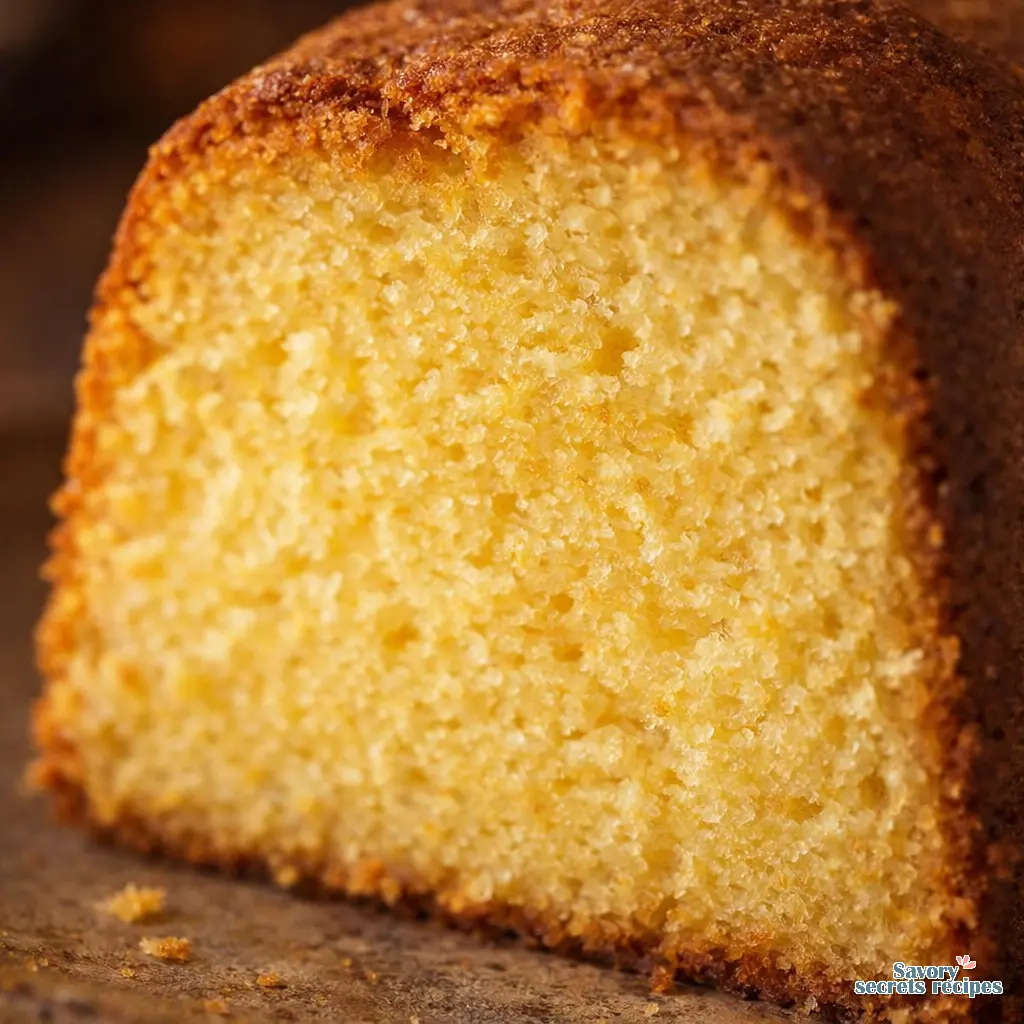
This is where the magic happens. In a traditional pound cake, you don’t always use baking powder. The lift comes entirely from the air you beat into the butter and granulated sugar. You need to cream them together on low to medium speed for 3 to 7 minutes. Yes, it takes that long.
Listen to the sound of your mixer. It starts out sounding chunky and heavy. After a few minutes, the sound changes. It gets quieter, smoother, almost like a hum. That is when you know you are getting close. The mixture should look thick, glossy, and pale. Almost the color of pale peanut butter.
Once you hit that stage, add your eggs one at a time. Mix just until the yellow disappears. My daughter loves helping me crack eggs. She’s got about a 60% success rate, which means I spend a lot of time fishing shells out of the bowl. But I let her do it because she is learning the motion. Just remember, overmixing the eggs causes the crust to separate from the cake later. Mix until barely combined, then stop.
Visual Indicators of Doneness
Baking times are just suggestions. Every oven in Los Angeles seems to run at a different temperature. You need to dial it in until it’s right for your specific kitchen. I usually start checking my cake around the 1-hour mark.
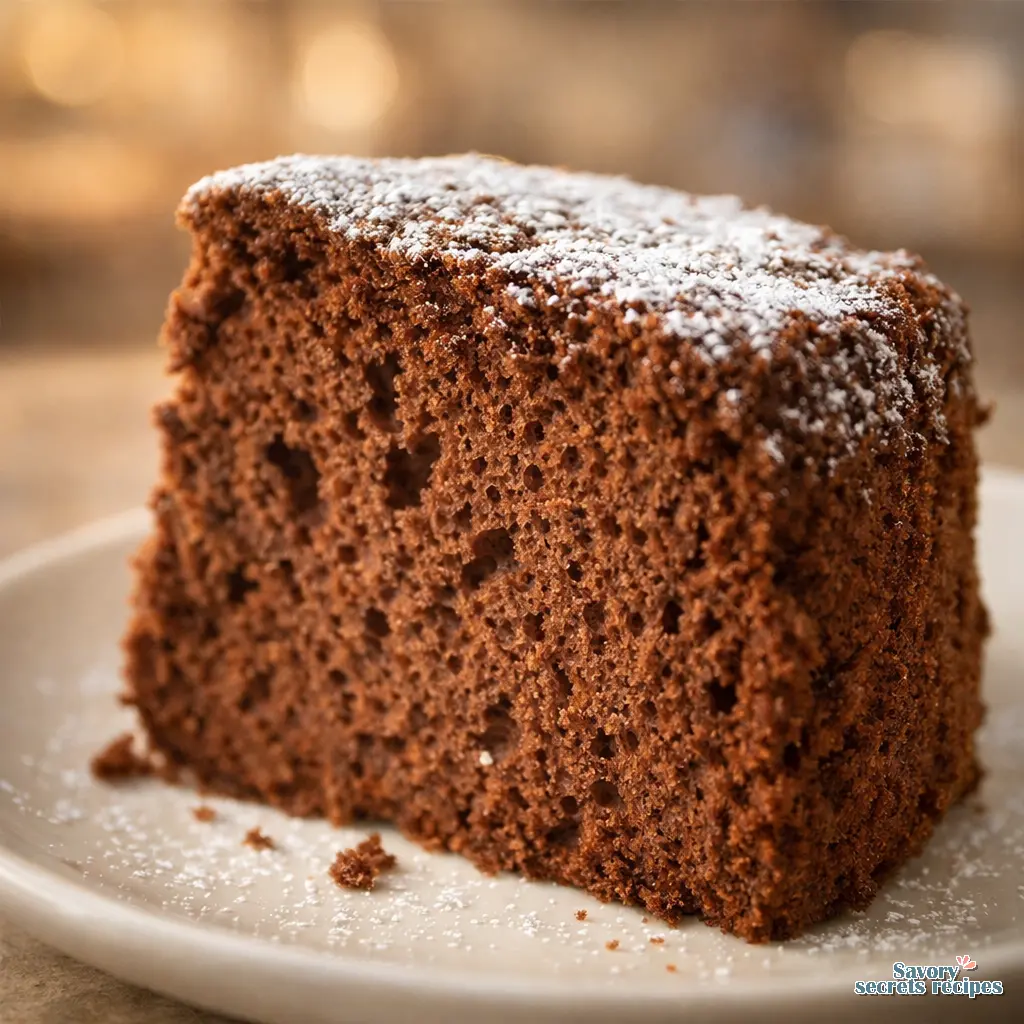
First, look at the top. A classic pound cake will develop a beautiful dome, and it should crack right down the middle. That crack is a sign of success. It happens because the outside sets before the inside finishes expanding, forcing the batter to burst through. The sugar migrates to the crust, giving it that slight crunch.
Next, do the toothpick test. But here is the trick for dense cakes. You don’t want the toothpick to come out completely clean. If it is bone dry, the cake is overbaked. You want a few moist crumbs clinging to the wood. When you see that, pull it out. Let it sit in the bundt pan or tube pan on a cooling rack for exactly 10 to 15 minutes before flipping it. If you try to flip it too early, it will tear.
Common Mistakes & Fixes
Mistake: You get a dense, gummy streak near the bottom.
Solution: This dreaded sad streak happens when you over-cream the butter and sugar, or if your ingredients were too cold. Keep the creaming time strictly between 3 and 7 minutes on moderate speed.
Mistake: The top crust separates and flakes off completely.
Solution: You likely overbeat the eggs. Once the eggs go in, mix just until the yellow disappears. The extra air from overbeating eggs forces the crust to detach as it cools.
Mistake: The cake is dry and crumbly.
Solution: Too much flour or too much time in the oven. Next time, weigh your flour in grams and pull the cake when the toothpick has moist crumbs, not when it is totally dry.
Storage, Freezing, and Serving Your Traditional Southern Pound Cake Recipe
Let’s say you actually have leftovers. How long can you store a classic pound cake before it goes dry? A properly baked pound cake will stay moist for 2 to 4 days at room temperature. Just keep it in an airtight container or wrap it tightly in plastic wrap. I don’t recommend putting it in the fridge because the cold temperature crystallizes the starches and makes it taste stale faster.
If you want to save it for longer, this cake freezes beautifully. Wrap individual slices or the whole cake in a double layer of plastic wrap, then a layer of foil. It will keep in the freezer for up to 3 months. To thaw it, just leave it on the counter for a few hours.
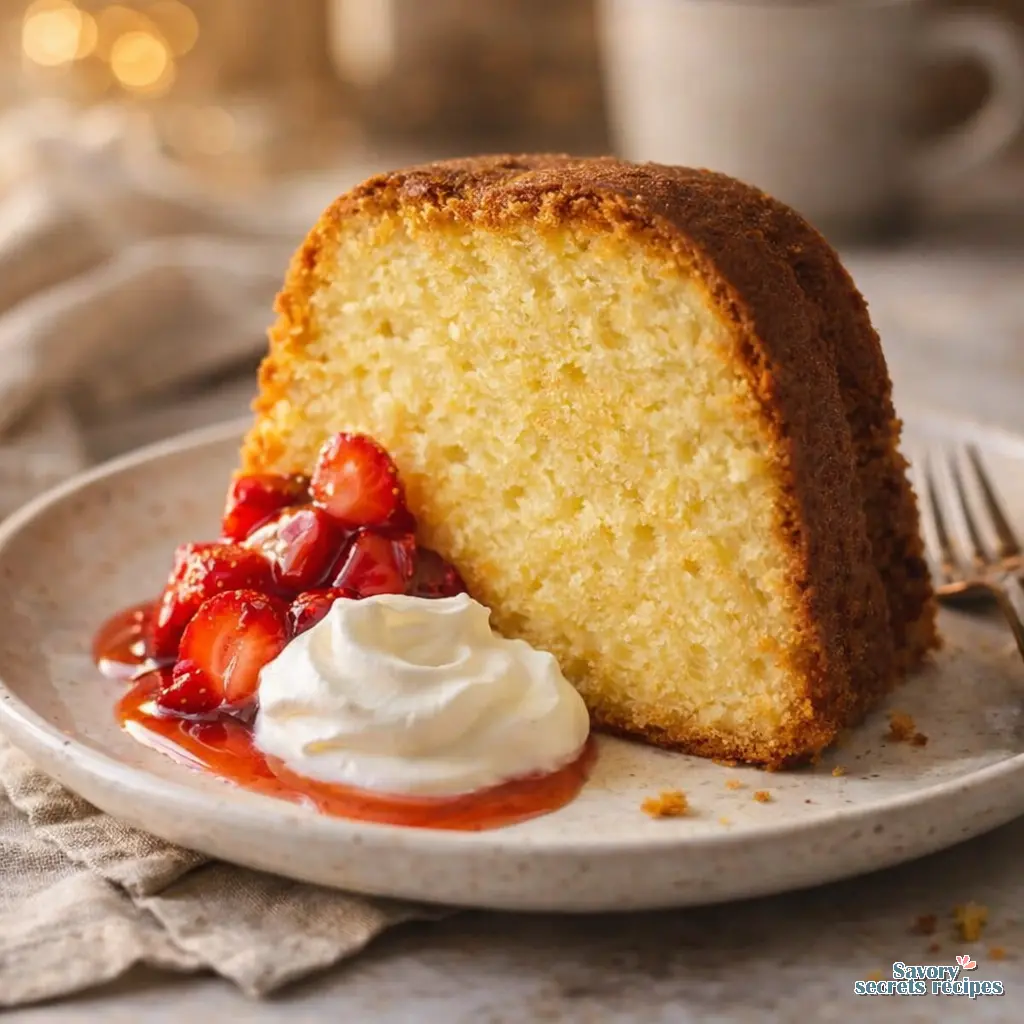
For serving, plain is always solid. But if you want to elevate things for a spring brunch, serve slices topped with macerated strawberries and heavy whipping cream. You can also grill slices in a skillet with a little butter until they get crispy edges. Honestly, a warm slice with a cup of strong coffee is peak breakfast.
Frequently Asked Questions
Your New Signature Bake
Baking a traditional southern pound cake recipe doesn’t have to be stressful. I know the creaming times and temperature rules seem strict, but once you understand the basics, it becomes second nature. My teta baked by feel, and eventually, you’ll know exactly what the batter should look and sound like too. It’s a reliable, comforting dessert that always gets compliments.
If you try this out for your next family gathering or Sunday brunch, let me know how it turns out. I love seeing how people adapt these classics in their own kitchens. For more inspiration, check out my Pinterest boards where I save all my favorite weekend baking projects. Grab your butter, let it soften up, and enjoy the process. You’ve got this.
Reference: Original Source
How do you make a traditional southern pound cake recipe from scratch?
You start by creaming room temperature butter and sugar for several minutes until fluffy. Then, add eggs one at a time, followed by alternating your dry ingredients and your liquid. Bake it slow in a greased bundt pan until golden brown. It’s all about patience.
Why is my southern pound cake heavy and how can I fix it?
A heavy cake usually means you didn’t cream the butter and sugar long enough, or your ingredients were too cold. The creaming process builds the air pockets needed for lift. Next time, make sure your butter and eggs are at true room temperature.
What is the best buttermilk for pound cake baking to ensure a moist texture?
Straight up, you need full-fat buttermilk. The fat content coats the flour proteins, preventing tough gluten formation, while the acidity tenderizes the crumb. If you can’t find full-fat buttermilk, whole milk mixed with a little sour cream works in a pinch.
How long can you store a classic pound cake before it goes dry?
Stored properly in an airtight container at room temperature, it stays moist for 3 to 4 days. Don’t put it in the fridge, as the cold dries out the crumb faster. For longer storage, wrap slices tightly in plastic and freeze them.
What is the secret to getting a perfectly buttery pound cake with a golden crust?
It comes down to using high-quality unsalted butter and baking at the right temperature. A slightly lower temp, around 325°F, allows the dense batter to bake evenly without burning the outside. Using a good baking spray like Baker’s Joy also helps the crust form beautifully.
Why did my traditional southern pound cake recipe overflow in the oven?
You likely used a pan that was too small, or you added too much leavening agent if you modified the recipe. Always use a 10 to 12-cup bundt pan or tube pan, and only fill it about three-quarters of the way to the top.
Can I add a glaze or frosting to this cake?
Absolutely. While it is perfect plain, a simple confectioners sugar and lemon juice glaze is a great addition, especially for spring. Just make sure the cake is completely cooled on a wire rack before you pour any glaze over it, or it will melt right off.