




Moist Lemon Cream Cheese Pound Cake Recipe
Ingredients
Method
- Preheat oven to 325°F (160°C) and thoroughly grease and flour a bundt or tube pan.
- Whisk flour, baking powder, and salt together in a medium bowl and set aside.
- Beat butter, cream cheese, and sugar in a large mixing bowl on medium speed for 3–4 minutes until light and fluffy.
- Add eggs one at a time, beating well after each addition, then mix in the lemon juice, lemon zest, and vanilla extract.
- Gradually incorporate the dry ingredients into the wet mixture, mixing until just combined without overworking the batter.
- Transfer batter to the prepared pan, smooth the surface, and bake for 75–85 minutes until a toothpick inserted in the center comes out clean.
- Cool the cake in the pan for 15 minutes before moving it to a wire rack to cool completely.
- Whisk powdered sugar, lemon juice, and lemon zest in a small bowl until smooth, then drizzle over the cooled cake.
- Serve plain or with fresh berries, and store in an airtight container at room temperature for up to 3 days or refrigerated for up to 5 days.
Nutrition
Notes
The Ultimate Spring Craving
There is a specific kind of panic that sets in when you need a bright, sunny dessert for a spring brunch, and everything you look at feels heavy or complicated. I’ve tested dozens of citrus cakes over the years. Most of them are either too dry, too dense, or taste like artificial floor cleaner. Let’s be clear about this. If you want that perfect Starbucks copycat loaf experience at home, this lemon cream cheese pound cake recipe is exactly the texture we want.
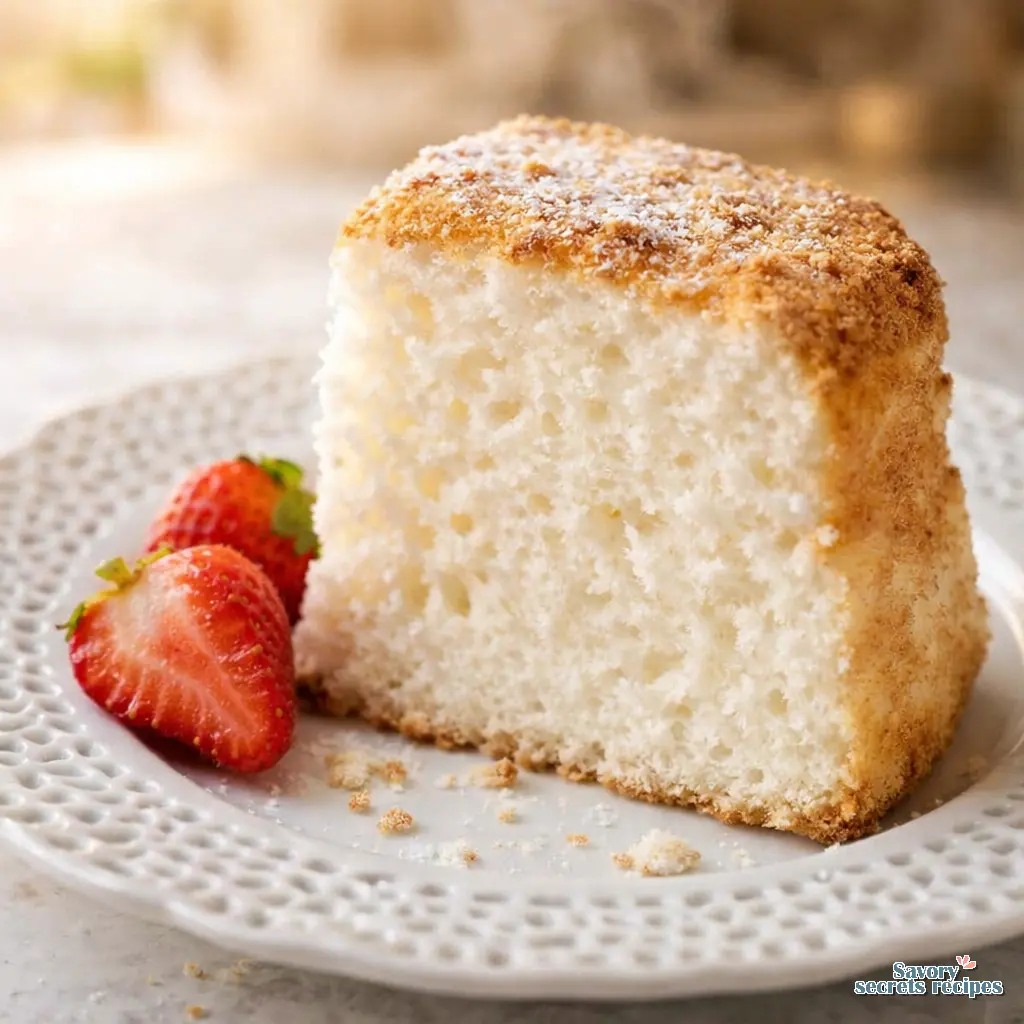
My grandmother Zoya taught me to bake in her Brighton Beach kitchen. She insisted on exact measurements and watched dough temperature like a hawk. I hated it then, but now I realize she was teaching me that baking isn’t magic. It is math you can eat. When Mother’s Day rolls around or you just need to brighten up a rainy spring afternoon, this is the recipe you need. It has a soft, melt-in-your-mouth texture and a bright yellow interior reveal that makes people stop talking and just eat.
The ‘Triple Lemon’ Flavor Secret
I see people complaining all the time that their lemon pound cake lacks punch. That’s not how this works. You can’t just pour in a quarter cup of juice and expect a miracle. We use a triple threat approach here to get more lemon flavor without ruining the batter’s delicate chemistry.
First, we do the sugar-zest rub. You’ll measure your granulated sugar into a bowl, add fresh Meyer lemon zest, and literally rub it together with your fingers. The smell of lemon oil in the air is intoxicating. The sugar crystals act like little razors, cutting into the zest and releasing those volatile oils. Second, we use fresh lemon juice. I’m not entirely convinced bottled juice works for anything outside of cleaning your kettle. The data suggests otherwise, but I’ll test it again someday. For now, use real lemons. Finally, we add just a touch of high-quality lemon extract. Fresh juice alone is too weak once it hits a 350°F oven. The extract provides that zesty, punchy flavor that lingers on your palate.
The Science of Cream Cheese in Baking
Why add cream cheese to a pound cake? Let’s talk about the science. Traditional pound cake is a literal pound of butter, sugar, eggs, and flour. It is delicious but it can be incredibly heavy. Cream cheese adds fat and density, but it also brings lactic acid to the party. That tang tenderizes the gluten strands in your all-purpose flour.
When you measure your flour, please use the fluff and spoon method or a kitchen scale. If you scoop directly from the bag, you’re packing in up to 20% more flour. That leads to a dry cake. Maya, my daughter, wanted to make cookies by herself last month and packed her flour. The dough was crumbly and sad. We made a chart together showing the difference between scooped and spooned flour. Baking is precise. The cream cheese ensures a moist crumb, but it can’t save you if you add an extra cup of packed flour.

The Role of Room Temperature Ingredients
Temperature matters here. I cannot stress this enough. If you try to make this lemon cream cheese pound cake recipe with cold butter or cold eggs, your batter will curdle. A curdled batter means a dense, greasy cake that doesn’t rise properly. You need room temperature butter, cream cheese, and eggs for a smooth emulsion.
If you forgot to take your eggs out of the fridge, don’t panic. Warm your eggs in a bowl of warm tap water for about ten minutes. It is a quick temperature fix that saves the whole process. Your butter should yield slightly when you press it, but it shouldn’t be greasy or melting. If your butter’s too warm, start over. I also highly recommend using name-brand sugar and butter. Generic brands often have higher water content, which throws off the moisture balance in delicate cakes like this.
Visual Troubleshooting: What Your Crumb Says About Mixing
I need you to show me your process. How fast are you running that stand mixer? Creaming butter and sugar should only happen on medium speed. If you crank it up to high because you’re in a hurry, you’re going to create aggressive, uneven air pockets. High speed causes air streaks, which look like dark, dense lines running through your baked cake.
Once you start adding the eggs, add them one at a time. Let each egg fully incorporate before adding the next. This prevents the batter from curdling. And here is the golden rule. Do not overbeat once the flour is added. Overmixing develops the gluten, making the cake tough, and it can actually cause the batter to overflow in the oven. Mix just until the white streaks of flour disappear. If it doesn’t look right, it isn’t right. Trust your eyes.
Bundt Pan Preparation Guide
There is nothing more heartbreaking than baking a beautiful cake and having half of it stick to the pan. We’re not guessing on this one. First, you need to prepare your pan properly. I prefer a baking spray that contains flour, but brushing the pan with melted butter and dusting with flour works too. Get into every single crevice.
Once your batter is in the pan, tap the filled pan firmly on the counter a few times to remove trapped air pockets. Place a baking sheet under the Bundt pan. It makes it so much easier to handle and rotate in the oven. Use an oven thermometer to ensure accurate baking temperature. Home ovens lie. Mine runs twenty degrees hot, and I once ruined twelve batches of cookies before I figured it out. Check your cake with a long skewer. You are looking for a few moist crumbs, not raw batter. If the top is browning too quickly, tent it loosely with foil during the last 15 to 20 minutes.
When it comes out, cool it in the pan for exactly 10 minutes. Not five. Not twenty. Exactly ten. Then run a paring knife gently around the center tube to help release the cake, and invert it onto a wire rack. See how much better that looks?
Common Mistakes & Fixes
Mistake: Using cold ingredients, resulting in a separated, curdled batter.
Solution: Patience is mandatory. Let butter, cream cheese, and eggs sit at room temperature for at least an hour. Warm eggs in warm water if you’re rushing.
Mistake: The cake falls apart when removing it from the pan.
Solution: You either didn’t grease the pan thoroughly, or you didn’t wait the mandatory 10 minutes. Let the structure set slightly before inverting.
Mistake: The cake is dry and crumbly.
Solution: Inaccurate flour measurement is the culprit. Always use a kitchen scale or the ‘fluff and spoon’ method. Never scoop directly with the measuring cup.
Loaf Pan Conversion Guide
I get asked constantly if you can make this in a loaf pan instead of a Bundt. That’s the correct instinct if you want that coffee shop vibe. Yes, you can. This recipe makes enough batter for two standard 9×5-inch loaf pans. The baking time will decrease to about 45 to 55 minutes, but you still need to test with a skewer.
If you want to create a lemon blueberry pound cake variation, this is the time to do it. Toss one and a half cups of fresh blueberries in a tablespoon of flour before gently folding them into the finished batter. The flour coating prevents the berries from sinking to the bottom of the pan. It is a brilliant spring dessert option. Just remember that adding fruit adds moisture, so your baking time might extend by five to ten minutes.

Storage, Freezing, and Thawing Instructions
A cake this good deserves proper storage. How do you properly store a moist lemon pound cake so it doesn’t dry out? If you are serving it within a day or two, keep it in an airtight container or a cake saver at room temperature. The glaze sets up beautifully and the crumb stays incredibly soft.
Does it need refrigeration? The cream cheese is baked, so it is food safe at room temperature for a couple of days. However, if you want it to last up to a week, wrap it tightly in plastic wrap and store it in the fridge. I prefer eating it at room temperature, so I’ll let a refrigerated slice sit out for thirty minutes before eating. For freezing, this cake is an absolute champion. Double wrap the unglazed cake in plastic wrap, then add a layer of aluminum foil. It stays fresh for up to three months. Thaw it in the fridge overnight or at room temperature for a few hours, then add your fresh lemon glaze right before serving.
Frequently Asked Questions
Ready to Bake?
There’s nothing quite like pulling a perfectly golden, citrus-scented cake out of the oven. The first drizzle of glaze as it drips down the sides is deeply satisfying. I know baking requires precision, and sometimes it feels intimidating, but once you master the temperature of your ingredients and the speed of your mixer, you’ve got this. Your family is going to beg for this lemon cream cheese pound cake recipe every single spring.
If you try this and love the texture, leave a comment and let me know how it turned out. Did you try the blueberry variation? I want to hear about it. For more inspiration, check out my Pinterest boards where I save all my favorite seasonal baking projects.
Reference: Original Source
What is the secret to making this lemon cream cheese pound cake recipe extra moist?
The secret is the combination of full-fat cream cheese and accurate flour measurement. Cream cheese adds dense fat and tenderizing lactic acid. Measuring your flour with a scale ensures you don’t over-pack the cup, which guarantees a velvety, melt-in-your-mouth crumb.
How to get more lemon flavor in pound cake without affecting the batter’s texture?
You must rub fresh lemon zest directly into your granulated sugar before mixing. This releases essential oils. Combine that with fresh Meyer lemon juice and a high-quality lemon extract. Adding too much liquid juice will ruin the batter, so extract is your best friend here.
Can I add fresh fruit to this base to create a lemon blueberry pound cake?
Absolutely. You can fold in one and a half cups of fresh blueberries. Just make sure to toss them in a tablespoon of flour first so they don’t sink. You might need to add 5 to 10 minutes to your total baking time.
What is the best lemon glaze for pound cake to give it a professional finish?
The best glaze uses powdered sugar, fresh lemon juice, a splash of heavy cream or milk, and a tiny pinch of salt. The fat in the milk makes the glaze opaque and glossy, giving you that beautiful, thick drip down the sides of the cake.
Can I use a 10-cup Bundt pan for this lemon cream cheese pound cake recipe?
I strongly advise against it. This recipe is designed for a standard 12-cup Bundt pan. If you use a 10-cup pan, the batter will likely overflow during baking, burning on your oven floor and ruining the cake’s structure. Stick to the 12-cup size.
Why does my cake have dark streaks inside?
Dark streaks usually mean you beat the butter and sugar on too high of a speed, trapping large, uneven air pockets. Always cream your ingredients on medium speed. It can also happen if your ingredients weren’t fully at room temperature before mixing.
Can I use bottled lemon juice instead of fresh?
I really prefer you don’t. Bottled lemon juice oxidizes and loses its bright, floral notes, leaving behind a flat, sometimes metallic sourness. For a recipe where citrus is the star, taking the extra two minutes to squeeze fresh lemons is entirely worth it.