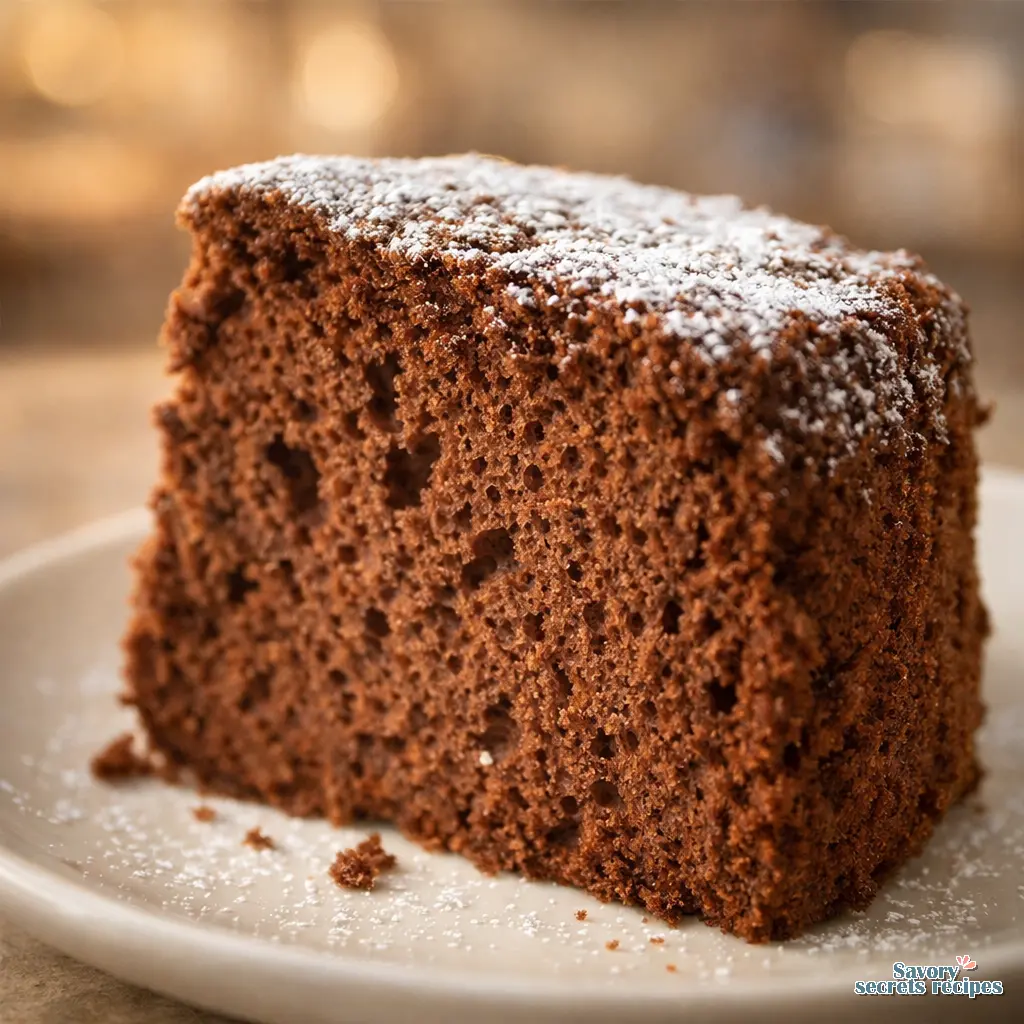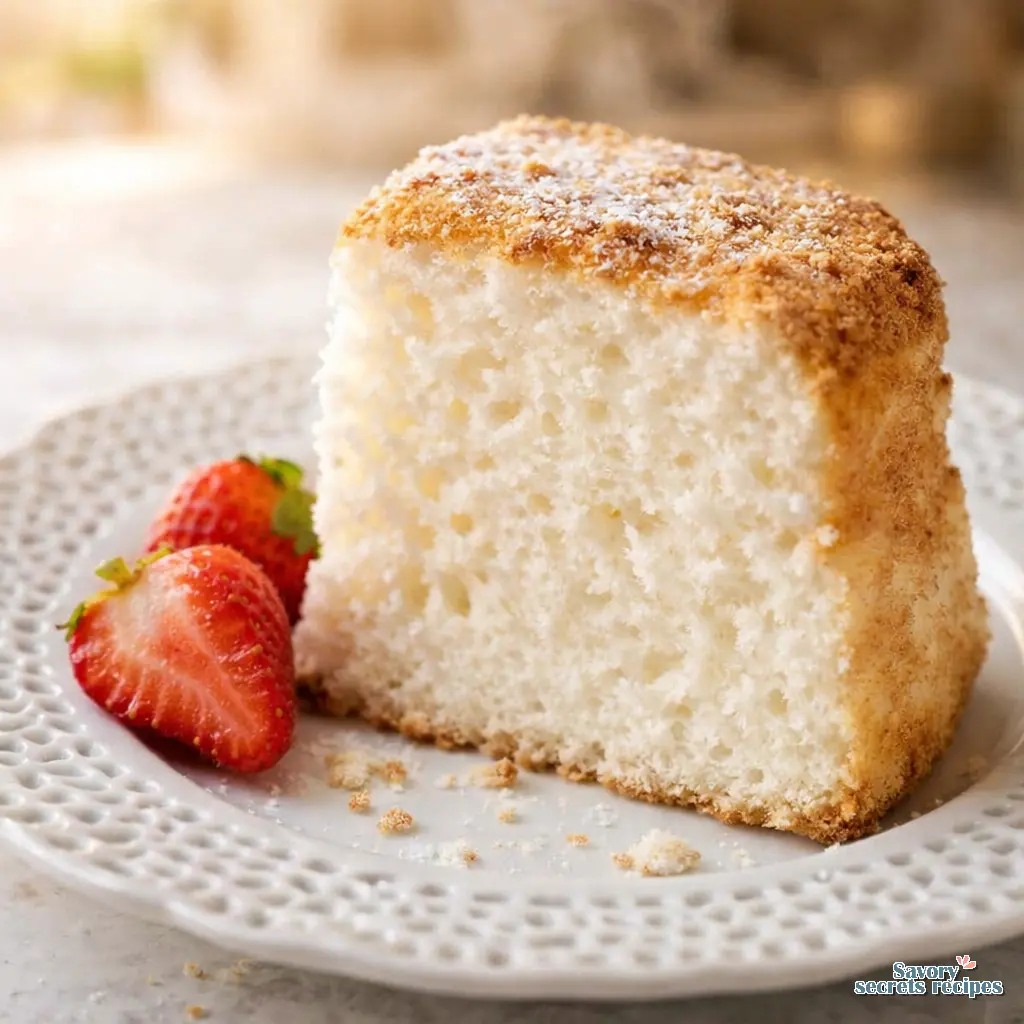




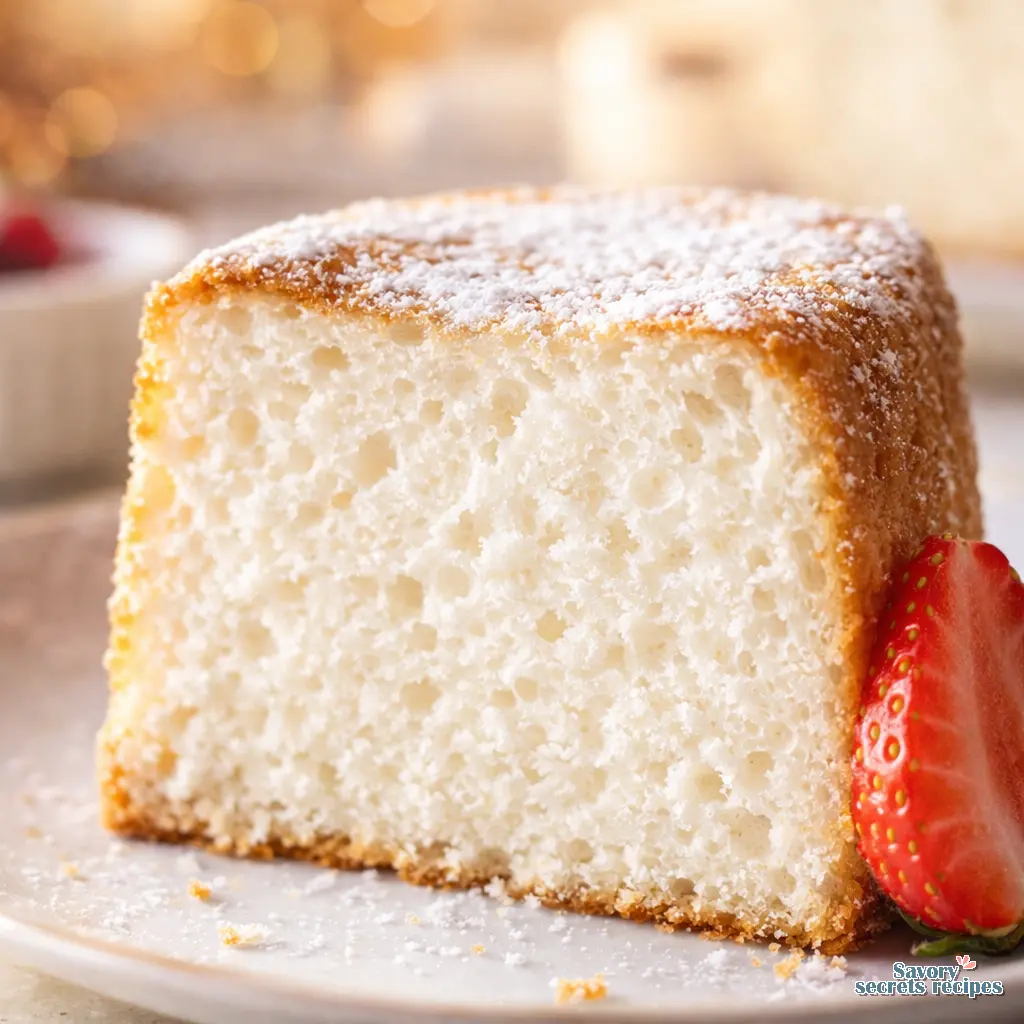
Airy Vegan Aquafaba Angel Food Cake Recipe
Ingredients
Method
- Preheat the oven to 350°F. Combine the oat milk and vinegar in a small container and set aside.
- Whisk together the flour, cornstarch, baking powder, baking soda, and salt in a bowl, then set aside.
- Combine the softened vegan butter, sugar, oil, and vanilla in a separate bowl and beat with an electric mixer until the mixture is light, creamy, and fluffy.
- Gradually incorporate the dry ingredients into the butter mixture, alternating with the milk mixture in two to three additions, mixing well until the batter is light and smooth.
- Pour the batter into an ungreased angel food cake pan and bake for 35 to 45 minutes until the cake springs back when lightly pressed or a toothpick comes out clean.
- Cool the cake in the pan for one hour, then transfer it to a wire rack. Top with vegan whipped cream and mixed berries once completely cooled.
Nutrition
Notes
The Impossible Vegan Angel Food Cake Recipe
I learned about aquafaba from a reader comment, not from culinary school. I was highly skeptical about bean water replacing eggs until I tested it in meringues and had to sit down. Sometimes the internet teaches you things that seem completely impossible but work anyway. I mean, a vegan angel food cake recipe sounds like a contradiction in terms. The traditional version relies entirely on a mountain of whipped egg whites for its signature height and cloud-like texture.
Let me walk you through this. You might be wondering if your dessert is going to taste like a bowl of hummus. I promise you it won’t. I’ve made this for spring brunches here in Los Angeles, right around March when the weather hits that perfect 70 degrees and we’re all craving lighter desserts with fresh farmers market strawberries. The baking process transforms that chickpea scent entirely into the sweet, comforting aroma of toasted sugar and vanilla extract. It’s actually quite forgiving once you understand the science behind it.
Why This Recipe Actually Works
I genuinely love the problem-solving part of this work, figuring out why something failed and how to fix it. My first few attempts at an eggless angel food cake were dense, rubbery discs. Priya, my five-year-old, helps me test the kid-friendly versions, which means I’ve got a very honest critic telling me when something tastes weird. She took one bite of attempt number three and asked if it was bread. Back to the drawing board.
The breakthrough happened when I stopped treating aquafaba exactly like egg whites and started respecting its unique chemistry. Aquafaba, or chickpea brine, is liquid gold for plant based baking. However, it lacks the concentrated protein structure of egg whites. To fix this, we have to reduce the bean water on the stove first. Simmering it down evaporates the excess water and concentrates those crucial plant proteins. This creates a stable foam that won’t immediately collapse when you fold in your dry ingredients.
The Science of Vegan Meringue
If you’ve ever wondered how to make angel food cake without eggs, the secret lies in the stabilizers. You absolutely cannot skip the cream of tartar. I know it’s one of those annoying pantry ingredients you buy once a year, but it provides the acidic environment necessary to strengthen the aquafaba bubbles. Without it, your vegan meringue will deflate the second it touches the flour.
You’ll also need superfine sugar. Regular granulated sugar is too heavy and will weigh down your delicate foam, while powdered sugar contains cornstarch which alters the chemistry. If you can’t find superfine sugar at Ralphs or your local grocery store, just pulse regular granulated sugar in a food processor for about thirty seconds. This is the part that matters most for a stable foam.
Essential Equipment and The Pan Debate
Here is what I’ve found works for the pan. You need a 7-inch angel food cake pan for better height. A standard tube pan allows the batter to cling to the center and outer walls as it rises. Now, there is a massive debate in the vegan baking world about greasing the pan. Traditional egg-white cakes require a completely ungreased pan so the batter can literally climb the walls.
For an aquafaba angel food cake, the rules change slightly. Because aquafaba lacks the fat and protein grip of eggs, it can stick stubbornly to the pan, destroying your cake when you try to remove it. In my testing, greasing the pan for aquafaba versions helps prevent sticking. However, if you’re making a flour-heavy variation, do NOT grease the pan to allow rising. It’s a delicate balance. I prefer recipes that give you decision points rather than rigid instructions, so if you’re using my exact measurements below, a very light greasing of the bottom only is your best bet.
Also, a stand mixer is non-negotiable here. A hand mixer will take upwards of twenty minutes to whip aquafaba to stiff peaks, and your arm will fall off. Let the machine do the heavy lifting.
The Glossy Stage and Proper Folding Technique
You will know it is ready when the aquafaba reaches the glossy stage. The texture you are looking for is pure white, incredibly shiny, and stiff enough that you could hold the bowl upside down over your head without anything falling out. (I don’t actually recommend doing this, but you get the idea).
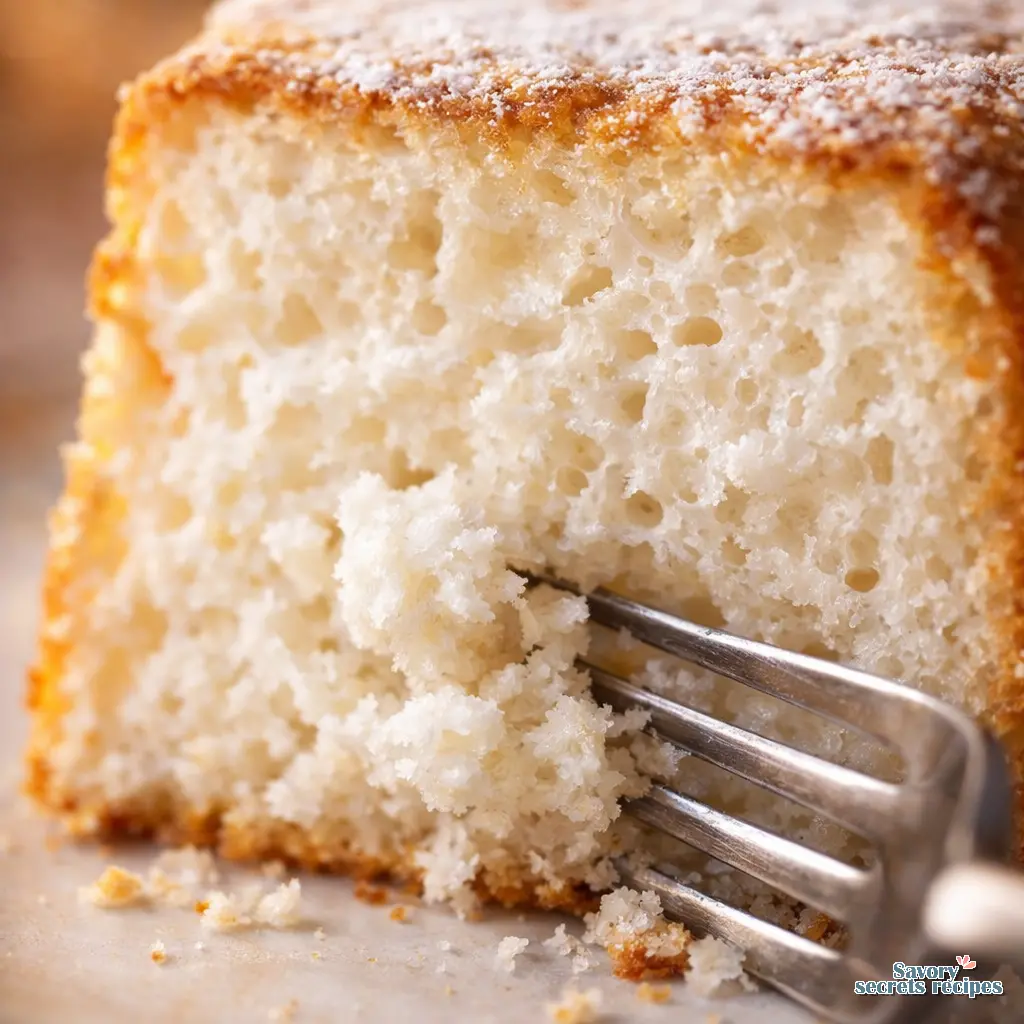
Once you hit stiff peaks, it’s time for the folding technique. This is where most vegan sponge cake airy dreams go to die. Sift the flour for a soft, consistent texture. Sift it twice if you have the patience. You want to use a “J” formation stir with a large rubber spatula. Cut down the middle of the batter, scrape along the bottom, and fold the mixture over itself. Avoid overmixing at all costs. If it looks a little rustic or you see tiny specks of flour, stop mixing. Overworking the batter will deflate your precious air bubbles.
Common Mistakes & Troubleshooting
❌ Mistake: Cooling the cake upside down.
✅ Solution: Traditional recipes tell you to invert the pan over a bottle. Do NOT cool upside down as this vegan version is too fragile and will fall out. Allow the cake to cool fully in the pan, sitting upright on a wire rack.
❌ Mistake: Slicing the cake and squishing it flat.
✅ Solution: Use a serrated knife for slicing to avoid squishing the delicate crumb. Use a gentle sawing motion rather than pressing down.
❌ Mistake: Doubling the recipe for a taller cake.
✅ Solution: Doubling the recipe in one pan leads to a collapsed center because the aquafaba can’t support the weight. If a taller height is desired rather than doubling the recipe, bake two separate cakes and stack them.
❌ Mistake: Using the wrong butter for variations.
✅ Solution: If you are testing a butter-method variation of this cake, always use soft vegan butter sticks, not tub butter. Tub butter has too much water content.
❌ Mistake: Tasting the raw batter.
✅ Solution: Do not taste the raw batter if you are using garbanzo or chickpea flour in your gluten-free mix. Raw chickpea flour tastes incredibly bitter and will ruin your appetite.
Baking Low and Slow
Low and slow baking is the secret to a vegan angel food cake recipe that doesn’t collapse. We bake this at 325°F (about 165°C). The lower temperature gives the aquafaba time to set its structure before the exterior burns. Worth noting, you absolutely cannot open the oven door for the first thirty minutes. A sudden draft of cold air will shock the cake and cause it to sink.
You’ll smell the transformation happening. It starts off smelling faintly earthy, but by the thirty-minute mark, your kitchen will smell like a French bakery. Test it at the forty-five-minute mark. It should be golden brown on top and spring back gently when lightly touched.
Flavor Variations and Altitude Tweaks
I like substitutions that you can find at a regular grocery store, not just specialty shops. If you want to change up the flavor profile, a teaspoon of almond extract completely masks any lingering bean water notes and gives it a classic wedding cake flavor. You can also fold in lemon zest for a bright, citrusy spring dessert.
For my gluten-free readers, you can make a gluten-free version using King Arthur Measure-for-Measure or a high-protein flour blend. You need that protein structure to support the rise.
If you live at a high elevation, altitude adjustments are necessary. I’ve found this works, but check your specific brand of flour: reduce the baking powder slightly and increase your oven temperature by 15 degrees to help the structure set faster before the air bubbles over-expand and pop.
Storage and Serving Suggestions
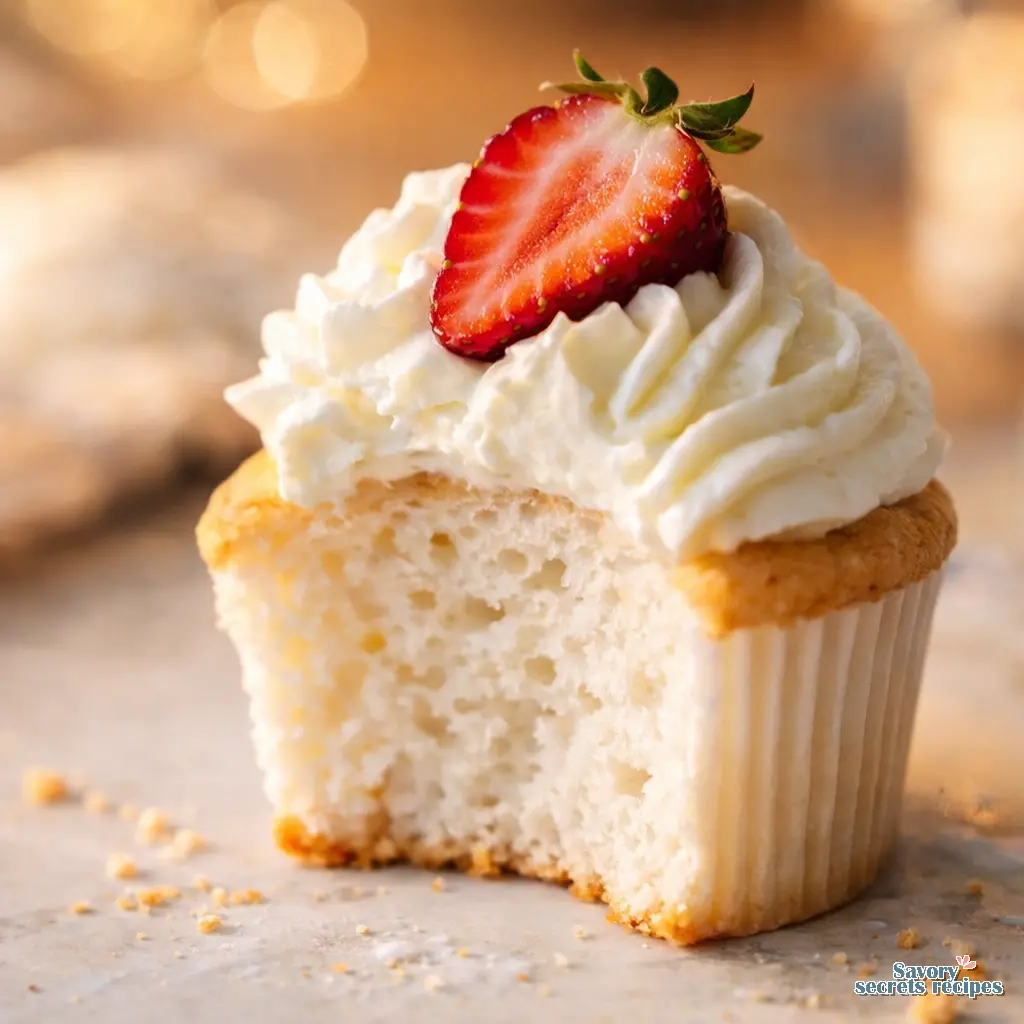
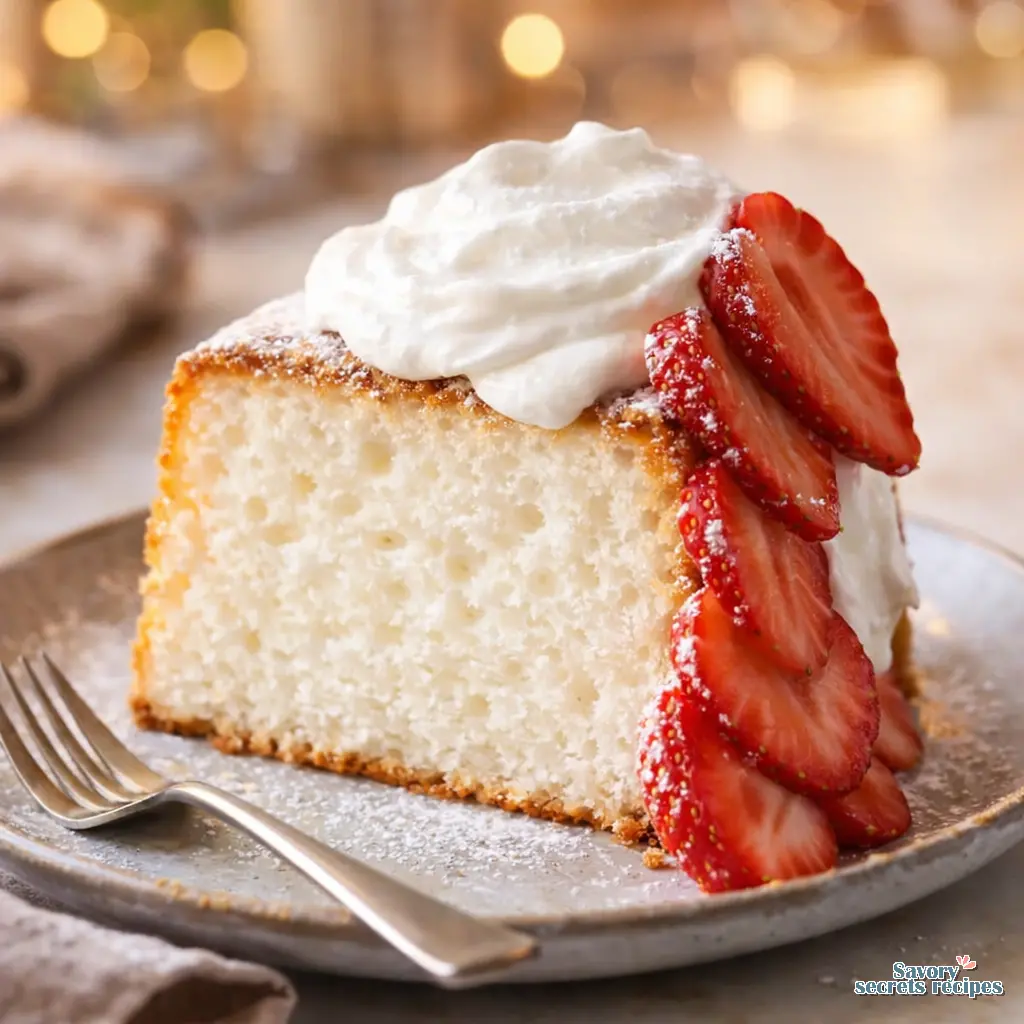
This is your checkpoint for serving. Add toppings immediately before serving to prevent sogginess. A dairy free cake like this absorbs moisture incredibly fast. I love serving it with a generous dollop of vegan whipped cream and a handful of mixed berries (strawberries and blueberries are perfect right now in LA).
To store it, keep it in an airtight container on the counter if you plan to eat it plain within two days. If you need it to last longer, keep it in the fridge wrapped tightly in plastic wrap or foil. It will stay fresh for about four days. It doesn’t reheat well, so just let it come to room temperature on the counter before serving.
Frequently Asked Questions
A Plant-Based Masterpiece
I was so happy with how this turned out after all those failed tests. There is something deeply satisfying about a substitution that actually works on the first try for most people, not just in my kitchen. When you pull this out of the oven and see that impressive height, you’ll feel like a vegan baking wizard.
Serve it plain, or go all out with coconut whipped cream and fresh pineapple chunks. If you tackle this vegan angel food cake recipe this weekend, please let me know how it goes. I love seeing your successes. For more inspiration, check out my Pinterest boards where I save all my favorite allergy-friendly baking wins.
Reference: Original Source
What are stiff peaks?
Stiff peaks mean your whipped aquafaba stands straight up without the tips falling over when you lift the whisk. The mixture should look glossy and thick. This is crucial for a successful vegan angel food cake recipe, as it provides all the structural support.
Do I need to use a stand mixer?
Yes, I highly recommend it. Whipping bean water takes significantly longer than egg whites, usually around 10 to 15 minutes. A hand mixer will work in a pinch, but your arm will get incredibly tired, and it’s harder to achieve the necessary stability.
What is aquafaba?
Aquafaba is simply the liquid leftover from cooked chickpeas or the brine straight from a can of garbanzo beans. It acts as an incredible egg free binder and whipping agent in plant based baking because its proteins and starches mimic egg whites.
Why add chickpea flour?
Some gluten-free variations of this vegan sponge cake airy recipe use a small amount of chickpea flour to add necessary protein structure back into the batter. It helps the cake hold its shape and prevents it from collapsing after it comes out of the oven.
Why add cream of tartar?
Cream of tartar is an acidic stabilizer. Aquafaba lacks the strong protein bonds of egg whites, so adding an acid helps strengthen the bubbles you create while whipping. Without it, your vegan meringue will deflate almost immediately when you add the dry ingredients.
Can I use a bundt pan?
I don’t recommend it for a traditional rise. The heavy ridges of a bundt pan make it difficult for this delicate batter to climb. If you must use one, you’ll need to grease it heavily, which alters how the vegan angel food cake recipe bakes.
How long does it last?
Stored properly in an airtight container at room temperature, it lasts about two days. If you wrap it tightly in plastic wrap and keep it in the fridge, it will stay fresh for up to four days without drying out completely.
Does it freeze?
Yes, it freezes surprisingly well. Wrap individual slices tightly in plastic wrap, then place them in heavy-duty freezer bags. They will keep for up to three months. Thaw slices at room temperature on the counter before serving.
Why is it called angel food cake?
It gets its name from its incredibly light, airy texture and pure white interior, which was historically said to be the “food of the angels.” The traditional recipe uses no yolks or butter, resulting in a cloud-like dessert that feels practically weightless.
Why is it hard to make a vegan version?
The classic recipe relies entirely on the unique protein structure of egg whites to trap air and build height. Replicating that exact lift with plant based ingredients requires reducing aquafaba and balancing stabilizers perfectly, which is why a good vegan angel food cake recipe is so special.