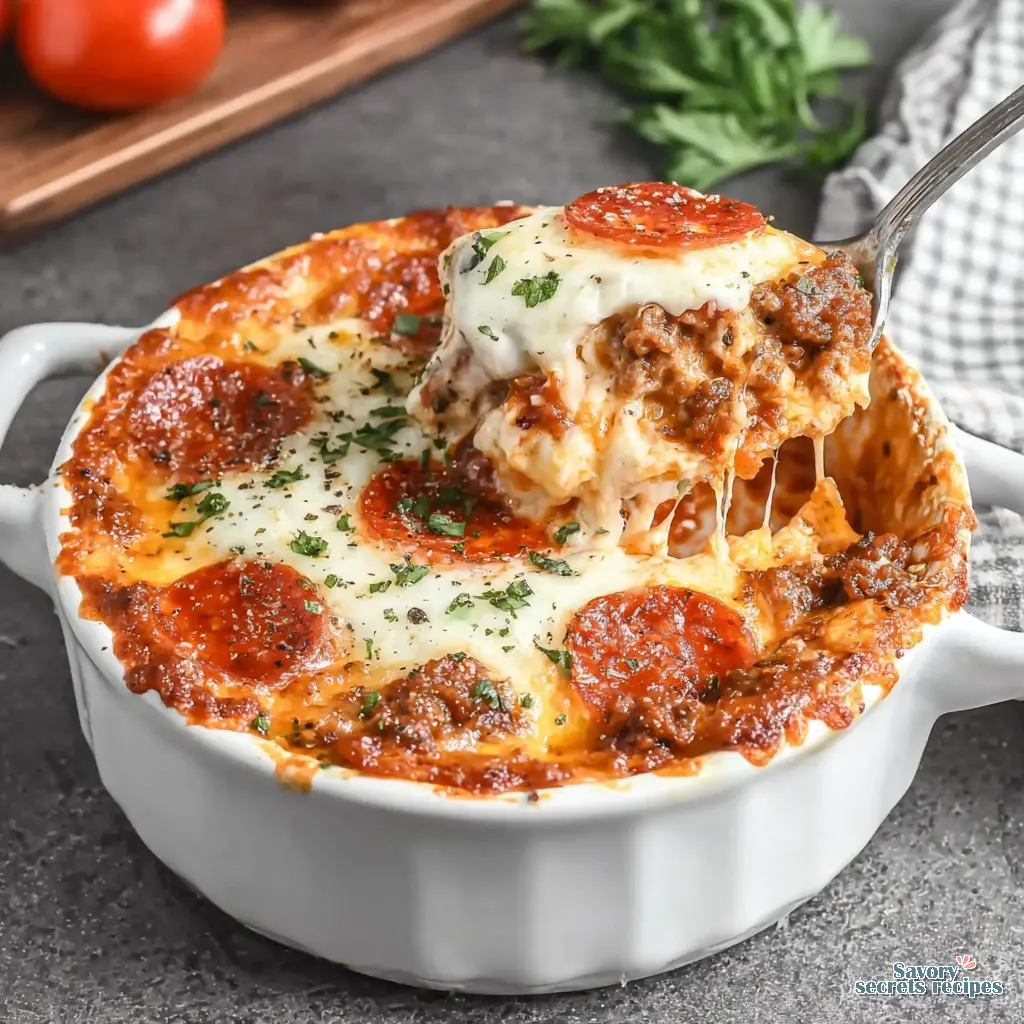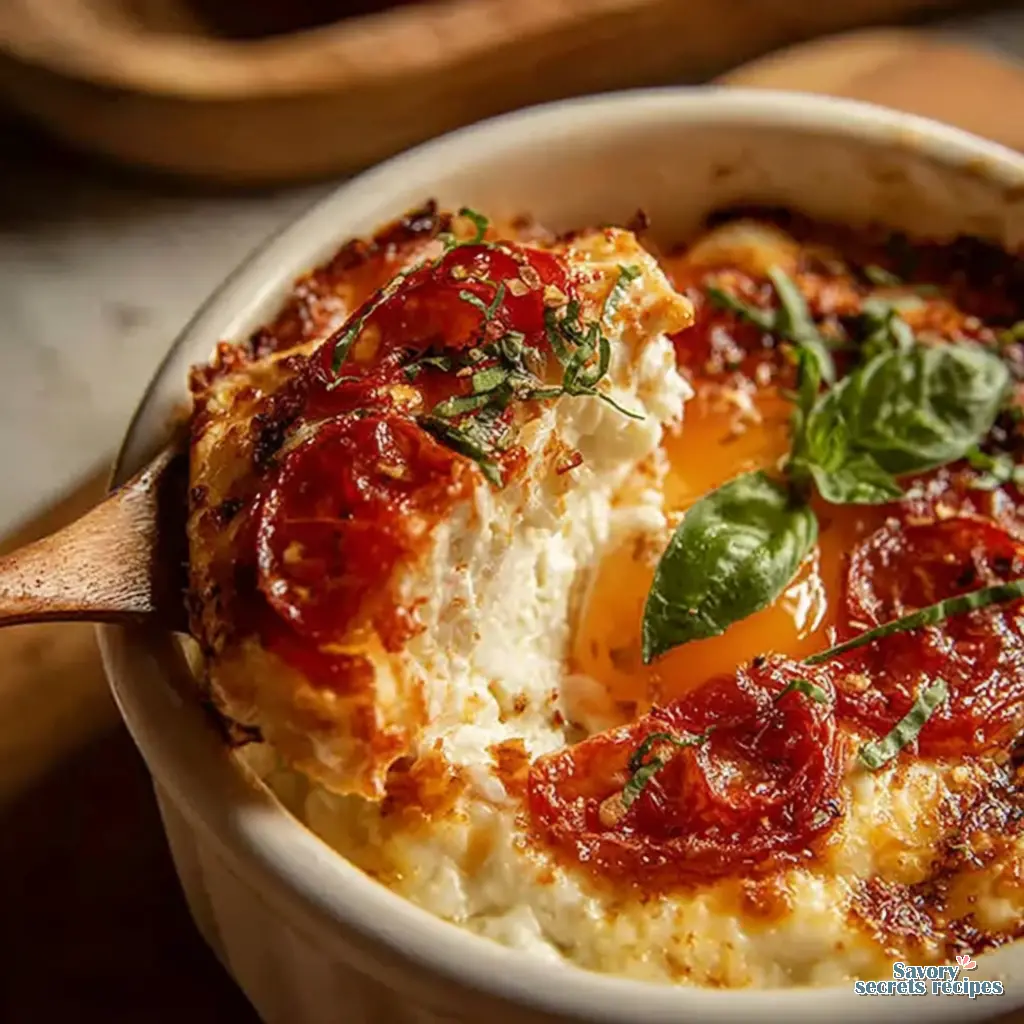





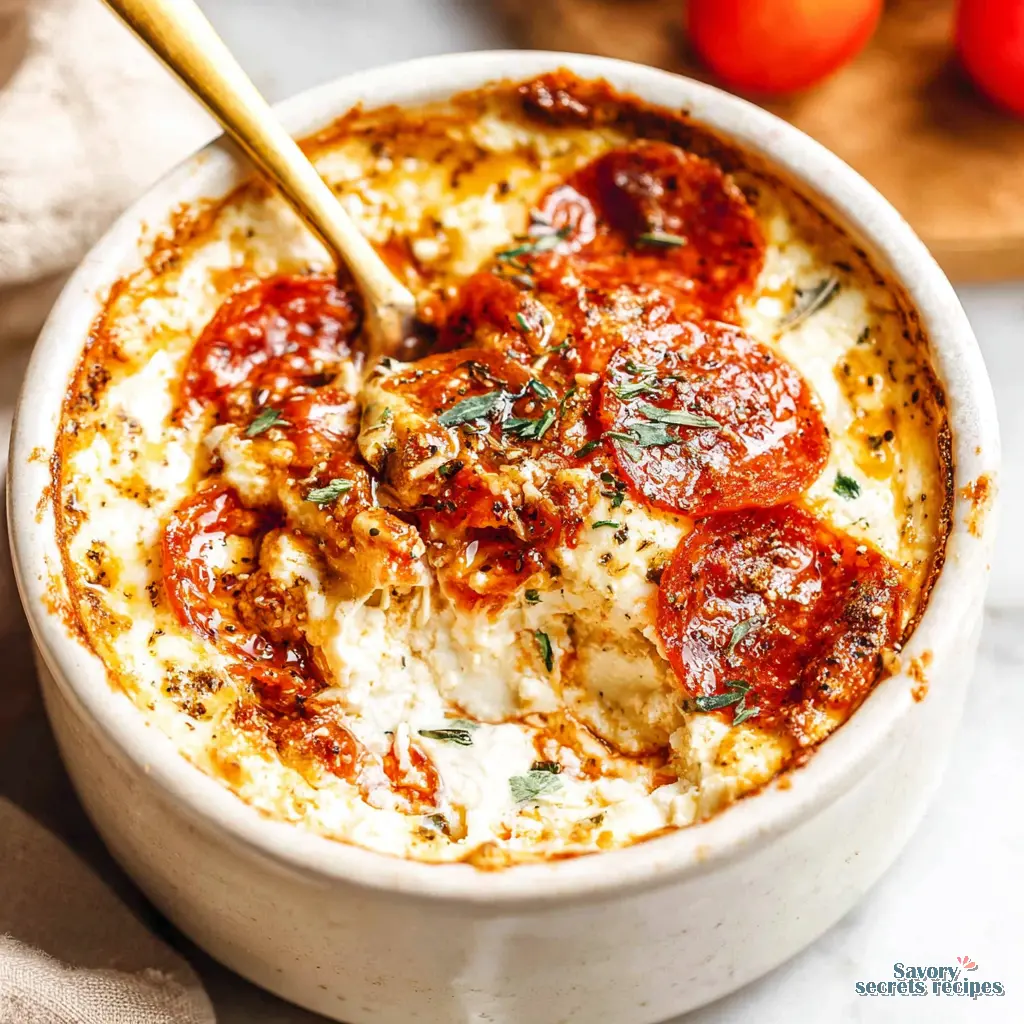
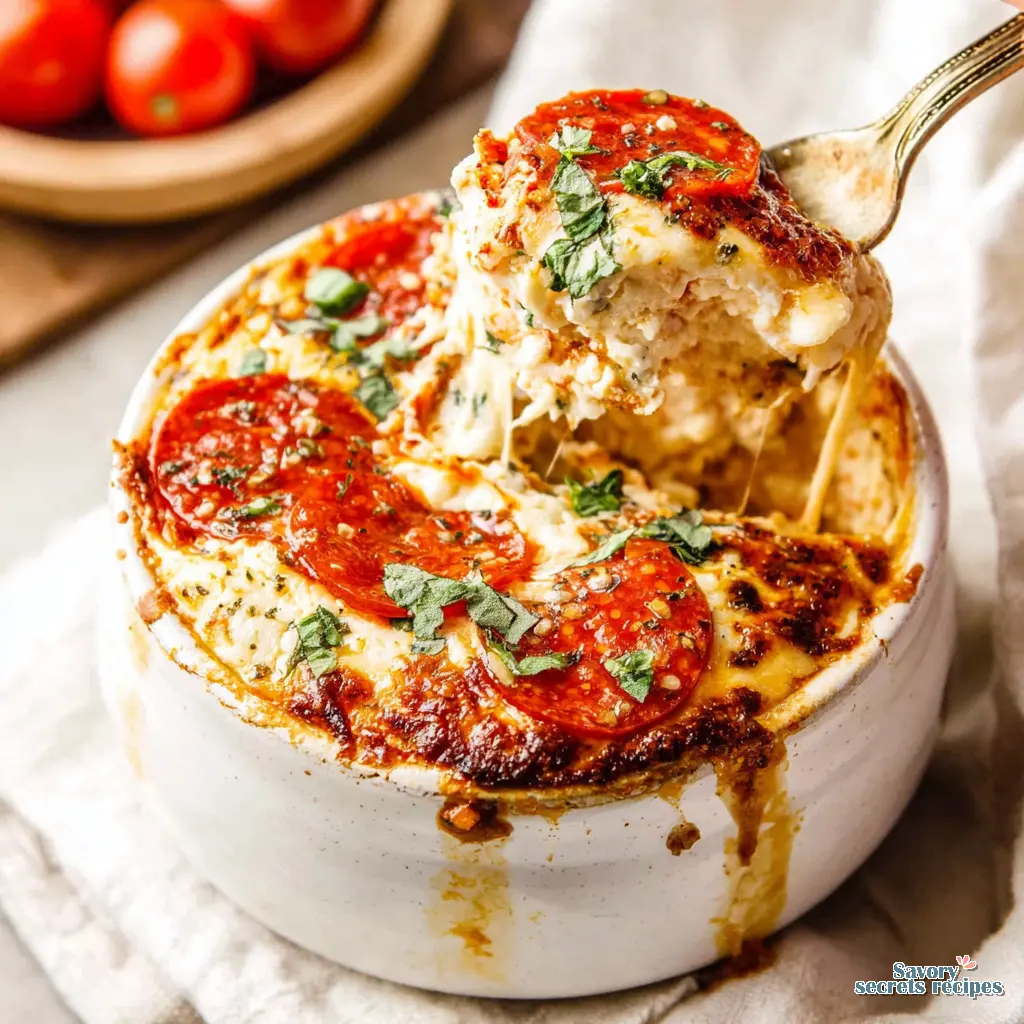
High Protein Soft Food Pizza Bowl
Ingredients
Method
- Drain excess liquid from the cottage cheese using a fine mesh sieve if necessary. Blend briefly in a high-speed blender or food processor if a smoother texture is preferred.
- Preheat the air fryer to 350°F or a conventional oven to 400°F.
- Divide the cottage cheese evenly between two ramekins. Add ¼ teaspoon garlic powder, ¼ teaspoon Italian seasoning, and a pinch of black pepper to each, then stir to combine.
- Distribute the marinara sauce evenly between the ramekins. Top each with cheese, reserving a small amount to sprinkle over the pepperoni, then add the desired amount of pepperoni.
- For air frying, loosely tent the ramekins with foil for the first two minutes, then remove the foil and continue cooking for a total of 8-10 minutes until hot and bubbly. Serve immediately.
- For a conventional oven, place the ramekins on a baking sheet and bake for 16-20 minutes until hot and bubbly. Serve immediately.
- For the microwave, cook for 1 minute and 30 seconds, then continue in 20-second increments if needed until hot and bubbly. Serve immediately.
Nutrition
Notes
- I do not recommend that you meal prep the bowls and hold them cold for longer than a couple hours. The cottage cheese and sauce will cause the cheese to become soggy. You can have all of your ingredients prepped and held cold separately, then quickly layer them together just before cooking.
- For extra protein you can add an egg. Place a lightly beaten egg and the cottage cheese for BOTH ramekins in a small bowl with all of the seasoning, whisk to combine, then divide between the two ramekins. Cook according to directions, making sure the center reaches a minimum of 160℉.
- You can add up to ¼ cup total of other mix-ins. Exceeding ¼ cup will extend the cook time and you will need a larger ramekin. I like to mix in some fresh spinach or mushrooms, diced or shredded chicken for more protein. You can also top the pizza bowls with fresh diced tomato and a drizzle of pesto for a fun spin!
- If you don’t have ramekins or cocottes, you can use any oven safe bowl or small baking dish that you have.
- If you make your cottage cheese bowls in the microwave, make sure you use microwave safe, non reactive dishes. I do not recommend using plastic.
Why This Bariatric Cottage Cheese Pizza Bowl Works
I remember my avó’s kitchen in Somerville always smelled like olive oil and garlic. She’d start her sofrito at 4 PM for dinner at 6, and the whole triple-decker would smell like home. That specific scent meant someone was taking care of you through food. If you’re navigating the liquid diet transition after bariatric surgery, you probably miss that exact feeling.
Food anxiety post-surgery is incredibly real. You want something comforting, highly digestible, and rich in protein, but you’re terrified of upsetting your new stomach. Let me think about that for a second. You need a safe treat that feels like a normal meal. That’s exactly where a bariatric cottage cheese pizza bowl comes in.
This TikTok viral trend actually translates perfectly to a recovery diet. It delivers the nostalgic, gooey comfort of pizza without the heavy, carb-dense crust that can cause dumping syndrome. Plus, the protein density is fantastic for healing. You’ll get your pizza fix while effortlessly hitting your daily macro goals.
Navigating the Bariatric Soft Food Stage
Many patients ask me, is cottage cheese pizza bowl okay for bariatric stage 3? The short answer is yes, absolutely. During the soft food stage, your pouch needs foods that mash easily with a fork. Cottage cheese is practically tailor-made for this phase of your vsg or rny journey.
Here’s the thing, though. The portion size for bariatric pizza bowl meals is much smaller than the viral videos show. You’ll want to stick to a strict 1/2 cup portion. This pouch-friendly amount prevents over-filling while still providing a massive protein punch. Your stomach is still healing, so respect its limits.
Chewing is your best friend right now. Even though this high protein soft food pizza bowl is soft, you still need to chew every single bite 20 to 30 times. Taking tiny bites and eating slowly ensures the food breaks down completely. I know it sounds tedious, but patience is evidence-based.
The Science of Cottage Cheese Water Release
I’ve seen plenty of people complain about watery, soupy pizza bowls. Let’s talk about why that happens. Cottage cheese is packed with moisture. When you heat it, the curds tighten and squeeze out that trapped water. If you aren’t careful, your delicious marinara turns into a pink puddle.
To prevent this, you have to choose a low-moisture cottage cheese brand. Good Culture is my absolute favorite for this. It has a much tighter, drier curd structure than cheaper brands. If your grocery store in Los Angeles is out of Good Culture, just look for any brand labeled “thick and creamy” or small curd full-fat.
If you’re using a wetter brand, you can actually drain it briefly in a fine mesh sieve before assembling. This isn’t being fussy. It’s the difference between a satisfying meal and a frustrating, soggy mess. Taste as you go, your palate is data, but texture is just as important.
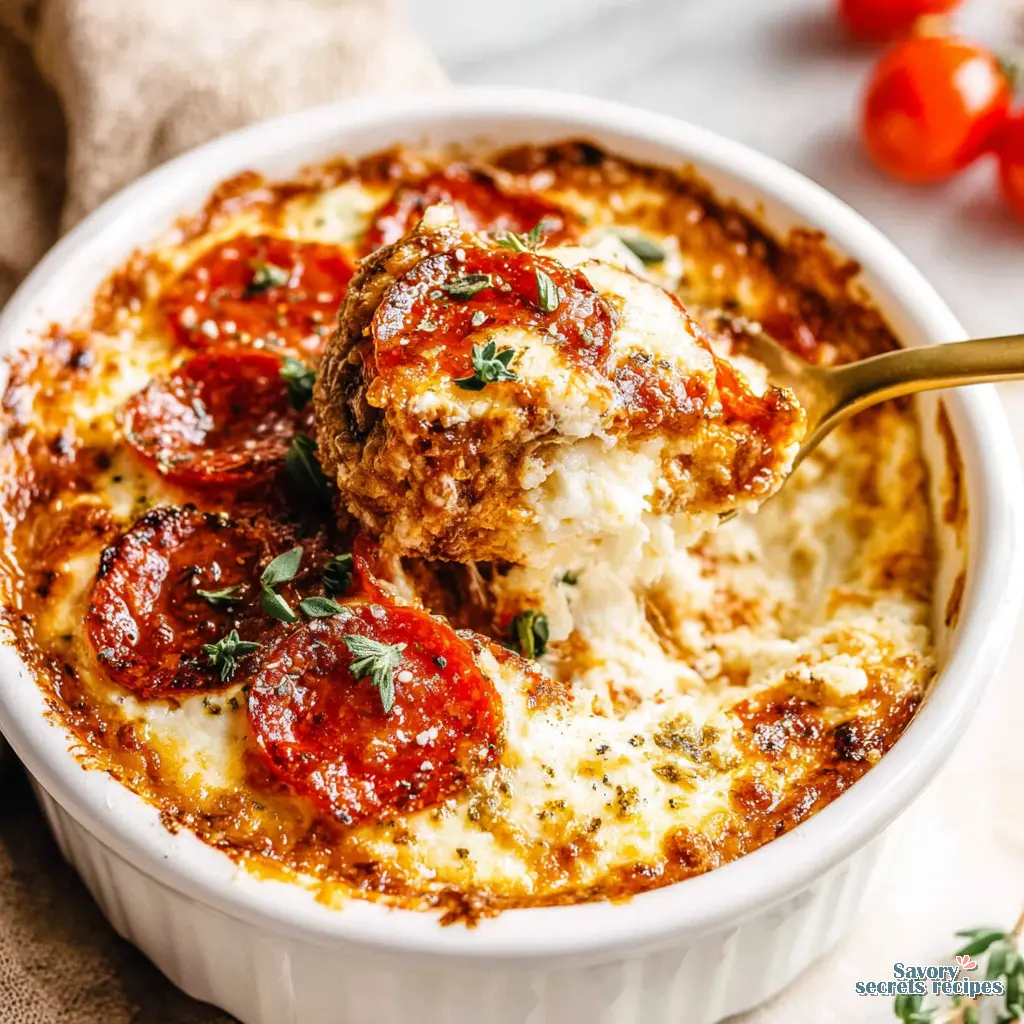
Key Ingredients You’ll Need
A recipe is a hypothesis until you’ve tested it three times. I’ve tested this base dozens of times to get the macros right for bariatric patients. You’ll start with small curd cottage cheese. If you have texture aversions, just blend it in a food processor until it’s silky smooth. If you prefer a smoother consistency, making a blended cottage cheese pizza bowl is a great option for the early stages of recovery.
Next, you need a low sugar marinara or pizza sauce. Bariatric surgery makes you sensitive to hidden sugars, so always check the label. Rao’s Homemade is a fantastic, reliable option you can grab at Ralphs or Whole Foods. A little goes a long way for flavor.
For the toppings, we’re using freshly grated part-skim mozzarella and turkey pepperoni. Please skip the pre-shredded cheese in bags. They coat it in anti-caking agents that ruin the melt. Grating your own takes thirty seconds and completely transforms the dish.
How to Make a Cottage Cheese Pizza Bowl (Technique Guide)
You have a few options for cooking this, and I want to walk you through the tradeoffs. The microwave is the fastest method. You’ll just heat it for 1 to 2 minutes until the cheese is bubbly. Microwave times vary wildly, so keep an eye on it to prevent explosions.
If you have a little more time, the oven method is vastly superior. Baking it in an oven-safe ramekin at 350°F for about 20 minutes gives you those incredible caramelized, crispy cheese edges. That tracks with what I’ve seen in my own kitchen testing. It feels much more like a real pizza.
For meal prep enthusiasts, making a cottage cheese pizza bowl in muffin tin portions is brilliant. You can bake a whole batch of perfectly sized bariatric portions at once. They pop right out and store beautifully for the workweek.
Expert Tips for the Best Bariatric Pizza Bowl
I keep coming back to this one tip: always pre-cook your vegetables. If you’re adding mushrooms or bell peppers, sauté them first. The microwave time is way too short to soften raw vegetables, and crunchy veggies can irritate a healing bariatric stomach.
If you want to boost the nutritional profile, add about 1/4 cup of minced bell peppers and onions to the cottage cheese base. It adds incredible savory depth. You can also substitute pizza sauce with marinara interchangeably, depending on what’s already open in your fridge.
When you’re doing meal prep, you can prep the ingredients ahead of time and store them for up to one day before baking. Don’t assemble them further in advance than that. If you let it sit for three days in the fridge, the liquid separation will ruin the texture.
Common Mistakes & Fixes
❌ Mistake: Using watery, low-quality cottage cheese brands.
✅ Solution: This usually happens if you buy non-fat or store-brand tubs with high whey content. Switch to a low-moisture brand like Good Culture, or strain your curds before assembling.
❌ Mistake: Adding raw vegetables to a microwaved bowl.
✅ Solution: You likely ended up with crunchy, indigestible bits. Trust the process here; always pre-cook or sauté your veggies so they are soft enough for a bariatric diet.
❌ Mistake: Meal prepping too many days in advance.
✅ Solution: The bowl became a watery soup because the salt drew moisture out of the cheese over time. Only assemble your bowls one day in advance, or store the sauce and cheese separately.
High Protein Soft Food Pizza Bowl Variations
Palate fatigue is a real struggle during the soft food stage. You’ll get bored of the exact same flavor profile. Luckily, this bariatric cottage cheese pizza bowl is incredibly versatile. You can easily pivot to a Mexican-style bowl by swapping the marinara for salsa, adding black beans, and using shredded cheddar.
For a Greek-style variation, use olive tapenade, feta cheese, and soft cooked zucchini. If you need a meat-heavy option to hit aggressive protein targets, stir in cooked ground turkey or finely shredded chicken. Just make sure any meat is cooked until very tender.
If you prefer a spice-focused bowl, layer in dried oregano, garlic powder, and just a pinch of red pepper flakes. Be careful with heat early in your recovery, though. Spicy foods can sometimes cause heartburn for gastric sleeve patients. Taste as you go.
Storage and Reheating Instructions
If you’re making a cottage cheese pizza bowl for one, you might still have leftovers depending on your pouch restriction. Store any uneaten portions in airtight glass containers in the refrigerator. I highly recommend glass because red sauce will permanently stain your plastic Tupperware.
When you’re ready to reheat, the microwave is your best friend. Heat it on medium power for 1 to 2 minutes until it’s bubbling at the edges. If you used the oven initially, you can reheat it at 350°F for about 10 minutes to revive that crispy cheese texture.
I wouldn’t recommend freezing these bowls. Cottage cheese changes texture dramatically when frozen and thawed. It becomes grainy and separates, which is the last thing you want during the bariatric soft food stage. Fresh is always better here.
Frequently Asked Questions
Finding Joy in Post-Op Eating
I genuinely love the moment when a recipe works exactly as it should. When you pull this bariatric cottage cheese pizza bowl out of the oven, and it smells just like your favorite local pizzeria, it’s a massive mental win. You don’t have to feel deprived during your recovery.
Remember to listen to your body, take those tiny bites, and celebrate the fact that you’re fueling your healing process with incredible, protein-dense food. You’ve got this. If you want more bariatric-friendly meal prep ideas, I share tons of variations on my Pinterest boards.
Source: Nutritional Information
Can I use marinara sauce instead of pizza sauce in a bariatric cottage cheese pizza bowl?
Yes, absolutely. You can use marinara and pizza sauce interchangeably in your bariatric cottage cheese pizza bowl. I actually prefer marinara because it often contains less added sugar, which is crucial for avoiding dumping syndrome during your bariatric recovery diet.