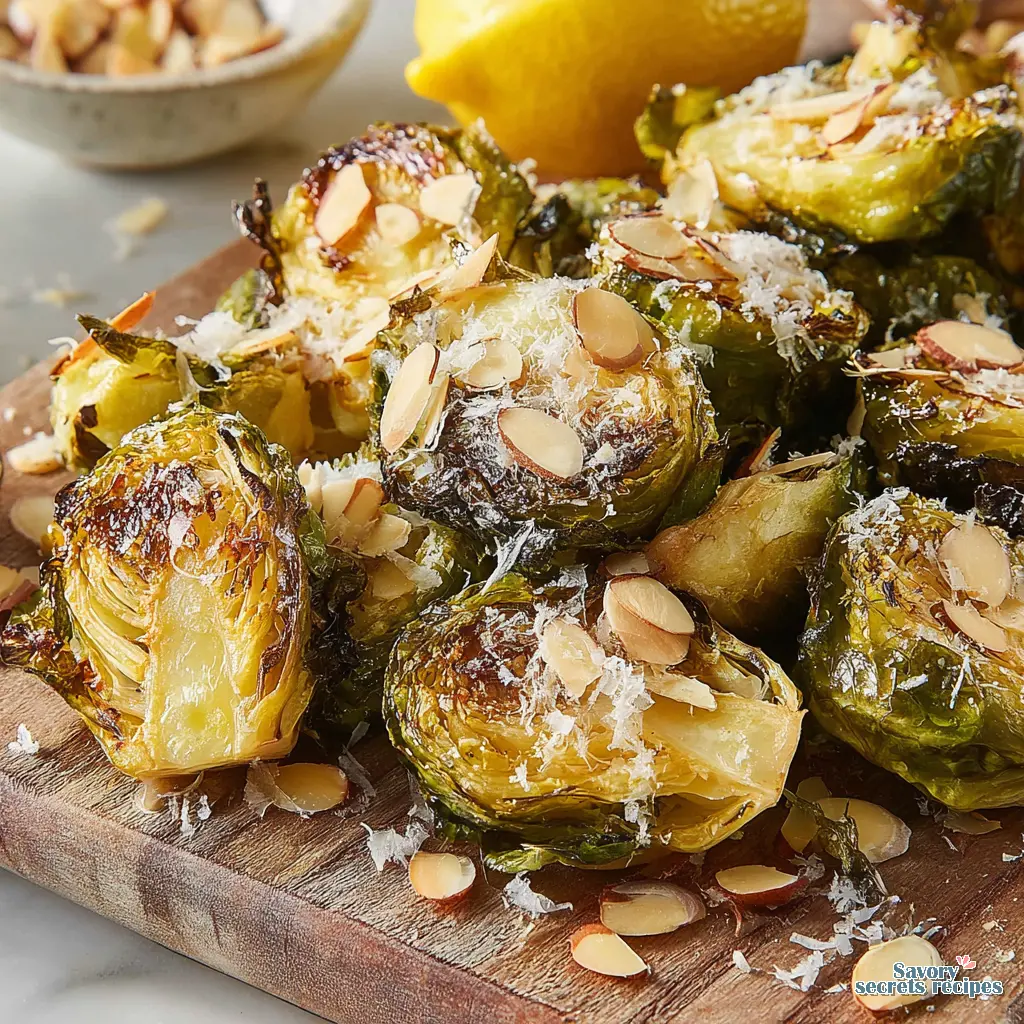




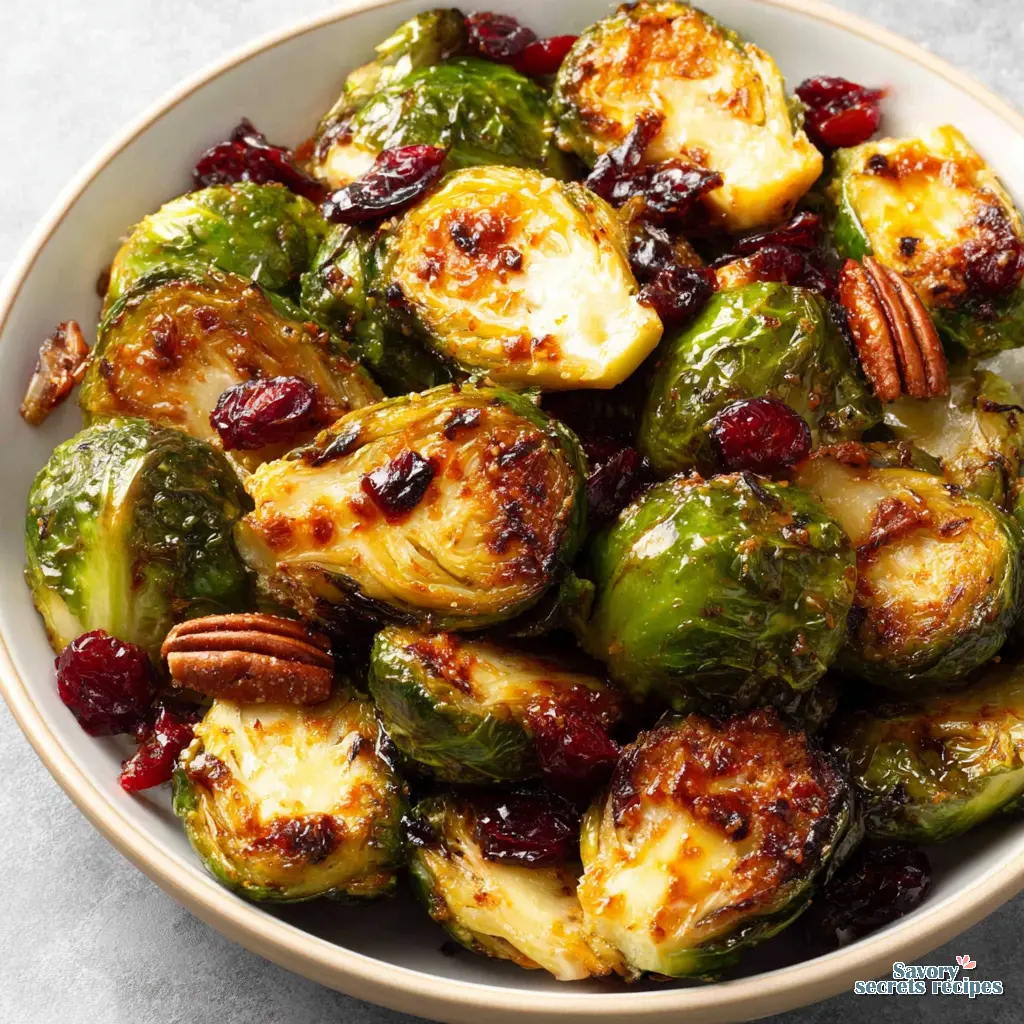
Holiday Brussels Sprouts with Balsamic and Parmesan
Ingredients
Method
- Preheat your oven to 400°F (200°C) and line a baking sheet with parchment paper to prepare for roasting.
- In a large bowl, toss the trimmed and halved Brussels sprouts with olive oil, salt, and black pepper until evenly coated.
- Spread the Brussels sprouts in a single layer on the prepared baking sheet, placing them cut side down to ensure even caramelization.
- Roast in the preheated oven for 25 to 30 minutes, flipping halfway through to ensure even browning, until the sprouts are golden brown and tender.
- Remove the roasted Brussels sprouts from the oven and transfer them to a serving bowl. Drizzle with balsamic glaze and toss gently to coat.
- Stir in the dried cranberries and toasted pecans just before serving to add sweet and nutty contrast.
- Serve the dish warm or at room temperature as a flavorful side dish.
Notes
Why This Parmesan Roasted Brussels Sprouts Recipe Is a Holiday Lifesaver
Let me double-check that you’ve been here before. It’s the day before a big gathering, and you’re staring at a pile of green vegetables, wondering how to make them feel special. Not just steamed. Not just another side. You want something that looks like you fussed, but honestly, you don’t have the bandwidth for fussing. I get it. I’ve been the person nervously poking at a baking sheet, worried I’d serve a platter of burnt, bitter sprouts. Then I discovered the magic of combining them with sweet, chewy dried cranberries and salty, nutty Parmesan. This parmesan roasted brussels sprouts with dried cranberries recipe changed everything for me. It’s the kind of dish that makes people ask for the recipe, but the secret is, it’s mostly just good timing and a hot oven.
I remember one Thanksgiving at my aunt’s house in Milwaukee. I was tasked with the vegetables, and I was determined to impress my Babcia with something beyond boiled potatoes. I tried a new sprout recipe, but I added the cranberries at the beginning. They came out like little bitter, blackened rocks. The data suggests that sugar burns faster than vegetables roast, and that tracks with what I’ve seen. It was a small disaster. But from that, I learned the precise moment to add each component. This recipe is that lesson, perfected. It gives you that perfect sweet and savory Thanksgiving side dish, with zero guesswork and maximum praise.
Gathering Your Ingredients: A Quick Safety Check
Before we start, let’s talk ingredients. For the best parmesan roasted brussels sprouts with dried cranberries, you want to build layers of flavor that work together, not fight. Fresh Brussels sprouts are ideal. Look for firm, bright green heads that feel heavy for their size. The smaller ones tend to be sweeter. You’ll also need good olive oil, salt, black pepper, and of course, dried cranberries and Parmesan cheese.
Now, about that Parmesan. I’d want to verify first that you’re using a block of cheese, not the pre-shredded stuff in a bag. According to the guidelines of good melting, the anti-caking agents in pre-shredded cheese can prevent it from getting properly golden and crisp. It’s worth the extra minute with a grater. For the cranberries, standard sweetened dried cranberries work perfectly. Their chewy sweetness is the perfect counterpoint to the savory sprouts. And if you’re considering a balsamic glaze? That’s a fantastic addition, but let’s get the base recipe right first.
The Science of Roasting: Why This Method Works
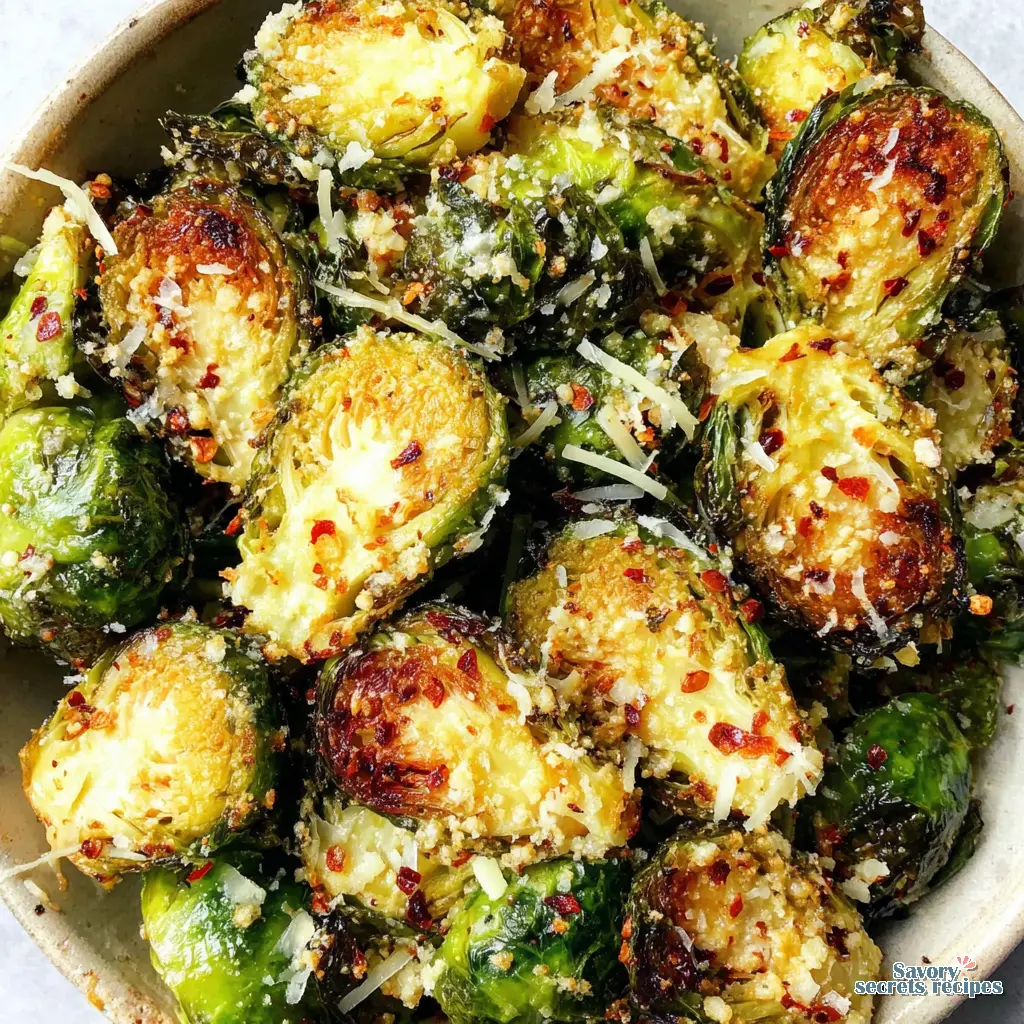
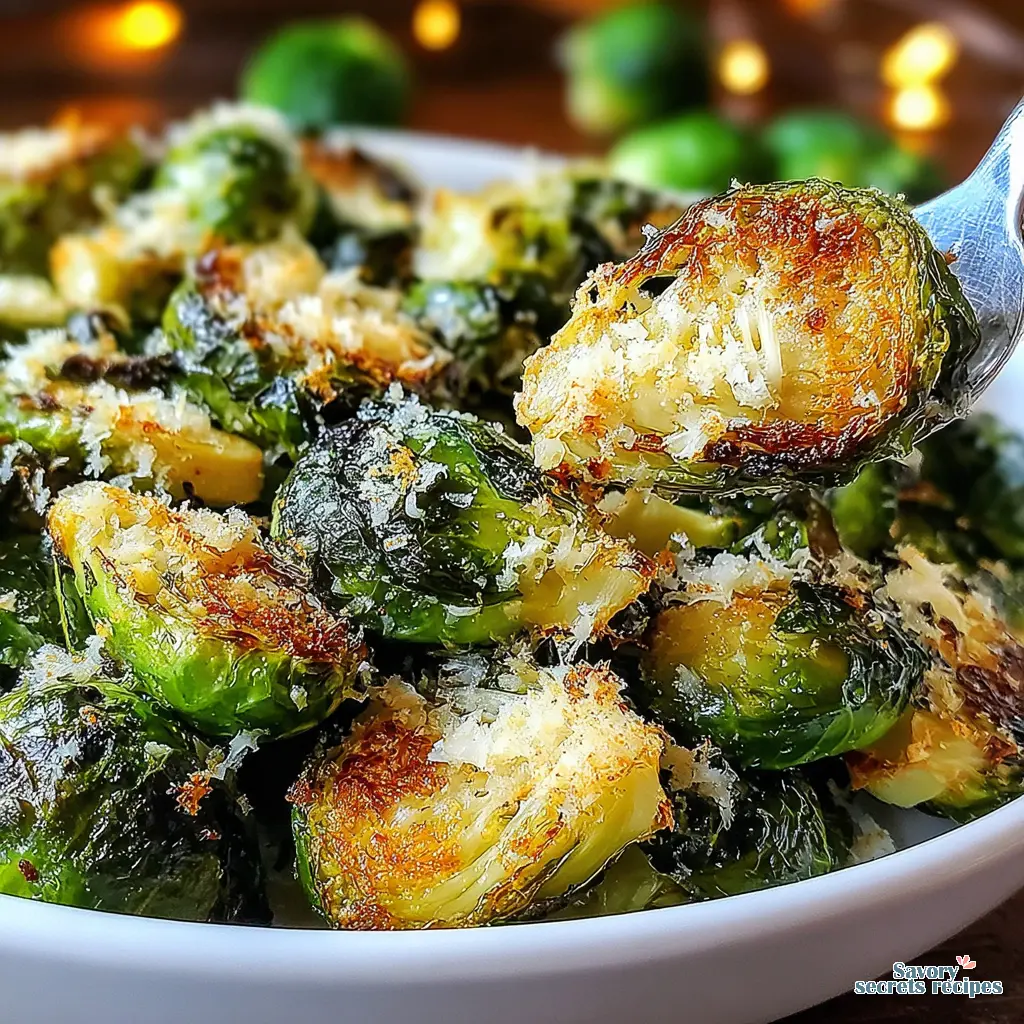
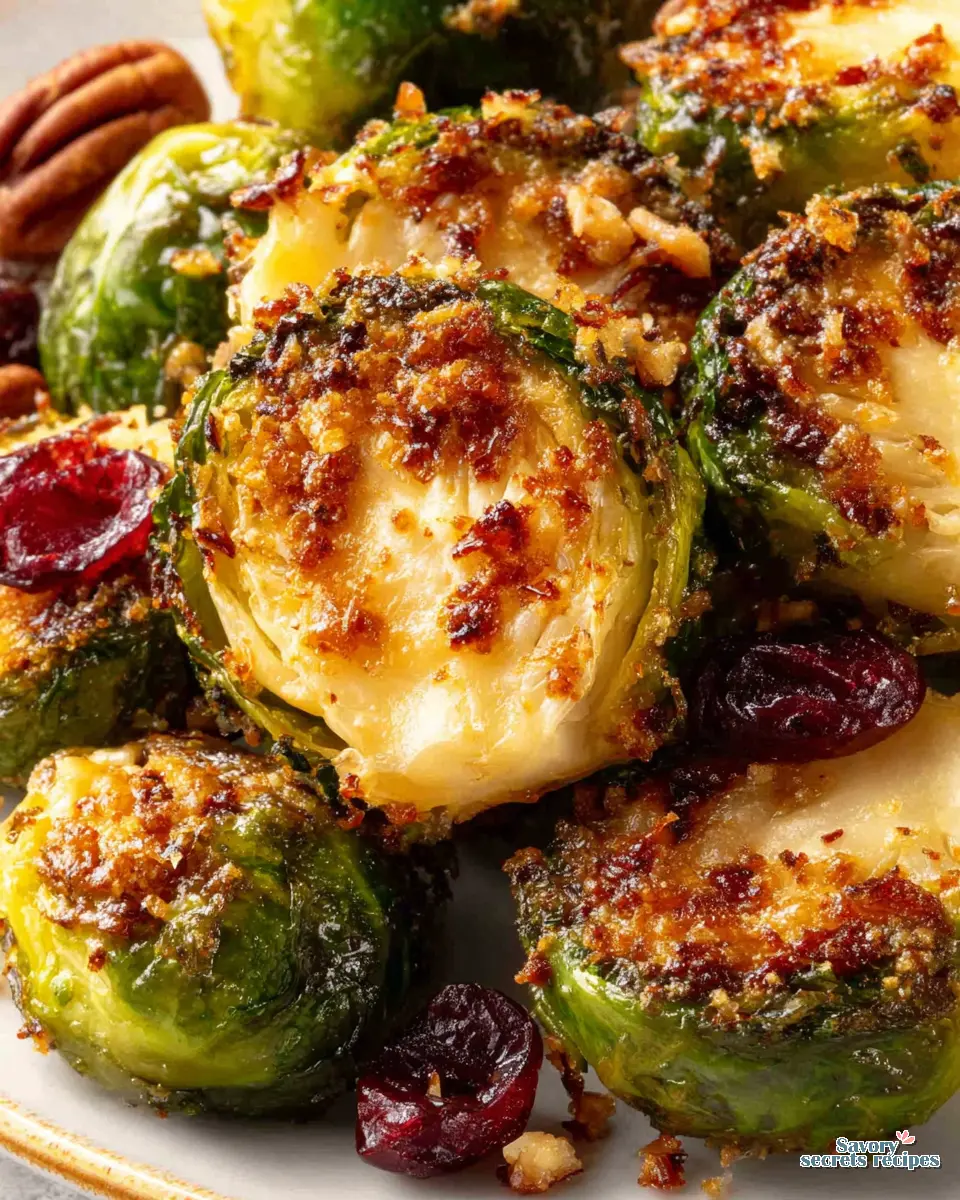
This isn’t just tossing things in an oven. There’s active biology happening, well, more like active chemistry. The high heat, 425°F, is non-negotiable. That’s the sweet spot for the Maillard reaction. That’s the process that turns the flat, cut side of each sprout half into a caramelized, nutty-tasting masterpiece. It’s what makes roasted Brussels sprouts taste so much better than boiled ones.
And the cranberries? They’re our delicate component. Adding them before roasting is a common mistake. The sugars in dried fruit caramelize and then burn incredibly fast in a 425°F oven. So for this parmesan roasted brussels sprouts dried cranberries situation, we add them after the sprouts are nearly done. The residual heat from the pan is just enough to warm them through and make them slightly plump, without any char. It’s a textbook example of using heat stages properly.
Step-by-Step Guidance for Foolproof Results
Okay, preheat that oven. 425°F. Line your baking sheet with parchment paper for easier cleanup. Trust me on this. While it heats, prep your sprouts. Trim the stem end and slice each one in half lengthwise. If you find any loose or yellow outer leaves, just pull them off. Toss all those halves in a big bowl with olive oil, salt, and pepper. You want each piece lightly coated. This isn’t a drenching.
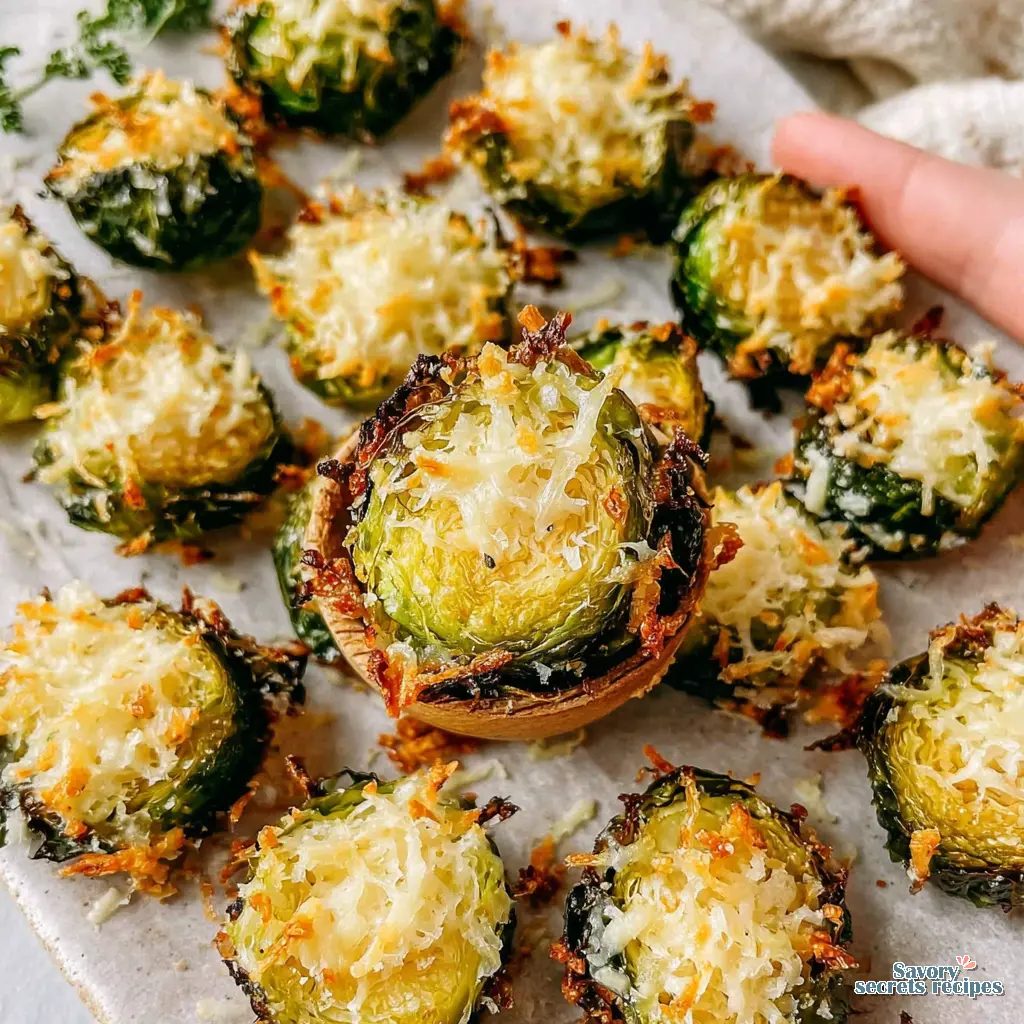
Here’s the crucial part for caramelization: arrange the sprouts on the baking sheet cut-side down. Don’t just dump them. Place them. This gives that flat surface maximum contact with the hot pan, which is what creates that beautiful golden-brown sear. And don’t crowd the pan. If they’re piled on top of each other, they’ll steam. We want roast, not steam. If you need to, use two sheets. Better to err on the side of caution.
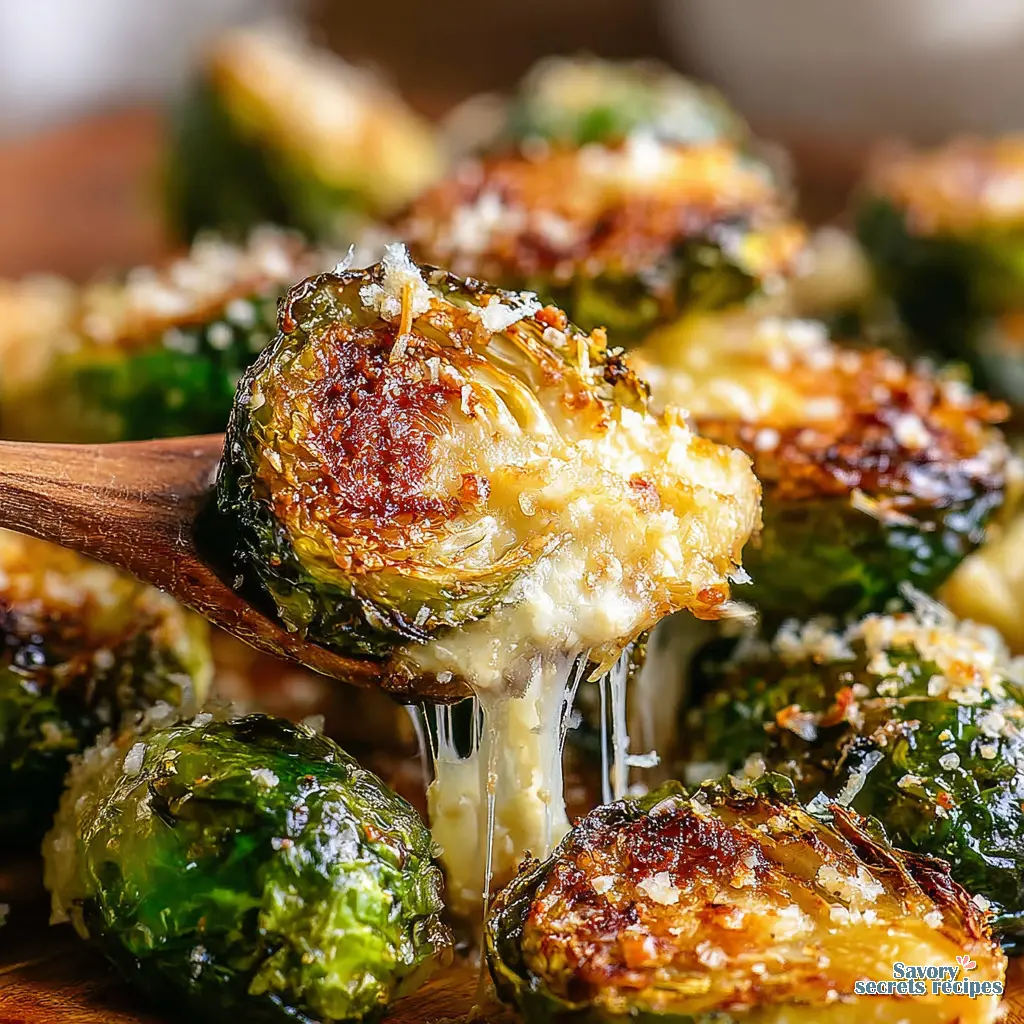
Roast for about 15-20 minutes. You’re looking for tender insides and those deeply caramelized edges. The smell in your kitchen will be incredible, like toasted nuts and earth. Now, pull the tray out. This is the moment. Scatter the dried cranberries and the grated Parmesan over the hot sprouts. The cheese will melt almost instantly from the pan’s heat, and the cranberries will get warm and fragrant. Give everything one gentle toss right on the tray. The cheese will form little crispy bits in the best way possible.
Common Mistakes & Fixes
Mistake: Soggy, steamed sprouts.
Solution: You crowded the pan. Spread them out in a single layer, cut-side down. That high heat needs room to work.
Mistake: Burnt, bitter cranberries.
Solution: You added them too early. Always add dried cranberries after roasting, never before. The residual heat is perfect.
Mistake: Pale, greasy cheese.
Solution: You likely used pre-shredded cheese. Grate a block of Parmesan yourself for the best melt and browning.
Tips & Tricks from a Preserving Editor’s Kitchen
I approach roasting with the same precision I use for checking brine ratios. These tips aren’t just suggestions, they’re what guarantee your parmesan roasted brussels sprouts with dried cranberries turn out perfectly every time.
First, high heat is best for roasting. 425°F is the sweet spot for crispy edges and tender centers. I’d probably want to test a lower temp first before recommending it, but 425°F consistently gives the best texture. Second, don’t crowd the baking sheet. This is the number one reason for steamed, sad sprouts. They need personal space to caramelize. Third, arrange them cut side down. This roasts them more evenly and maximizes that caramelization on the flat surface. It’s a small step with a big payoff. For an even crispier texture, you might enjoy our recipe for crispy parmesan roasted brussels sprouts, which focuses on maximizing that perfect crunch.
And about that balsamic glaze some folks love. A thick, high quality balsamic vinegar will yield the most beautiful and delicious results if you choose to drizzle it on at the end. You don’t have to add sugar to the balsamic for it to reduce and thicken, by the way. The sugar gives a nice sweetness, but it’s not essential. The balsamic is really the star. Just to be safe, if you’re using a glaze, add it after plating so it doesn’t make the leftovers soggy.
Ways to Customize Your Holiday Brussels Sprouts
This recipe is a fantastic foundation. Think of it like a sauerkraut base, you can add different spices and still have a successful ferment. Want to make it dairy-free or vegan? Simply omit the Parmesan. The roasted sprouts and cranberries are still fantastic on their own, or you could add a drizzle of maple syrup for sweetness.
Nut-free? Replace the pecans (if you’re adding them) with pepitas, those green pumpkin seeds. They add a great crunch. For more crunch, toasted hazelnuts or walnuts work beautifully too. Walnuts would work but pecans complement the sweetness better, in my opinion. I’m hesitant to say definitively without more data, but walnuts add a deeper, umami crunch. A bright pop of pomegranate arils or a sprinkle of orange zest right before serving can make this feel even more festive. It’s your holiday side dish recipe, make it yours.
Navigating Fresh vs. Frozen and Other Ingredient Swaps
I get this question a lot. “Hey, I have frozen Brussels sprouts. How would you suggest I make these?” The data suggests frozen sprouts have a higher water content. If you use them straight from frozen, they will steam and never get properly crisp. Better to err on the side of caution. Thaw them completely, pat them *extremely* dry with towels, and then proceed. You might need a few extra minutes in the oven. But for the best parmesan roasted brussels sprouts with dried cranberries, fresh is the way to go.
Substitutions? Dried cherries or chopped dried apricots can stand in for cranberries in a pinch. For the nuts, walnuts or almonds are fine. To make this nut-free, pepitas are my top choice. And if someone asks about fresh cranberries? That’s a different recipe entirely. Fresh cranberries are tart and need to be cooked with sugar. They’ll release moisture and change the roasting dynamic. Stick with dried for this method. If you’re looking for another vegetable pairing, our parmesan roasted brussel sprouts and carrots recipe is a great way to mix up your side dish lineup.
Frequently Asked Questions
How to Store, Reheat, and Serve Your Masterpiece
This recipe is best fresh, but leftovers will keep. Store them in an airtight container in the fridge for two to three days. The Parmesan will soften, and the sprouts will lose their crisp edge, but the flavor is still there.
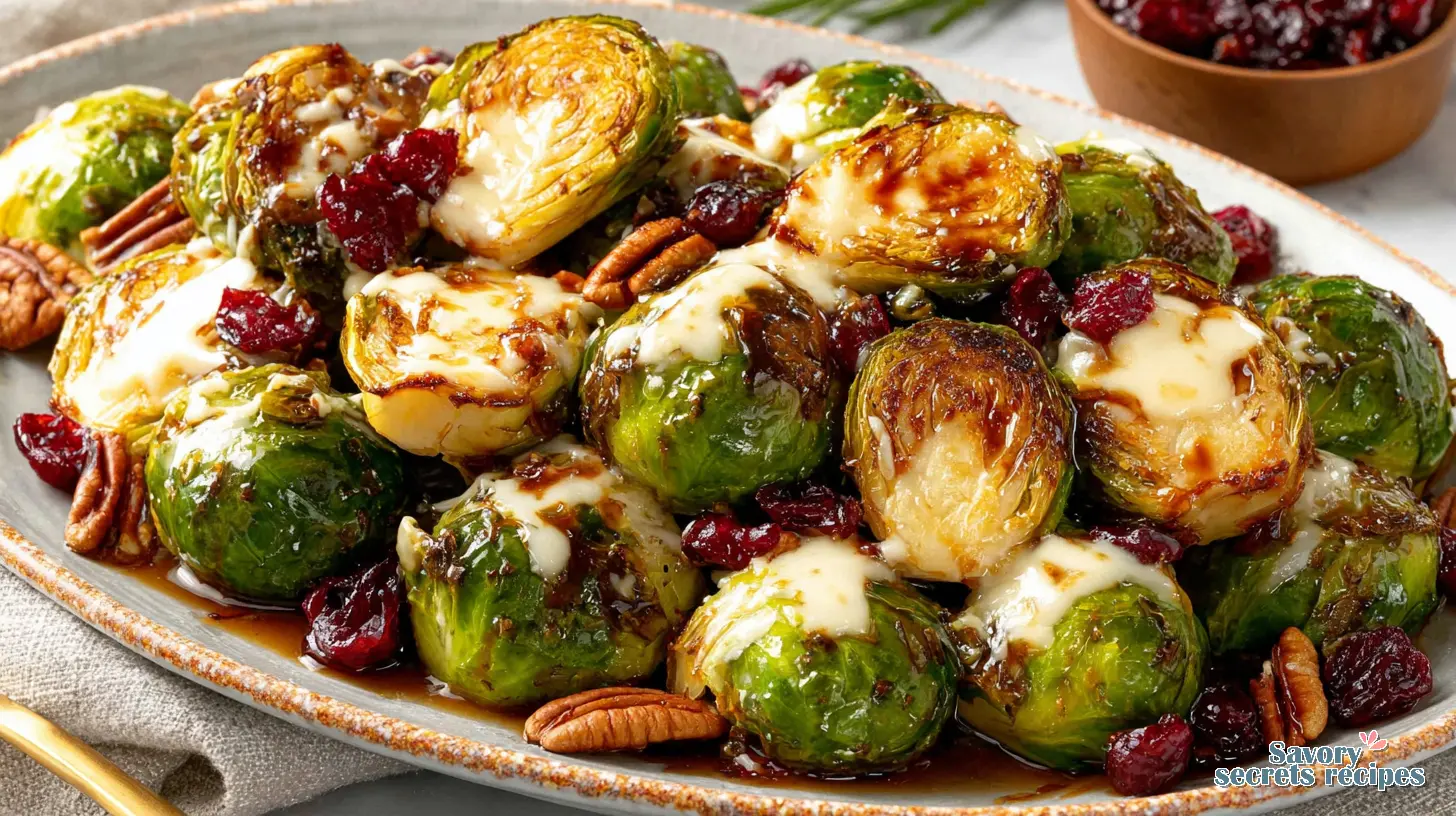
To reheat, don’t use the microwave. It’ll make them soggy. Spread the leftovers on a baking sheet and roast in a 400°F oven for 5 to 7 minutes. You can also warm them in a dry skillet over medium heat, which helps bring back a bit of texture. Serve them warm or at room temperature. They’re fantastic alongside your holiday turkey or ham, or even with a simple weeknight roast chicken. Transfer them to a nice platter and maybe scatter a few extra cranberries and a final dusting of Parmesan on top for presentation. That’s the kind of detail that makes it look like you spent hours.
Your Next Step to Side Dish Confidence
When you serve this parmesan roasted brussels sprouts with dried cranberries at your next gathering, just watch. People will go back for seconds. The combination of savory, sweet, salty, and crisp is just irresistible. It’s the kind of dish that builds cooking confidence because once you understand the simple principles, hot oven, don’t crowd, add cranberries late, you can’t mess it up.
You’re about to become the side dish hero. And I’d love to see your results. Did you add walnuts? Try a citrus twist? For more inspiration on vegetable-centric sides and preserving ideas, check out my Pinterest boards. I share tons of variations and techniques there. Now, go preheat that oven. You’ve got this.
Source: Nutritional Information
Should you add dried cranberries before or after roasting brussels sprouts?
Always after. I learned this the hard way. Adding dried cranberries before roasting causes the sugars to burn in the high heat. Toss them in right after the sprouts come out of the oven. The pan’s residual heat is perfect for warming them through without burning.
Can I make this sweet and savory Thanksgiving side dish ahead of time?
You can prep components. Roast the sprouts a few hours ahead and keep them at room temperature. Wait to add the cranberries and Parmesan until you’re ready to serve, then give them a quick warm-up in a hot oven for 5 minutes to re-crisp.
What can I substitute for pecans in this holiday brussels sprouts recipe?
Walnuts are a great substitute, or try almonds for a milder flavor. To make it nut-free, use toasted pepitas (pumpkin seeds). They add a wonderful crunch without the allergens. Just stir them in with the cranberries at the end.
How long do leftover balsamic roasted brussels sprouts with cranberries and parmesan last in the fridge?
Store leftovers in an airtight container for up to 3 days. The texture will soften, but the flavors are still great. Reheat them in a 400°F oven or a skillet to bring back some of the crispness. Avoid the microwave if you can.
Can I use a balsamic glaze in place of the vinegar?
Yes, a pre-made glaze works fine. I’d recommend drizzling it over the finished parmesan roasted brussels sprouts with dried cranberries just before serving. Adding it before storage can make the sprouts soggy, so keep it separate if you have leftovers.
I have frozen Brussels sprouts. How do I adapt this recipe?
Thaw them completely first. This is critical. Then, pat them obsessively dry with kitchen towels to remove all excess moisture. Roast as directed, but expect a slightly longer cooking time to achieve good caramelization since they start out wetter.
Could you use fresh cranberries?
I wouldn’t recommend it for this method. Fresh cranberries are very tart and contain a lot of water, which will steam your sprouts. They need to be cooked down with sugar first. For this recipe, dried cranberries are the right tool for the job.
Is there a way to make this for a crowd or in advance?
Absolutely. Roast the sprouts on multiple sheet pans. Hold the cranberries and cheese separately. Before serving, combine everything on a large platter or re-spread on pans for a quick 5-minute warm-up in a hot oven to melt the cheese. It works beautifully.
I’m considering using feta instead of Parmesan. What do you think?
Feta would add a tangy, salty punch that could be lovely. Because it doesn’t melt the same way, crumble it over the top after roasting. The flavors would work, but it’s a different profile than the nutty Parmesan. Could be a fun twist.
Can I sauté these instead of roasting?
You could, but you’ll lose the deep, even caramelization that oven roasting provides. Sautéing would require more oil and constant stirring, and you’d still need to finish them in a hot oven to get them properly tender and browned inside. Roasting is simpler.