



Simple Boiled Vegetable Recipes for Easy Meals
Ingredients
Method
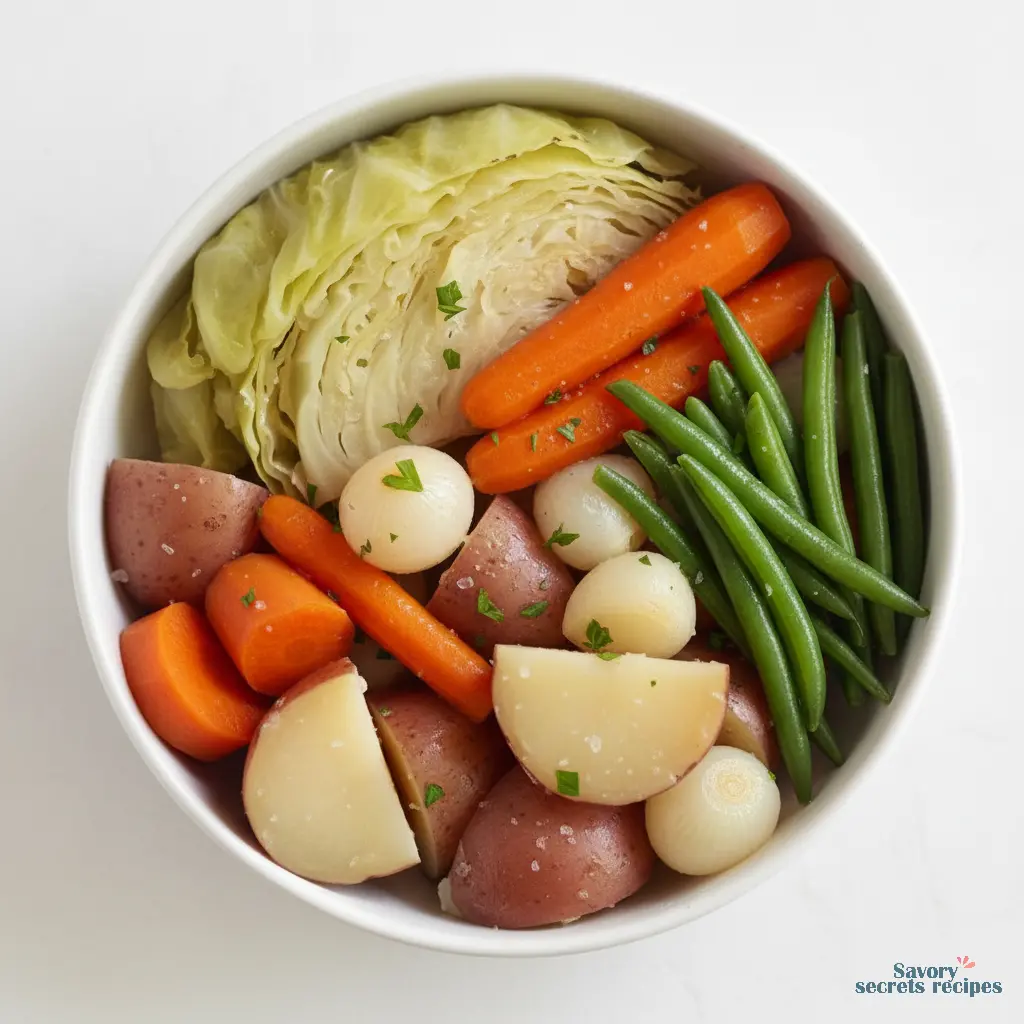
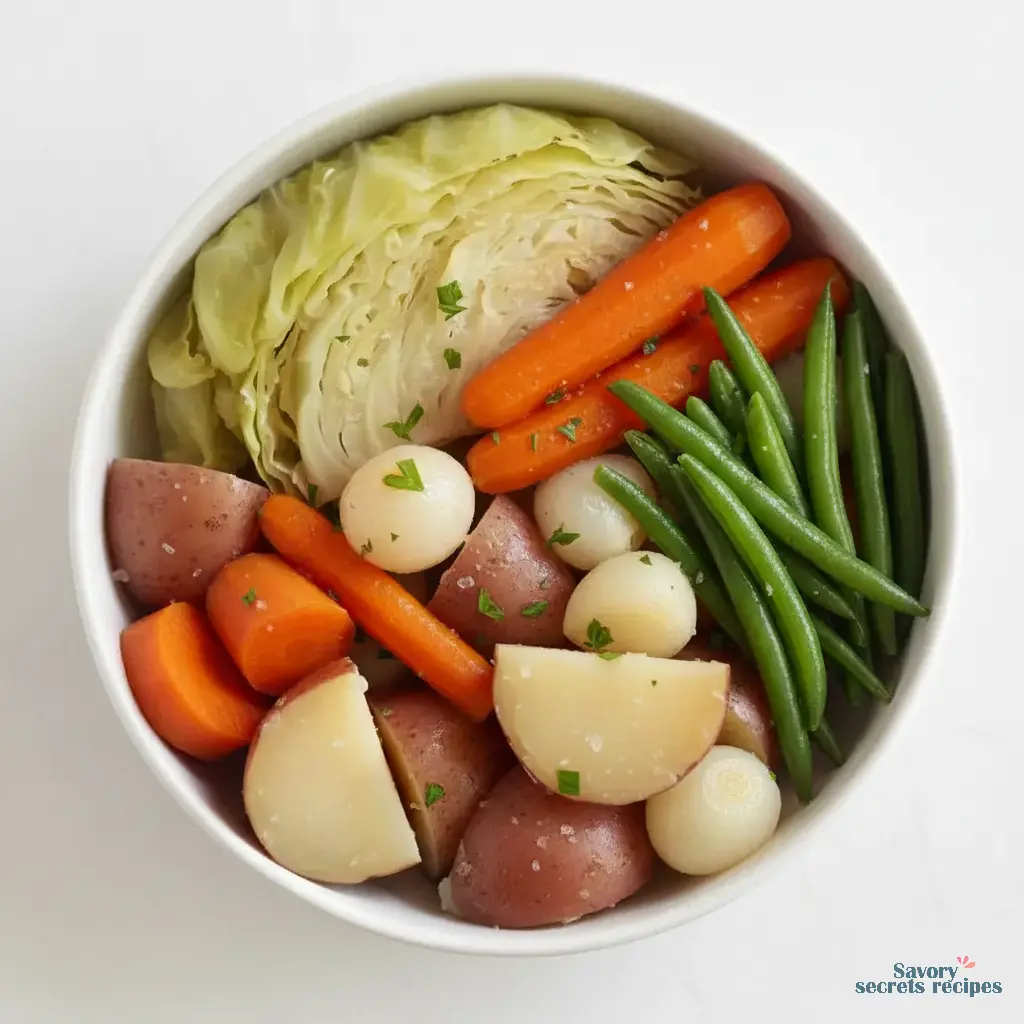
- Halve or quarter the potatoes, slice the carrots, and cut the cabbage into six wedges.
- Add the potatoes, carrots, and cabbage wedges to a large soup pot in that order. Then, add the pickling spice and bay leaves.
- Cover the vegetables with water or vegan beefless stock.
- Cover the pot and bring to a boil. Reduce the heat to medium-high and cook the vegetables for approximately 20 minutes, until soft and fork-tender.
- Take the pot off the heat. Let the vegetables cool slightly, uncovered. Then, carefully drain the cooking liquid through a colander to stop the cooking process and serve.
Notes
From Bland to Brilliant: My Journey With Boiled Vegetables
I’ll admit something. For years, I thought recipes with boiled vegetables were the culinary equivalent of beige wallpaper. Necessary, maybe, but deeply boring. My grandmother Nora, who could stretch a pot roast into three different meals, would serve us these huge platters of boiled carrots, potatoes, and cabbage every Sunday. As a kid, I’d push them around my plate, waiting for the good stuff. The thing is, I was missing the point completely. Gran wasn’t serving bland food. She was serving a blank canvas. She just forgot to tell me about the paint.
That changed one frantic Wednesday last winter. My daughter announced she only ate “white foods,” and I had a head of cauliflower, some parsnips, and twenty minutes before a work call. I boiled them. And then, in a moment of pure desperation, I tossed them with what was left in my butter dish and a huge squeeze of lemon. The smell that hit me—that bright, buttery, herbal scent—was a revelation. It wasn’t fancy. It was just good. And it was ready in the time it took to check my email. That’s when I realized the true power of recipes with boiled vegetables. They’re not the end of the meal. They’re the incredibly quick, healthy, and versatile beginning.
Honestly, if you’re staring at a bunch of carrots or a bag of potatoes and feeling that weeknight dinner dread, I get it. But what if I told you that with a few simple tricks, those same ingredients could become the star of the table in under 30 minutes? Let’s be realistic here. You don’t need more time. You just need a better game plan. And that’s what these recipes with boiled vegetables are all about.
Why This recipes with boiled vegetables Works
Here’s what actually works. This method isn’t about complicated techniques or expensive ingredients. It’s about understanding one simple principle: boiling is just the first step. It’s the prep work that makes everything else—the seasoning, the saucing, the transforming—possible in minutes flat. For busy parents (and honestly, who isn’t busy?), this is a game-changer. You get tender, perfectly cooked veggies that are ready to become whatever you need them to be.
The beauty of these recipes with boiled vegetables is in their flexibility. Picky eater at the table? Toss their portion with a little cheese. Trying to eat healthier? A drizzle of good olive oil and some fresh herbs makes it feel special. It’s the ultimate “use what you’ve got” strategy. That bag of baby carrots from Costco? That lone sweet potato? They all have a place here. This approach solves the monotony problem, the time problem, and the “what do I do with this?” problem all at once. No harm in trying, right?
Your Guide to Perfectly Boiled Vegetables
Let’s start with the foundation. Good recipes with boiled vegetables begin with knowing your ingredients. Not all veggies cook at the same rate, and that’s okay. The trick is to add them to the pot in stages. Think of it like building flavors.
Start With the Basics: Timing is Everything
Root vegetables like carrots and potatoes need more time. I add them to cold, salted water and bring it all up to a boil together. That salt in the water? It’s not just for seasoning. It actually helps the vegetables cook more evenly and keeps their color vibrant. For things like green beans or broccoli, you want to drop them into already boiling water. This gives you that crisp-tender texture we all love. Cooking time will vary on the size of your vegetables. Anywhere from 15-30 minutes is reasonable. You do not want to boil them so long that they fall apart. The potatoes and carrots should hold shape but be soft and tender.
This recipe really varies on the size of the vegetables you choose. There’s no need to chop small potatoes or carrots. You can also cut your carrots length-wise and in half. You can cut more or fewer wedges of cabbage, depending on the size of the head you buy. Servings will vary as well. That’s the thing, though—it’s supposed to be flexible. Use what looks good at Ralphs or your local farmers market.
The Secret Weapon: Don’t Dump That Water!
Here’s a tip that feels like a secret handshake among frugal cooks. Once the veggies have cooked, you can allow them to cool in the liquid slightly with the pot uncovered before carefully draining the liquid in a large colander to stop the cooking process. But wait. Don’t pour that cooking water down the drain. Once you’ve steamed your vegetables, the water in the bottom pan makes great vegetable stock to add to gravy, soup, or to cook rice in later in the week. I keep a jar in my fridge specifically for this. It’s got all the flavor from the vegetables, and it’s basically free. Good bones for later, as my gran would say.
Tips for Perfect recipes with boiled vegetables
I’m not sure everyone will agree, but I think the best tips are the ones that save you time and prevent disaster. Let’s talk about how to make your recipes with boiled vegetables foolproof.
Preparation Tips
Wash your veggies, but don’t go crazy peeling everything. Potato skins add texture and nutrients. Just give them a good scrub. For carrots, a quick peel is fine, but if they’re organic from the Santa Monica farmers market, a scrub will do. Cutting vegetables into uniform sizes is more important than you think. It means everything finishes cooking at the same time. No one wants mushy potatoes next to crunchy carrots.
Cooking Tips
Use a big pot. Vegetables need room to move in boiling water so they cook evenly. Crowding leads to steaming, which is a different thing entirely. And listen, I know recipes say “bring to a boil then reduce to a simmer.” I usually just keep it at a lively bubble. It’s faster and, in my experience, works just fine for these kinds of healthy vegetable dishes. Salt fixes most things, and your boiling water is the first place to start. It should taste like mild seawater.
Storage Tips
If you’re making recipes with boiled vegetables for meal prep, shock them in ice water after draining. This stops the cooking instantly and locks in that bright color. Then, pat them really dry before storing. Moisture is the enemy of texture when you reheat. I store mine in those glass containers from Costco. They last all week.
Variations & Substitutions
The real fun begins here. These recipes with boiled vegetables are a blueprint, not a prison sentence. Your mileage may vary based on what’s in your fridge, and that’s perfectly okay.
Dietary Adaptations
This whole approach is naturally vegan, gluten-free, and dairy-free. To keep it that way, finish with a great olive oil instead of butter. For a creamy vegan sauce, blend some of the boiled vegetables with a splash of that saved cooking water and a handful of cashews. Honestly, it’s brilliant. It makes a rich, comforting sauce that feels indulgent.
Ingredient Substitutions
No red potatoes? Use Yukon golds. Do not use russets, as these potatoes are too starchy and will fall apart. Baby carrots work fine—no need to chop. Swap green cabbage for savoy or even shredded Brussels sprouts for a different texture. Other root veggies like parsnips, turnips, or even peeled sweet potatoes are fantastic here. This is the one recipe where you can truly clean out the veggie drawer.
Flavor Variations
Change the whole profile by swapping the water for vegetable broth. Add a strip of lemon zest or a few smashed garlic cloves to the pot. No pickling spice? Use a teaspoon each of whole peppercorns and mustard seeds. Want some warmth? Add a pinch of red pepper flakes. Some like a sweeter boil and add a few teaspoons of brown sugar to the mix! I’ll admit, it’s not traditional, but it works with carrots and parsnips.
Common Mistakes to Avoid
We’ve all been there. Here’s how to sidestep the common pitfalls with recipes with boiled vegetables.
❌ Mistake: Boiling everything at once until it’s all a mushy, sad pile.
✅ Solution: Add vegetables in stages based on their density. Roots first, cruciferous veggies (like broccoli) last. Let it do its work, but keep an eye on it.
❌ Mistake: Using a tiny pot and cramming all the vegetables in.
✅ Solution: Give them space! Use your biggest pot, like the one you make pasta in. The water should return to a boil quickly after you add the veggies.
❌ Mistake: Skipping the salt in the boiling water.
✅ Solution: Salt your water generously. It’s your only chance to season the vegetable from the inside out. It makes all the difference in creating flavorful vegetable sides.
❌ Mistake: Leaving the vegetables in the hot water after they’re done.
✅ Solution: Drain them promptly. If you’re not eating right away, spread them on a baking sheet to cool quickly. This preserves that perfect texture.
Frequently Asked Questions
How to Store and Serve recipes with boiled vegetables
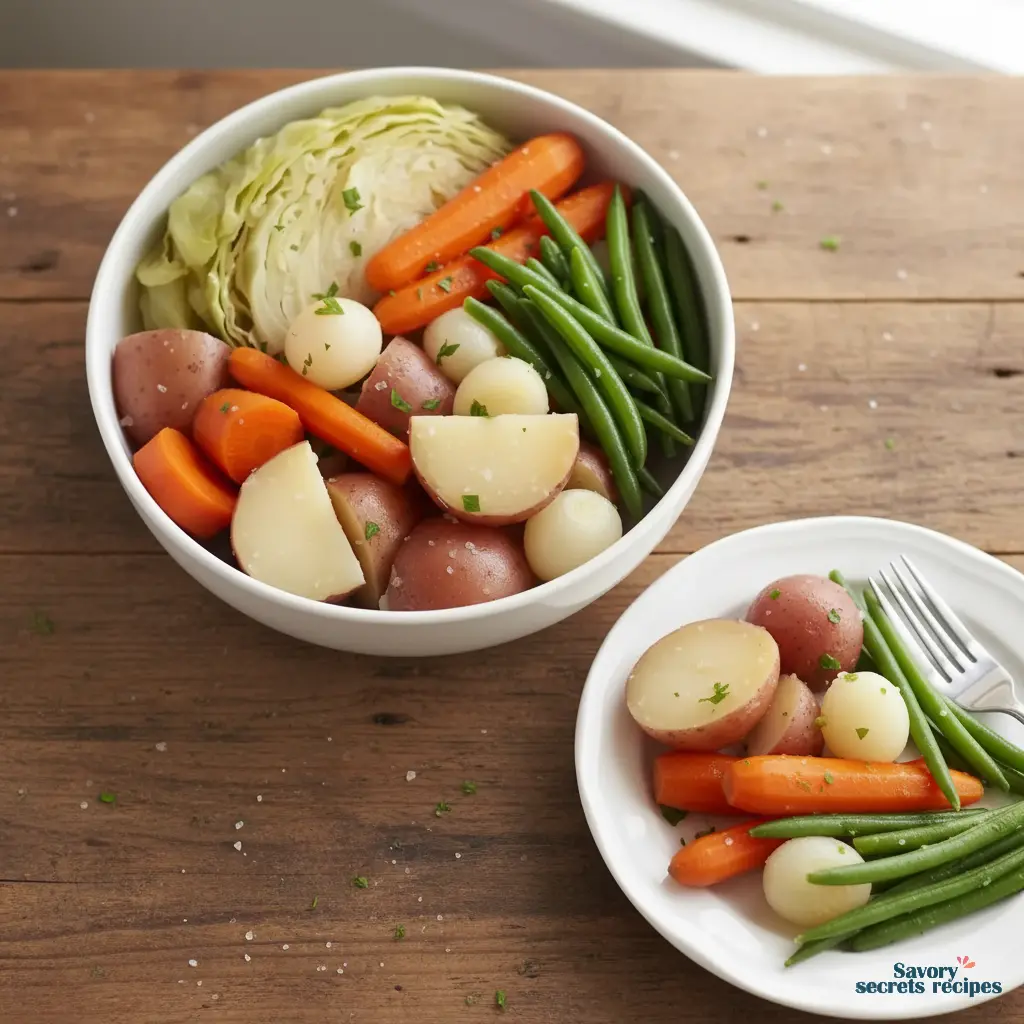
You can store leftover boiled vegetables in an airtight container in the fridge for up to 5-6 days. I like to keep the different types separate if I can, but a big mixed container works too. To reheat, a quick zap in the microwave with a splash of water works, or warm them gently in a pan on the stove. They’re fantastic served cold in salads, too.
For serving, I like to add a nice blob of salted butter mixed with a little white pepper once the vegetables are served up. These boiled veggies are perfect to serve alongside a hearty entree! For a simple, complete meal, pile them next to a piece of pan-seared fish, a baked chicken breast, or a veggie burger. They’re the ultimate healthy, versatile side that stretches any main dish.
You’ve Got This
When you make these recipes with boiled vegetables your new weeknight staple, you’ll love the time it saves and the satisfaction it brings. It’s one of those simple cooking methods that feels like a superpower once you get the hang of it. You’re not just making dinner. You’re building a foundation for quick, healthy meals all week long. Let me know how it goes in the comments or over on Instagram. Did your picky eater try the carrots? What’s your favorite way to dress them up? I’m always looking for new ideas.
Honestly, it’s worth every penny you’ll save on takeout. So grab that bag of potatoes, that bunch of carrots, and give it a try. You’ve got this.
What can I do with boiled vegetables to make them more interesting?
Toss them while they’re still hot. That’s the key moment. A pat of butter or a glug of olive oil, a squeeze of citrus, a handful of fresh herbs. For easy weeknight dinners, I love a drizzle of tahini mixed with lemon juice or a spoonful of pesto from Trader Joe’s. It transforms them instantly.
How do I add flavor to boiled vegetables?
Start with a well-salted cooking liquid. Then, think about fats and acids. A little garlic powder or onion powder whisked into melted butter is magic. A splash of vinegar or lemon juice at the end brightens everything up. Fresh dill or parsley makes it feel special without much work.
What’s a good lazy dinner using recipes with boiled vegetables?
My ultimate lazy dinner is boiled potatoes and carrots tossed with a can of drained chickpeas, a big spoonful of capers, and a lemony vinaigrette. It’s a complete, filling meal in one bowl. Sometimes I’ll crumble a little feta on top if I have it. Takes 20 minutes, max.
Can you make recipes with boiled vegetables ahead of time?
Absolutely. I do this every Sunday for meal prep. Cook and drain your veggies, let them cool completely, then store them in airtight containers in the fridge for 4-5 days. They’re perfect for quick lunches or to reheat for dinner. They might soften a bit, but the flavor is still great.
How do you store and reheat boiled vegetables?
Let them cool first! Then, into the fridge in a sealed container. To reheat, I splash a tablespoon of water or broth in a skillet over medium heat and warm them through, or just microwave for 60-90 seconds. Avoid reheating them more than once for the best texture.