




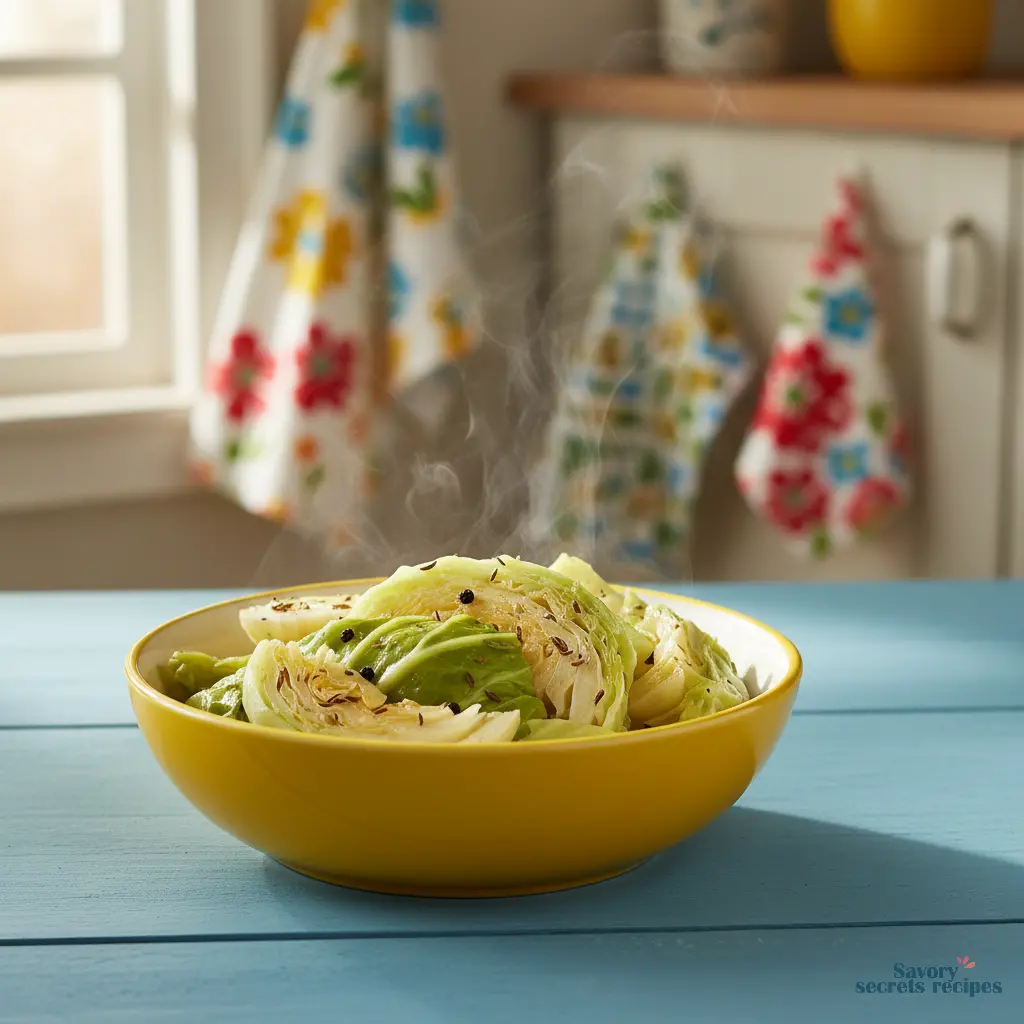
Blanched Cabbage Leaves for Tender Stuffed Rolls
Ingredients
Method
- Bring a large 8-quart pot of well-salted water to a boil.
- Heat the water. Prepare the cabbage by peeling away and discarding any discolored or old outer leaves. Quarter the head of cabbage through the core, then cut out and discard the core. Tear the cabbage by hand into large, 1- to 2-inch pieces. Alternatively, use a knife.
- Bring a pot of water to a rolling boil. Add the torn cabbage leaves, ensuring they are fully submerged. Cook for 90 seconds. Drain the water completely and return the cabbage leaves to the pot.
- Stir four tablespoons of butter into the hot cabbage. The butter will melt quickly. If using unsalted butter, add more salt, starting with half a teaspoon and adjusting to taste. Sprinkle with caraway seeds, celery seeds, and black pepper, then toss to combine. Serve immediately. Pairs well with pork, veal, or frankfurters.
Nutrition
Notes
Why Blanching Cabbage Leaves Is Your New Kitchen Superpower
You know that moment when you’re trying to peel a leaf off a head of cabbage for rolls, and it just… tears? Right down the middle. Or it’s so stiff it feels like you’re trying to fold cardboard. I’ve been there, standing in my kitchen in Boston in December, wanting that cozy stuffed cabbage my gran used to make, and getting completely stalled by the cabbage itself. It’s frustrating, honestly. But here’s the thing, though. Learning how to properly blanch cabbage leaves is the fix. It takes less than ten minutes, and it turns those stubborn, brittle leaves into soft, pliable wrappers that practically beg to be rolled around a good filling. It’s the difference between a kitchen struggle and a weeknight win, and once you get it, you’ll use it for everything from cabbage rolls to freezing your farmers market haul.
I learned this the hard way, of course. I tried to make my gran’s recipe for boiled dinner from memory without calling my mother first. I didn’t blanch the cabbage leaves, just tried to wrestle them into the pot. Boiled it way too long and the whole house smelled like old socks for two days. My husband still brings it up. Now I just blanch them first, pride be damned. It’s worth every penny of effort saved.

Frequently Asked Questions
Wrapping It All Up
Look, mastering how to blanch cabbage leaves is one of those quiet kitchen skills that pays you back tenfold. It turns a frustrating ingredient into a versatile, friendly one. When you make stuffed cabbage with perfectly blanched leaves, you’ll love how easy the rolling is. You’ll love opening your freezer in March to find summer’s cabbage, still bright and ready for soup. It’s a small act of prep that makes weeknight cooking feel smoother, more doable. So grab a head of cabbage on your next run to Trader Joe’s and give it a try. You’ve got this. And when you pull those vibrant, flexible leaves from the ice bath, you’ll know exactly what I mean. Now we’re talking.
Can you freeze cabbage without blanching?
You can, but I don’t recommend it for long-term storage. Without blanching, cabbage should be used within a month and can develop off-flavors. Blanching stops enzyme action, preserves color and texture, and lets you keep it for up to 9 months. That’ll do it.
How long do you blanch cabbage leaves for stuffed cabbage?
For whole leaves you plan to roll, aim for 90 seconds to 2 minutes in boiling water. The visual cue is a brighter green color and a leaf that bends easily without tearing. Don’t forget the ice bath right after! That’s the key to perfect texture.
What’s the easiest way to get cabbage leaves off?
After you blanch cabbage leaves, they peel off like a dream. But for pre-blanch, try cutting around the core to loosen it, or microwave the whole head for 1-2 minutes. The steam helps separate the leaves. Much easier than wrestling with a raw head.
Why soak cabbage in ice water?
It’s called “shocking,” and it stops the cooking process instantly. If you just let hot cabbage leaves sit, they keep cooking from residual heat and turn mushy. The ice bath locks in the perfect tender-but-firm texture and that beautiful green color.
Can I microwave cabbage to soften leaves?
You can, for a quick fix. Put a few leaves on a plate with a splash of water, cover, and microwave for 30-60 seconds. But for recipes where texture and color matter, like rolling, learning to blanch cabbage leaves in water is still your best bet.