




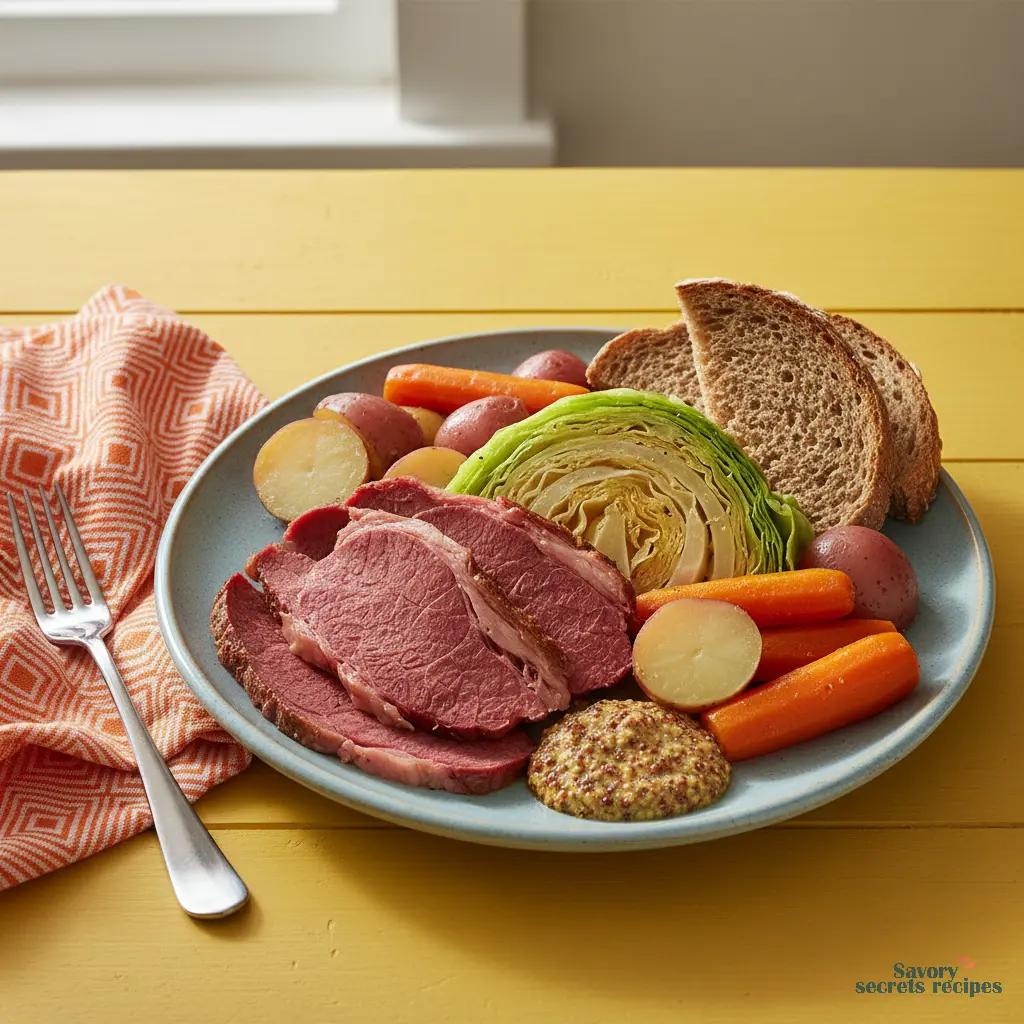
Corned Beef with Separate Vegetables
Ingredients
Method
- Rinse the corned beef thoroughly and pat it dry with a paper towel.
- Place the brisket in a large stock pot with smashed garlic and pickling seasoning. Cover with at least 12 cups of water, leaving a few inches of space at the top.
- Cover the pot and bring the liquid to a near boil. Reduce the heat to a simmer and cook for 50 minutes per pound. A four-pound brisket will take approximately three and a half hours.
- Check the corned beef one-third of the way through cooking, adding more water and turning it as needed.
- With 30 minutes left, add the potatoes, carrots, and onions, then cover everything with the cabbage wedges.
- Test the vegetables by piercing them with a fork; they are done when the fork slides in easily.
- Remove the cooked corned beef and transfer it to a carving board. Slice the corned beef against the grain.
- Serve the boiled vegetables with butter, salt, and pepper. For the corned beef, a mustard dip is recommended.
Nutrition
Notes
You Don’t Have to Settle for Mushy Veggies
I think we’ve all been there. You follow the classic recipe for cooking cabbage and potatoes separate from corned beef, but you end up with a pot of gray, overcooked vegetables and meat that’s either tough or falling apart. It happened to me for years. My dad would buy that massive corned beef every March, and by Wednesday, we’d be eating cabbage that had the structural integrity of wet tissue paper. I complained every single year. But that’s the thing, though—you don’t have to accept the mush.
There’s a simple fix, and it completely changes the game. The secret is right there in the search term you probably used: cooking cabbage and potatoes separate from corned beef. It sounds like an extra step, but honestly, it’s brilliant. It gives you control. You get crisp-tender cabbage, potatoes that hold their shape, and corned beef that’s perfectly tender, not stringy. It’s the difference between a sad, one-note stew and a plate where every single ingredient gets to shine. Let’s be realistic here, during these cooler LA winter months when we actually want to use our ovens, this method makes a world of difference.
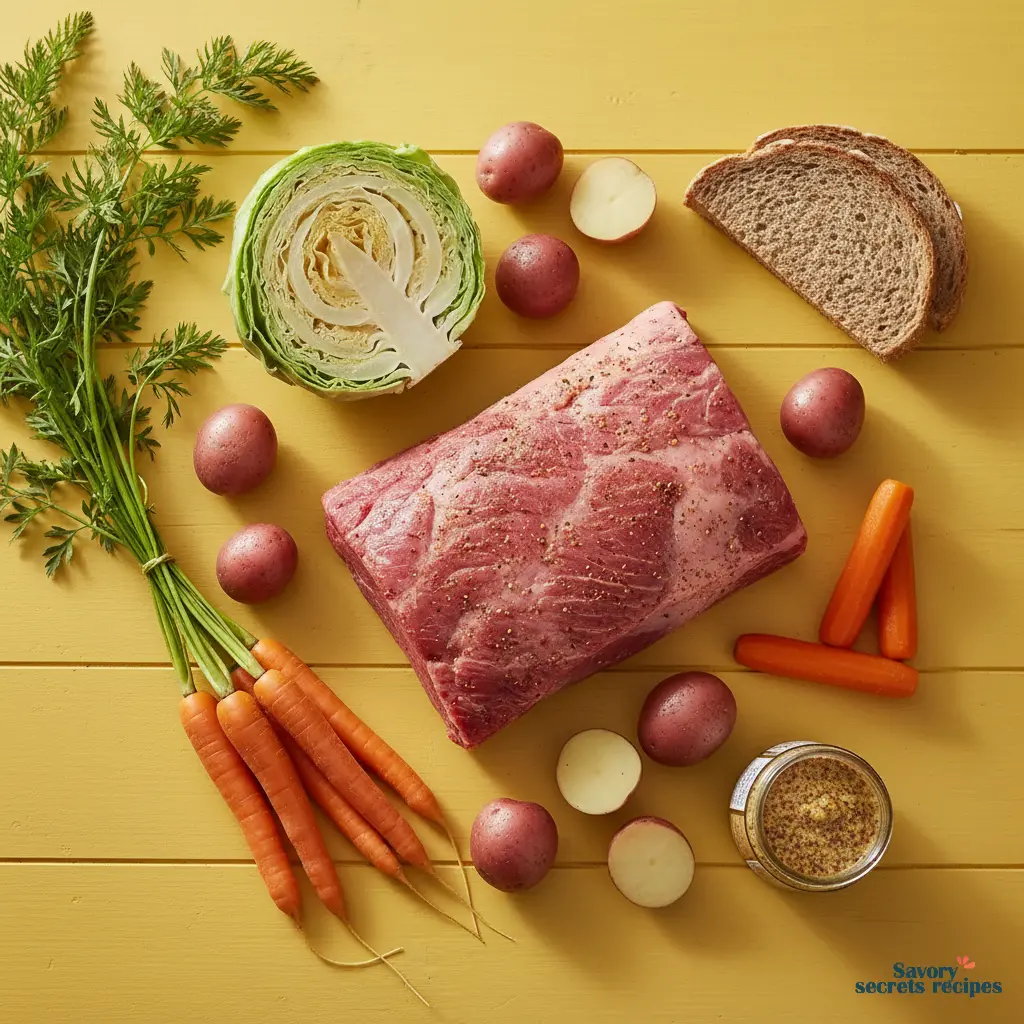
Why Cooking Everything Separately Actually Works
Here’s what actually works. When you boil everything together for hours, the potatoes and cabbage absorb all that salty broth and just… give up. They turn to mush. By cooking cabbage and potatoes separate from corned beef, you’re respecting each ingredient’s cooking time. Cabbage needs maybe 10-15 minutes to become tender but still have a bite. Potatoes, depending on the size, need 20-30. That corned beef brisket? It needs a good, long, gentle simmer to become fork-tender. Trying to make them all happy in one pot is a recipe for compromise, and the veggies always lose.
This method isn’t about being fussy. It’s about getting a better dinner on the table. You control the texture. You control the seasoning. And you end up with a broth from the beef that’s pure gold—you can use it to cook your veggies in, adding flavor without overcooking. It’s the smart way to approach cooking cabbage and potatoes separate from corned beef, and I promise it’s easier than the soggy alternative.
Your Definitive Guide to Cooking Vegetables Separately
Okay, let’s break this down. You’ve got your corned beef simmering away. Now what? This is where you take control of cooking cabbage and potatoes separate from corned beef.
First, the potatoes. I’m a fan of baby reds. They hold their shape. You can boil them in a separate pot of salted water, or for more flavor, fish out a few cups of that corned beef broth once the meat is done and use that. Bring it to a boil, add your potatoes, and let them cook until just fork-tender. You’ll know they’re done when a knife slides in easily but they don’t fall apart. That’ll do it.
Now, the cabbage. This is the star move. Don’t just boil it into submission. Cut it into wedges—keep the core on so it holds together. You can braise it. Heat a little oil or butter in a large skillet, place the wedges cut-side down, let them get a little color, then add a splash of that corned beef broth or some water, cover, and let it steam until tender. Or, you can roast it. Toss wedges with oil, salt, and pepper on a sheet pan alongside some carrots and onions. The edges caramelize, it’s amazing. Either way, you’re cooking cabbage and potatoes separate from corned beef to preserve their spirit.
Boiling vs. Roasting: A Quick Comparison
Your mileage may vary, but here’s my take. Boiling the veggies in the broth is faster and gives you that traditional, infused flavor. It’s the “set it and forget it” method. Roasting them separately, though? That’s where you get complexity. The potatoes get crispy edges. The cabbage gets sweet and slightly charred. It adds another texture dimension to the plate. For a busy weeknight, boiling is your friend. For a weekend dinner where you want to impress, try roasting. Both are valid paths to cooking cabbage and potatoes separate from corned beef successfully.
Tips That Make All The Difference
I’ve learned a few things from trial and error. Mostly error, if I’m being honest. Here’s what I wish I’d known sooner about cooking cabbage and potatoes separate from corned beef.
Preparation is Key
Start by rinsing that corned beef under cold water. I do this to rinse off excess brine which I feel makes it extra salty. Fair enough, it won’t remove the flavor—the brine is already throughout the meat. Just pat it dry. Also, don’t line your roasting pan with foil if you’re going that route. The potatoes will stick. I learned that the hard way. Keep each type of vegetable in its own section on the pan, and flip those potato halves cut-side down. They’ll get way crispier that way.
Timing and Doneness
The corned beef is done when it’s fork-tender and you can pull a piece apart easily. For the veggies, you want to check on them occasionally. Give them a quick toss if they’re browning unevenly. The cabbage is done when the thickest part of the wedge is tender when pierced with a knife, but it still has some structure. No one wants limp cabbage.
Stretching Your Meal
This recipe has good bones for later. The corned beef can be cooked up to 3 days ahead and reheated gently. But for the best texture, cook those vegetables just before serving so they stay crisp. That horseradish sauce? Make it two days ahead, no problem. And I always use leftovers to make a killer soup by reducing the broth and dicing up everything that’s left. It stretches it another night, easy.
Common Mistakes (And How to Fix Them)
We all make ’em. Here’s how to avoid the big ones when you’re cooking cabbage and potatoes separate from corned beef.
❌ Mistake: Not rinsing the corned beef first.
✅ Solution: Give it a quick rinse under cold water. It tames the saltiness without costing you any flavor.
❌ Mistake: Cutting the meat with the grain.
✅ Solution: Find the grain—those long lines running through the meat—and slice firmly against them. This gives you tender slices, not shreds.
❌ Mistake: Overcrowding the pan when roasting.
✅ Solution: Give those veggies space! Use two sheet pans if you have to. Crowded veggies steam instead of roast, and you’ll miss out on those crispy edges.
❌ Mistake: Boiling the cabbage for as long as the beef.
✅ Solution: This is the whole point of our method! Cook them separately. Cabbage needs minutes, not hours.
How to Serve and Store Your Masterpiece
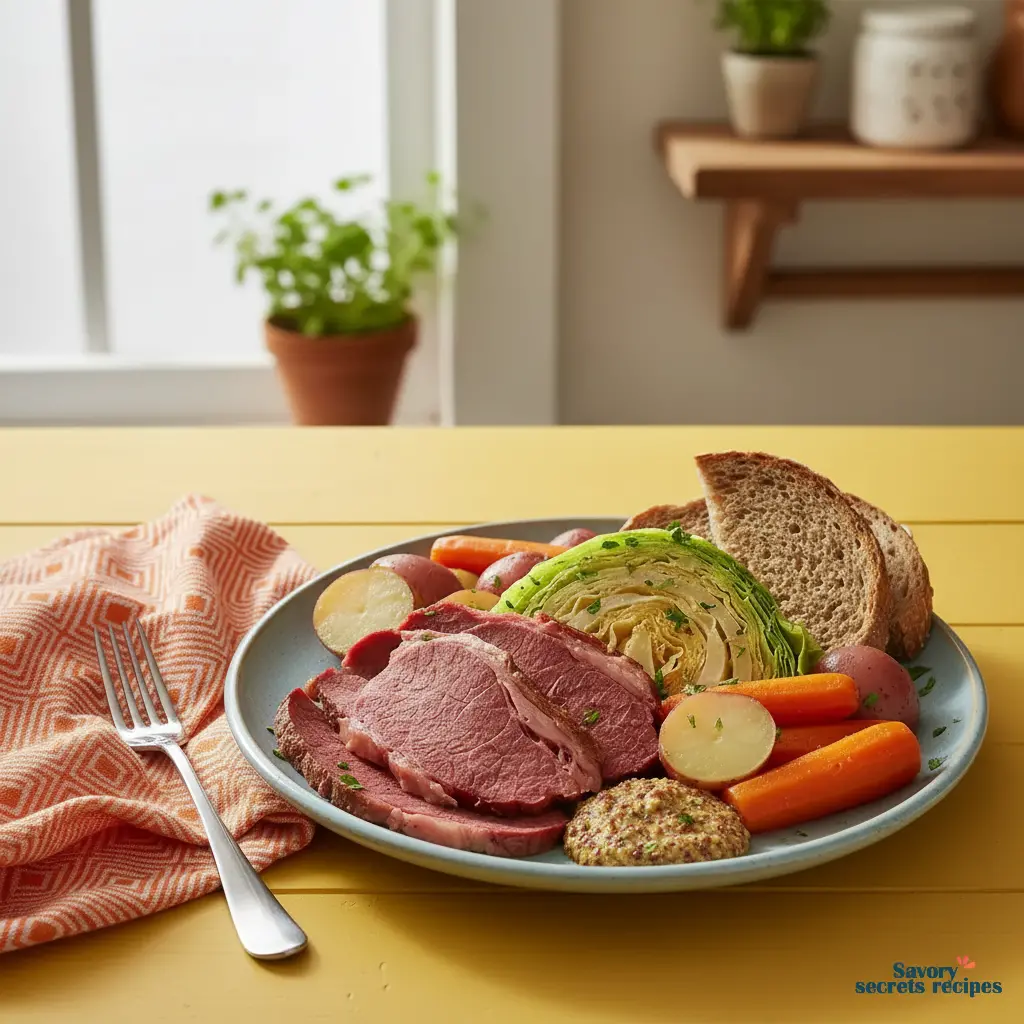
When everything’s ready, slice that corned beef against the grain. Arrange it on a big platter with your perfectly cooked vegetables. I like to top the potatoes, carrots, and cabbage with a little butter, salt, and pepper. Maybe a sprinkle of fresh parsley if I’m feeling fancy. At our house, we serve it with a grainy mustard or a creamy horseradish sauce for dipping, and maybe some soda bread on the side. It’s a full, comforting winter meal.
For storage, keep the beef and veggies in separate containers in the fridge. They’ll last 3-4 days. Reheat the beef gently in a bit of broth in a covered pan over low heat. The veggies are best reheated in a skillet to keep some texture, or you can just enjoy them cold. The broth is liquid gold—freeze it for your next soup.
Frequently Asked Questions
You’ve Just Upgraded Your Comfort Food Game
When you serve this—with that beautifully sliced corned beef, the potatoes that still have some bite, and cabbage that’s tender but not sad—you’ll see what I mean. It feels like a real accomplishment, but it’s just smart, separate cooking. You’ve taken control of the pot. This method for cooking cabbage and potatoes separate from corned beef turns a potentially frustrating tradition into a reliably delicious one. Give it a try this season. I think you’ll be as converted as I am. And if you do, tag me online. I’d love to see your perfectly textured, non-mushy masterpiece.
Can you cook the vegetables separate from corned beef?
Absolutely, and I highly recommend it. That’s the whole idea behind cooking cabbage and potatoes separate from corned beef. It prevents the veggies from turning to mush and lets you control each ingredient’s texture perfectly. You just coordinate the timing so everything finishes around the same time.
Why is it called “corned beef”?
It’s named for the large “corns” or grains of rock salt traditionally used in the curing process. The salt preserves the beef and gives it that distinctive flavor and pink color. No actual corn is involved, which I know can be confusing!
What’s the biggest mistake people make with this dish?
Boiling everything together for hours. It’s the fast track to overcooked, bland vegetables. The method of cooking cabbage and potatoes separate from corned beef solves this completely. It requires a tiny bit more attention, but the payoff in texture and flavor is worth every penny.












4 Responses
My husband, who claims to hate cabbage, asked for seconds. That says it all! The texture was perfect.
First time making corned beef. Your step-by-step photos were super helpful, especially showing the vegetable texture. Success!
It was good, but a bit salty for my taste. I think the seasoning packet did it. Next time I’ll rinse the brisket first.
Perfect for a chilly night. The potatoes soaked up all that flavorful broth. A new family favorite.