




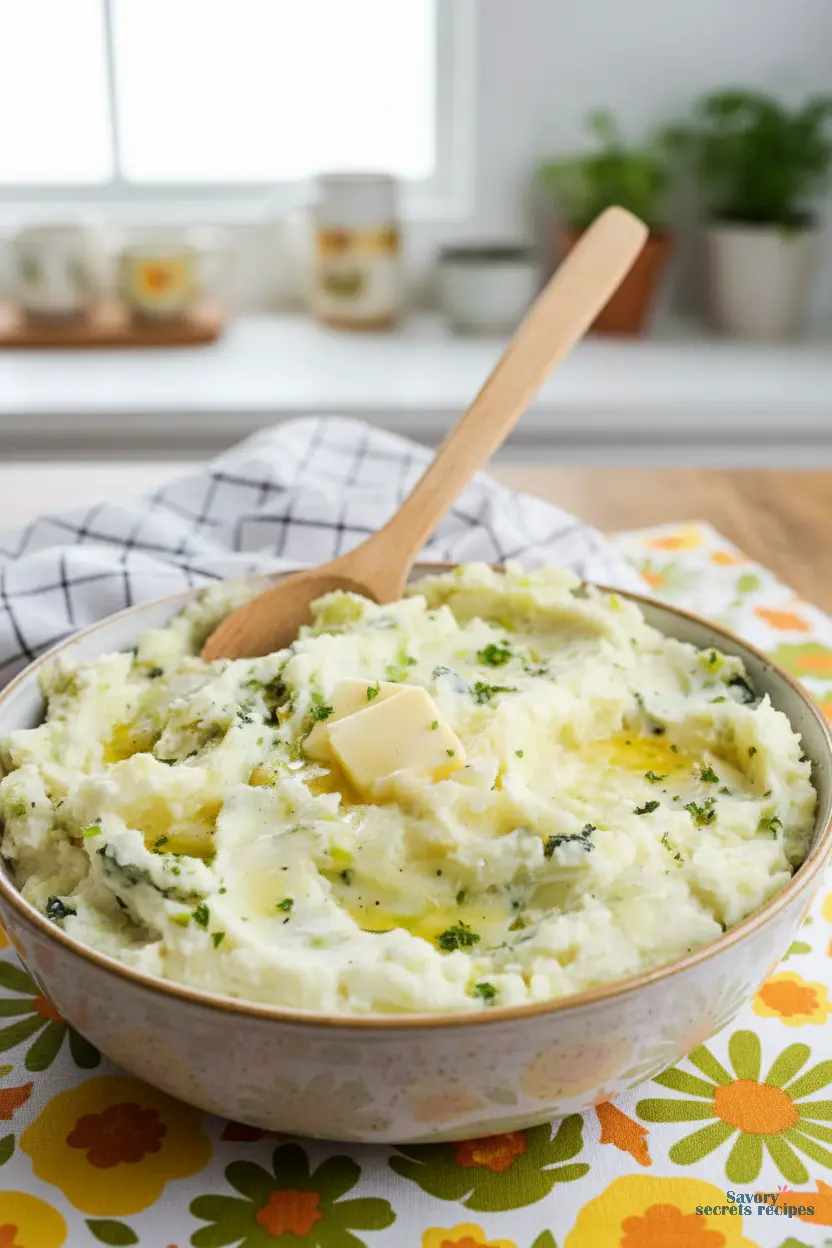
Cabbage and Potatoes Recipe
Ingredients
Method
- Bring a large pot of salted water to a boil. Add the potatoes and cook for 12 to 15 minutes until tender when pierced with a fork.
- While the potatoes cook, prepare the onion or leeks and the cabbage. Dice the onion into ½-inch pieces, or thinly slice and rinse the white and light green parts of the leeks. Cut the cabbage into 1-inch pieces.
- Melt one-quarter cup of butter in a large skillet over medium heat. Cook the onion or leeks and cabbage in the butter until the onion is translucent and the cabbage is tender.
- Drain the cooked potatoes and return them to the warm pot. Mash with a potato masher, incorporating cream and butter until smooth. Season with salt and pepper.
- Fold the mashed potatoes, cabbage, and onions together gently.
- Add extra melted butter on top if you like.
- Gently fold the mashed potatoes, cabbage, and onions together. Top with extra melted butter and crumbled bacon, if desired.
Nutrition
Notes
- If you love bacon, cook 4-6 slices of bacon in a pan until crispy. Remove the bacon and set aside. Add 1 tablespoon of butter to the bacon drippings.
- Cook onion or leeks and cabbage in the bacon drippings until the onion is translucent and the cabbage is tender.
- Mix the bacon, cabbage, and onions with the mashed potatoes per the recipe above.
When You Need Something Warm and Simple
I got home last Tuesday, you know the kind of night. It was already dark at 5 PM, that weird LA winter chill had settled in (okay, it was 58 degrees, but still), and my daughter was asking what was for dinner before her backpack even hit the floor. My brain was just static. I stood in front of the fridge, staring at a head of cabbage and a bag of potatoes I’d bought with good intentions. Honestly, I almost ordered a pizza. But then I remembered my gran’s voice, clear as anything: “Two humble things, Grace. That’s all you need.” So I pulled out my biggest pot. And let me tell you, figuring out the best way to cook cabbage and potatoes that night wasn’t just about dinner. It was about finding a little bit of quiet, warm comfort in the middle of the chaos. It’s the kind of meal that feels like a hug from the inside, and I promise, it’s easier than it looks. This really is the best way to cook cabbage and potatoes for a no-fuss, satisfying meal.
I’ll admit, I’ve had my share of kitchen failures with cabbage. I once boiled it into a sad, gray, sock-smelling mush that haunted my apartment for days. My husband still brings it up. But that’s the thing, though—when you get it right, these two budget-friendly vegetables transform into something genuinely special. It’s the ultimate cheap dinner that doesn’t taste cheap. So if you’re staring at similar ingredients, feeling that weeknight dinner pressure, I’m telling you: this method is your friend. Let’s be realistic here, it’s just boiling vegetables. But doing it this way, with a few simple tricks, makes all the difference. It’s the best way to cook cabbage and potatoes, hands down.
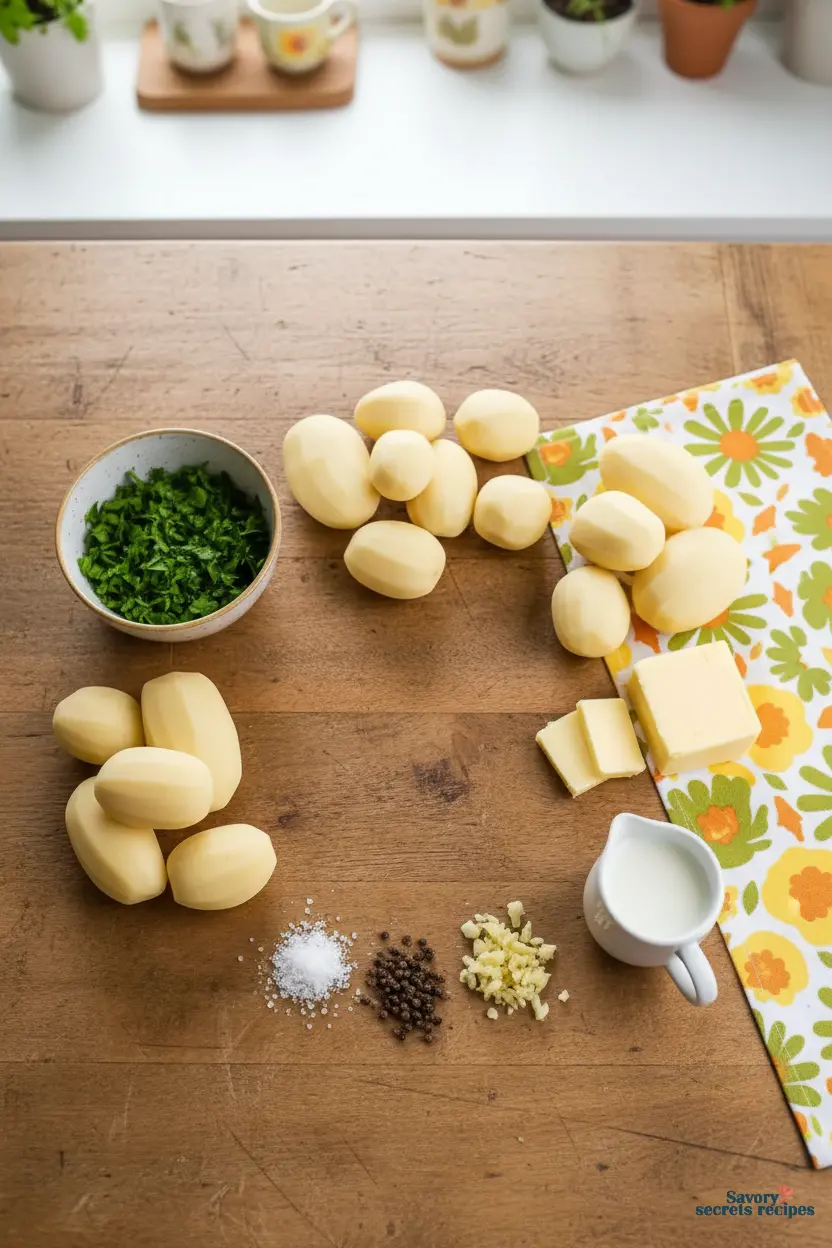
Why This Is The Best Way to Cook Cabbage and Potatoes
Here’s what actually works. This isn’t just throwing things in water. It’s about layering flavors and textures in one pot, so everything comes out perfectly tender but not mushy. The potatoes get creamy and soft, soaking up all that good, buttery broth. The cabbage turns sweet and silky, losing that harsh raw bite but keeping a little bit of pleasant texture. And because you’re cooking them together, the potatoes release just enough starch to thicken the cooking liquid into a light, almost sauce-like broth. It’s magic. Honestly, it’s brilliant. You end up with a complete, comforting dish that’s more than the sum of its parts. For a busy parent or anyone short on time and energy, mastering this best way to cook cabbage and potatoes is a genuine weeknight win. It’s good bones for later, too—the leftovers are somehow even better.
Getting Started: No Precision Needed
First step: don’t overthink it. Grab your biggest pot with a lid—I use my trusty Dutch oven, but any large soup pot will do. Now, the chopping. This might not be traditional, though, but I like to cut my potatoes into chunks about the size of a ping-pong ball. Smaller pieces cook faster and more evenly. For the cabbage, just cut the head into wedges, maybe six or eight, cutting right through the core. The core helps the wedges hold together. That’s it. You’re not aiming for restaurant-perfect cuts here. This is home cooking. Use what you’ve got. If you only have red potatoes or Yukon Golds, use those. A bigger head of cabbage? Fair enough, you’ll just have more. The method is forgiving.
The Simple Simmer
Now, layer everything in the pot. Potatoes on the bottom, cabbage wedges nestled on top. This lets the potatoes start cooking in the direct heat of the water first, since they take a bit longer. Cover it all with water or a light broth—just enough to barely submerge the potatoes. I add a big pinch of salt right now. Salt fixes most things, and it seasons the vegetables from the inside as they cook. Bring it to a boil, then immediately reduce it to a gentle simmer. That’s the key. A rolling boil will beat up the cabbage and make the potatoes waterlogged. You want a few lazy bubbles breaking the surface. Let it do its work. Cover the pot, but leave the lid just slightly ajar so steam can escape. This helps control the cooking environment and prevents that, ahem, potent cabbage smell from taking over your kitchen completely.
The Recipe Science: Why This Works
Okay, a little kitchen nerd moment. Why is this the best way to cook cabbage and potatoes together? It’s all about cooking times and starch. Potatoes are dense and starchy. They need time and consistent, gentle heat for that starch to gelatinize and become tender. Cabbage, on the other hand, is mostly water and fiber. It cooks much faster. By layering them and starting with a cold liquid, you create a temperature gradient. The potatoes at the bottom get a head start. By the time the water comes to a simmer, they’re already on their way. The cabbage steams more than boils, which preserves its color and a better texture.
And that splash of vinegar some folks add? It’s not just for flavor. The slight acidity helps the cabbage retain a brighter color and keeps the cell walls a bit firmer, so you get tender but not disintegrated leaves. Your mileage may vary, but I add a tablespoon of apple cider vinegar. I’m not sure everyone will agree, but I like the subtle tang it gives the broth, too.
Tips for Perfect Cabbage and Potatoes Every Time
I’ve made this more times than I can count. Here’s what I’ve learned.
Preparation Tips
Cut the potatoes into small, even chunks. I know, it takes a minute. But it’s worth every penny of effort. Those uniform pieces cook at the same rate, so you don’t end up with some bits done and others crunchy. For the cabbage, don’t shred it too finely if you’re boiling it. Those bigger wedges or large pieces hold up better and won’t turn to slaw in the pot. And hey, if you want to make fried cabbage and potatoes a complete meal later in the week, just save some of the boiled veggies. They’re the perfect start.
Cooking Tips
Use Yukon gold potatoes if you can. They’re naturally creamier and hold their shape beautifully. Russets work too, they just get a bit more fluffy. The only real downside to this recipe is that, well, cooking cabbage doesn’t smell like roses. I usually crack a window over the sink or turn on the vent hood. But don’t worry. It tastes magnificently better than it smells. I promise. To test for doneness, pierce a potato chunk with a fork. It should slide in with just a little resistance, not fall apart. The cabbage should be tender enough to pierce easily with a knife, but not falling into strings.
Storage & Make-Ahead Strategy
This dish is a meal prep dream. Let it cool completely, then store it in an airtight container in the fridge. It’ll last for 3 to 4 days, easy. The flavors really settle in and get better. To reheat, I strongly recommend a skillet with a tiny bit of butter or oil over medium heat. It revives the texture and gives the edges a slight caramelization. The microwave works in a pinch, but it can make things a bit soggy. You can also freeze portions for a quick future meal. Just thaw overnight in the fridge before reheating.
Variations & Substitutions
This recipe is a fantastic canvas. No harm in trying different things.
Dietary Adaptations
For a vegan version, swap the butter for a good olive oil or vegan butter, and use a rich vegetable broth instead of water. It’s naturally gluten-free. To make it creamier at the end, stir in a splash of plain, unsweetened non-dairy milk or creamer with the butter.
Ingredient Substitutions
No white onion? Use a yellow one, or even a couple of shallots. Red cabbage adds a gorgeous color, just know it might tint the broth a bit. Carrots, sliced into coins and added with the potatoes, are a classic addition for a cabbage potatoes and carrots dish. They add a nice sweetness.
Flavor Variations
When you add the butter at the end, toss in a handful of fresh herbs. Dill is amazing with cabbage. Parsley or thyme works great with the potatoes. For a heartier meal, stir in a drained can of white beans or chickpeas during the last few minutes of cooking to warm through. If you want to make fried cabbage and potatoes later, start with these boiled ingredients—they’ll fry up faster and get beautifully crispy.
Common Mistakes to Avoid
❌ Mistake: Boiling everything at a raging, rolling boil.
✅ Solution: Keep it at a gentle simmer. A violent boil breaks down the vegetables too quickly, leading to mushy potatoes and disintegrated cabbage. A few soft bubbles is what you want.
❌ Mistake: Not salting the water enough.
✅ Solution: The water should taste seasoned, like a mild broth. This is your only chance to season the vegetables from the inside out. Don’t be shy.
❌ Mistake: Overcrowding the pot.
✅ Solution: Use a pot large enough so the vegetables are in mostly a single layer or just slightly piled. If they’re jammed in, they’ll steam unevenly and cook in their own liquid, which can make them soggy.
❌ Mistake: Overcooking because you’re going by time alone.
✅ Solution: Start checking at the 15-minute mark. Potatoes and cabbage sizes vary. The fork test is your best friend. It’s done when it’s done.
Frequently Asked Questions
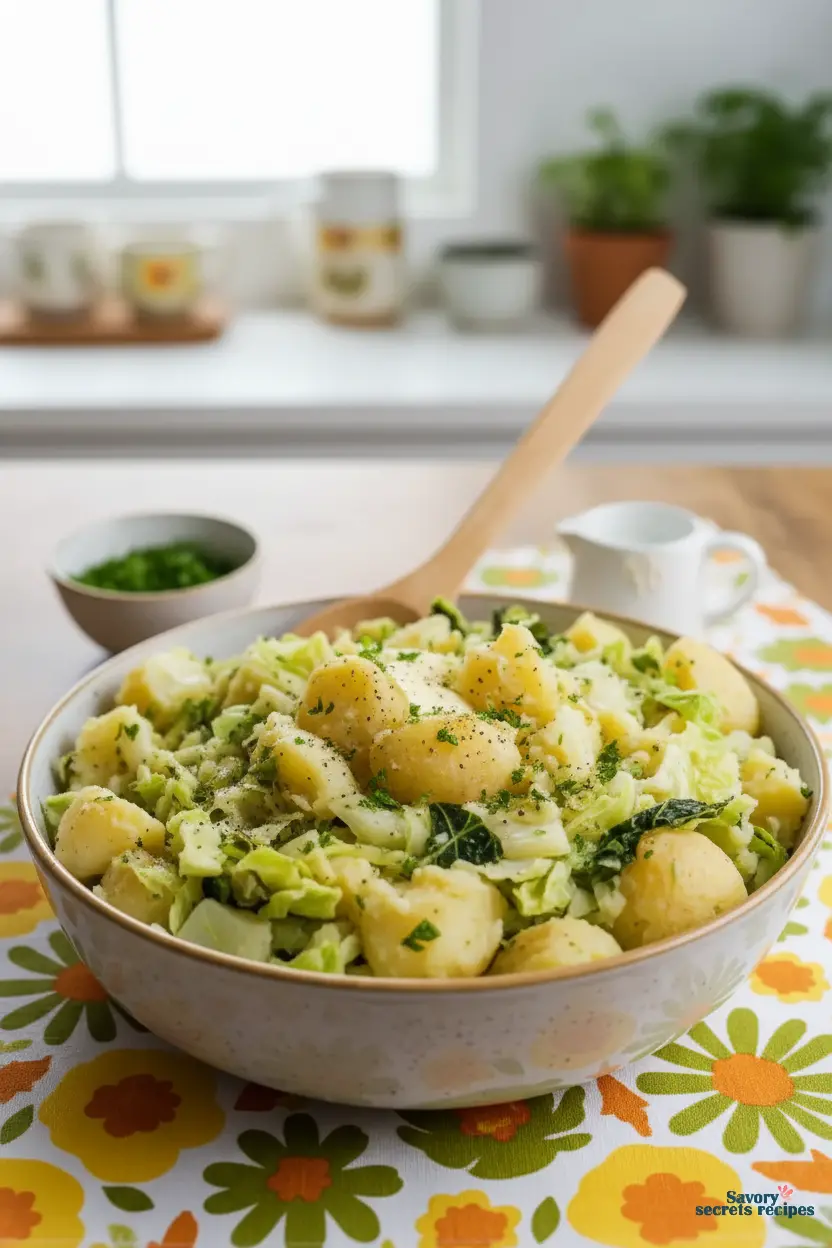
How to Store and Serve Your Dish
Leftovers are a gift from your past self. Let the dish cool, then pop it in an airtight container. It’ll keep in the fridge for 3 to 4 days. Reheating is best done in a skillet with a little butter or oil over medium heat—it brings back the texture and even adds a nice little caramelized edge. The microwave works, but the potatoes can get a bit gummy. To serve, I love it just as is, a big bowl of comfort. It’s a fantastic side to a simple roasted chicken or a piece of pan-seared fish. To make it a main, top it with a couple of fried eggs or stir in some white beans. My daughter likes hers with a sprinkle of shredded cheddar. Serve it with a thick slice of buttered brown bread or cornbread to soak up every last drop of that delicious broth. That’ll do it for a complete, satisfying meal.
Warm Up Your Kitchen
When you make this, you’ll love how something so simple can quiet the dinner-time chaos and fill your kitchen with that warm, comforting smell. You’ll have a pot of something wholesome, something that stretches another night, and something that just feels good to eat. I could eat this weekly. So next time you’re at Ralphs or Trader Joe’s and see those humble heads of cabbage and bags of potatoes, grab them. You’ve got the best way to cook cabbage and potatoes right here. Give it a try this week. And if you do, tag me in your photos or leave a comment telling me how it went. You’ve got this—now go warm up your kitchen!
Can cabbage and potatoes be cooked together?
Absolutely, and it’s the best way to cook cabbage and potatoes in my opinion! Cooking them together in one pot lets the flavors meld. Just remember to layer the potatoes on the bottom since they take a bit longer to become tender than the cabbage does.
How long do you boil cabbage to get it done?
When boiling cabbage with potatoes, it usually takes 15 to 20 minutes from when the water starts simmering. You want it tender enough to pierce easily with a knife, but still holding its shape. It continues to soften a bit off the heat, so err on the side of slightly firm.
What is the best method of cooking cabbage?
For a tender, sweet result, I think gentle boiling or braising is the best method. High, dry heat can make it tough. This best way to cook cabbage and potatoes uses a covered, gentle simmer which perfectly softens the cabbage while infusing it with flavor from the potatoes and broth.
How long should you boil potatoes and cabbage?
For 1-inch potato chunks with cabbage wedges, start checking at 15 minutes. It typically takes 18-22 minutes total. The potatoes should be fork-tender and the cabbage should be soft. This timing makes it one of the quickest, most reliable methods for cooking cabbage and potatoes together.
What spices are good in boiled cabbage and potatoes?
Keep it simple. Salt and pepper are essential. I love adding a bay leaf to the pot, and a pinch of caraway or celery seed with the cabbage is classic. Finish with lots of fresh dill or parsley and a big pat of butter. That’s the best way to cook cabbage and potatoes for flavor.
Can you overcook cabbage when boiling?
You sure can, and I’ve done it. Overcooked boiled cabbage turns grayish, mushy, and develops a strong, unpleasant sulfur smell. That’s why the gentle simmer and checking early are so important. It’s the difference between a lovely side and, well, something you have to open windows for.