



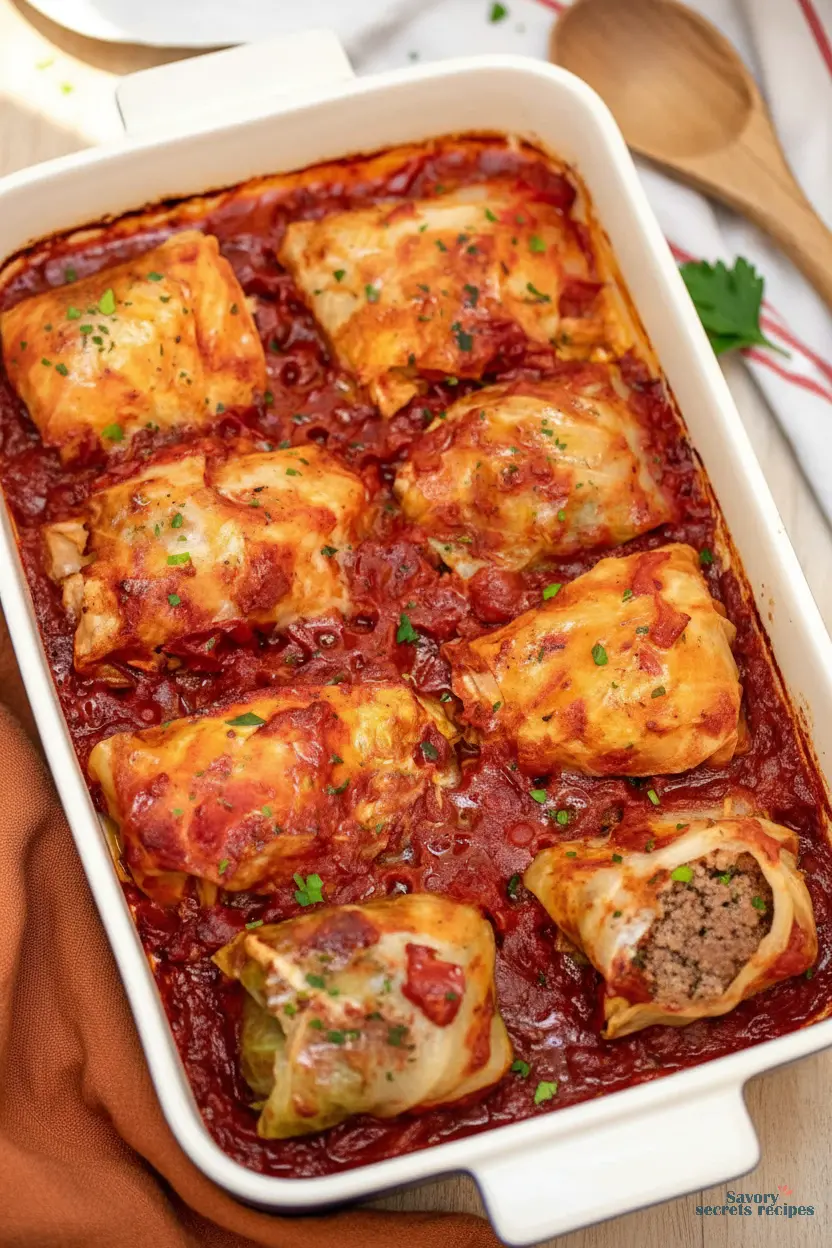
Spiced Cabbage Rolls with Mama Lu's Secret Blend
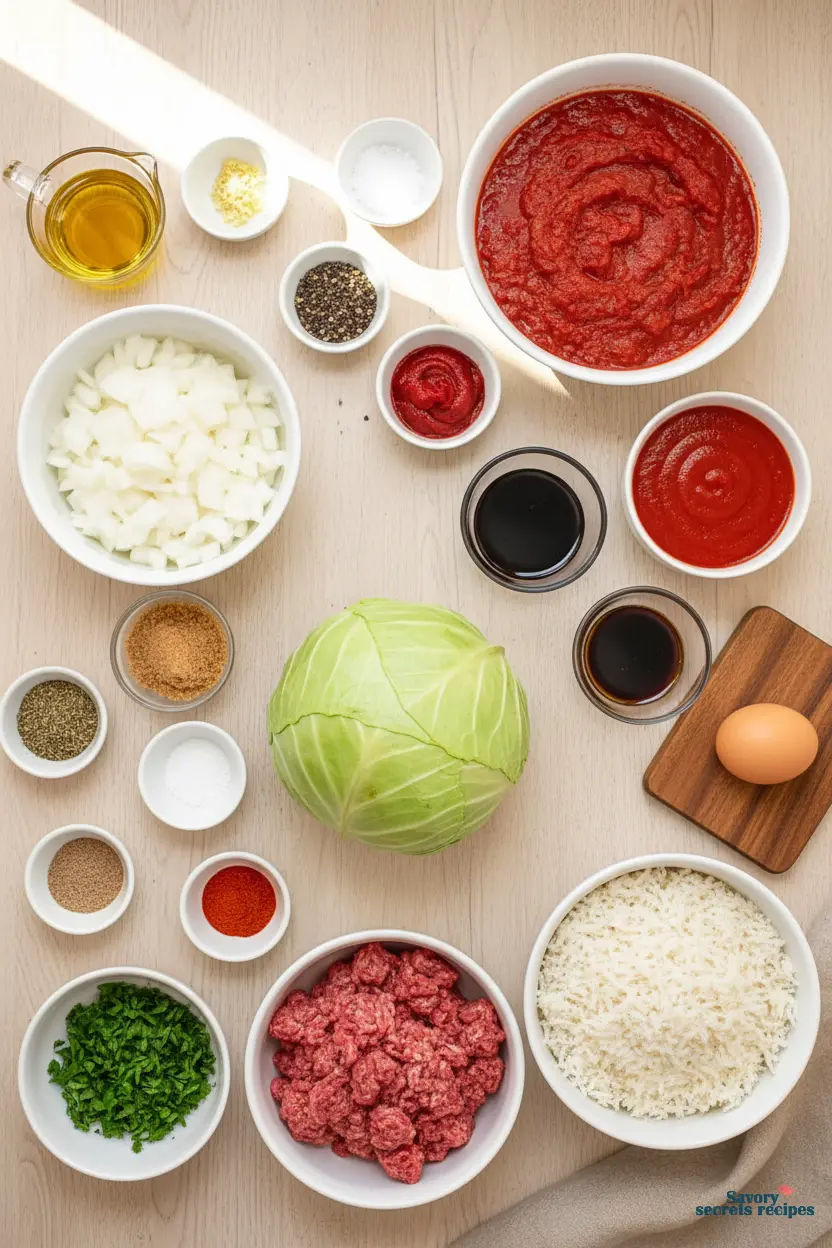
Ingredients
Method
- Heat a large pot over medium heat and add olive oil. Once the oil is hot, add the onion and cook for 2-3 minutes until translucent.
- Stir in the garlic and cook for 30 seconds.
- Combine the crushed tomatoes, tomato sauce, tomato paste, Italian herbs, salt, pepper, brown sugar, Worcestershire sauce, and red wine vinegar. Stir the mixture and bring it to a simmer.
- Cook for 10 to 15 minutes, stirring occasionally.
- Bring a large pot of water to a boil.
- Preheat the oven to 350 degrees Fahrenheit.
- Submerge the cabbage head in boiling water and cook for 4 to 5 minutes, until the leaves become pliable.
- Remove and peel twelve large leaves from the water.
- In a large bowl, combine the ground beef, rice, onion powder, garlic, salt, pepper, Worcestershire sauce, paprika, Italian herbs, two tablespoons of fresh parsley, and the egg.
- Stir in half a cup of the prepared tomato sauce.
- Place each cabbage leaf flat and cut a V-shaped notch with a small knife to remove the thick part of the rib.
- Take one-third cup of the meat mixture and form it into a log. Place the log in the center of a cabbage leaf and roll the leaf around it. Repeat with the remaining meat mixture and cabbage leaves.
- Spray a 9x13-inch pan with cooking spray. Spread half the tomato sauce in the bottom, then place the cabbage rolls seam-side down. Cover with the remaining sauce.
- Cover with foil and bake for 70 to 90 minutes, until the cabbage is tender and the meat is fully cooked.
- Sprinkle the remaining parsley over the dish and serve.
Nutrition
Notes
Why This Recipe Works
Here’s the thing. I used to stare at my spice rack, totally overwhelmed, whenever I’d pull out a head of cabbage. My first few attempts at spices for cabbage rolls were, I’m not going to lie, pretty bland. They were edible, sure, but they didn’t have that deep, savory, aromatic hug I was after. Real talk: the secret isn’t one magic bullet. It’s about building layers. This recipe works because it treats the spices for cabbage rolls in two distinct places: right in the filling for immediate flavor, and simmered into the sauce for that slow, permeating goodness. Future you will thank you for taking those extra five minutes to bloom the paprika and garlic powder in the onion. It makes all the difference.
The Spice Breakdown: Your Flavor Roadmap
Let’s talk about the spices for cabbage rolls, specifically. This isn’t just a dump-and-stir situation. I think of it in two teams. Team Filling: that’s your ground beef and rice mixture. This is where onion powder and garlic powder do their heavy lifting, giving you that savory base without any raw bite. Paprika is your color and subtle sweetness. Then there’s Team Sauce. This is where the magic deepens. Simmering a bay leaf and a pinch of allspice in the tomato sauce? Honestly kind of genius. It adds this warm, almost mysterious background note that makes people ask, “What is *in* this?”
Building the Filling Flavor
For the filling, you want your spices for cabbage rolls to be fully incorporated and balanced. Don’t just sprinkle them on top of the meat. Mix your onion powder, garlic powder, paprika, salt, and pepper with the Worcestershire sauce and egg first. It creates a paste. Then you mix that into the beef and rice. It distributes so much more evenly. I learned this the hard way after a few bites that were all pepper and nothing else. This way, every single bite is consistently savory.
The Rolling Technique: No Stress, I Promise
This might just be me, but I used to be terrified of rolling these things. They’d fall apart, the filling would spill… it was a mess. Here’s what I wish someone had told me. First, your cabbage leaves need to be pliable. Boil the whole head for a few minutes until the outer leaves peel off easily. Dry them *really* well with a kitchen towel. A wet leaf is a slippery leaf, and the filling won’t stick. Place a good mound of filling near the stem end, fold in the sides, and roll it up like a little burrito. Place it seam-side down in your dish. They don’t need to be perfect. Once they’re all snuggled together in the sauce, they’ll hold.
Simmering vs. Baking: A Matter of Time
You’ve got options here, and both are totally doable. Baking your spices for cabbage rolls is my go-to for a Sunday afternoon. It’s hands-off. You get that beautiful caramelization on the top edges of the cabbage where they peek out of the sauce. The aroma that fills your kitchen is the definition of comfort food. Simmering on the stovetop is faster, honestly. The sauce stays a bit thinner, but it’s still so delicious. If you’re short on time, that’s your move. Just keep the heat low and steady, and maybe place a lid upside down on top to keep the cabbage submerged if it floats. A little hack from my grandma Evelyn’s book.
Tips for Perfect Spices for Cabbage Rolls
Real talk, a few small moves make these foolproof.
Preparation is Everything
Use a large head of cabbage. The bigger leaves are easier to roll. Savoy cabbage is actually softer and more pliable if you can find it at your Ralphs or Vons. And don’t toss the core! After boiling, slice a bit off the bottom—the leaves will practically fall off. Any leftover cabbage gets chopped for stir-fry later in the week. Waste not, want not.
Cooking for Success
Lean ground beef (I use 85/15) is your friend. Too fatty and your sauce will be greasy. You don’t need to pre-cook the beef, but if you’re nervous, you can brown it first, drain it, and pat it dry. For the rice, cooked and cooled is best. If you’re in a hurry, minute rice works in a pinch. And that sauce? If it tastes too sharp from the tomatoes, a tablespoon of brown sugar smooths it right out. Future you will thank you.
Make-Ahead Magic
This is a Sunday job that reheats like a dream. You can assemble the whole dish—rolls nestled in sauce—cover it tightly, and refrigerate it for a day before baking. You can even freeze it before baking. Just thaw it in the fridge overnight. Having a pan of these ready to go on a Wednesday night feels like you’ve unlocked a secret level of adulthood.
Alcohol-Free Variation
This recipe can easily be made without alcohol. Here are the substitutions I recommend:
- Red wine → beef broth + 1 tbsp red wine vinegar. For depth of flavor
These swaps maintain the depth of flavor while keeping the dish completely alcohol-free. Perfect for family-friendly meals or personal preference.
Variations & Substitutions
This recipe is wonderfully adaptable. That said, here are some ways to make it your own.
Dietary Adaptations
For a gluten-free version, just double-check your Worcestershire sauce brand (some contain malt vinegar from barley). For a vegetarian spin, swap the ground beef for a plant-based ground “meat” or cooked brown lentils. You’ll want to bump up the spices for cabbage rolls a bit, as lentils can be mild.
Ingredient Swaps
No green cabbage? Savoy works beautifully. Out of white rice? Brown rice, quinoa, or even cauliflower rice are great. If you’re using ground turkey or chicken, add a tablespoon of olive oil to the filling to keep it moist. The core spicing principle stays the same. Red cabbage can also be a vibrant and tasty alternative, offering a slightly different texture and flavor profile.
Flavor Twists
My husband loves a bit of heat, so sometimes I add a pinch of red pepper flakes to the filling. For a more Eastern European profile, add a teaspoon of dried marjoram or dill to the sauce. Playing with the spices for cabbage rolls is how you make the recipe yours. For a completely different flavor direction, explore the bold, fermented taste of dishes like kimchi, which uses its own unique set of spices and seasonings.
Common Mistakes to Avoid
We’ve all been there. Here’s how to sidestep the common pitfalls.
❌ Mistake: Using raw, stiff cabbage leaves.
✅ Solution: Always boil or steam the whole head first to soften the leaves. Rolling is impossible otherwise.
❌ Mistake: Not drying the blanched leaves.
✅ Solution: Pat them thoroughly with a kitchen towel. A wet leaf means the filling slides out and your roll falls apart.
❌ Mistake: Overloading the baking dish with sauce.
✅ Solution: The sauce should come about halfway up the rolls. Too much and they can get mushy.
❌ Mistake: Using ultra-lean meat (like 99/1).
✅ Solution: A little fat (85/15 or 90/10) keeps the filling juicy and tender, not rubbery.
❌ Mistake: Adding uncooked rice to the filling.
✅ Solution: Always use cooked rice. Raw rice absorbs all the liquid and leaves you with dry, crunchy rolls.
Frequently Asked Questions
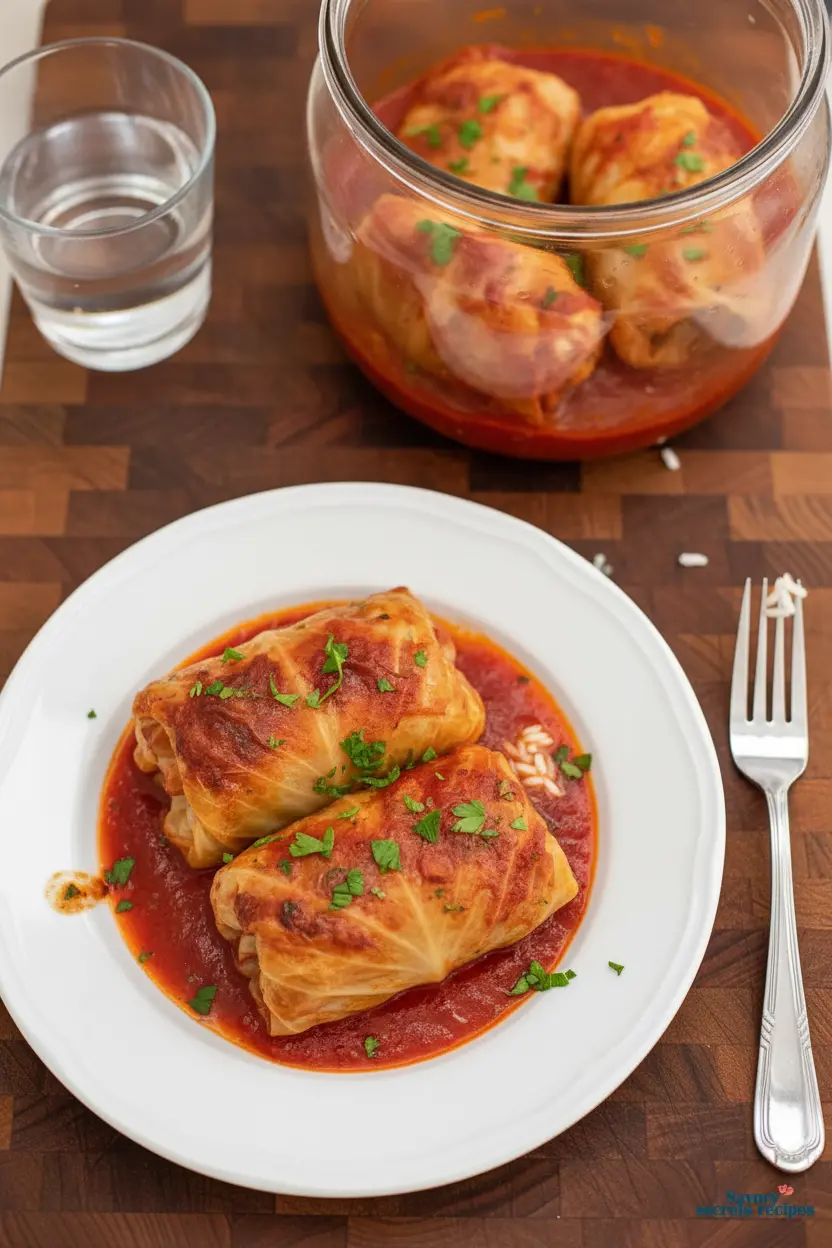
How to Store and Serve Spices for Cabbage Rolls
Let leftovers cool completely, then store them in a shallow airtight container in the fridge for 3-4 days. To freeze, arrange cooled rolls on a parchment-lined sheet pan, freeze solid, then transfer to a freezer bag for up to 3 months. Reheating is key: do it in the oven at 350°F (175°C) with a splash of water or extra sauce, covered, for 30-40 minutes. The microwave works in a pinch, but the oven keeps the texture perfect. Serve with a dollop of sour cream, a side of mashed potatoes to soak up the sauce, or a simple green salad. Dinner’s already halfway done.
Wrapping It Up
When you make these spices for cabbage rolls, you’re not just making dinner. You’re building a little fortress of flavor that can weather a busy week. The spices for cabbage rolls are your blueprint, but don’t be afraid to make it yours. Maybe add a little more paprika, maybe try it with a pinch of thyme. The goal is that moment when you pull the dish from the oven, the kitchen smells incredible, and you know you’ve made something truly satisfying. Let me know how your spiced version turns out. I’m a little obsessed with hearing how these recipes land in other kitchens.
What are the best spices for cabbage rolls?
It’s all about layering. For the filling: onion powder, garlic powder, paprika, salt, and pepper. For the simmering sauce: a bay leaf, a pinch of allspice, and dried herbs like marjoram or thyme. This two-prong approach builds deep, complex flavor.
Can I make spices for cabbage rolls ahead of time?
Absolutely. Assemble the whole dish, cover it tightly, and refrigerate for up to 24 hours before baking. You may need to add 10-15 minutes to the bake time since it’s going in cold. It’s a perfect meal prep move.
How do I store leftover spices for cabbage rolls?
Let them cool completely, then store in an airtight container in the fridge for 3-4 days. They reheat beautifully in the oven or on the stovetop with a splash of water or extra sauce to keep them moist.
Can cabbage rolls be frozen?
Yes, and they freeze like a dream. Freeze them individually on a parchment-lined sheet pan, then transfer to a freezer bag. Or freeze the whole unbaked (or baked) dish. Thaw in the fridge overnight before reheating.
Why are my cabbage leaves tough?
You probably didn’t boil them long enough. The leaves need to be fully pliable to roll and then soften further during cooking. A good 8-10 minute boil for the whole head usually does it. Don’t rush this step.
Should I freeze my cabbage before using it?
You can, but I don’t find it necessary. Freezing the whole head overnight will wilt the leaves, making them easy to peel, but it also can make them a bit waterlogged. The quick boil method is more reliable, in my experience.
What’s the difference between Polish and Ukrainian spices for cabbage rolls?
It often comes down to the sauce and a spice or two. Polish versions (Gołąbki) often use a tomato-based sauce like this one. Ukrainian Holubtsi might use a sour cream sauce or bake them with sauerkraut. The spices for cabbage rolls can vary too, with dill or caraway seeds being more common in Ukrainian styles.
Can I thicken the cabbage roll sauce?
If your sauce is too thin after baking, pour it into a saucepan and simmer for 5-10 minutes to reduce. You can also mix a teaspoon of cornstarch with a tablespoon of cold water and stir it into the simmering sauce until it thickens.