




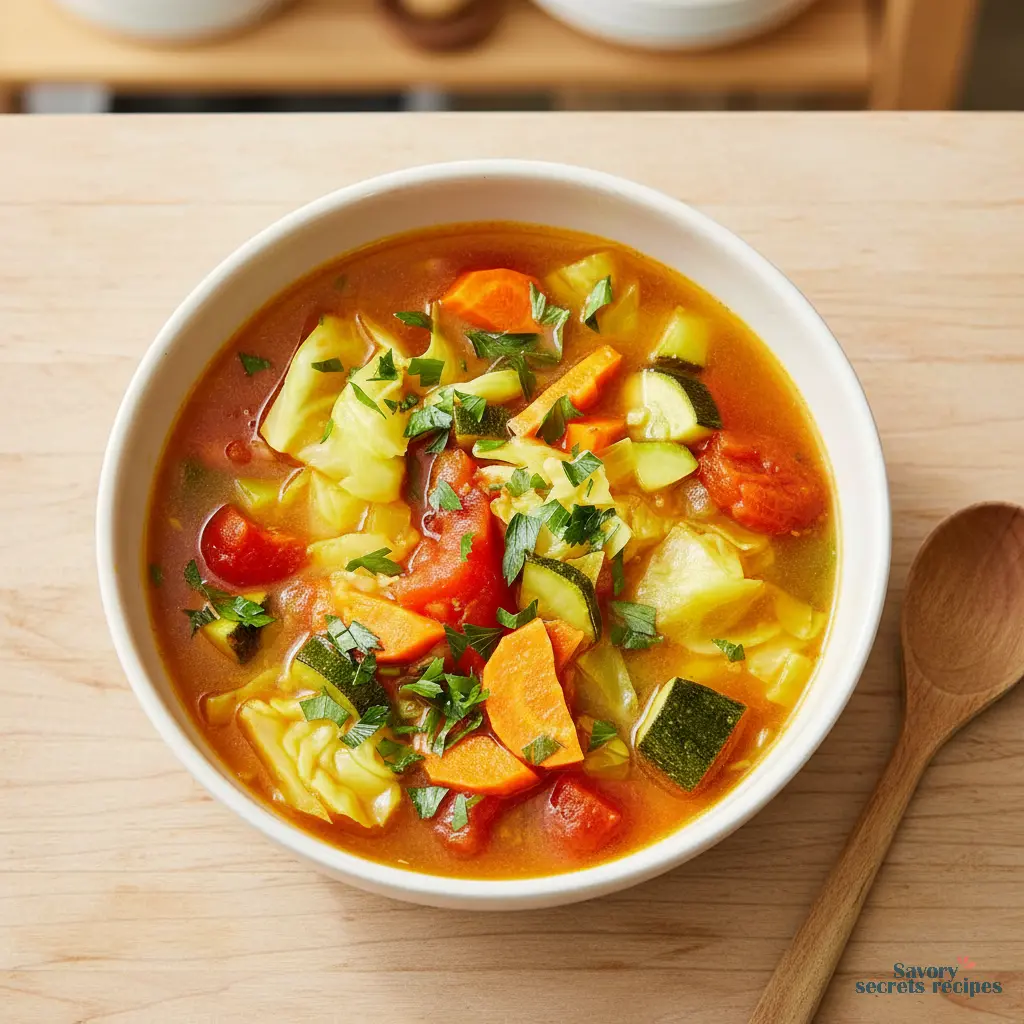
Healing Cabbage Soup with Ginger and Turmeric
Ingredients
Method
- Heat the oil in a large pot over medium heat. Add the onion and carrots, and cook while stirring for about 3 minutes until they begin to soften. Stir in the garlic, ginger, turmeric, and crushed red pepper, and cook for about 1 minute until fragrant. Pour in the broth, tomatoes with their juices, salt, and pepper, then bring to a boil. Mix in the cabbage and zucchini, return to a boil, and reduce the heat to a simmer. Cook, stirring occasionally, for about 10 minutes until the vegetables are tender. Serve, optionally sprinkled with parsley.
Nutrition
Notes
When Your Body Asks for Something Warm
I don’t know about you, but by mid-January in Cambridge, I’m done. The gray skies, the dry indoor heat, the constant sniffles from my daughter’s preschool—it all adds up to this deep, physical craving for something that feels like a hug from the inside out. Honestly, my body starts sending signals. It wants warmth. It wants simplicity. It wants something that doesn’t just fill the belly, but actually makes you feel… better. That’s where this cabbage and ginger soup comes in. It’s my winter reset button.
This isn’t some complicated cleanse recipe. It’s the kind of thing my avó would have simmered on a back burner all afternoon, the smell of garlic and olive oil seeping into every corner of her Somerville triple-decker. She never called anything “immune-boosting,” but she knew. She just knew that a good bowl of soup fixed more than hunger. This cabbage and ginger soup recipe is my version of that wisdom—evidence-led, but rooted in that same comforting intuition.
Why This cabbage and ginger soup Works
Here’s the thing, though. A lot of “healthy” soups can taste like punishment. You know the ones—all virtue, no joy. This cabbage and ginger soup is the opposite. It works because it builds flavor in layers, starting with that foundational sauté of onion, carrot, and celery. That’s where the sweetness comes from. Then you add the garlic and a really generous amount of fresh ginger, which gives it that warming, almost spicy backbone. The turmeric isn’t just for color; it adds an earthy depth that makes the soup feel substantial.
But the real trick, the one I learned from testing this three times? You add the cabbage in two stages. A little at the beginning to soften and sweeten, and the rest later so it keeps some texture. It keeps the soup from turning into a mushy, one-note pot of greens. You end up with a bowl that’s vibrant, satisfying, and honestly, really delicious. It’s the weeknight answer I’ve been looking for.
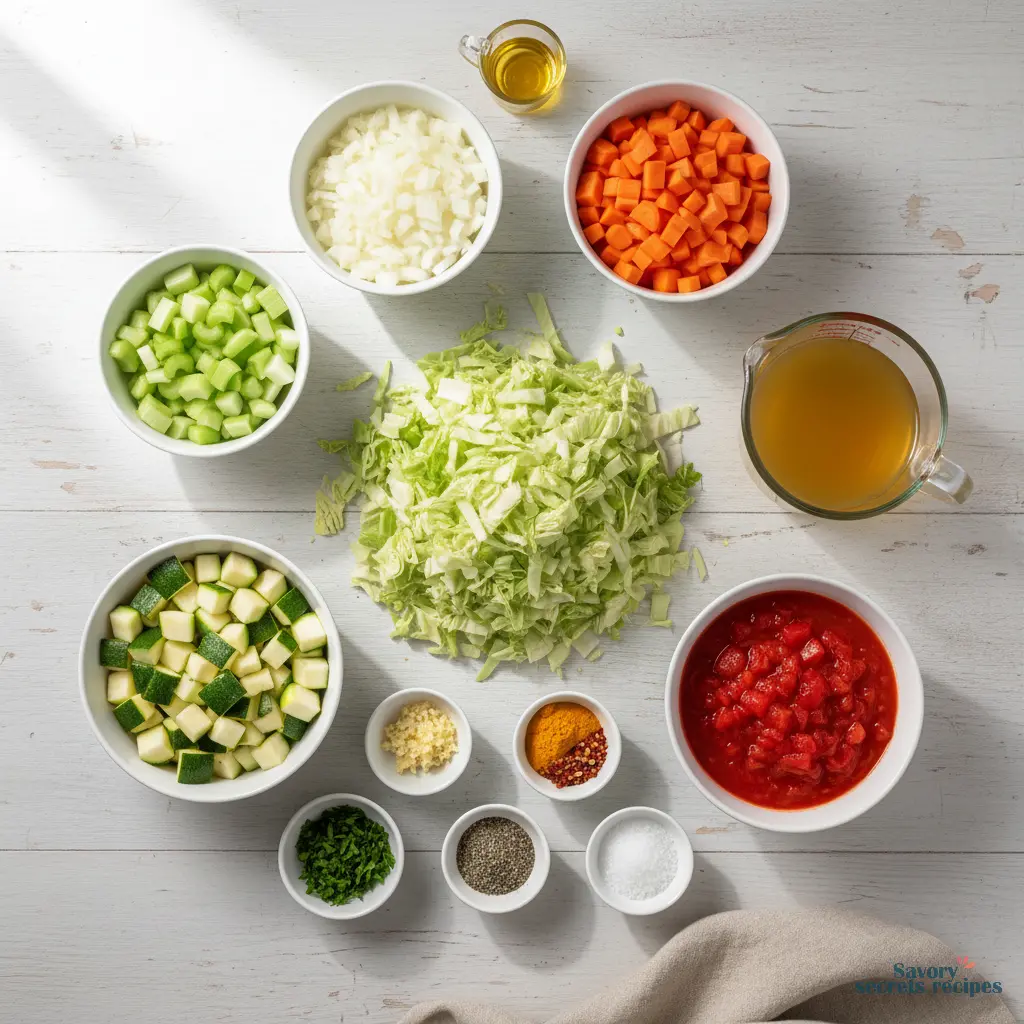
Building Your Soup, Step by Step
Okay, let’s walk through this. It’s a one-pot situation, which I love because it means less cleanup. You’ll start by warming some olive oil in your biggest pot or Dutch oven over medium heat. Then in goes the onion, carrot, and celery. Fair enough, this is the classic start. You’re not looking to brown them, just soften them until the onion gets translucent. That takes about 8 minutes, and it builds this incredible sweet base for your cabbage and ginger soup.
Now, the flavor boosters. Add the garlic, ginger, turmeric, and that pinch of red pepper. Stir it around for just a minute—until it’s fragrant. You’ll smell it. It’s this amazing, warm, spicy aroma that just fills your kitchen. That’s your signal to pour in the broth and the tomatoes. Scrape up any little bits stuck to the bottom of the pot. Those bits are flavor gold.
The Cabbage Strategy
This is the part most people, I think, get wrong. You add about two-thirds of your chopped cabbage now. Let it simmer with the broth for a good 15 minutes. This allows the cabbage to wilt down, sweeten up, and really infuse the broth with its flavor. Then, you stir in the remaining fresh cabbage and the diced zucchini. This second addition only needs about 5-7 minutes to become tender-crisp. It keeps the soup interesting, texturally. You get this great contrast between the soft, sweet cabbage and the brighter, firmer bites. Season in layers, not all at once, so taste it now and add the salt and pepper.
Tips for Your Best cabbage and ginger soup
I want you to feel confident, so let me think about the common hiccups for a second.
Preparation Tips
Peel your ginger with a spoon. Seriously, it’s the easiest way to remove the tough skin without wasting the good stuff underneath. And chop all your vegetables before you heat the oil. That “mise en place” makes the actual cooking so stress-free. For the cabbage, just cut the half-head into wedges, cut out the core, and then chop the leaves into bite-sized pieces. Exact sizes don’t matter much here. If you’re looking for more creative ways to use a whole head of cabbage, our pillar page has plenty of ideas for what to do with lots of cabbage.
Cooking Tips
Don’t rush the initial vegetable soften. If the vegetables aren’t appealing, the recipe isn’t working, and it all starts here. That 8 minutes is non-negotiable for building flavor. Also, keep the soup at a gentle simmer after you add the broth, not a rolling boil. A hard boil can make the vegetables break down too much and turn the broth cloudy.
Storage & Make-Ahead Strategy
This soup is a meal-prep dream. Make a big pot on a Sunday, and you’ve got lunches for nearly a week. The flavors actually get better after a day or two. Allow it to cool completely, then store it in airtight containers in the fridge. It’ll keep for up to 5 days. You can also freeze it for up to 3 months. I like to use reusable silicone bags—just squeeze out all the air before sealing.
Make It Your Own: Variations & Substitutions
This recipe is a fantastic hypothesis, but your kitchen is the lab. Taste as you go—your palate is data.
Dietary Adaptations
The recipe as written is vegan if you use vegetable broth. To bump up the plant-based protein, stir in a can of rinsed chickpeas or white beans with the second round of cabbage. It makes the soup even heartier.
Ingredient Substitutions
No vegetable broth? Chicken broth works beautifully. No fresh ginger? I’d be hesitant. You could use ginger paste from a tube in a pinch, but the flavor of fresh is so much brighter. I don’t recommend powdered ginger here. If you want more greens, kale or spinach stirred in at the very end is great. For another simple, healthy side dish featuring cabbage, try our easy recipe for sauteed cabbage and carrots.
Flavor Variations
Want a richer vibe? Add a Parmesan rind to the pot while it simmers—it adds a savory depth. For a spicy kick, add some finely chopped jalapeño with the garlic. If you have some cooked brown rice or quinoa, a scoop in the bottom of your bowl turns this into a complete meal.
Common cabbage and ginger soup Mistakes to Avoid
❌ Mistake: Using red cabbage instead of green.
✅ Solution: Stick with green cabbage. Red cabbage has a peppery, more bitter flavor and will turn your beautiful golden broth a strange purple color. It’s a different soup entirely.
❌ Mistake: Adding all the cabbage at once and overcooking it.
✅ Solution: Use the two-stage method I described. It preserves texture and gives you a more complex flavor profile in your cabbage and ginger soup.
❌ Mistake: Skipping the fresh ginger or substituting only powder.
✅ Solution: Don’t replace fresh ginger with ginger powder unless you absolutely must! That sharp, clean heat is central to the soup’s character. Most well-stocked supermarkets, even my local Trader Joe’s, carry fresh ginger root year-round.
❌ Mistake: Underseasoning.
✅ Solution: Broth varies so much by brand. Season in layers. Taste after the first simmer, and again at the end. If it tastes flat, a splash of lemon juice or a tiny bit of vinegar can wake the whole pot up. When in doubt, add acid.
Frequently Asked Questions
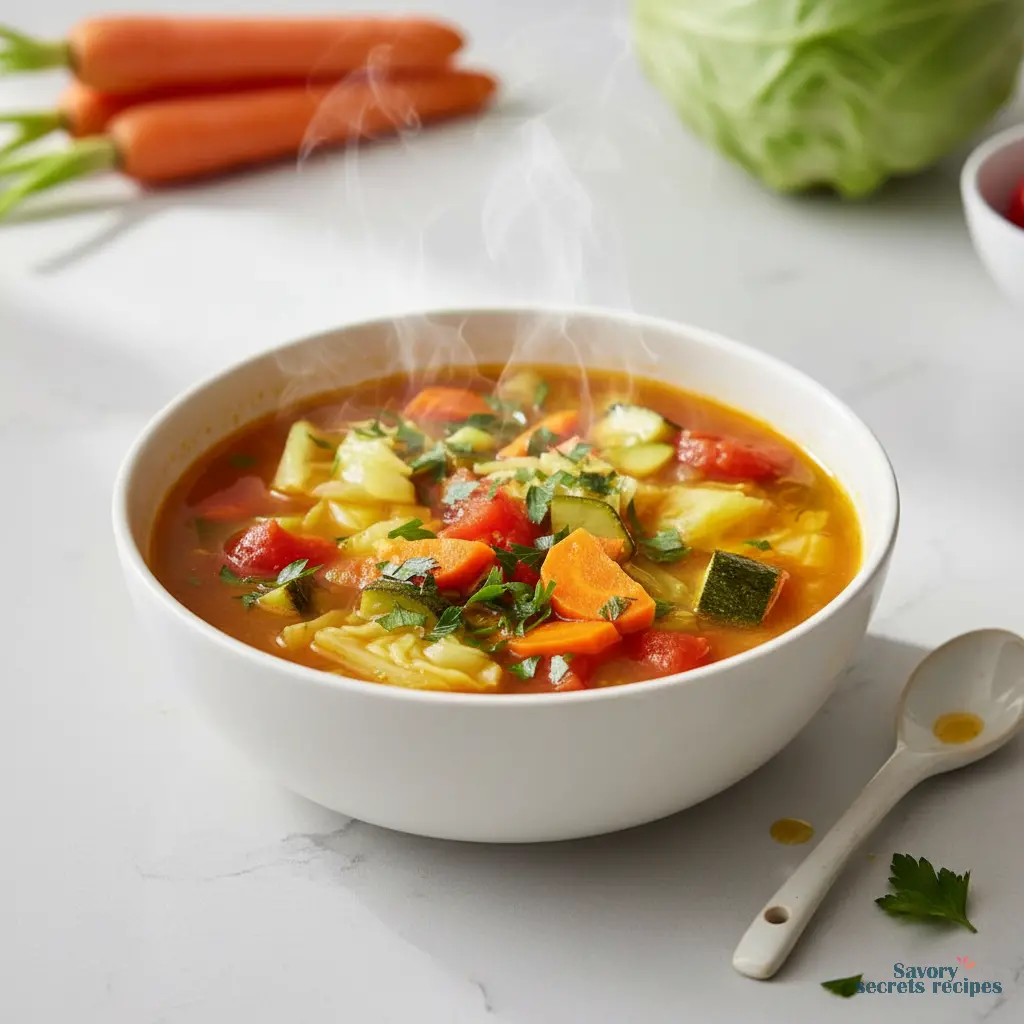
How to Store and Serve Your Soup
Let the soup cool to room temperature before storing. I transfer it to glass containers or those reusable silicone bags. In the fridge, it’s good for 5 days. For the freezer, 3 months is your best window for flavor. To reheat, I prefer the stovetop—just warm it gently in a pot over medium-low until it’s steaming. The microwave works too; just stir it halfway through to heat it evenly.
This cabbage and ginger soup is hearty enough to be a meal on its own, especially with a can of beans added. But I love it with a slice of crusty sourdough for dipping, or with a simple side salad for some extra crunch. A bright, lemony arugula salad contrasts perfectly with the soup’s warmth.
Warm Up From the Inside Out
When you make this cabbage and ginger soup, you’re doing more than just making dinner. You’re making a choice to nourish yourself in a really simple, direct way. You’ll feel the warmth of the ginger, you’ll see the vibrant colors in your bowl, and you’ll know you’re giving your body something good. It’s the kind of recipe that actually delivers on its promise—comfort, health, and flavor, all in one pot.
I’d love to hear how it goes for you. Did you add the beans? Try it with kale? Let me know in the comments. Sharing what works (and what doesn’t) is how we all get better in the kitchen. Now go warm up your winter.
Can you put ginger in cabbage soup?
Absolutely, and you should. Fresh ginger is what transforms a simple cabbage soup into something special. It adds a warming, spicy note that cuts through the sweetness of the vegetables and makes this cabbage and ginger soup really comforting. It’s a classic pairing for a reason.
Do you peel ginger before adding to soup?
Yes, you should peel it. The skin can be tough and fibrous. The easiest way is to scrape it off with the edge of a spoon—it glides right off and you waste less of the good ginger flesh underneath. Then, just mince it finely.
Can you overcook cabbage in soup?
You can, and it’s a common mistake. Overcooked cabbage becomes mushy, loses its vibrant color, and can develop a stronger, sometimes unpleasant sulfurous smell. That’s why I add it in two batches for this cabbage and ginger soup. You get the best of both worlds: sweet, infused flavor and pleasant texture.