





Spicy Rotel Cabbage Skillet
Ingredients
Method
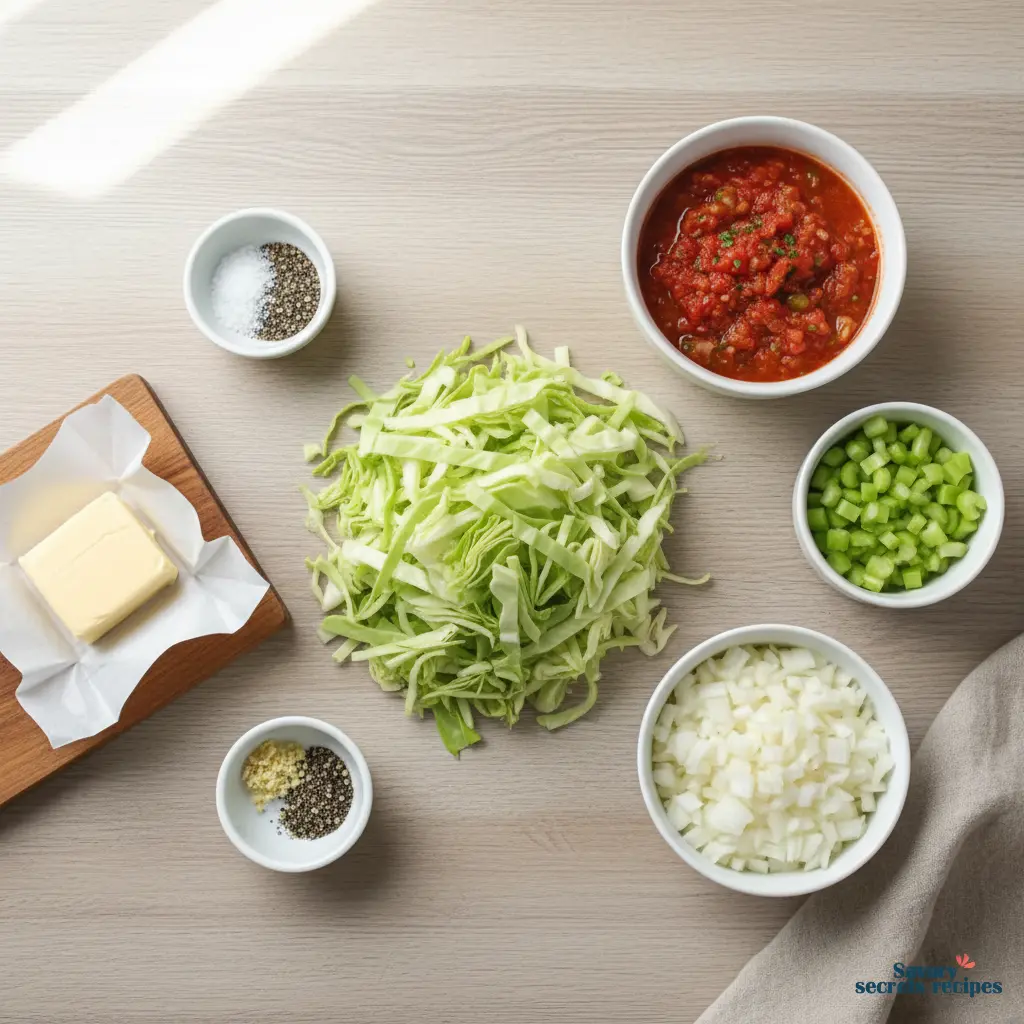
- Melt butter in a large saucepan over medium heat. Saute onion, celery, and garlic for 3 to 5 minutes until translucent. Stir in the cabbage, reduce the heat to low, and simmer for 15 minutes.
- Add the tomatoes and season with salt and pepper. Cover the pan and cook over medium heat for 30 to 40 minutes, until the cabbage is tender.
Nutrition
Notes
Wednesday Night Magic
Ever stood in your kitchen at 6 PM, staring at a head of cabbage and wondering how to make it exciting before the chaos of homework and bedtime hits? I’ve been there. I mean, who hasn’t. That’s the exact moment this cabbage and rotel recipe was born in my Logan Square kitchen. It’s a Wednesday night hero, I promise. The kind of dish that transforms a humble, budget-friendly vegetable into something with a spicy kick that’ll have everyone asking for seconds. This isn’t just another cabbage recipe. It’s a one-pot solution to the weeknight dinner rut, and it’s easier than you think. Let’s be clear about this: if you can chop and stir, you’ve got this cabbage and rotel recipe in the bag.
I learned percentages before fractions because my grandmother Zoya made me calculate baker’s percentages for her blini batter. She’d stand there with her arms crossed while I did the math on paper. If I got it wrong, we’d start from the beginning. I was seven. I hated it then, but now I realize she was teaching me that cooking isn’t magic—it’s logic you can eat. This cabbage and rotel recipe follows that same principle. It’s logical. The ingredients work together in a specific way to build flavor. And during these cooler LA winter months when we actually want to use our ovens for more than storage, a warm, spicy dish like this just makes sense.
Why This cabbage and rotel recipe Works
Okay, let’s talk about why this specific combination is so good. It’s not an accident. The Rotel tomatoes bring two things: acidity and heat. That acidity cuts through the natural sweetness of the cooked cabbage, balancing it out perfectly. And the heat? It wakes up the whole dish. Without it, you’ve just got simmered cabbage, which is fine, but not exactly a Wednesday night win. This cabbage and rotel recipe builds layers. You start by softening the onions and celery in butter—that’s your flavor base. That’s not how this works if you skip this step. Then the cabbage goes in. It wilts down, releases its water, and that liquid becomes part of the sauce. Finally, the Rotel gets stirred in, and everything simmers together until the flavors marry. It’s a simple process, but each step has a purpose. Temperature matters here when you’re sautéing. You want a gentle sizzle, not a furious fry.
The Recipe Science: What’s Actually Happening in Your Pot
I need you to show me your process, so let’s talk about what we’re doing and why. When you add the chopped cabbage to the hot pot, it sizzles. That’s good. You’re starting the Maillard reaction on the edges, which equals flavor. But then, it wilts. It looks like you’ve added too much, and then it shrinks down by half. That’s the cabbage releasing its water content. This is critical. That released water steams the cabbage, making it tender, and it also creates the cooking liquid for your sauce. If you skip the wilting step and just dump everything in, you’ll end up with a watery, bland cabbage and rotel recipe. The liquid needs to reduce and concentrate. That’s the correct instinct—to let it simmer uncovered. Steam is half the equation here, driving off excess water so the flavors intensify.
Visual Troubleshooting Guide
Your eyes are your best tool. If it doesn’t look right, it isn’t right. Too much liquid pooling in the bottom of your Dutch oven after 15 minutes of simmering? Your heat is too low. Crank it up a bit to encourage evaporation. Is the cabbage still crunchy and the tomatoes look raw? You didn’t cook it long enough. The cabbage should be tender, almost silky, and the tomatoes should have broken down into the sauce. If the bottom is starting to stick or brown too much, your heat is too high. That’s not caramelization; that’s burning. Just add a splash of water or broth to deglaze the pan and lower the heat. This cabbage and rotel recipe is forgiving, but you have to pay attention to these visual cues.
Tips for the Perfect cabbage and rotel recipe
Fine, but document what you changed. Here’s what I wish someone had told me the first time I made a dish like this.
Preparation Tips
Don’t get fussy with the chop. Rough, uneven pieces of cabbage are actually better than perfect shreds. They’ll hold their texture and won’t turn to complete mush. And let’s be real, who has time for perfect knife work on a Wednesday? If you’re truly pinched, grab a bag of coleslaw mix from Trader Joe’s. Just avoid the ones with carrot. You want just cabbage. For the onion and celery, a medium dice is perfect. Too small, and they’ll disappear. Too big, and they won’t soften properly. I mean, it’s not rocket science, but these small choices matter.
Cooking Tips
Use a heavy-bottomed pot or Dutch oven. Thin pans can lead to hot spots and burning, especially when you’re reducing the liquid. That’s the correct way. And trust your nose. When you add the garlic, it should smell fragrant within 30 seconds. If it doesn’t, your pan isn’t hot enough. If it smells sharp or bitter, it’s burning. Take it off the heat for a second. This cabbage and rotel recipe builds flavor in stages, and each stage has a sensory cue. The sizzle when the cabbage hits the butter. The smell of the garlic. The sound of the simmer. Your kitchen will tell you everything you need to know.
Variations & Substitutions
Look, I’ll be honest. The base cabbage and rotel recipe is fantastic as-is. But I get it, you might not have Rotel, or you need to adapt it. Here’s how.
Dietary Adaptations
To make this vegan, swap the butter for a good olive oil or a plant-based butter. The flavor profile changes slightly—you’ll get a fruitier note from the olive oil—but it’s still delicious. For a gluten-free cabbage and rotel recipe, you’re already in luck. This dish is naturally gluten-free. Just double-check your Rotel can if you’re highly sensitive, though I’ve never seen one with gluten-containing additives. For more meat-free inspiration, explore our vegetarian cabbage casserole options.
Ingredient Substitutions
No Rotel? Use a can of plain diced tomatoes and add a finely chopped jalapeño or a pinch of crushed red pepper flakes. You’ll miss the specific tang of the Rotel tomatoes, but you’ll get the heat. If you only have a large head of cabbage, use the whole thing. The recipe can handle it; you might just need to simmer a few minutes longer. The thing is, this is a framework. A delicious, spicy, comforting framework.
Flavor Variations
Want to make it heartier? Brown a pound of ground beef or turkey in the pot before you start the onions. Drain the fat, then proceed. You’ve now got a complete one-pot meal. For a creamier version, stir in a half-cup of sour cream or plain Greek yogurt right at the end, off the heat. It adds a wonderful tang and richness. I’m not entirely convinced this works with heavy cream—it can split if you’re not careful. But sour cream? That’s a winner. This creates a satisfying meal similar to a classic beef cabbage recipe.
Common cabbage and rotel recipe Mistakes to Avoid
I learned some of these the hard way, so you don’t have to.
❌ Mistake: Adding the Rotel tomatoes with all their liquid at the very beginning.
✅ Solution: You want to sauté the cabbage first so it can release its own water. Add the Rotel after the cabbage has wilted. This gives you control over the final sauciness.
❌ Mistake: Cranking the heat to high to “cook it faster.”
✅ Solution: A steady medium heat is your friend. It allows the cabbage to soften and the flavors to meld without scorching the bottom. If it’s not simmering after a few minutes, nudge the heat up slightly.
❌ Mistake: Skipping the salt until the very end.
✅ Solution: Season in layers. A little salt on the onions and celery. A little more on the cabbage. Taste again after adding the Rotel. This builds a seasoned dish, not a salty one.
❌ Mistake: Using a lid the entire cooking time.
✅ Solution: Start with the lid on to help the cabbage wilt with its own steam. Then, take the lid off to let the excess liquid evaporate and the sauce thicken. That’s exactly the texture we want.
How to Store and Serve This Dish
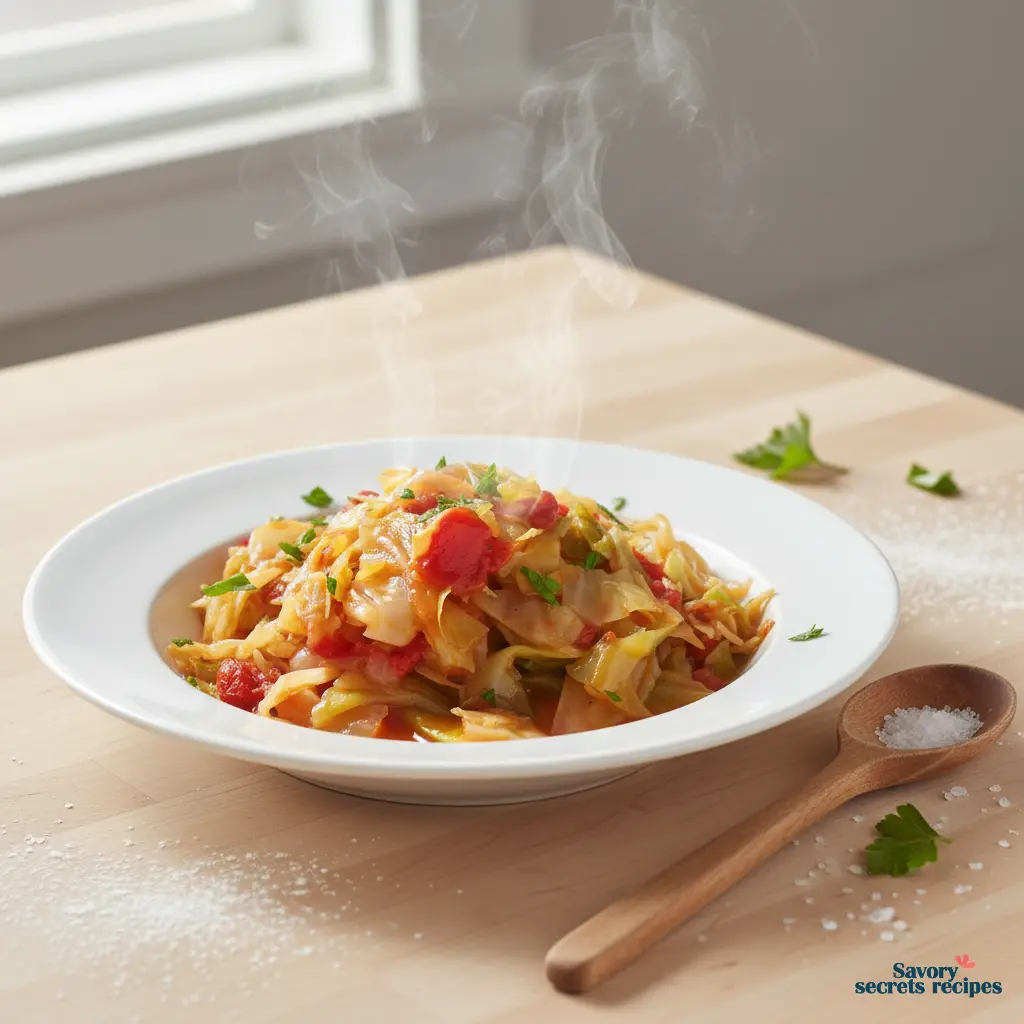
This cabbage and rotel recipe makes fantastic leftovers. Let it cool completely, then store it in an airtight container in the fridge. It’ll keep for 4-5 days. The flavors actually get better the next day. To reheat, just warm it gently in a saucepan over medium-low heat, adding a tiny splash of water if it seems dry. You can also microwave it in a covered dish. Serve it as a main course over rice or quinoa, or as a hearty side dish next to a simple roasted chicken or seared fish. It’s that versatile.
Frequently Asked Questions
Your New Weeknight Standard
When you make this cabbage and rotel recipe, you’re not just making dinner. You’re building confidence. You’re learning how to control moisture, layer flavors, and trust your instincts in the kitchen. That’s the correct way to think about it. This dish proves that a few simple ingredients, treated with a bit of care, can become something truly special. So grab a head of cabbage on your next Trader Joe’s run. You’ve got this. And Wednesday night dinner just got a whole lot tastier, I promise.
Can I make this cabbage and rotel recipe ahead of time?
Absolutely. In fact, the flavors improve overnight. Make it up to two days ahead, store it covered in the fridge, and gently reheat it on the stove. It’s a fantastic meal prep option for easy weeknight dinners.
What’s the best way to reheat leftover cabbage and rotel recipe?
Stovetop is best for texture. Warm it in a saucepan over medium-low heat, stirring occasionally. If it seems dry, add a tablespoon of water or broth. The microwave works in a pinch—just cover the dish to trap steam.
Can I freeze this cabbage and rotel recipe?
You can, but the cabbage’s texture will become much softer upon thawing. It’ll still taste good, but it won’t have the same bite. For best results, eat it fresh or refrigerated within a few days.
My cabbage and rotel recipe turned out too watery. How do I fix it?
Just simmer it uncovered for a bit longer, stirring so it doesn’t stick. The excess liquid will evaporate. Next time, make sure your heat is high enough during the simmering stage to encourage reduction.
Is this a spicy cabbage and rotel recipe?
It has a mild to medium kick from the green chilies in the Rotel. For less heat, use the “Mild” version of Rotel. For more fire, use the “Hot” variety or add a pinch of cayenne with the garlic.
What do I serve with this easy cabbage recipe?
It’s incredibly versatile. Serve it as a main over rice or with crusty bread to soak up the sauce. It also makes a fantastic, flavorful side dish for grilled chicken, sausages, or even a simple omelet.
Can I use fresh tomatoes instead of Rotel in this cabbage and rotel recipe?
You can, but you’ll need to compensate. Use about 1 1/2 cups of diced fresh tomatoes and add a small, finely diced jalapeño and a teaspoon of vinegar or lemon juice to mimic the Rotel’s tangy heat.