





Summer Energy Soup Recipes
Ingredients
Method
- Remove the stalks from the broccoli and cut them into bite-sized pieces. Separate the head into florets, reserving approximately two cups of the naturally smaller, bite-sized florets.
- Heat the oil in a very large lidded saucepan or stock pot. Add the leeks and cook until softened. Stir in the cabbage and cook for one to two minutes. Add the broccoli stalks and larger florets.
- Add the water carefully, cover, and cook for 15 minutes. Check the broccoli's tenderness; the florets should separate easily from the stalk. Then, turn off the heat and remove the lid.
- Sprinkle garlic, black pepper, salt, and nutritional yeast into the pan. Mix them in and let the soup cool for approximately five minutes.
- Option 1: Use a stick blender directly in the pan. Option 2: Carefully ladle hot soup into a jug blender in batches, adding a little milk to each batch, and blend until smooth and creamy. If using a stick blender, add the milk to the pan before blending. Always exercise caution with hot liquids in a blender to avoid pressure buildup.
- Return the blended soup to the heat. Add the smaller broccoli florets and mix well. Cover and simmer on low heat for 15 minutes. Taste to ensure the broccoli is cooked and adjust seasonings as needed.
- Remove from heat, stir in the chili flakes, and serve.
- Serve and enjoy.
- Read the notes.
- Purchase the largest broccoli heads available. Use one liter of water per head. Reduce the milk if using less broccoli or water. If the blended soup is too runny, increase the heat to high and cook uncovered for 15 minutes, stirring frequently, to thicken.
Notes
When the Winter Slump Hits, the Soup Pot Comes Out
You know the feeling. It’s that time of year in Los Angeles where the sky gets that soft, grey look, the temperature dips just enough to make you want to stay indoors, and your energy seems to drain away by 3 PM. I’ve been there, staring into the fridge after a long day, willing something nourishing and easy to materialize. That’s when I turn to my pot. A good pot of soup isn’t just dinner; it’s a reset button. It’s the difference between dragging yourself to bed and feeling genuinely restored. I’m talking about the best soups for energy, the kind that fight that winter fatigue from the inside out. Let me think on that for a second. My grandmother Thérèse, who taught me most of what I know about a good stock, used to say a proper soup should “warm your bones and wake your spirit.” She wasn’t wrong. The right combination of vegetables, a nutritious broth, and gentle simmering can be a complete game-changer for your day. This recipe is my answer to those sluggish afternoons. It’s one of my absolute favorite quick soups, and it genuinely belongs in the conversation about the best soups for energy you can make at home.
I remember one particular winter, early in my career, when I’d over-reduced a veal stock I’d spent two days on. I was exhausted, frustrated, and staring at this bitter, concentrated sludge at two in the morning. Marc found me in the kitchen, a complete wreck. That failure taught me a crucial lesson about nourishment versus complication. You don’t need to spend days on a stock to make a soup that revitalizes you. Sometimes, the best soups for energy are the simplest ones, built from a handful of good ingredients and ready in under thirty minutes. That’s the philosophy behind this bowl. It’s a vegetable soup that leans on technique rather than time, designed to be a reliable source of steady fuel.
Why This Recipe For The Best Soups For Energy Works
To be clear, not all soups are created equal when you’re fighting fatigue. A watery broth might warm you up, but it won’t sustain you. What makes this one of the best soups for energy is its foundation. We start with a base of alliums—leeks, to be specific—sweated down until they’re sweet and tender. That’s where the flavor begins. Then we add cruciferous vegetables: broccoli and cabbage. In my experience, these are powerhouses. They’re packed with vitamins and minerals that support your body’s natural energy pathways. The key checkpoint here is the blending. By blending a portion of the soup, we create a creamy, luxurious texture without a drop of cream, which can sometimes weigh you down. The creaminess comes from the vegetables themselves and a splash of your milk of choice, which also adds a bit of protein. The nutritional yeast? That’s my secret for a savory, almost cheesy depth and a boost of B-vitamins, which are famous fatigue-fighters. This is where it gets interesting. The result is a cozy soup that feels like a comfort food hug but acts like a protein-rich, immune-boosting meal. It’s a one-pot wonder that manages to be both light and deeply satisfying.
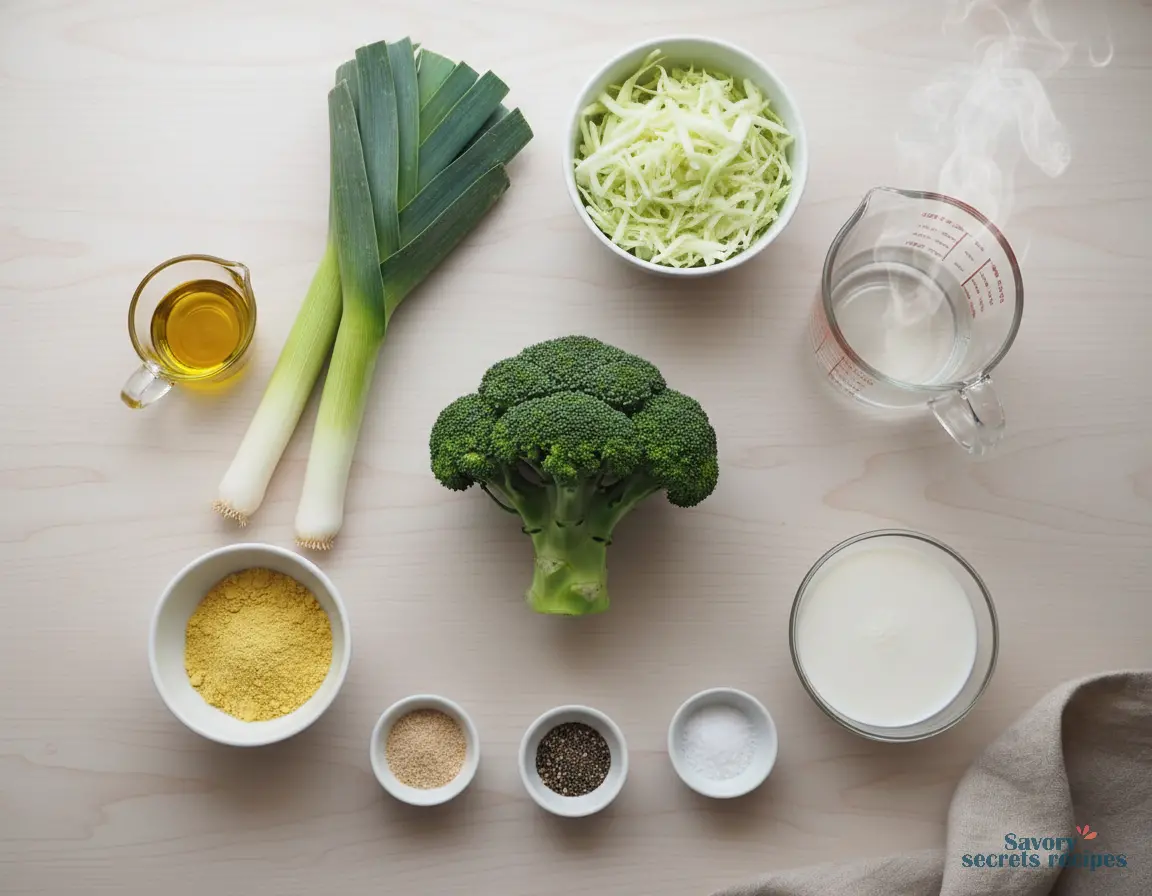
Building Your Energy-Boosting Soup, Step by Step
Gather your ingredients. That’s always the first move. You’ll want a good stock pot or a large Dutch oven for this. I prefer a heavy-bottomed pot for even heating, but use what you’ve got. Fair enough? Start by warming your oil over a medium heat. Add the sliced leeks with a pinch of salt. The salt helps them release their moisture. Now, watch for the moment when they go from raw and sharp to soft and sweet. They should be translucent but not take on any color. This usually takes about five to seven minutes, and that smell—sweet alliums softening in oil—is one of my favorite kitchen smells. It smells like the foundation of something good.
Next, stir in the broccoli florets and the shredded cabbage. The pot will look very full, and that’s perfect. They’ll wilt down significantly. Pour in the boiling water. Using hot water just speeds everything up, getting you to simmering faster. That tracks, right? Add the garlic granules, black pepper, and another good pinch of salt. Bring it all to a lively simmer, then reduce the heat to maintain a gentle bubble. Let it cook, uncovered, for about 15 to 20 minutes. You’ll know it’s ready when the broccoli stems are tender when pierced with a fork. The key here is not to overcook the broccoli into mush; you want it tender but still bright green.
The Transformation: From Broth to Velvet
This is the good part. Carefully ladle about half to two-thirds of the soup into a blender. Please, be careful with the hot liquid. If you have an immersion blender, you can absolutely use it right in the pot. Blend until completely smooth. This creates that luxurious, creamy body that makes this feel like such a substantial meal. Pour the smooth soup back into the pot with the remaining chunky vegetables. Stir in the nutritional yeast and your milk of choice. I tend to think unsweetened almond or oat milk works beautifully here, but any milk you like is fine. Give it a taste. This is where most people rush it. Adjust the seasoning. Does it need more salt? A bit more pepper? The nutritional yeast adds savoriness, but you’re in control. Warm it through gently—don’t let it boil after adding the milk.
Tips for Perfect Best Soups For Energy
Let’s talk about making this recipe work for you every single time. As a general rule, I like to salt in layers. A pinch when sweating the leeks, another with the vegetables, then a final adjustment at the end. You can always add, but you can’t take away. Worth noting.
Preparation Tips
Don’t skip sweating the leeks. That step builds a flavor base that a quick boil just won’t achieve. If you’re in a real rush, you can use pre-shredded coleslaw mix from the grocery store instead of a whole cabbage. I mean, who’s making their own shreds on a Wednesday? Also, have your boiling water ready to go in an electric kettle. It shaves off a few minutes of waiting time.
Cooking & Blending Tips
When blending hot soup, never fill the blender more than halfway. Hold the lid on firmly with a kitchen towel draped over it. The steam can create pressure and cause a mess. Trust the process on this one. If the soup seems too thick after blending, just stir in a little extra hot water or milk until it’s the consistency you like. It’s actually quite forgiving.
Storage & Reheating
This soup stores beautifully, which makes it one of the best soups for energy for meal prep. It will thicken as it sits in the fridge. When you reheat it, do so gently on the stove and add a splash of water or milk to loosen it back up. I wouldn’t recommend freezing the version with milk, as it can separate. The soup base without the milk added freezes perfectly for up to three months.
Variations & Substitutions
The framework here is wonderfully adaptable. Once you understand the basics, you can build all sorts of best soups for energy.
Ingredient Swaps
No leeks? A yellow onion works just fine. You could swap half the broccoli for cauliflower. Kale or spinach stirred in at the very end is fantastic for an extra green boost. For a heartier, protein-rich soup, stir in a can of drained white beans or some cooked lentils with the milk.
Flavor Twists
For a different profile, add a teaspoon of curry powder or turmeric with the garlic granules. A squeeze of lemon juice at the end brightens everything up. If you like a bit of heat, add the chilli flakes while cooking, not just as a garnish.
Dietary Adaptations
To keep it vegan, use a plant-based milk and ensure your nutritional yeast is a vegan brand. For a nut-free version, use oat milk or soy milk. It’s naturally gluten-free. This is a great template for all sorts of dietary needs.
Common Mistakes & Your Fixes
❌ Mistake: Overcrowding the pot at the beginning, leading to steamed rather than properly softened vegetables.
✅ Solution: Use a pot that seems almost too big. Give the leeks room to sweat properly. If your pot is small, cook the leeks in batches.
❌ Mistake: Blending the entire soup, resulting in a texture that’s too uniform and baby-food-like.
✅ Solution: Always leave some of the chunky vegetables in the pot. The contrast in texture is what makes this soup interesting and satisfying.
❌ Mistake: Adding the milk and then bringing the soup to a rolling boil, which can cause it to curdle or separate.
✅ Solution: Stir in the milk off the heat, or over the lowest possible flame, just to warm it through.
❌ Mistake: Underseasoning. A bland soup won’t excite you or energize you.
✅ Solution: Taste diligently at the end. The nutritional yeast adds umami, but it still needs salt. Season until the flavors really sing.
Frequently Asked Questions

How to Store and Serve Your Best Soups For Energy
Store any leftovers well-covered in the refrigerator for up to five days. The flavors often meld and improve by the next day, making it a fantastic make-ahead option. To freeze, I recommend doing so before adding the milk. Portion the blended vegetable base into freezer-safe bags, lay them flat to save space, and freeze for up to three months. Thaw overnight in the fridge. When ready to serve, reheat the base gently on the stove, then stir in the milk and nutritional yeast. For serving, I love it with a hunk of crusty sourdough for dipping—truly non-negotiable in my book. It also makes a complete lunch or dinner alongside a simple side salad or some seasoned tofu for extra protein. If you’re looking to maximize the protein in your soups to support energy and satiety, our guide to high protein soup ideas has you covered.
Warm Up and Recharge
When you ladle this soup into your bowl tonight, you’re doing more than just making dinner. You’re choosing a simple, powerful tool to combat that winter sluggishness. You’ll feel the warmth spread, the gentle energy from wholesome ingredients, and the satisfaction of a meal made with your own hands. This recipe is a testament to the idea that the best soups for energy don’t have to be complicated. They just have to be made with a little intention. I hope this becomes a go-to in your kitchen, a reliable source of comfort and vitality on even the drabbest of days. Let me know in the comments how this soup helped boost your energy. Now, go warm up and energize.
Is soup actually good for fighting fatigue?
Absolutely. When made with the right ingredients, like the vegetables in this recipe, soup is a fantastic source of energy. It’s hydrating, easy to digest, and packed with vitamins and minerals that support your metabolism. The warm, comforting nature can also be a psychological boost on a draining day.
Can I make this one of the best soups for energy in a slow cooker?
You can, but the method changes. Sweat the leeks in a pan first for best flavor, then add everything except the milk and nutritional yeast to the slow cooker. Cook on low for 4-6 hours. Blend a portion, then stir in the milk and yeast to warm through.
What makes this one of the healthiest soups for energy?
It’s all about the ingredients. Broccoli and cabbage are nutrient-dense superstars. We use the vegetables themselves to create creaminess, avoiding heavy dairy. The nutritional yeast adds B-vitamins crucial for converting food into energy. It’s a whole-foods, plant-forward approach.
How do I store and reheat this energy-boosting soup?
Let it cool completely, then store it in an airtight container in the fridge for up to 5 days. Reheat gently on the stove, adding a splash of water or milk if it’s thickened. I don’t recommend microwaving in a rush, as it can heat unevenly and compromise the texture.