



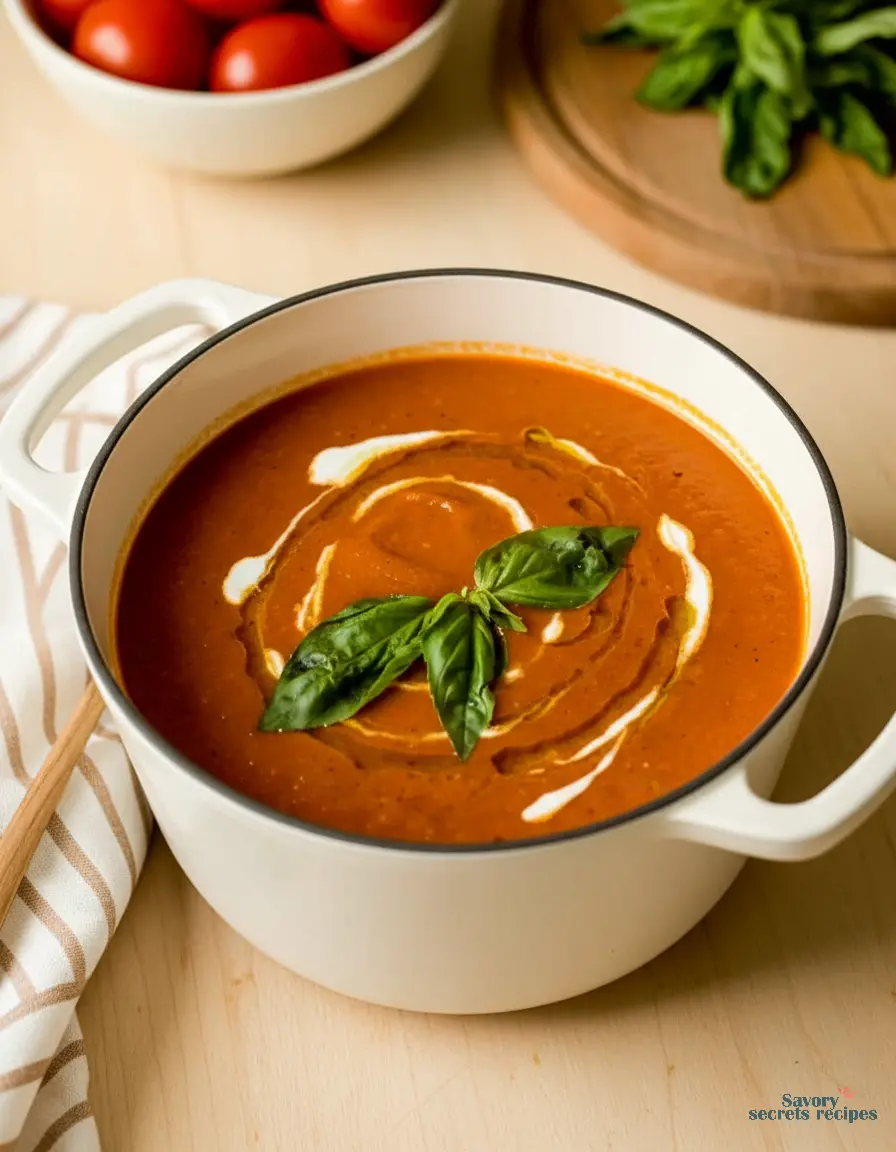
Low Fat Tomato Soup with Heart
Ingredients
Method
- Preheat the oven to 200 degrees Celsius (392 degrees Fahrenheit).
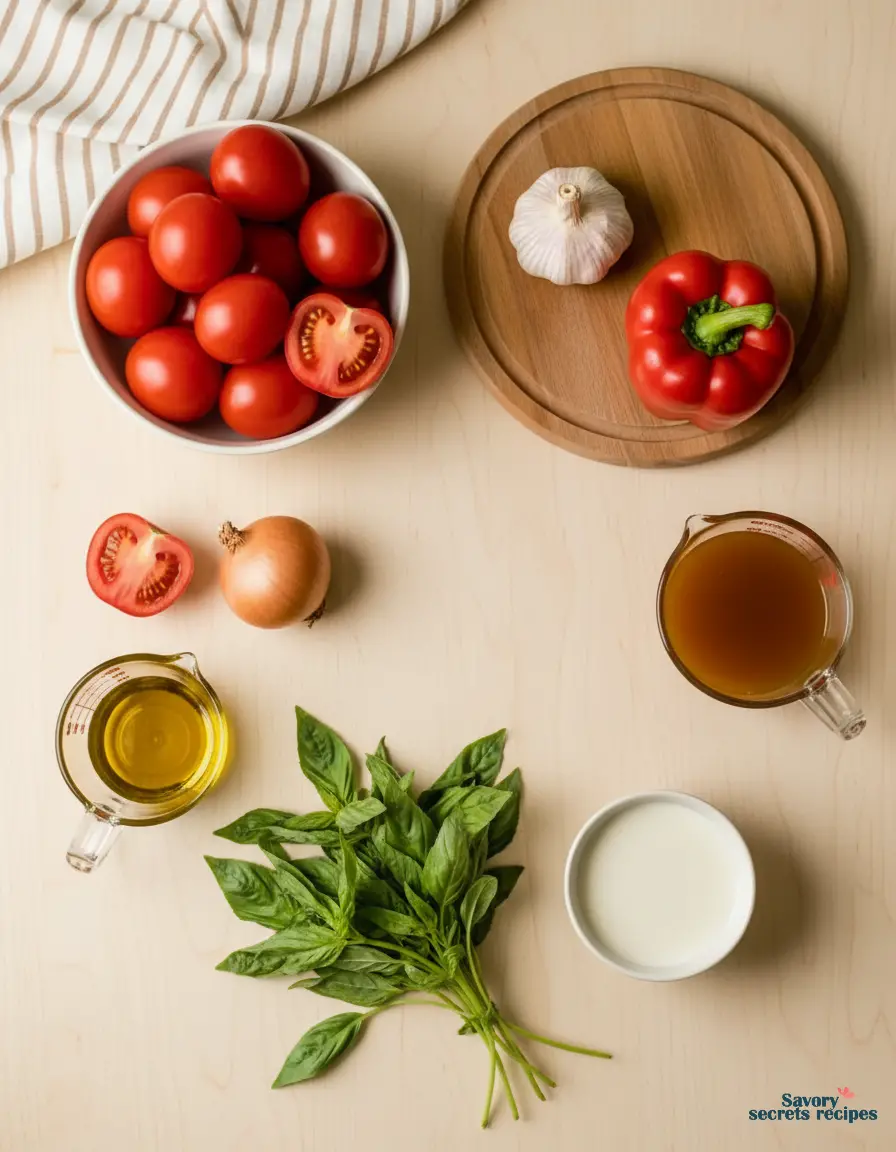
- Toss the tomatoes, onion, and red bell pepper with olive oil and seasonings. Spread them on a parchment-lined baking tray. Wrap the garlic in foil and place it on the tray. Roast for 45 to 50 minutes.
- Remove the dish from the oven and transfer it to a blender. Pour in the stock, add a handful of basil, and blend until smooth.
- Transfer the mixture to a pot, add the oat milk, and stir. Simmer for 5 minutes, then pour into your serving bowl.
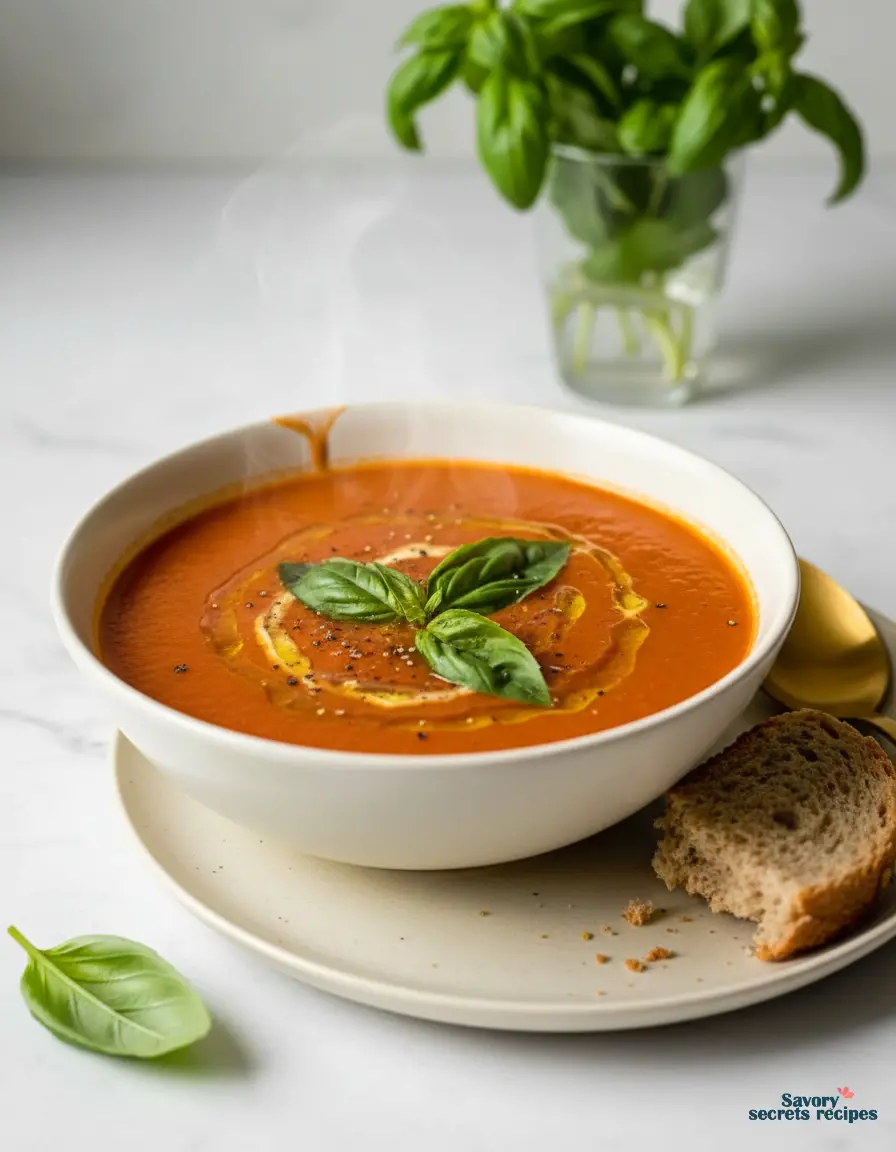
- Serve hot with fresh bread or a low-calorie grilled cheese.
Nutrition
Notes
When Winter Calls for Comfort (Without the Guilt)
You know that feeling, right? It’s January in Cambridge, the kind of cold that seeps right through your wool coat on the walk back from the T. All you can think about is a bowl of something warm and red and comforting. But you’ve also got those New Year intentions staring you down from the fridge. Let me think about that for a second. What if you didn’t have to choose? This low calorie tomato soup is the weeknight answer I’ve been looking for. It’s the kind of recipe that actually delivers. 230 calories for a very generous serving, and it tastes like my avó’s kitchen on a Sunday—that specific smell of olive oil, garlic, and simmering tomatoes that meant someone was taking care of you.
I remember watching her start her sofrito every week, never measuring, just tasting. Years later in my nutrition program, I realized she’d been making perfectly balanced meals without ever counting a macro. This low calorie tomato soup recipe channels that same intuition. It’s super creamy and perfect comfort food for a calorie deficit, but it’s built on simple, honest ingredients. You won’t find cream or butter here. Instead, we get that luxurious texture from a smart blend and a splash of oat milk. It’s dairy-free, vegan, and sugar-free, but I promise, you won’t miss a thing. This is the best low calorie tomato soup ever, because it doesn’t taste like diet food. It just tastes good.
Why This low calorie tomato soup Works
Here’s the thing, though. A lot of healthy recipes sacrifice flavor or texture. They end up tasting… well, healthy. This one works because it’s built on technique, not deprivation. We’re building layers of flavor by sautéing the aromatics first—don’t skip this step. It brings out a deeper, richer taste that makes the soup taste like it’s been simmering all day. The creaminess comes from blending everything until it’s perfectly silky and adding just enough oat milk to round it out. That tracks with what I’ve seen in recipe testing: when you understand what each ingredient is doing, you can make smart swaps. The olive oil isn’t just for cooking; it carries flavor and helps your body absorb the fat-soluble vitamins in the tomatoes. Makes sense to me. This isn’t just a low calorie tomato soup; it’s a nutrient-dense, high-fiber meal that will actually satisfy you.
Your Guide to the Perfect Pot of Soup
Let’s walk through this. Fair enough, soup seems simple, but a few small choices make a huge difference. I’d want to double-check that you’re using good canned tomatoes if it’s not peak summer season. I’ve found that fresh tomatoes just don’t have the same rich, sweet flavor when they’re out of season. Canned tomatoes are picked at peak ripeness. My number one secret tip? Always use high-quality canned tomatoes, especially in the winter. San Marzano tomatoes create the most vibrant, full-bodied flavor.
Building the Base
Start with that onion, garlic, and red pepper. Sauté them in the olive oil until they’re soft and fragrant. That smell—olive oil and garlic hitting a warm pot—reminds me of my avó’s kitchen every time. This step isn’t just cooking; it’s building the flavor foundation. When you add the tomatoes and stock, you’ll notice the color deepens almost immediately. Give it a good stir, scraping any bits from the bottom of the pot. Those browned bits are pure flavor.
The Simmer and The Blend
Now, let it simmer. Not a raging boil, but a gentle bubble. This is where the magic happens. The flavors meld, the tomatoes break down, and everything softens. After about 20 minutes, it’s blending time. I love using an immersion blender right in the pot because it lets me control how smooth or chunky my soup is. If you want that extra velvety finish, a high-speed blender will get you there. Just be careful with the hot liquid. Blend until it’s as smooth as you like. Then, stir in the oat milk. It adds a subtle creaminess and mellows the acidity perfectly.
Tips for Perfect low calorie tomato soup Every Time
I’ve made this more times than I can count, and I’ve learned a thing or two. Taste as you go—your palate is data. Here’s what I wish someone had told me when I started making healthy soups.
Many of these tips apply to other low fat soups as well, helping you build a repertoire of healthy, comforting meals.
Preparation Tips
Gather everything before you start. It’s a one-pot recipe, but having your veggies chopped and your stock measured means you won’t be scrambling. If you’re using fresh tomatoes, a quick blanch and peel will give you a smoother texture. But honestly? Canned are a fantastic shortcut. When in doubt, add acid. A tiny splash of balsamic vinegar at the end can brighten everything up if your tomatoes are a bit flat.
Cooking Tips
Don’t rush the sauté. Those few extra minutes of gentle cooking unlock sweetness from the onions and pepper. If you prefer a thicker low calorie tomato soup, use less vegetable stock or let it simmer for a few extra minutes after blending. For a thinner soup, simply add more stock until it reaches your desired texture. And please, adjust the seasoning at the end. Salt early, but taste late. The flavors concentrate as it cooks.
Storage Tips
This dish stores well in the fridge for up to 4 days. The flavors actually get better overnight. You can also freeze it for up to 3 months. Just be sure to let it cool completely before transferring it to an airtight container or freezer bag. I sometimes freeze it in individual portions for easy lunches. Reheat it gently on the stovetop, adding a splash of stock or oat milk if it’s thickened up too much.
Variations & Substitutions
This recipe is a fantastic template. Once you’re comfortable with the base, make it your own. For more inspiration on creating delicious, low-fat soups, explore our collection of low fat soups.
Dietary Adaptations
The recipe as written is dairy-free, vegan, and gluten-free. To make it even creamier, you could blend in a quarter cup of cooked white beans or a spoonful of raw cashews. It sounds odd, but it works—they add body and protein without changing the flavor much.
Ingredient Substitutions
No vegetable stock? Use a low-sodium chicken broth if you’re not vegetarian. Out of fresh garlic? A teaspoon of garlic powder works in a pinch, though the flavor will be sharper. You can use any unsweetened plant milk instead of oat milk. Almond or soy milk are great. If you have fresh herbs, thyme or oregano are lovely with tomatoes. A sprig of rosemary adds a subtle depth.
Flavor Variations
For a spicy kick, add a pinch of red pepper flakes with the garlic. If you’re a basil lover, stir in a whole handful of fresh chopped basil at the end for a bright, herbal pop. For an extra-rich flavor, try roasting the garlic and red pepper beforehand. It adds a smoky sweetness that’s really special.
Common Mistakes to Avoid
We’ve all been there. Here’s how to sidestep the common pitfalls with this low calorie tomato soup.
❌ Mistake: Boiling the soup aggressively after adding the tomatoes.
✅ Solution: Keep it at a gentle simmer. A hard boil can make the tomatoes taste bitter and cause the dairy-free milk to separate.
❌ Mistake: Not blending the soup thoroughly, leaving it chunky when you wanted it smooth.
✅ Solution: Take your time with the blender. An immersion blender needs to be moved around the pot to catch everything. If using a countertop blender, blend in batches for the creamiest result.
❌ Mistake: Adding all the salt at the beginning.
✅ Solution: Season in layers, not all at once. Add a little salt when sautéing the veggies, then taste and adjust again at the very end after blending.
❌ Mistake: Using out-of-season fresh tomatoes that are pale and tasteless.
✅ Solution: In winter, trust a good can. The quality is consistently high, and you’ll get a much better flavor for your low calorie tomato soup.
Frequently Asked Questions
How to Store and Serve Your low calorie tomato soup
This soup is a meal-prep dream. Let it cool completely, then store it in airtight containers in the fridge for up to 4 days. For freezing, I use quart-sized freezer bags laid flat—they thaw quickly. Reheat gently on the stovetop, stirring often. If it separates a bit, a quick whisk brings it right back together. For serving, I keep it simple. A sprinkle of fresh herbs, a grind of black pepper. If I want something heartier, I’ll add a handful of cooked lentils or white beans right to the bowl. A side of crispy roasted chickpeas or a slice of dense, grainy toast for dipping makes it a full meal. Really solid option here for lunch all week.
Wrapping Up
When you ladle this low calorie tomato soup into your bowl tonight, you’ll feel that warmth spread right through you. Not just from the temperature, but from the satisfaction of making something nourishing and delicious with your own hands. It’s the kind of food that supports your goals without feeling like a compromise. I keep coming back to this one, especially on busy weeknights. Give it a try, and let me know how it goes. Tag me on Instagram or leave a comment below—I’d love to hear what variations you create. Here’s to cozy, healthy meals made easy.
Is tomato soup ok for weight loss?
Absolutely, when it’s made like this. This low calorie tomato soup is high in fiber and volume but low in calories, which helps with satiety. It’s about 230 calories per generous bowl. Just be mindful of what you pair it with—skip the heavy grilled cheese and opt for a side salad.
How do you make a healthy tomato soup?
You build flavor with aromatics (onion, garlic), use quality tomatoes, and get creaminess from blending or a bit of plant milk instead of heavy cream. This low calorie tomato soup recipe skips added sugar and relies on the natural sweetness of roasted peppers and onions.
How do I thicken my low calorie tomato soup?
Let it simmer uncovered for a few extra minutes to reduce. You can also blend a portion of the soup with a tablespoon of rolled oats or a few tablespoons of cooked rice or white beans, then stir it back in. It adds body without fat.
How do I fix a soup that’s too acidic?
A tiny pinch of baking soda will neutralize acid quickly (start with 1/8 tsp). Or, add a natural sweetener like a teaspoon of maple syrup or a grated carrot at the sauté stage. The oat milk in this recipe also helps balance acidity.
Can I make this low calorie tomato soup on the stovetop?
That’s the primary method! Sauté veggies in a large pot, add tomatoes and stock, simmer for 20-25 minutes, then blend. It’s a straightforward, one-pot process that’s perfect for a weeknight.
What should I eat with tomato soup for weight loss?
Pair this low calorie tomato soup with a protein-rich side for a balanced meal. A small spinach salad with chickpeas, a hard-boiled egg, or a few whole-grain crackers are great options. It keeps you full longer than bread alone.