
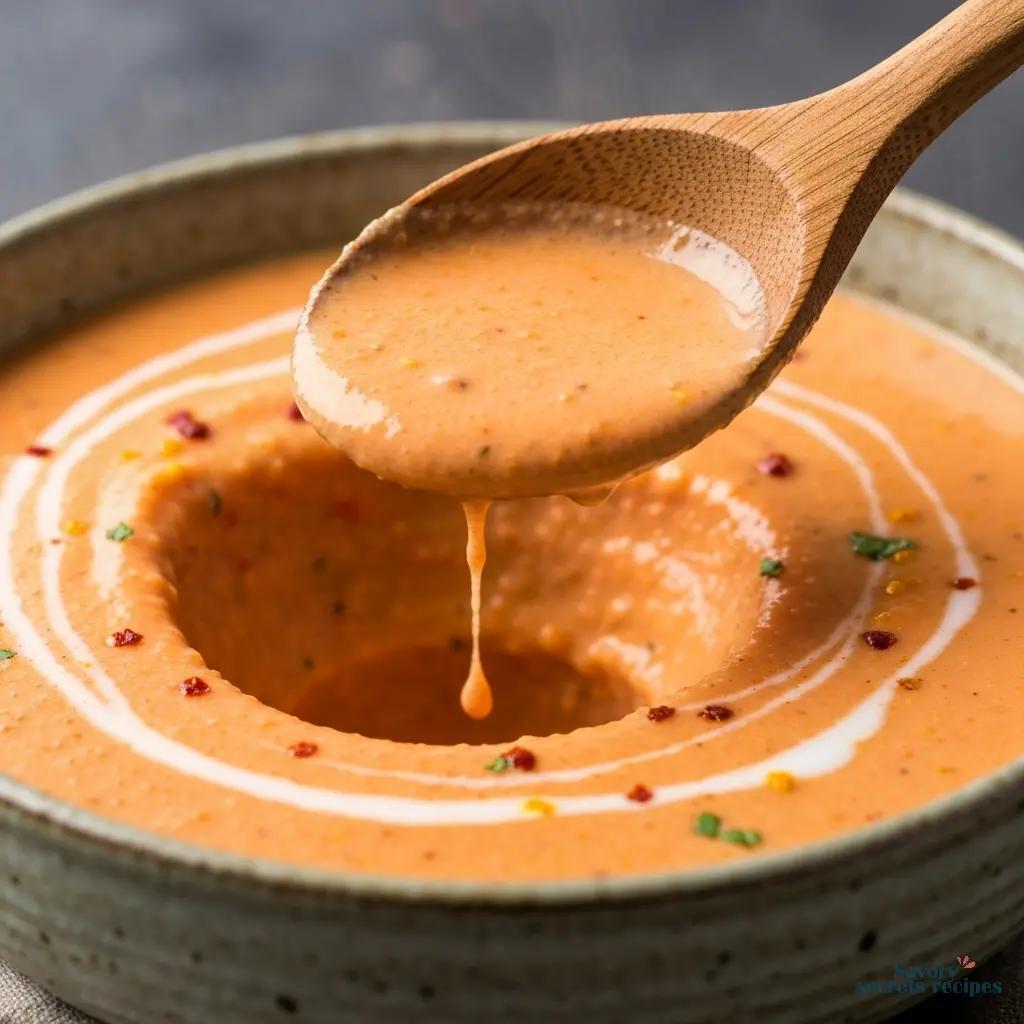
Creamy Red Lentil Tomato Soup Recipe
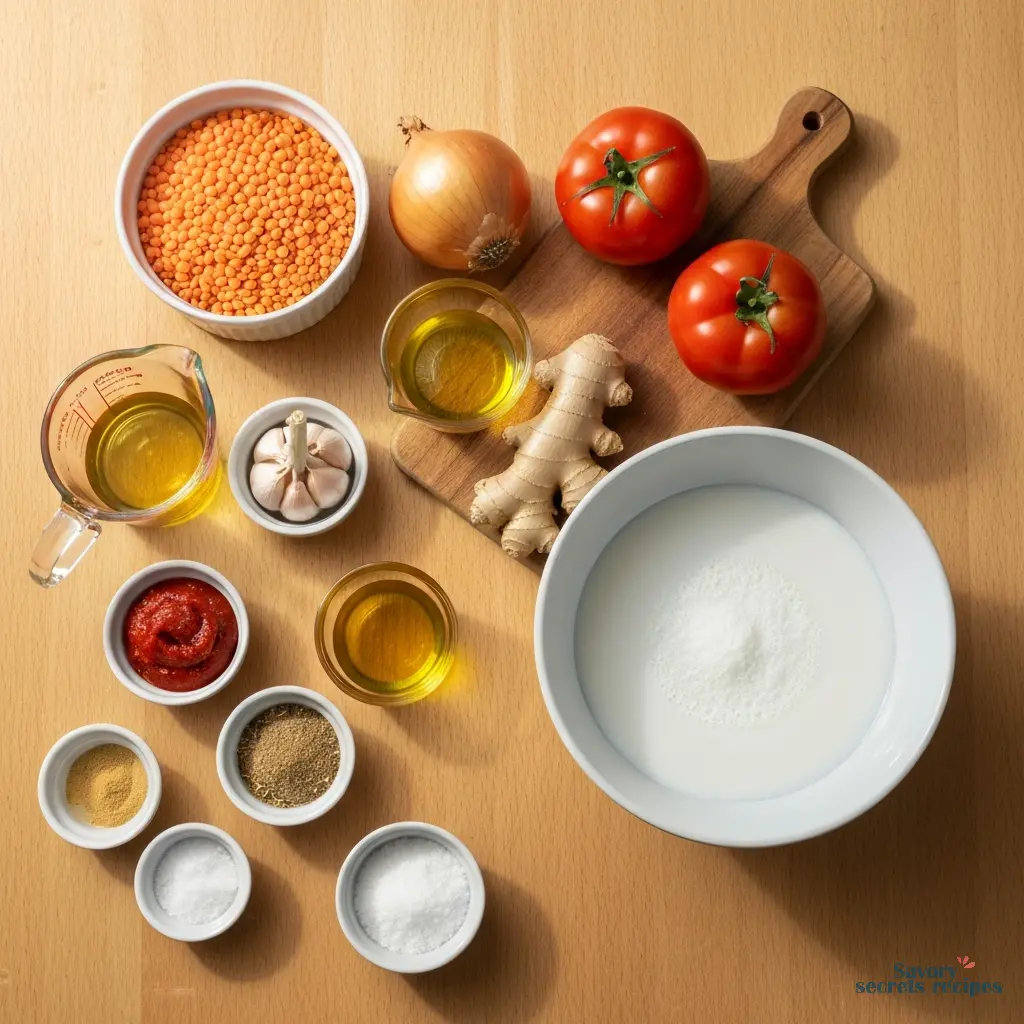
Ingredients
Method
- Soak the lentils in water overnight. Before cooking, drain and rinse them thoroughly.
- Preheat your oven to 450°F. Line a large baking sheet with parchment paper.
- Add the quartered tomatoes, onion, and garlic to the prepared sheet pan. Drizzle generously with olive oil and kosher salt, then toss to coat. Rub the garlic head with a little extra olive oil and nestle it among the vegetables. Place the tomatoes cut-side up to prevent sticking. Roast in the preheated oven for 30-35 minutes, until slightly charred for deeper flavor.
- Heat olive oil, tomato paste, and ginger in a large pot over medium-high heat for 3-4 minutes. Add the spices and sauté for 30 seconds to 1 minute. Do not exceed this time. Browning the tomato paste removes its bitter undertone and improves flavor. Blooming the aleppo pepper also intensifies its heat and taste.
- Add the rinsed and drained lentils, water, coconut milk, and 1-2 teaspoons of kosher salt. Bring to a boil over high heat. Cover, reduce heat to medium, and cook until the lentils begin to fall apart, about 15 minutes.
- Carefully remove the skins from the roasted tomatoes and squeeze out the roasted garlic. Transfer the roasted vegetables and aromatics to a large blender with half of the cooked lentil soup. Blend until creamy and smooth, about two minutes. Return the blended mixture to the pot and stir to combine. Adjust salt to taste and add more water to reach your desired consistency.
- Stir in the minced cilantro and a squeeze of lemon, then serve warm. This soup is excellent spooned over white rice.
Notes
That Winter Craving for Something Real
You know the feeling. It’s one of those January evenings in LA where the sun dips early and the chill actually settles in, the kind that makes you want to burrow. The takeout menus all look the same, and you’re just… tired. I was there last week, staring into my pantry, when my hand landed on a bag of red lentils. And I thought, not again. Not another bland, watery pot of mush. But then I remembered my nani’s voice, the way she’d talk about dal not as a side, but as the main event. Something creamy, substantial, a hug in a bowl. That’s when I decided to make a proper cream of lentil soup. Not the kind from a can, but the real deal. This version, the one I’m sharing with you, is what came out of that craving. It’s my answer to winter cooking fatigue. It’s a one-pot wonder that gives you that rich, luxurious feel of a cream of lentil soup without any actual dairy, and it comes together in about the time it takes to decide what to order. The data on this is actually quite clear: when you’re cold and worn out, a bowl of this works.
Why This Cream of Lentil Soup Works
Let me pull the actual study, or rather, the practical observation from my kitchen. A great cream of lentil soup needs to solve two problems: texture and depth. Most fail at the first, becoming either too thin or too grainy. This recipe sidesteps that by leveraging the natural starch in red lentils. They break down completely when simmered, creating a built-in thickener. That said, the real trick isn’t just blending; it’s building layers of flavor before you even add the liquid. Roasting the tomatoes and onion first? That’s where you develop a fond, a concentrated base that makes the vegetable broth taste like it simmered for hours. In practical terms, this means your weeknight cream of lentil feels indulgent, not rushed. It’s protein-packed, vegan if you use vegetable stock, and gluten-free by nature. It addresses the core pain point of a busy parent: you need a meal that’s healthy, feels like a treat, and doesn’t require you to babysit the pot.
The Science of Creaminess (Without the Cream)
I find this genuinely interesting. The creamy texture in this cream of lentil soup doesn’t come from dairy or a roux. It comes from the red lentils themselves and a bit of emulsion science. Red lentils have no skin, so they dissolve as they cook, releasing amylose and amylopectin starches into the broth. These starches gelatinize and swell, thickening the liquid from within. That’s your first layer of body. The second is the fat from the coconut milk and olive oil. When you blend the soup, you’re creating a temporary emulsion—tiny fat droplets suspended in the starchy water. This gives it that lush, velvety mouthfeel. The evidence here is mixed on whether an immersion blender or a countertop blender is better. I’ve tested both. The immersion blender is easier (one less thing to wash), but a high-speed countertop blender will give you a slightly silkier, more homogenous cream of lentil. Both work. The key is to blend while it’s still hot; the heat helps keep everything fluid and emulsified.
Your Visual Troubleshooting Guide
Recipes can be vague. “Simmer until tender” isn’t always helpful. So let’s talk visuals. For the perfect cream of lentil, you need to watch for a few specific signs.
Is My Soup Too Thick or Too Thin?
After blending, your cream of lentil should coat the back of a spoon. If you run your finger through it, the line should hold for a second before the soup slowly drips back together. If it’s too thick—more like a porridge—don’t panic. Just whisk in warm water or broth, a quarter-cup at a time, until it’s where you want it. If it’s too thin, let it simmer uncovered for another 5-10 minutes. The extra evaporation will concentrate it. I’m not entirely convinced that adding a slurry is the best fix here; it can make the texture a bit gluey. Reducing is cleaner.
How Do I Know the Lentils Are Done?
You shouldn’t see any whole lentils floating in a sea of broth. They should have completely lost their structure, collapsing into the soup. Before you blend, take a spoon and press a lentil against the side of the pot. It should mash effortlessly with no gritty core. If there’s resistance, give it another five minutes. Undercooked lentils are the main culprit for a grainy cream of lentil soup.
A Quick Note on Lentil Types
Fair enough, you might only have brown or green lentils on hand. Can you use them? Technically, yes. But you won’t get the same result for this creamy lentil soup recipe. Brown and green lentils have their skins on. They hold their shape. They’re fantastic for salads or stews where you want texture, but they won’t break down to create that signature, self-thickening puree. You’d need to blend them much more aggressively, and even then, you might get a slightly grainier cream of lentil. Red lentils are the game plan here. They’re usually easy to find in the bulk bins at Whole Foods or even a well-stocked Ralphs.
Make-Ahead & Meal-Prep Strategy
This is where this cream of lentil soup truly shines for a busy schedule. You can roast the tomatoes and onion up to two days ahead. Just let them cool, pop them in a container, and refrigerate. When you’re ready to cook, you’re already ten minutes ahead. The entire soup freezes beautifully for up to three months. Worth noting here: when you freeze and thaw a pureed soup, the emulsion can sometimes separate. It looks a bit scary, but it’s fine. Just reheat it gently and give it a good whisk or a quick buzz with the immersion blender. It’ll come right back together. For meal prep, I ladle individual portions into these 16-ounce glass jars once they’re cool. They stack neatly in the fridge for lunches all week. The flavor, honestly, gets better after a day or two.
Tips for Perfect Cream of Lentil
These aren’t just random suggestions. Each one addresses a specific point where the recipe could go sideways, based on my own testing (and yes, a few failures).
Preparation Tips
Always rinse your red lentils. I know it’s an extra step, but it washes away surface dust and any tiny debris. More importantly, if you have the foresight, you can soak them. Soak lentils overnight and rinse thoroughly to speed cooking and reduce phytic acid, increasing nutrient bioavailability for zinc and iron. Note that hulled lentils have less phytic acid than unhulled. I don’t always remember to do this, but when I do, I notice the lentils cook even faster and seem to create a smoother puree. No blender? No problem. If you don’t have an immersion blender, you can carefully transfer the hot soup in batches to a countertop blender. Just be sure to leave the vent hole open and cover it with a towel to let steam escape. Or, for a more rustic texture, mash it vigorously with a potato masher right in the pot.
Cooking Tips
Don’t rush the step where you cook the spices in oil. In practical terms, you’re looking for the cumin seeds to stop sputtering and for the raw smell of the ginger and ground spices to cook off. This only takes 60-90 seconds, but it transforms their flavor from sharp and dusty to warm and rounded. It makes good sense when you think about it—you’re toasting and toasting releases volatile compounds. Also, when you add the coconut milk, take the pot off the heat first. Adding it to a raging boil can sometimes cause it to curdle slightly. Off the heat, stir it in gently, then return to a low simmer.
Storage & Reheating
Divide into single-serving portions for quicker cooling. Store in refrigerator for 4-5 days, or once chilled, transfer to freezer for longer storage (up to three months). Reheating is straightforward but gentle. In a sauce pot over medium-low heat, stirring often, is best. If using a microwave, do it in one-minute bursts, stirring in between, to avoid hot spots that can make the soup “break.” If it seems too thick after storage, just loosen it with a splash of water or broth while reheating.
Variations & Substitutions
The framework here is sturdy. You can tweak it based on what’s in your fridge or your dietary needs.
Dietary Adaptations
It’s already vegan and gluten-free if you use vegetable stock. For a nut-free version, the coconut milk is key for creaminess. I haven’t found a perfect substitute that replicates its fat content and mild flavor. Some people use soaked cashews blended with water, but that’s a different recipe, honestly.
Ingredient Substitutions
No fresh tomatoes? Once tomato season is over, swap fresh tomatoes for the same amount of canned San Marzano tomatoes. Add canned tomatoes when ready to blend the soup. They’re already cooked down, so you’ll get a deeper, richer tomato base. If you don’t have cumin seeds, use 1/2 teaspoon of ground cumin added with the other ground spices. The flavor profile shifts slightly, but it’s still delicious.
Flavor Variations
For a heartier cream of lentil, stir in a couple of handfuls of baby spinach or chopped kale right after blending. The residual heat will wilt them perfectly. Want more substance? A can of rinsed chickpeas or white beans added with the coconut milk makes it a complete meal in a bowl. My daughter prefers it with a pinch less cayenne and a bigger squeeze of lemon at the end. Taste and adjust as you go.
Common Mistakes to Avoid
I’ve made most of these, so learn from my missteps.
❌ Mistake: Adding salt at the beginning of cooking the lentils.
✅ Solution: Hold off. Salt can toughen the lentil skins and slow down their breakdown. Add your kosher salt after the lentils are fully tender and you’re about to blend. You’ll get a creamier cream of lentil soup and better control over seasoning.
❌ Mistake: Blending a completely full, hot pot with an immersion blender.
✅ Solution: This is a splashy, painful mess waiting to happen. Turn the heat off. Tilt the pot slightly so the head of the blender is fully submerged, and pulse gently at first. Or, let it cool for ten minutes. The soup will still be plenty warm for a smooth blend.
❌ Mistake: Skipping the lemon juice at the end.
✅ Solution: Don’t. That tablespoon of acid is non-negotiable. It’s the data point that balances the earthy lentils and rich coconut milk. It brightens the entire bowl and makes the flavors pop. If you don’t have lemon, a dash of apple cider vinegar works in a pinch.
Frequently Asked Questions

How to Store and Serve Cream of Lentil
Reheat in microwave or in a sauce pot over medium-low heat, stirring often. I prefer the stovetop for even heating. Serve over white rice to make it more filling, or with good bread for dipping—a crusty sourdough from your local bakery is perfect. For a light lunch, it’s wonderful on its own. Garnish with extra cilantro, a drizzle of olive oil, or a sprinkle of red pepper flakes. When you store it, remember that it thickens as it chills. That’s normal. Just add a little water or broth when you reheat to bring it back to the perfect soup consistency.
Warm Bowls Ahead
When you serve this cream of lentil soup, you’ll see that moment of quiet satisfaction around the table. It’s the kind of meal that turns a hectic weeknight into something gentle. It proves that “healthy” and “deeply comforting” aren’t opposites. I’m impressed by how well this recipe holds up to tinkering, so make it your own. And when you do, I’d love to hear how it turned out. Tag me or leave a comment. Now, go warm up your pot. You’ve got this.
How do you make a creamy lentil soup without dairy?
The creaminess in this cream of lentil soup comes from two places: the red lentils themselves, which break down into a thick puree, and full-fat coconut milk. The coconut milk adds richness and fat that emulates the mouthfeel of dairy cream when blended into the hot soup.
What’s the best way to thicken cream of lentil soup?
Let the soup simmer uncovered for an extra 5-10 minutes to reduce and concentrate. The natural starches from the lentils are your primary thickener. Avoid flour or cornstarch slurries if you can; they can dull the flavor and give a slightly pasty texture to your creamy lentil soup.
Can I use brown lentils instead of red lentils in this creamy lentil soup recipe?
You can, but you won’t get the same result. Brown lentils hold their shape. Your soup will be more brothy with distinct lentils, not a smooth, creamy puree. For the classic texture of a cream of lentil, red lentils are the only choice that makes sense.
How long does homemade creamy red lentil soup last in the refrigerator?
Stored in an airtight container, this cream of lentil soup will keep for 4 to 5 days in the fridge. The flavors actually improve after a day. Always cool it to room temperature before refrigerating to maintain food safety and texture.
What can I serve with tomato and red lentil soup for a complete meal?
Serve soup over sticky white rice, with toasty sourdough, or on its own. For a more substantial meal, a simple side salad with a lemony vinaigrette cuts the richness perfectly. A dollop of plain yogurt or a sprinkle of toasted pumpkin seeds adds nice texture.