





Simple Cream of Vegetable Soup Recipe
Ingredients
Method
- Heat the oil in a large pot over medium-high heat. Add the onion, carrots, and celery, and cook in the oil. Season with ½ teaspoon of salt and red pepper flakes. Stir occasionally and cook for 5 to 10 minutes, until the vegetables sweat, soften, and become fragrant.
- Add the potatoes, garlic halves, bay leaves, and thyme. Stir to combine and cook for 5 minutes. Add more oil if the pot appears dry.
- Pour in the broth and bring to a boil. Reduce the heat to a simmer and cook until the potatoes are easily pierced with a fork, about 15 minutes.
- Remove the soup from the heat. Discard the bay leaves and thyme sprigs. Puree the soup until smooth using an immersion blender, stand blender, or food mill.
- Finish by stirring in the cream. Taste and adjust seasoning with additional salt and pepper as needed.
Nutrition
Notes
Why This Is My Go-To Winter Soup
You know that feeling? It’s a Tuesday in January, the sky over Philly is that particular shade of gray that seems to absorb all the light, and you’re just… cold. To the bone. You want something that feels like a hug from the inside, but the thought of a complicated recipe makes you want to just order takeout instead. I’ve been there more times than I can count.
Honestly, that’s exactly why this recipe for the best cream of vegetable soup exists in my rotation. It’s the answer to that specific craving for deep, velvety comfort without the fuss of a dozen steps. My grandmother Thérèse, who was from Lyon, had a saying about soups like this. She’d call them “le fond de l’âme”—the bottom of the soul. A bit dramatic, maybe, but when you taste this, you’ll get it. This isn’t just a creamy vegetable soup; it’s the best cream of vegetable soup for turning a dreary day around.
I remember one particularly bleak afternoon, maybe seven years ago, staring into my own nearly empty fridge. Just some sad carrots, a lone potato, an onion. I could almost hear my grandmother’s voice telling me that limitation is the mother of good cooking. So I chopped, I simmered, I blended. What came out of that pot was a revelation of simplicity. It was rich, it was smooth, and it fixed my mood as much as it fixed my hunger. That’s the magic I want to share with you.
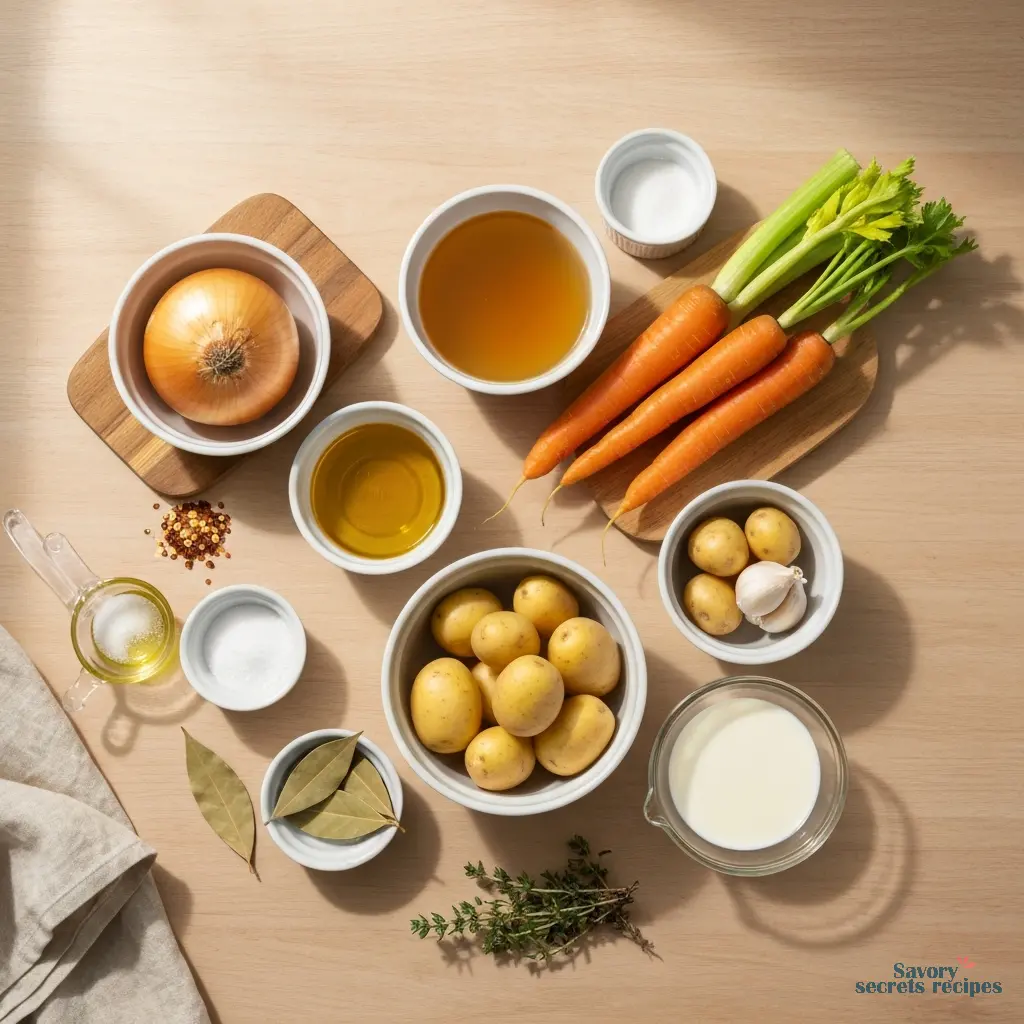
The Quiet Science of a Great Cream Soup
So, why does this recipe for the best creamy vegetable soup work so reliably? In my experience, it comes down to a few quiet principles that most recipes rush past. First, the vegetable size. Cutting everything to a similar, small dice isn’t just busywork. It ensures they all surrender their flavor and soften at the same rate, which is the foundation of a smooth puree. No one wants a chunk of undercooked carrot in their silky soup.
Then there’s the simmer. This is where most people rush it, honestly. You’re not just cooking the vegetables through; you’re encouraging them to release their starches and sugars slowly into the broth. That gentle, patient heat builds a depth of flavor that a quick boil never could. It’s the difference between a soup that tastes like vegetables in water and a soup that tastes like the essence of vegetable itself. That tracks with everything my grandmother taught me about building a base.
Finally, the blend. I tend to think an immersion blender is the secret weapon for the best cream of vegetable soup recipe. Blending it right in the pot not only saves you from washing another appliance, but it also lets you control the texture perfectly. You can leave it a little chunky or take it to absolute velvet. That control, that ability to make it exactly how you like it? That’s the good part.
Walking You Through the Process
Let’s talk about the start. You’ll grab your pot—a good, heavy-bottomed one makes a difference here—and warm your oil. Fair enough if you only have a lighter pot, just keep the heat medium-low. You’re not searing a steak; you’re gently persuading the onions, carrots, and celery to sweeten up. That takes about ten minutes, and you’ll know it’s ready when the kitchen smells incredible and the onions are translucent, not colored.
This is the key checkpoint here: adding the garlic and potatoes. You want to stir those in just for a minute, until the garlic is fragrant. If you smell it getting sharp or bitter, the heat’s too high. No worries, just pull the pot off for a second. Then, in goes the broth, the bay leaf, the thyme. Bring it to a simmer, then reduce the heat to that gentle bubble. Set a timer for 20 minutes. Walk away. Seriously. Trust the process on this one.
The Final Touch: Creaminess
When the timer goes off, the vegetables should be fork-tender. Fish out the bay leaf and the thyme stems. This is critical—blending a bay leaf is a gritty, unpleasant mistake. Now, take your immersion blender and go to town. Start slow to avoid splatters, then increase the speed. Blend until it’s as smooth as you want it. I like mine utterly smooth, with no texture at all.
Now, the finish. Turn the heat off. This is where most people rush it and can cause the dairy to separate. Off heat, stir in your half-and-half, cream, or coconut milk. It’ll incorporate beautifully into the hot soup without curdling. Taste it. This is the moment. It probably needs another pinch of salt, maybe a crack of pepper. Adjust it until it sings. And just like that, you’ve made the best cream of vegetable soup.
Tips for Perfect best cream of vegetable soup
Worth noting a few things that can elevate your soup from good to “make it every week” good.
Preparation Tips
Don’t peel the potatoes. I mean, you can, but the skins on thin-skinned varieties like Yukon Gold add nutrients and a lovely, earthy depth to the final puree. It saves time, too. For the carrots and celery, just give them a good scrub. If you’re truly short on time, most grocery stores like Whole Foods or even Ralphs sell pre-chopped mirepoix in the produce section. It’s a fantastic shortcut. And for the garlic? A garlic press is fine. My grandmother might have frowned, but it’s Tuesday, not a Michelin service.
Cooking Tips
Keep the sauté gentle. You’re looking for softened, sweet vegetables, not browned ones. Browning adds a different flavor profile that can overpower the clean vegetable taste. When you add the broth, use one you like the taste of on its own. It’s the backbone of your soup. And here’s a tip I learned the hard way: add a little salt at each stage—a pinch when sautéing the veggies, another when you add the broth. It builds layers of flavor instead of just seasoning the surface at the end.
Storage & Finishing Tips
Let the soup cool completely before you put a lid on it. Trapped steam makes everything soggy and can encourage bacteria. When reheating, do it slowly over medium-low heat, stirring often. If it seems too thick after being in the fridge, a splash of broth or water will loosen it right up. And for serving? A drizzle of good olive oil, a sprinkle of fresh herbs, maybe some homemade croutons. It changes things.
Variations & Substitutions
This recipe is a canvas. To be clear, these are suggestions, not rules.
Dietary Adaptations
For a vegan cream of vegetable soup, it’s straightforward. Use vegetable broth and finish with full-fat coconut milk. It gives a rich, luxurious mouthfeel. Cashew cream is another brilliant option—soak raw cashews, blend them with water until smooth, and stir it in. For a dairy-free version that’s not vegan, you could use a plain, unsweetened oat milk, but it won’t be as creamy. In my experience, coconut milk is the most reliable substitute. For another creamy vegan option, try this creamy red lentil soup, which uses similar techniques for a rich, satisfying texture.
Ingredient Substitutions
No carrots? Use sweet potatoes or even butternut squash. They’ll add a different kind of sweetness. Out of celery? A little fennel bulb, finely diced, adds a wonderful anise note. If you don’t have fresh thyme, dried works. Use about a third of the amount. And for the potatoes, drained and rinsed white beans are a fantastic thickener if you’re looking for a protein boost. They make a wonderfully creamy vegan vegetable cream soup.
Flavor Variations
Want to mix it up? Stir in a couple handfuls of baby spinach or kale right after blending. The residual heat will wilt them perfectly. For a touch of acidity, a tablespoon of tomato paste added with the garlic works wonders. Feeling spicy? A pinch of smoked paprika or a drizzle of chili crisp on top when serving is incredible. You could even skip the puree step entirely for a hearty, chunky vegetable soup. It’s your soup.
Common Mistakes to Avoid
We’ve all been there. Here’s how to sidestep the usual pitfalls.
❌ Mistake: Cutting the vegetables way too big.
✅ Solution: Aim for a 1/2-inch dice. Uniform, small pieces cook evenly and blend into a seamless puree. A large chunk of potato takes forever to soften.
❌ Mistake: Forgetting to remove the bay leaf and thyme stems before blending.
✅ Solution: Make it a ritual. Before you even pick up the blender, fish them out. A blended bay leaf is inedible and gritty.
❌ Mistake: Adding cold cream to boiling soup and watching it curdle.
✅ Solution: Always turn the heat off first. Let the soup’s fury settle for a minute, then stir in your creamy element. It’ll stay smooth.
❌ Mistake: Over-salting early because you’re not tasting as you go.
✅ Solution: Season in stages. Salt the sautéing veggies lightly. Taste the broth after it simmers. Do your final seasoning after you’ve added the cream. You can always add more; you can’t take it out.
Frequently Asked Questions
How to Store and Serve Your Masterpiece
Once you’ve made this best creamy vegetable soup, you’ll want to keep it right. As a general rule, cooled soup stays fresh in the fridge for about 4 days. For freezing, I recommend using freezer-safe containers and leaving an inch of space for expansion; it’ll keep for 3 months. Thaw it overnight in the fridge before reheating.
When it’s time to serve, think about contrast. This soup is rich and smooth. I love it with a piece of crusty sourdough for dipping, or with a simple, bright salad on the side. A final garnish makes it special—a drizzle of olive oil, some fresh herbs, a few crunchy croutons, or even a swirl of pesto. It turns a weeknight meal into something you’re proud to share.
Your New Winter Staple
When you make this best cream of vegetable soup, your kitchen will fill with the most comforting aroma. It’s the smell of patience paying off, of simple ingredients transforming into something greater. You’ll ladle it into bowls, see the steam rise, and know you’ve made something truly good. It’s more than just a healthy creamy soup recipe; it’s a little pot of warmth for a cold day.
I hope this becomes a trusted recipe in your home, like it is in mine. Let me know how your version of the best cream of vegetable soup turns out. Did you add a twist? Use a different vegetable? I’d love to hear about it. Now, go warm up your winter. You’ve got this.
Can I freeze this best cream of vegetable soup?
You can, but with a caveat. Soups with dairy or potatoes can sometimes separate or get a grainy texture when frozen and thawed. For best results, freeze it before adding the cream. Thaw, reheat, and then stir in the fresh cream. It’ll taste much better.
How do I store and reheat leftover creamy vegetable soup?
Let it cool completely, then store it in an airtight container in the fridge for 4-5 days. Reheat gently on the stovetop over medium-low heat, stirring often. If it thickened up, add a splash of broth or water to loosen it.
What if my vegetable soup turns out bland?
Don’t worry, it’s an easy fix. Blandness usually means it needs more salt or acid. Add salt in small pinches, tasting after each. If it’s still flat, a squeeze of lemon juice or a tiny dash of white wine vinegar can wake all the flavors right up.
My soup is too thick (or too thin). How do I fix it?
Too thick? Stir in more broth, milk, or water a little at a time until it’s perfect. Too thin? Let it simmer uncovered for 5-10 minutes to reduce and concentrate. As a last resort for thin soup, make a slurry with a tablespoon of cornstarch and two of cold water, then whisk it in and simmer for a minute.