



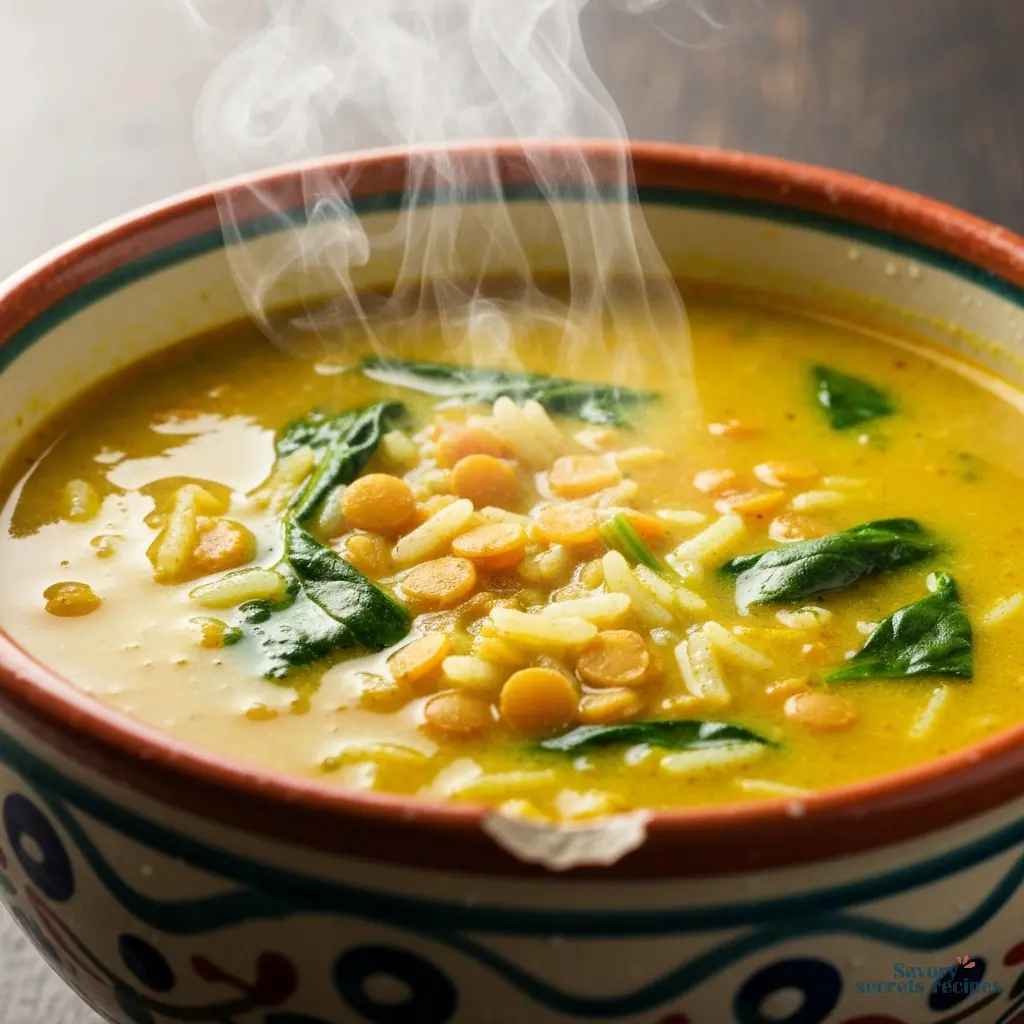
Spiced Indian Lentil Soup Recipe
Ingredients
Method
- Heat one tablespoon of oil in a large soup pot over low heat. Sauté diced onion, carrot, and celery for five minutes. Add minced garlic, grated ginger, and curry paste, then cook for 30 seconds while stirring. Pour in the chicken stock, red split lentils, and rice. Increase the heat and bring the mixture to a boil.
- Boil for 10 minutes over medium heat. Add diced cooked chicken and frozen spinach. Cook for 5 to 7 minutes until the lentils and rice are soft. Squeeze in lemon juice and season with salt to taste.
Nutrition
Notes
That First Spoonful of Comfort
I remember the exact moment I realized how powerful a simple pot of soup could be. It was a Tuesday, the kind of grey, drizzly day we sometimes get here in New Jersey that feels like it seeps into your bones. My daughter Priya had a sniffly nose and just wanted to curl up on the couch. I was tired, the fridge was looking sparse, and the thought of making dinner felt like a monumental task. I needed something warm, something that felt like a hug, and I needed it to come together without a fuss. That’s when I turned to my most reliable trick: a big pot of homemade Indian broth.
Honestly, I think we’ve all been there. You want that deep, aromatic flavor you get at a good restaurant, but the list of spices feels intimidating. You want something healthy and hearty, but you don’t have hours to babysit a simmering pot. I promise you, this isn’t that kind of recipe. This Indian broth is your secret weapon. It’s the answer to that midweek slump, the base for a dozen different meals, and it’s honestly easier than you think. Let me walk you through it.
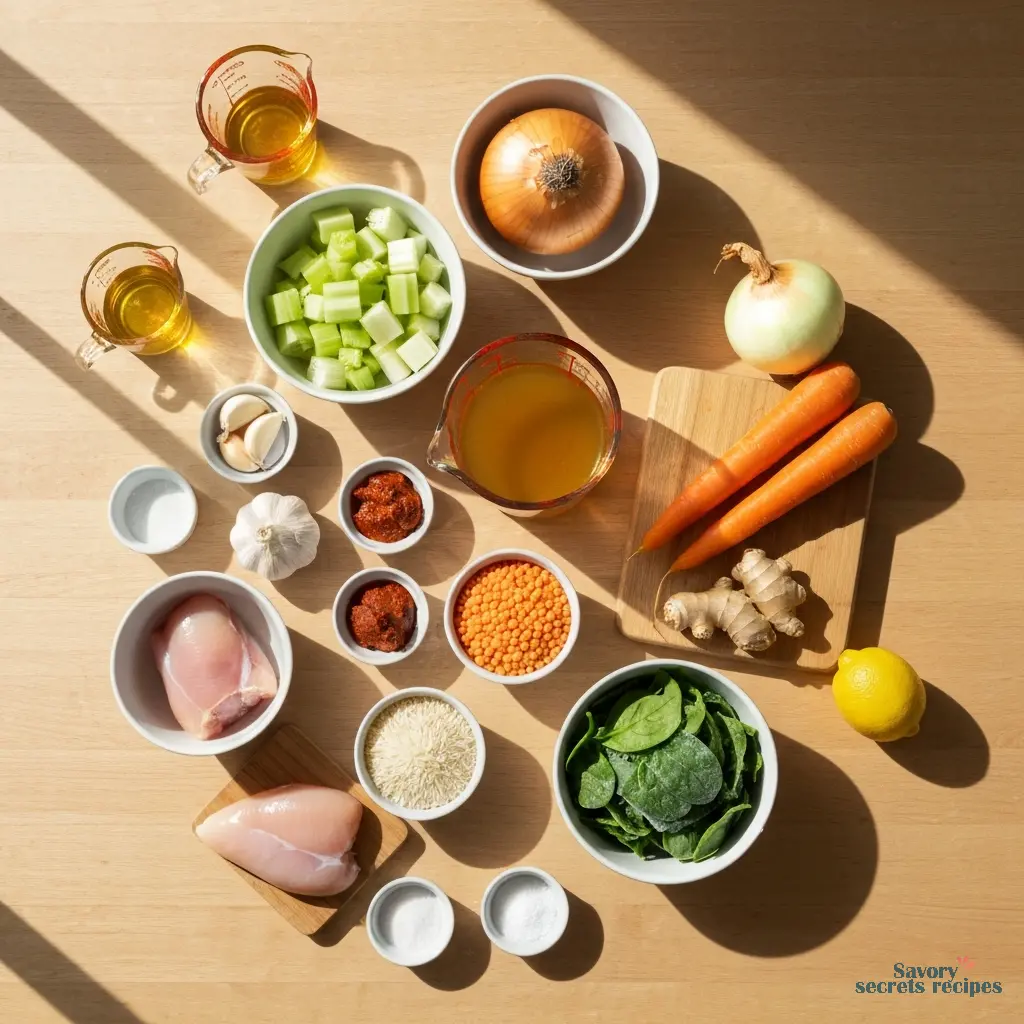
Why This Indian Broth Recipe Works
Here is what I have found works, both in my kitchen and for the readers who’ve tried it. This isn’t just about throwing things in a pot. It’s about building layers of flavor with very little effort from you. The base starts with what I call the “trinity” – onion, carrot, and celery. It’s a classic for a reason. When you soften them in a bit of oil, they create this sweet, savory foundation that makes the whole pot taste like it simmered for hours.
The real magic, though, is in the curry paste. I mean, who’s making their own complex spice blend on a Wednesday? Using a good-quality prepared paste is the ultimate shortcut. It’s already balanced – the turmeric, cumin, coriander, ginger, and garlic are all in there, toasted and ready to go. You’re not just making Indian broth; you’re making a deeply aromatic, authentic-tasting Indian broth without toasting and grinding a dozen separate spices. This is the part that matters for busy cooks.
Your Step-by-Step Guide to the Best Broth
Okay, let’s get into it. Don’t worry about perfect knife skills. Just give your onion, carrots, and celery a rough chop. They’re going to simmer until they’re tender anyway, so uniformity isn’t critical here. Heat your oil in a large pot over medium heat. This is your checkpoint. You want the oil to shimmer, not smoke.
Add your chopped veggies. That sizzle is a good sign. Stir them around for about 8-10 minutes. You’re looking for them to soften and the onion to turn translucent, not to brown. This gentle cooking wakes up their sweetness. Now, stir in the garlic, ginger, and that glorious curry paste. The smell that fills your kitchen at this moment… it’s incredible. Like butter and garlic and earth and warmth all at once. Cook it for just a minute to wake up the spices in the paste.
Bringing It All Together
Next, pour in your stock. I usually use a low-sodium chicken stock from the store, but vegetable stock works perfectly if that’s what you have. Add the lentils and rice right in. Give it a good stir, bring it to a boil, then immediately reduce the heat to a gentle simmer. This is where patience pays off, but not too much patience. Let it bubble away, uncovered, for about 20 minutes.
While that’s happening, you can prep your chicken. I like to cut it into bite-sized pieces. After the 20 minutes are up, the lentils and rice should be getting tender. Stir in the chicken pieces and the frozen spinach. The frozen spinach is a genius trick, honestly. It’s cheap, it’s nutritious, and you don’t have to wash or chop anything. Let it simmer for another 10-15 minutes. You will know it is ready when the chicken is cooked through and the lentils have broken down to thicken the broth beautifully.
Finish it with a big squeeze of fresh lemon juice. This is non-negotiable in my testing. It brightens every single flavor and cuts through the richness. Taste it. Add salt until it sings. And then? You’ve done it.
Tips for Perfect Indian Broth Every Time
I’ve made this more times than I can count, and these little insights make all the difference.
Preparation Tips
Don’t stress about the vegetable sizes. If your carrots are in big chunks and your celery is small, it’s fine. They all soften up in the end. One thing to watch for: if you’re using fresh spinach instead of frozen, add it right at the end, just until it wilts. And ginger is optional, truly. If you have young kids who might object to the little bits, you can grate it finely or even use a bit of powder.
Cooking Tips
That simmer should be gentle. A few bubbles breaking the surface, not a rolling boil. A vigorous boil can make the chicken tough and the lentils mushy on the outside before they’re cooked inside. Also, letting the flavors develop is real. This Indian broth tastes even better the next day. If you’re planning it for dinner, making it the night before isn’t a bad idea at all. It thickens as it sits, though, which leads me to… If you love meal-prep soups, our frozen vegetable soup is another great make-ahead option.
Storage & Reheating Tips
When you store it, the lentils and rice will absorb more liquid. If it looks too thick the next day, that is normal. Just add a splash of water or extra stock when you reheat it to bring it back to the perfect soupy consistency. To be safe, I always under-salt slightly when making it ahead, because you can always add more when you reheat and adjust the liquid.
Variations & Substitutions
This recipe is a fantastic template. Think of it as your canvas.
Dietary Adaptations
To make this vegan, you’ll need to do two things. Use vegetable oil instead of butter if the recipe calls for it, and swap the chicken stock for a robust vegetable broth. The lentils and vegetables make it plenty hearty. For a dairy-free version, just ensure your curry paste doesn’t contain any dairy or ghee—most don’t, but it’s worth checking the label.
Ingredient Substitutions
No red lentils? Yellow lentils (toor dal) are a great substitute and will give a similar texture. You can even use another type of lentil if you have them on hand, just know that brown or green lentils will hold their shape more. Don’t have basmati rice? Any long-grain white rice will work. The chicken can be swapped for leftover roast turkey, or omitted entirely for a lentil soup. Kale is another great option if you have some in the fridge needing to be used. For more inspiration on combining lentils with greens, try our hearty lentil and greens soup.
Flavor Variations
Want a curried vegetable soup? Just add in your desired amount of curry powder along with the paste for an extra kick. I’ve tried this with a bit of pav bhaji masala when I was out of curry paste, and it tasted great. For a noodle soup, add about one serving of dry noodles once the broth comes to a boil. You’ll need about a cup more water, and the noodles will cook right in the pot, thickening the soup as they do.
Common Mistakes to Avoid
❌ Mistake: Adding the lemon juice at the beginning with everything else.
✅ Solution: The acid can prevent the lentils from softening properly. Always add the lemon juice at the very end, off the heat, to preserve its bright flavor.
❌ Mistake: Making the soup too thick initially.
✅ Solution: Remember, it thickens significantly as it cools and sits. Aim for a broth that’s a little looser than you think you want. You can always simmer it longer to reduce, but you can’t un-thicken it once the lentils break down.
❌ Mistake: Not adjusting the liquid when reheating.
✅ Solution: Soup thickens as it sits, especially with rice and lentils. Always have a little extra stock or water on hand to thin it out to your liking when you warm it up.
❌ Mistake: Over-blending if you’re using an immersion blender.
✅ Solution: If you prefer a smoother texture, pulse briefly. You want to thicken it, not turn it into a completely smooth puree. Losing that bit of texture makes it less interesting.
Frequently Asked Questions
How to Store and Serve Your Broth
Let the broth cool completely before storing. Transfer it to an airtight container and it’ll keep in the refrigerator for 4 to 5 days. To freeze, portion it into freezer-safe bags or containers, leaving an inch of space for expansion. It freezes beautifully for 2 to 3 months. To reheat, thaw overnight in the fridge if frozen, then warm it gently in a pot on the stove over medium heat, adding a little water or stock if it’s too thick. You can also microwave it in a microwave-safe bowl in 30-second bursts, stirring in between.
Serve this Indian broth hot, as is. It’s a complete meal. Some people like a dollop of plain yogurt or a drizzle of cream, but I prefer it without. I do enjoy adding an extra squeeze of lemon though, along with a big handful of chopped fresh cilantro. A warm piece of naan or crusty bread on the side is perfect for dipping.
Wrapping It All Up
When you make this Indian broth, you’ll love how something so simple can make your whole kitchen smell incredible and fill you up so completely. It’s the kind of cooking that feels like a win—nutritious, versatile, and deeply satisfying. I was happy with how this recipe turned out because it solves the problem I was having: needing real comfort food without the real time commitment.
Give it a try this week. Tag me on social media to show me your creation. I’d love to see what variations you come up with. Most of all, enjoy that first spoonful of warmth. You’ve earned it.
What is the most famous soup in India?
While there are many, one of the most well-known globally is Mulligatawny. It’s an Anglo-Indian invention, originally a thin, spicy pepper water, that evolved into the hearty lentil and rice soup many love today. This Indian broth recipe is inspired by that comforting tradition.
Can I make this Indian broth in an Instant Pot?
Absolutely. Use the Sauté function for the veggies and spices. Add everything except the lemon and spinach, seal, and cook on High Pressure for 8 minutes. Quick release, stir in spinach until wilted, then add lemon juice. It cuts the time in half.
What vegetables can I put in this soup?
So many! Think of it as a clean-out-the-fridge hero. Diced potatoes, cauliflower florets, green beans, peas, or sweet corn all work beautifully. Just add harder veggies (like potatoes) with the lentils, and softer ones (like peas) at the end with the spinach.
Can I use spinach instead of kale in this Indian broth?
Yes, and I often do! Frozen spinach is my go-to for convenience, but fresh works great too. If using fresh, stir it in during the last 2-3 minutes of cooking, just until wilted. It adds a vibrant green color and loads of nutrition.