



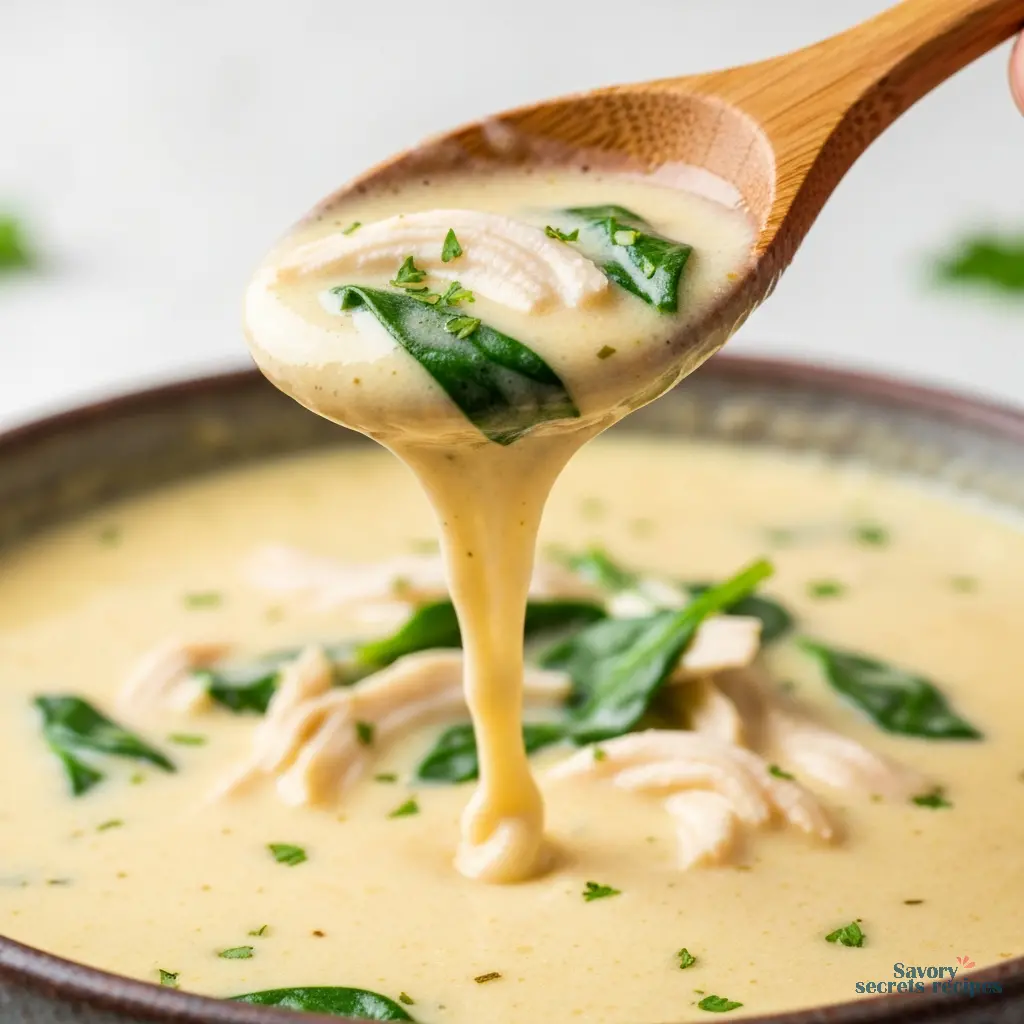
Hearty Non Dairy Chicken and Vegetable Soup
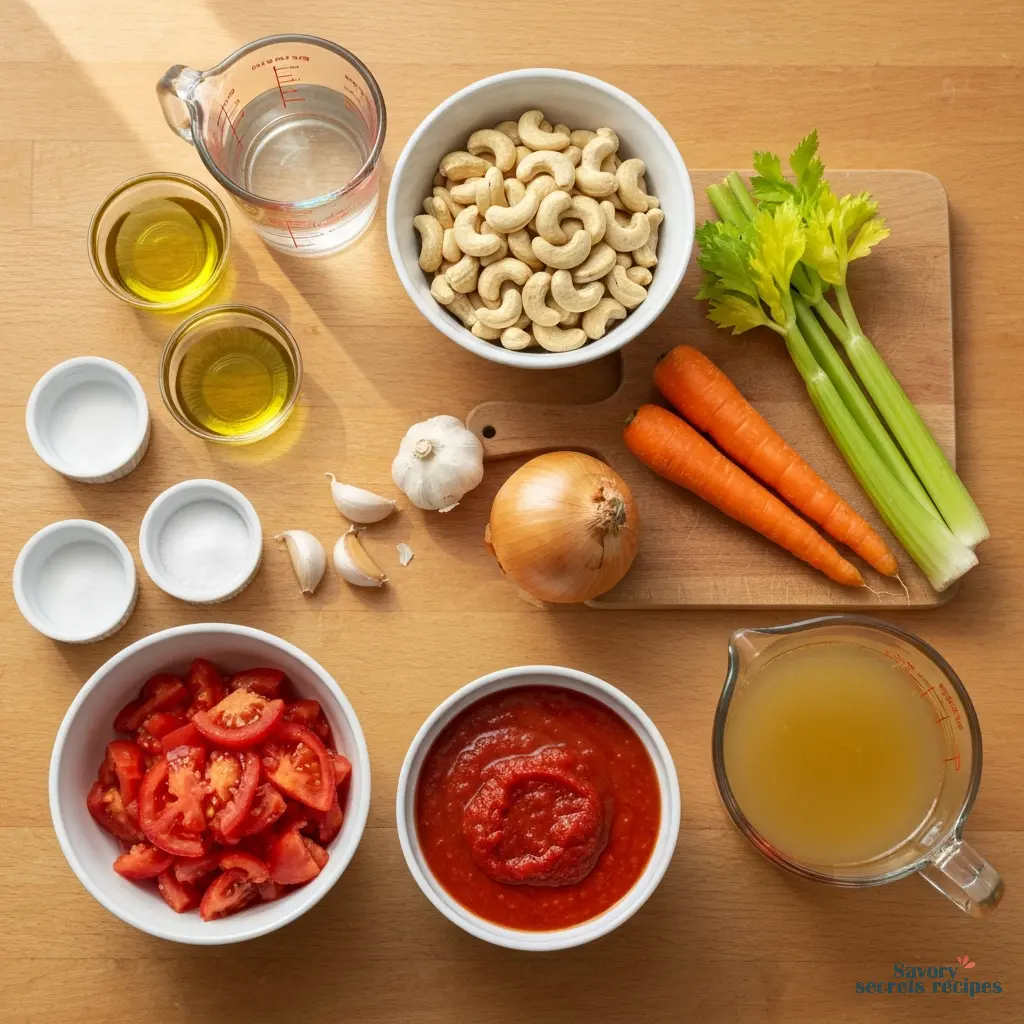
Ingredients
Method
- Soak the raw cashews for the cream. Place them in a small heatproof bowl, cover with freshly boiled water, and set aside.
- Heat olive oil in a large soup pot over medium heat. Add the onions, carrots, celery, garlic, and salt. Sauté the vegetables, stirring occasionally, for 8 to 10 minutes until softened and beginning to caramelize.
- Stir in the tomato paste, poultry seasoning, oregano, salt, and optional chili flakes. Cook until the paste darkens slightly, about one to two minutes, to deepen the flavors.
- Add the broth, diced tomatoes, and chicken breasts. Return to a simmer and cook for 20-25 minutes, until the chicken is cooked through and the vegetables are tender. Reduce the heat to low. If using pre-cooked shredded chicken, simmer the vegetables and broth together and add the chicken in the following step.
- Once the chicken is cooked, carefully transfer it to a cutting board. Shred the meat with two forks or chop it into bite-sized pieces. Return the shredded chicken to the soup.
- Drain and rinse the soaked cashews. Place them in a high-speed blender with 1 1/2 cups of just-boiled water. Blend on high for one to two minutes until completely smooth and no cashew pieces remain. Stir the cashew cream and parsley into the soup. Return the soup to a simmer and cook for approximately five minutes to meld the flavors and allow it to thicken slightly.
- Turn off the heat. Add several large handfuls of baby spinach and stir until it wilts. Season with salt and pepper to taste.
- Serve and enjoy.
Nutrition
Notes
Ever Craved Creamy Soup But Can’t Have Dairy? I Get It.
Let me think about that for a second. You’re staring into your pantry on a chilly LA evening, the kind where the marine layer rolls in and you actually want to turn the oven on. You want something warm, something that feels like a hug in a bowl, but the thought of dairy makes you, well, hesitate. Maybe it’s an intolerance, a preference, or you’re just cooking for someone who avoids it. I’ve been there, standing in my own kitchen in Silver Spring, feeling that exact same limitation. Honestly, it’s a frustration I know all too well.
But here’s what I’ve found works: you don’t need cream to achieve that luxurious texture. Some of the best non dairy soup recipes I’ve ever made came from my grandmother’s notebook of substitutions. She taught me that creaminess is a texture, not an ingredient. And with a few smart pantry swaps, you can create non dairy soups that are every bit as satisfying, rich, and comforting as the classics. These recipes are built on that principle—they’re weeknight-friendly, use ingredients you can find at your local Ralphs or Trader Joe’s, and they deliver on that promise of cozy comfort without compromise.
Why This Non Dairy Soup Recipe Actually Works
This is exactly the sort of thing I love to dig into. The magic here isn’t a secret ingredient, it’s technique. We’re using soaked cashews, blended until completely smooth, to create a base that’s rich, neutral, and has a mouthfeel that’s incredibly close to heavy cream. It’s a trick I learned from my grandmother’s notes—she used similar principles with ground nuts when dairy wasn’t an option. This method solves the biggest pain point for non dairy soup recipes: achieving that velvety body without relying on thin, sometimes sweet, alternative milks. The cashews do most of the work if you let them. You’ll know it’s ready when the blended mixture is utterly smooth, with no graininess at all. It’s a foolproof foundation.
Your Guide to Dairy-Free Creamy Agents
Look, I get it. The world of non-dairy substitutes can feel overwhelming. Which one should you use for cooking? Your mileage may vary depending on the soup, but here’s my breakdown from years of testing.
Cashew Cream: This is my go-to for neutral, rich creaminess. Soak raw cashews in hot water for 20 minutes, then blend. The result is thick, luxuriously smooth, and doesn’t impart a strong flavor. It’s perfect for non dairy soups where you want the other ingredients to shine.
Canned Coconut Milk (Full-Fat): I recommend using canned full fat unsweetened coconut milk. Full fat just means it doesn’t say light on the label. It adds a subtle sweetness and richness that’s fantastic in curried or tomato-based non dairy soup recipes. Just give it a good stir when you open it because it does separate. You can find it on the international aisle at any Vons or Whole Foods.
Blended Vegetables: Don’t overlook the power of a humble potato or some cooked cauliflower. Pureeing starchy vegetables directly into your soup is a fantastic way to thicken it naturally and add body. It’s a great non dairy thickener for soup that also boosts the nutrient content.
Step-by-Step, Without the Stress
Fair enough, you want to know how this comes together. It’s easier than you think, I promise. Start by getting your cashews soaking in that just-boiled water. While they’re softening, chop your onion, celery, and carrots. This is the only real prep work. In your stockpot, you’ll sauté those veggies until they soften and smell sweet—trust your nose on this one. That’s your flavor base.
Now, here’s where it gets creamy. Drain your cashews and blend them with fresh water until it’s completely smooth. No grit. Pour that gorgeous, creamy liquid into the pot with your broth and tomatoes. Let it all simmer together. The ingredient does most of the work if you let it. Add your chicken to poach gently right in the broth. When it’s cooked through, you’ll shred it and stir it back in with a couple handfuls of spinach. The spinach wilts in seconds. And just like that, you’ve got a pot of luxurious, dairy-free soup.
Tips for Perfect Non Dairy Soups Every Time
I’ve made my share of mistakes so you don’t have to. Here’s what I wish I knew when I started making non dairy soup recipes.
Preparation is Key
Soak those cashews in the hottest water you can. It makes blending them to a silky consistency so much easier. If you’re in a rush, you can pour boiling water over them and let them sit while you chop everything else. Also, using any broth in place of water for your soup is a great way to make it more nutrient-dense and flavorful from the start.
Mastering the Cook
Don’t rush the sauté. Let those onions and carrots get soft and fragrant—that’s where a lot of the soup’s depth comes from. And when you add the cashew cream, don’t let it boil vigorously. A gentle simmer is perfect. If you accidentally boil your potatoes too long in another recipe, you can still recover! Just add a little extra broth as you’re blending until you get the consistency you want. Soups are forgiving.
Storing for Later
The good news? Dairy-free soups generally freeze better than those made with dairy. This soup freezes, thaws, and reheats beautifully. Feel free to double the recipe so you have plenty to freeze. Let it cool completely before transferring it to airtight containers, leaving some space for expansion.
Variations & Substitutions: Make It Your Own
This is just based on my own testing, but the framework is flexible. That’s the beauty of non dairy soup recipes.
Dietary Adaptations
To make this recipe vegan: use chickpeas or white beans instead of chicken, and be sure to use a rich vegetable broth. The cashew cream base works perfectly. For a gluten-free version, just double-check that your broth and poultry seasoning are certified GF—most are.
Ingredient Swaps
Out of cashews? In most recipes, I’d say canned coconut milk is the only substitute, but here I say yes to others since the blended cashews do the heavy lifting. You could use almond milk or even oat milk, but be sure whatever you use is unsweetened and add less since these other milks are not as thick. The texture will be a bit lighter, but still delicious.
Flavor Twists
Feel like changing it up? Add ¾ cup of corn for sweetness, or sauté 8 ounces of sliced baby bella mushrooms with the onions for an earthy, umami boost. A squeeze of lemon at the end can brighten everything up, too. For a completely different flavor profile, try a spicy vegetable soup variation with added chili peppers or smoked paprika.
Common Non Dairy Soup Mistakes to Avoid
I’ve learned these lessons the hard way, so you don’t have to.
❌ Mistake: Using sweetened alternative milk. It’ll throw the whole savory balance of your soup off.
✅ Solution: Always, always check for “Unsweetened” on the label. This is non-negotiable for non dairy soup recipes.
❌ Mistake: Not blending the cashew cream long enough. Grainy soup is no one’s friend.
✅ Solution: Blend for a full 2-3 minutes until it’s utterly smooth. A high-speed blender is best, but a good immersion blender can work too.
❌ Mistake: Adding delicate greens like spinach too early. They’ll turn to mush.
✅ Solution: Stir them in at the very end, just until wilted. They’ll retain color, texture, and nutrients.
Frequently Asked Questions
How to Store and Serve Your Non Dairy Soup
Let the soup cool to room temperature before storing. In the fridge, it’ll keep beautifully for 4-5 days in a sealed container. To freeze, portion it into freezer-safe bags or containers (I love the ones from Costco for this), leaving an inch of space. It’ll be good for 2-3 months. Reheat gently on the stove over medium-low heat, stirring occasionally. If it’s thickened in the fridge, just add a splash of broth or water when reheating. Serve it with a crusty piece of sourdough for dipping, or over a scoop of cooked quinoa or rice to make it even heartier.
You’ve Got a New Go-To for Cozy Nights
When you ladle this soup into bowls tonight, watch those smiles appear. You’ve just created something wholesome, comforting, and completely in line with your needs—no compromises. I’m genuinely excited for you to try these non dairy soup recipes and make them your own. Tag me on social media with your creations if you like, I love seeing your versions. You’ve got this. Now go enjoy that well-earned bowl of cozy.
How do you make a soup creamy without dairy?
You use non-dairy creamy agents. My top picks are blended cashews, full-fat canned coconut milk, or pureed starchy vegetables like potatoes or cauliflower. They add body and a rich mouthfeel that mimics cream perfectly in non dairy soup recipes.
What is the best dairy-free milk for lactose-free soup recipes?
It depends on what you’re going for. For a neutral, rich base, cashew cream is best. For curries or tomato soups, canned coconut milk adds great flavor. For everyday cooking, unsweetened almond or oat milk works, but they’re thinner.
Can you freeze dairy-free soups?
Absolutely, and often better than dairy-based soups! This soup freezes beautifully for up to 3 months. Cool it completely, store in airtight containers leaving headspace, and thaw overnight in the fridge before reheating.
Why use unsweetened canned coconut milk?
The “unsweetened” part is critical for savory non dairy soup recipes. Sweetened milk will make your soup taste off. The full-fat version from a can also provides the thickness and richness you need, unlike the refrigerated carton kind.
Can I substitute a different milk for canned coconut milk?
In this specific recipe, yes, because the cashews provide the primary creaminess. You can use unsweetened almond or oat milk. But in recipes where coconut milk is the sole creamy agent, I wouldn’t recommend it—the soup will be too thin.
What’s the healthiest thickening agent for non dairy soups?
In my experience, using blended vegetables is a fantastic, nutrient-dense option. Pureed white beans, cauliflower, or potatoes add fiber, vitamins, and creaminess without any processed thickeners. It’s a win-win for healthy non dairy soup recipes.