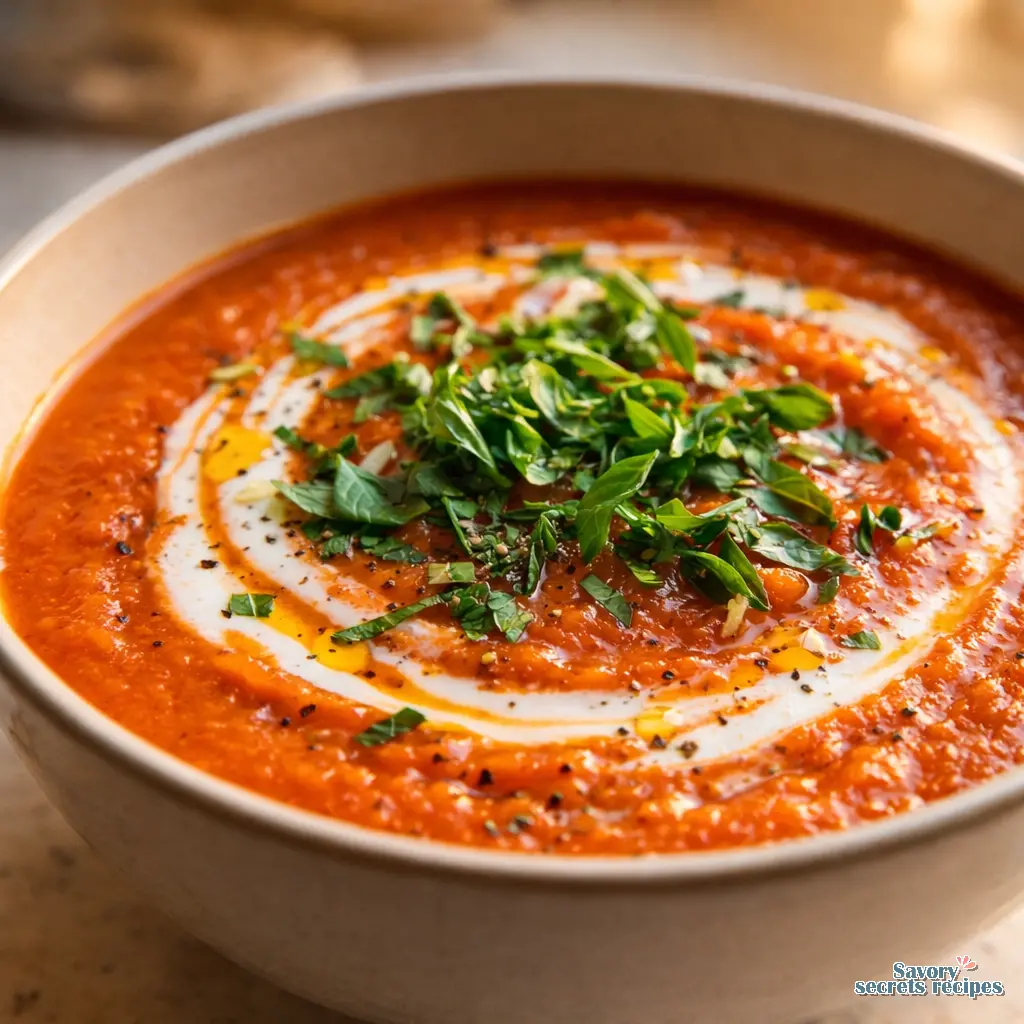




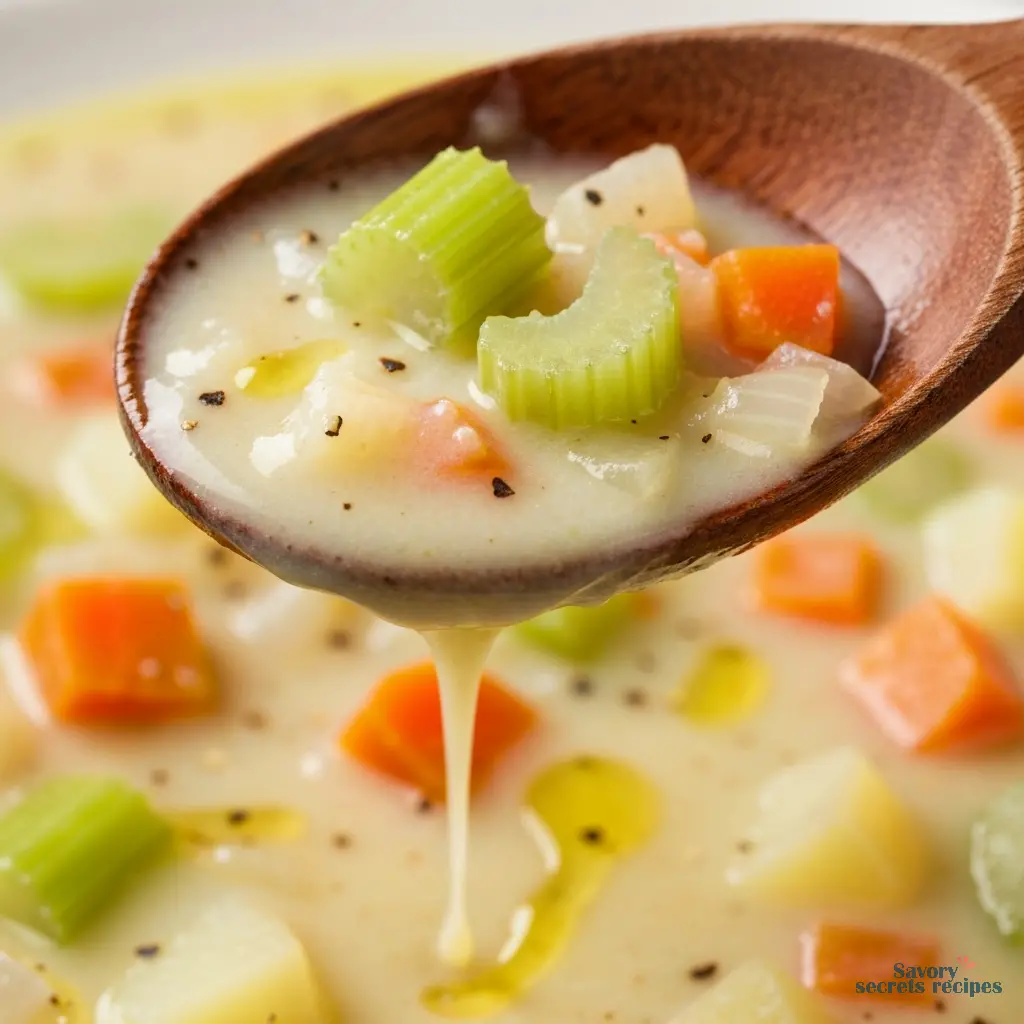
Creamy Potato Soup with Celery and Carrots
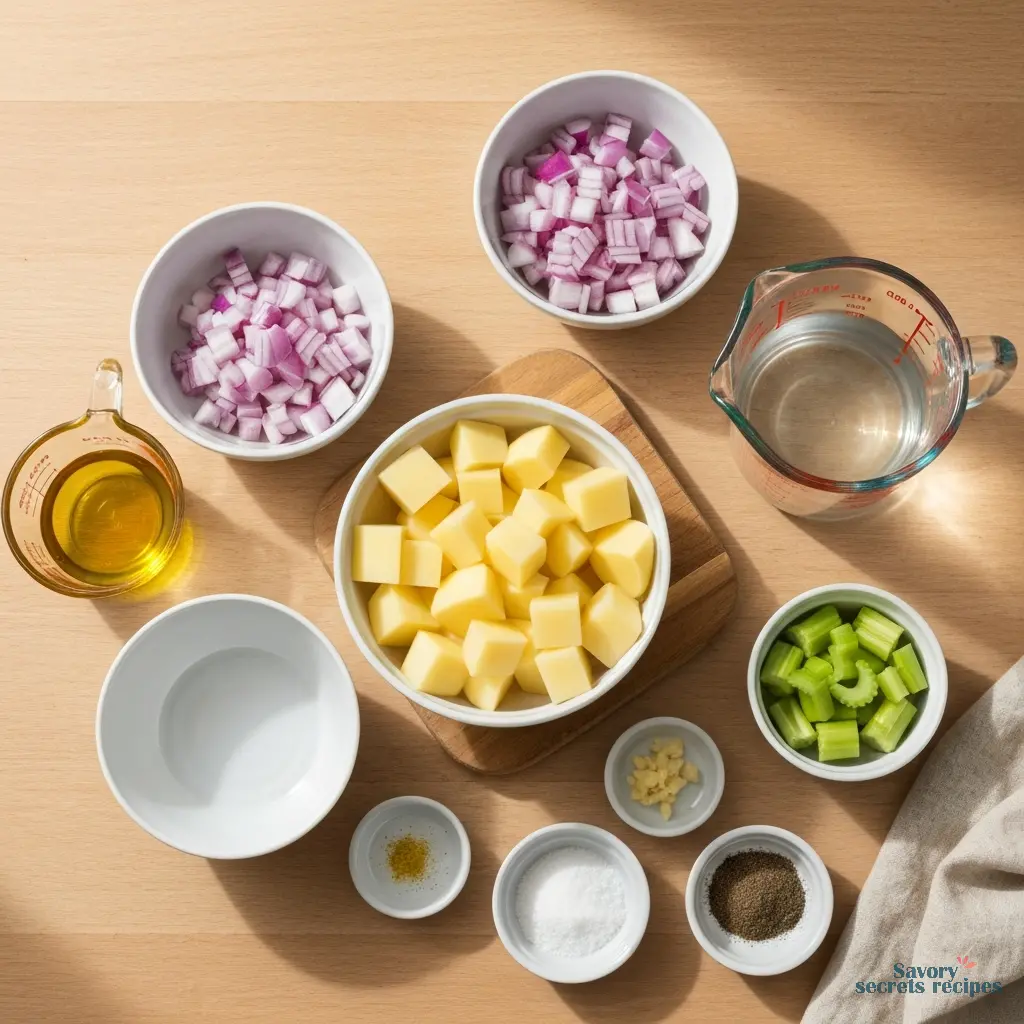
Ingredients
Method
- Heat oil in a stockpot over medium-high heat. Stir in the onion and cook until softened and translucent, about 5 minutes. Add the garlic and cook until fragrant, about 1 minute. Add the potatoes and celery, then sauté until the celery is tender and slightly browned, 3 to 5 minutes. Pour in the water and add the bouillon cube, garlic salt, and pepper. Bring to a boil and cook until the potatoes are tender, 20 to 25 minutes.
- Fill the blender halfway with soup. Cover and firmly hold the lid down with a potholder. Pulse several times, then blend continuously. Pour the blended soup into a pot. Repeat the process with the remaining soup. Serve hot.
Nutrition
Notes
Why This Celery in Potato Soup Works (And Why I’m Cautiously Excited About It)
You know that specific, damp chill that seeps into your bones during a Minnesota January? The one that makes your shoulders hunch up around your ears the second you step outside? That’s the feeling that sends me straight to the soup pot. And look, I’ve made my share of bland, disappointing potato soups. The data suggests that’s a common frustration. But getting the celery right in potato soup? That was a game-changer I wish I’d understood years ago.
I remember one particularly grim February evening, standing in my Minneapolis kitchen after work. I was tired, it was dark at 5 PM, and I just wanted something warm and uncomplicated. I threw together a potato soup, but I was rushing. I just dumped the celery in with everything else. The result was… fine. It was hot. It was edible. But it tasted flat, like it was missing the point of itself. The celery was there, but it wasn’t *doing* anything. It was a background actor who’d forgotten their lines.
This recipe is my answer to that. It’s the method I developed after that night, once I decided to actually pay attention. It’s about treating celery not as a throw-in, but as a foundational flavor builder. And let me double-check that—this approach works whether you’re in a snowy Minnesota winter or dealing with a surprisingly cool evening in Los Angeles. The principles are the same. You’re building layers of comfort, one careful step at a time.
The Science of Building Flavor
Okay, let’s talk about why this method for celery in potato soup works. It tracks with what I’ve seen in both fermentation and simple soup-making. Flavor isn’t just about what you add; it’s about when and how you add it.
When you sauté the diced celery at the beginning with the onions, you’re not just softening it. You’re kickstarting a chemical process. The heat drives off some of the celery’s inherent bitterness—and yes, it does have a subtle bitter note, that’s just biology—and encourages the natural sugars inside to caramelize slightly. It’s a gentle transformation. That’s why your finished celery in potato soup tastes deeply savory and rounded, not sharp or grassy.
According to the guidelines I follow for predictable results, controlling variables is key. Starting your celery in potato soup this way controls the celery’s flavor variable from the get-go. You’re not leaving it to chance. The other vegetables, like the potatoes and carrots, get added later because they have different jobs. Potatoes are there for starch and body. They’ll break down and thicken the broth. Adding them later prevents them from becoming gluey before the celery has had its moment to shine.
Tips for Perfect Celery in Potato Soup
I’d want to verify first that you’re set up for success. These aren’t just suggestions; they’re the little adjustments that prevent big disappointments.
Preparation Tips
Don’t discard the celery leaves! Those delicate, dark green tops are packed with a more concentrated celery flavor. I chop them finely and stir them in at the very end, just before serving. It’s like a fresh, aromatic garnish that reminds you what’s in the soup. When dicing the stalks, aim for pieces about the size of your thumbnail. Uniformity matters here—it ensures everything cooks evenly. If your pieces are all different sizes, you’ll have some mushy celery and some crunchy celery in the same bowl. Better to err on the side of caution and take an extra minute with your knife.
Cooking Tips
This is where I get a little technical, but stay with me. That initial sauté? You’re looking for the onions and celery to become translucent, not browned. It should take about 8-10 minutes over medium heat. You’ll smell the change—the raw, sharp edge mellows into a sweet, savory aroma. That’s your cue. Now, about blending. I recommend using an immersion blender. You don’t have to transfer hot soup, which is a safety risk and a mess. Just stick it in the pot and pulse a few times. You want to blend just enough to thicken the soup, but leave plenty of texture. Over-blending potatoes can release too much starch and make the soup gluey. Trust me, I learned that the hard way with a batch that turned into a paste.
Storage & Adaptation Tips
Your celery in potato soup will thicken as it sits in the fridge. That’s normal starch behavior. When you reheat it, you’ll just need to add a splash of water or broth to bring it back to the right consistency. And hey, it’s freezable too! Portion it into containers, leaving about an inch of headspace for expansion. It’ll keep for up to 3 months. For a vegan version, swap the chicken bouillon for a good vegetable bouillon paste. The data suggests the flavor profile holds up beautifully.
Variations & Substitutions
Maybe you looked at the ingredient list and thought, “I don’t have that.” I get it. Cooking is active biology, not magic, and it should be adaptable.
Dietary Adaptations
To make this celery in potato soup vegan, use a robust vegetable broth instead of chicken bouillon. For extra plant-based protein, you can stir in a drained can of white beans or chickpeas when you add the potatoes. They’ll heat through and make the soup even heartier.
Ingredient Substitutions
No russet potatoes? Yukon Golds are a fantastic substitute—they’re a bit waxier, so your soup will be creamier with less blending. If you’re out of fresh garlic, a teaspoon of garlic powder added with the broth is fine, though the flavor will be less complex. I’m hesitant to say definitively, but in a pinch, a chopped fennel bulb can stand in for celery, though it will add a subtle anise note.
Flavor Variations
This recipe is a fantastic base. Want more greens? Stir in a couple handfuls of fresh baby spinach or chopped kale in the last 2 minutes of cooking. For a richer finish, stir in a tablespoon of butter or a handful of grated sharp cheddar right before serving. Yum. That’s the kind of precision I appreciate—a simple finish that elevates the whole pot. If you’re looking for a completely dairy-free option, explore our guide to potato soup without dairy.
Common Mistakes to Avoid
Let’s troubleshoot before you even start. I’ve made these errors so you don’t have to.
❌ Mistake: Adding all the vegetables to the pot at the same time.
✅ Solution: Sauté the onions and celery first. This builds a flavor foundation. The potatoes and carrots go in with the liquid because they need to simmer and soften to thicken the soup.
❌ Mistake: Boiling the soup aggressively.
✅ Solution: After bringing it to an initial boil, reduce the heat to a gentle simmer. A hard boil can break the potatoes down too quickly and make the celery in potato soup texture grainy or gluey.
❌ Mistake: Over-blending the soup.
✅ Solution: Use an immersion blender and pulse just 4-5 times. You’re aiming to thicken it, not puree it into baby food. You should still see distinct pieces of vegetable.
Frequently Asked Questions
Equipment Guide & Recommendations
You don’t need fancy gear, but a couple of tools make this celery in potato soup much easier. First, a good chef’s knife for all that dicing. A heavy-bottomed pot (like a Dutch oven) is ideal because it distributes heat evenly and prevents scorching.
Now, about blending. I am a big fan of having an immersion blender. I know, another gadget. But it means you don’t have to transfer ladles of dangerously hot soup into a stand blender and back. You just stick it in the pot and blend. I’ve had two I love. The first is a basic model with a few handy attachments—great for everyday use. The other is a more powerful one for heartier vegetables. It’s a grab, blend, and done tool that’s a staple in my kitchen. If you make soups regularly, it’s worth the drawer space.
How to Store and Serve Celery in Potato Soup
Once your soup has cooled to room temperature—don’t put a hot pot directly in the fridge—transfer it to airtight containers. It’ll keep for 3-4 days. For freezing, leave an inch of headspace, seal tightly, and label with the date. It freezes beautifully for up to 3 months. Thaw in the fridge overnight before reheating.
To serve, ladle it into warm bowls. The contrast in temperature keeps it hot longer. A final drizzle of good olive oil, a crack of black pepper, and those reserved chopped celery leaves make it look and taste special. A slice of crusty sourdough on the side is never a wrong choice. It’s the perfect vehicle for getting every last drop of your celery in potato soup.
Final Thoughts
When you make this celery in potato soup, you’ll notice the difference that careful, layered cooking makes. It’s not about being fussy; it’s about understanding how ingredients work together. You’re not just making soup. You’re conducting a simple, delicious transformation in your pot.
This is exactly the result we want to see: a pot of something warm, nourishing, and deeply flavorful that came together without stress. It’s the kind of recipe that becomes a reliable friend on busy weeknights or quiet weekends. I can’t wait to hear how your celery in potato soup turns out. Let me know in the comments, or tag me if you share a photo. Warm soup, happy heart—you’ve earned this comfort.
This potato carrot celery soup is just one of many comforting options in our collection of creamy vegetable soup recipes.
What does celery do for potato soup?
Celery adds a crucial aromatic depth and a subtle, savory sweetness that balances the starchiness of the potatoes. When sautéed first, it forms part of the flavor base (along with onion), giving your celery in potato soup a more complex, restaurant-quality taste profile.
Can you overcook celery in soup?
You can, but it’s forgiving. Overcooked celery becomes very soft and loses its slight texture, but it won’t ruin your celery in potato soup. It just melts into the background more. To keep a bit of body, add it at the sauté stage, not at the very end.
How should you cut celery for soup?
Aim for a small, uniform dice—about 1/4 inch pieces. This size ensures the celery cooks evenly and distributes its flavor throughout every spoonful of your celery in potato soup without becoming stringy or overwhelming.
Why does my potato soup taste bland?
This usually tracks with under-seasoning or not building flavor layers. Sautéing your aromatics (onion, celery) properly is step one. Season in stages: a little salt when sautéing, then adjust again at the end. The potatoes absorb a lot of salt.
How do I store and reheat leftover celery in potato soup?
Let the soup cool completely, then store it in a sealed container in the fridge for 3-4 days. It will thicken. Reheat it gently on the stove over medium-low heat, adding a splash of water or broth to loosen it back up. Stir frequently.
Can I make this celery in potato soup in a slow cooker or Instant Pot?
Yes, but with adjustments. For a slow cooker, still sauté the onion and celery first for best flavor, then add everything and cook on low for 6-8 hours. For an Instant Pot, use the sauté function for that first step, then pressure cook on high for 10 minutes with a quick release.