



Low Calorie Soup Recipes Under 100 Calories
Ingredients
Method
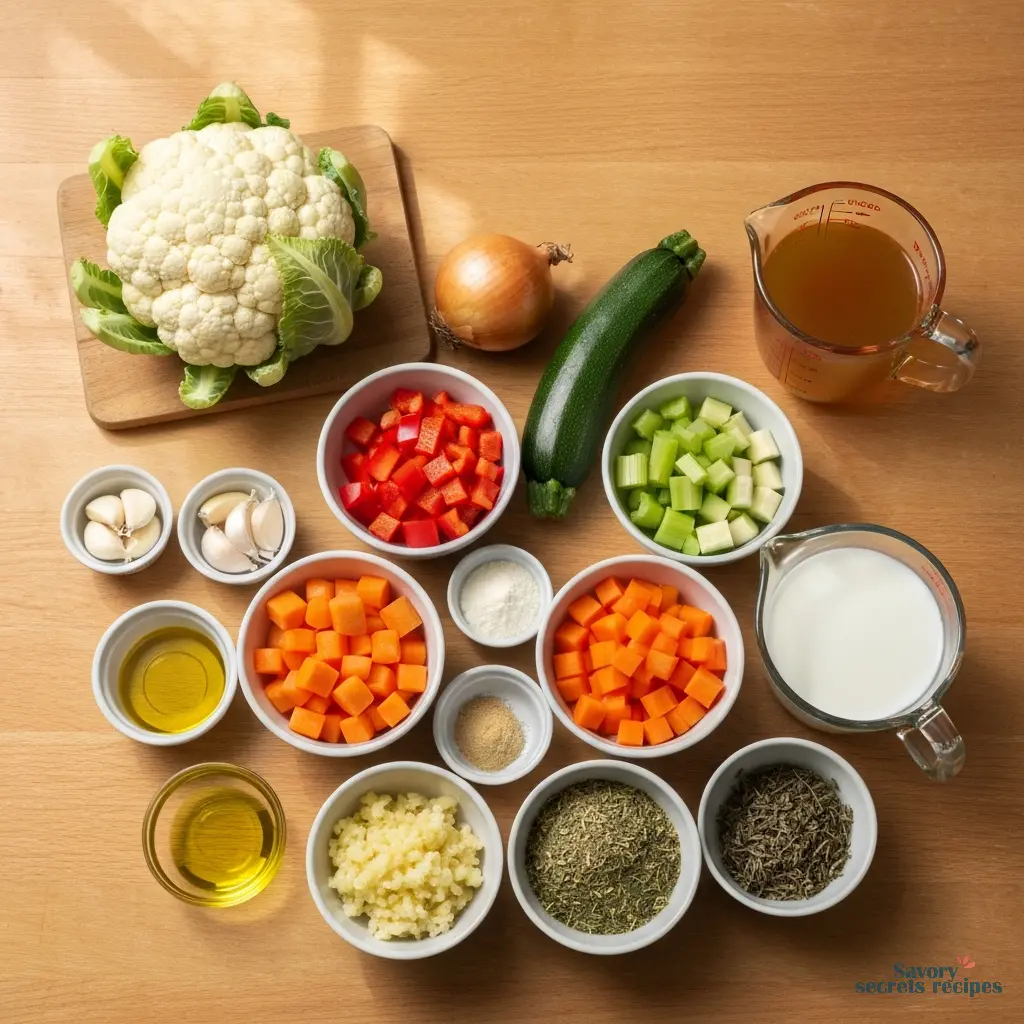
- Break one-quarter of the cauliflower into small florets and set aside for the soup.
- Break the remaining cauliflower into medium florets for the broth. If using a small cauliflower, peel and roughly dice the stem as well.
- Combine cauliflower, zucchini, onion, whole garlic cloves, vegetable broth, and water in a large pot.
- Cover the pot, bring to a boil, then reduce the heat to a vigorous simmer. Cook for 15 minutes, or until the cauliflower is tender.
- Transfer the mixture to a blender, add garlic powder, onion powder, pepper, and milk. Secure the lid, cover it with a tea towel, and hold it down firmly. Puree the soup, starting on a low speed and gradually increasing to high.
- Remove the lid and admire the ultra-creamy, low-calorie soup broth.
- Heat oil in a large pot over medium-high heat. Add the onion and garlic, and cook for one minute. Stir in the carrots and celery, and cook for two minutes.
- Add thyme, bell pepper, and zucchini. Cook until softened, about 2 minutes.
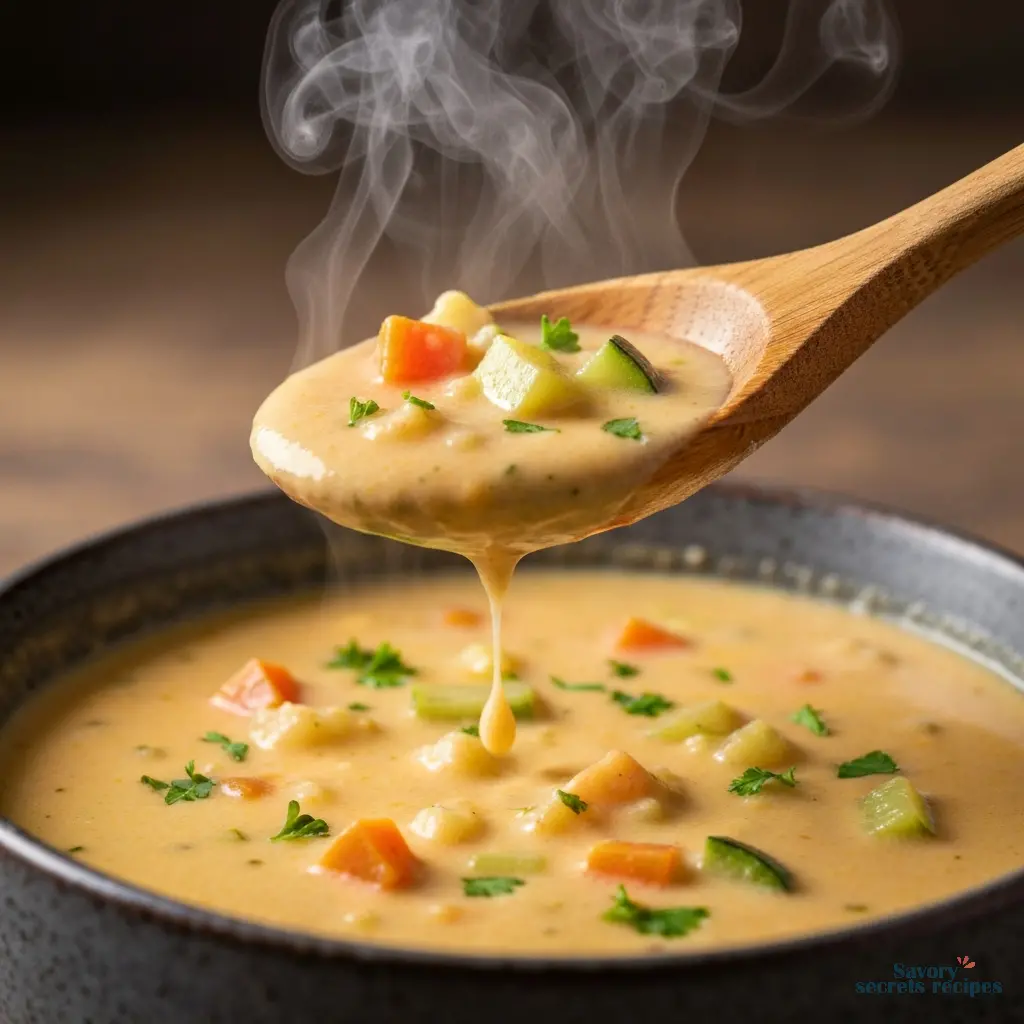
- Pour in the soup broth, then adjust the consistency with water to reach your desired thickness. Stir in the reserved cauliflower.
- Simmer for five minutes to meld the flavors, then season with salt and pepper.
- Garnish with parsley before serving. Alternatively, indulge by dipping a piece of grilled cheese into the soup.
Nutrition
Notes

You Don’t Have to Choose Between Cozy and Healthy
Let me think through this. It’s January in Oakland, and the rain’s been coming down for what feels like weeks. You’re craving something warm, something that feels like a hug from the inside. But you’re also staring down those health goals you set, and the thought of a heavy, cream-laden soup feels… well, like a setback. I’ve been there. I remember one particularly grim winter, surviving on what I called “sad broth.” It was hot water with a vague vegetable essence. It was the lowest calorie soup imaginable, and it tasted like regret. That’s when I decided there had to be a better way. The good news? There absolutely is. You can have bowls of delicious, soul-warming soup that are also some of the best low calorie soups you’ll ever make. Seriously, the best low cal soups don’t skimp on flavor or satisfaction. They’re built on a few simple tricks, and I’m going to walk you through every one of them.
Why These Are The Best Low Calorie Soups
Here’s what I’m seeing. A truly great low calorie soup recipe isn’t about deprivation. It’s about smart swaps and flavor layering. The base of these soups? Vegetables, and lots of ’em. When you simmer and puree a head of cauliflower, you get this incredible, velvety texture that tricks your brain into thinking there’s cream in there. There isn’t. It’s just vegetable magic. That’s the foundation of so many of the best low cal soups. We’re using the vegetables themselves as the thickener, not flour or heavy dairy. And the flavor? That comes from building layers. You start by sautéing your aromatics—onion, garlic, celery—in just a touch of oil. That initial sizzle is where the flavor foundation is built. Then you add your broth and let everything simmer until the vegetables surrender their sweetness. It’s simple, but it works every time. This approach gives you filling low calorie soups that actually keep you satisfied. For a classic example that’s stood the test of time, check out our original weight watchers cabbage soup recipe.
The Secret to Creamy Soup Without the Cream
I’m not convinced yet, you might be thinking. How can it be creamy without cream? Fair enough. Let me explain the science, just a bit. Starchy vegetables like cauliflower, potatoes, and even white beans break down when cooked and blended. Their cell walls rupture, releasing starch molecules that bind with the liquid and create a thick, smooth, creamy consistency. It’s a physical transformation, not a caloric one. The trick is to cook them until they’re completely tender—a fork should slide in with no resistance. Then, you blend. An immersion blender right in the pot is my go-to for easy cleanup, but a regular blender works too. Just work in batches if your blender is small. Taste as you go. You might find you want to add a splash of that 0% fat milk for a touch more richness, or a squeeze of lemon juice at the very end for brightness. That’s the good stuff. This method is the heart of countless low calorie vegan soup and healthy low calorie soup recipes.
Your Weeknight Soup Strategy
Don’t worry, it’s simpler than it looks. I know weeknights are chaotic. The beauty of these best low calorie soups is that most are one-pot wonders. You chop, you sauté, you simmer. That’s it. While the soup is doing its thing, you can set the table, help with homework, or just take a breath. To save even more time, use pre-chopped veggies from the salad bar at your local Ralphs or Trader Joe’s. No shame in that game. I do it all the time. And listen, these soups are meal prep champions. Making a big batch on Sunday means you’ve got healthy, heat-and-eat lunches or dinners ready to go. They keep very well in the fridge for up to 4 days, and most freeze beautifully. Having a few containers of different low calorie soup recipes in your freezer is like having a nutritional safety net for busy days.
Tips for the Best Low Cal Soups Every Time
These aren’t rules, just things I’ve learned from making a lot of soup.
Preparation Tips
Chop your vegetables roughly the same size so they cook evenly. If you’re using an immersion blender, you can be a bit more rustic. If you’re using a regular blender, a finer chop helps. And use low-sodium broth. You can always add salt, but you can’t take it out. This is exactly what I mean when I say control what you can.
Cooking Tips
Let the onions and garlic soften slowly over medium heat. Rushing this step with high heat can make them bitter. When you add the broth, scrape up all those tasty browned bits from the bottom of the pot—that’s pure flavor. And season in layers. A little salt at the sauté stage, a bit more after simmering. Your final adjustment should be right before serving.
Storage & Reheating
Let the soup cool completely before storing. I transfer mine to glass containers with a bit of space at the top. For freezing, leave a full inch. Thaw overnight in the fridge. Reheat gently on the stove, stirring occasionally. If it seems too thick after storage, just stir in a splash of water or extra broth. Easy.
Variations & Substitutions
The framework is your friend. Once you’ve got the basic method down, you can make a different best low cal soup every week.
Dietary Adaptations
Vegan? Use vegetable broth and skip the optional milk, or use a splash of unsweetened almond milk. For a cheesy flavor without dairy, stir in a tablespoon of nutritional yeast at the end. Gluten-free? These soups are naturally gluten-free. Just double-check your broth labels if you’re highly sensitive.
Ingredient Substitutions
No zucchini? Use yellow squash or more celery. Out of fresh garlic? The garlic powder in the recipe has your back. You can use frozen cauliflower florets instead of fresh—just add them straight to the pot. I do this all the time. For the broth, a good bouillon paste blended into water works in a pinch.
Flavor Variations
Want Italian vibes? Add a teaspoon of dried oregano and basil with the thyme, and garnish with a sprinkle of Parmesan. Feeling something curried? Add a tablespoon of curry powder when you sauté the onions. For a heartier, high protein soup, stir in a can of rinsed white beans or lentils with the broth. Now we’re talking. If you’re looking for a super simple, minimal-ingredient option, our 3 ingredient fat flush soup is a great place to start.
Common Soup Mistakes & Easy Fixes
I’ve made these so you don’t have to.
❌ Mistake: Soup tastes bland and boring.
✅ Solution: You probably underseasoned. Salt is a flavor enhancer. Add it gradually, tasting after each addition. Also, don’t forget acidity! A squeeze of lemon juice or a dash of rice vinegar at the end can wake up the whole bowl.
❌ Mistake: Soup is too thin and watery.
✅ Solution: Let it simmer uncovered for 10-15 more minutes to reduce and concentrate. Or, blend a cup of the soup with a tablespoon of cooked white beans or oats, then stir it back in to thicken.
❌ Mistake: Vegetables are mushy or, conversely, crunchy.
✅ Solution: Trust the simmering process. The soup is ready when a carrot cube cuts easily with the side of your spoon. If they’re crunchy, just keep cooking. If they’re mushy, you simmered too long—it’ll still taste good, just note it for next time.
Frequently Asked Questions
How to Store and Serve Your Soups
Cooled soup will keep in the fridge for up to 4 days in airtight containers. For freezing, leave headspace and use within 3 months for best quality. Reheat on the stove over medium-low, stirring often. Serve these best low cal soups with a simple side salad for a light lunch, or with a slice of crusty whole-grain bread for a more substantial dinner. A garnish of fresh herbs or a dollop of plain Greek yogurt adds a nice finishing touch. For a cozy winter night in LA, it’s the perfect, comforting answer.
Your Cozy, Healthy Bowl Awaits
So that’s it. You’ve got the blueprint for creating the best low calorie soups right in your own kitchen. No more sad broth, I promise. When you ladle out that first steaming bowl, smelling the herbs and seeing that creamy texture, you’ll feel that pride of making something that’s both good for you and deeply satisfying. It’s a small victory, but those are the ones that add up. I’d love to see what you create. Snap a pic of your best low cal soups and tag us—we love seeing your variations and successes. Now, go warm up your pot. Let’s get cooking.
What type of soup has the least calories?
Clear, broth-based soups are typically the lowest. Think vegetable broth with lots of non-starchy veggies like celery, leafy greens, and mushrooms. But the best low calorie soups for satisfaction are ones that are pureed, like the cauliflower base here, because they feel more substantial for very few added calories.
How can you make low-calorie soups taste better?
Layer your flavors! Sauté aromatics first. Use herbs (fresh or dried) and spices generously. Finish with a hit of acid like lemon juice or vinegar. And don’t be shy with black pepper. These tricks add zero calories but a ton of complexity, making healthy low calorie soups actually crave-worthy.
What can I add to low-calorie soup to make it more filling?
Lean protein and fiber are key. Stir in shredded rotisserie chicken, cooked shrimp, or rinsed canned beans. Add a scoop of cooked quinoa or brown rice. Toss in a big handful of spinach or kale at the end. These turn a simple low calorie veggie soup into a complete, satisfying meal.