



Spices to Add to Tomato Soup
Ingredients
Method
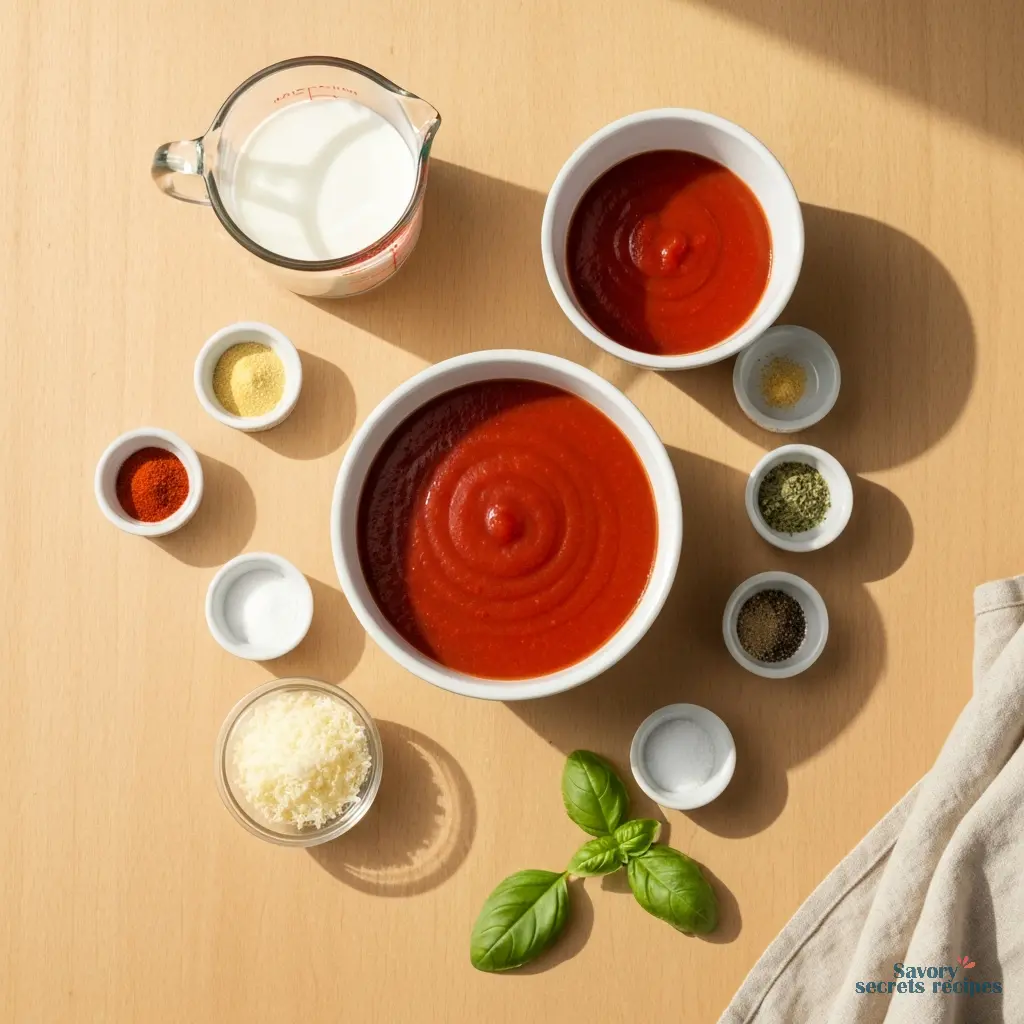
- Combine tomato soup with one can of milk or heavy cream in a saucepan.
- Stir in garlic powder, onion powder, Italian seasoning, cayenne pepper, salt, and black pepper. Simmer on medium-low heat for approximately 10 minutes.
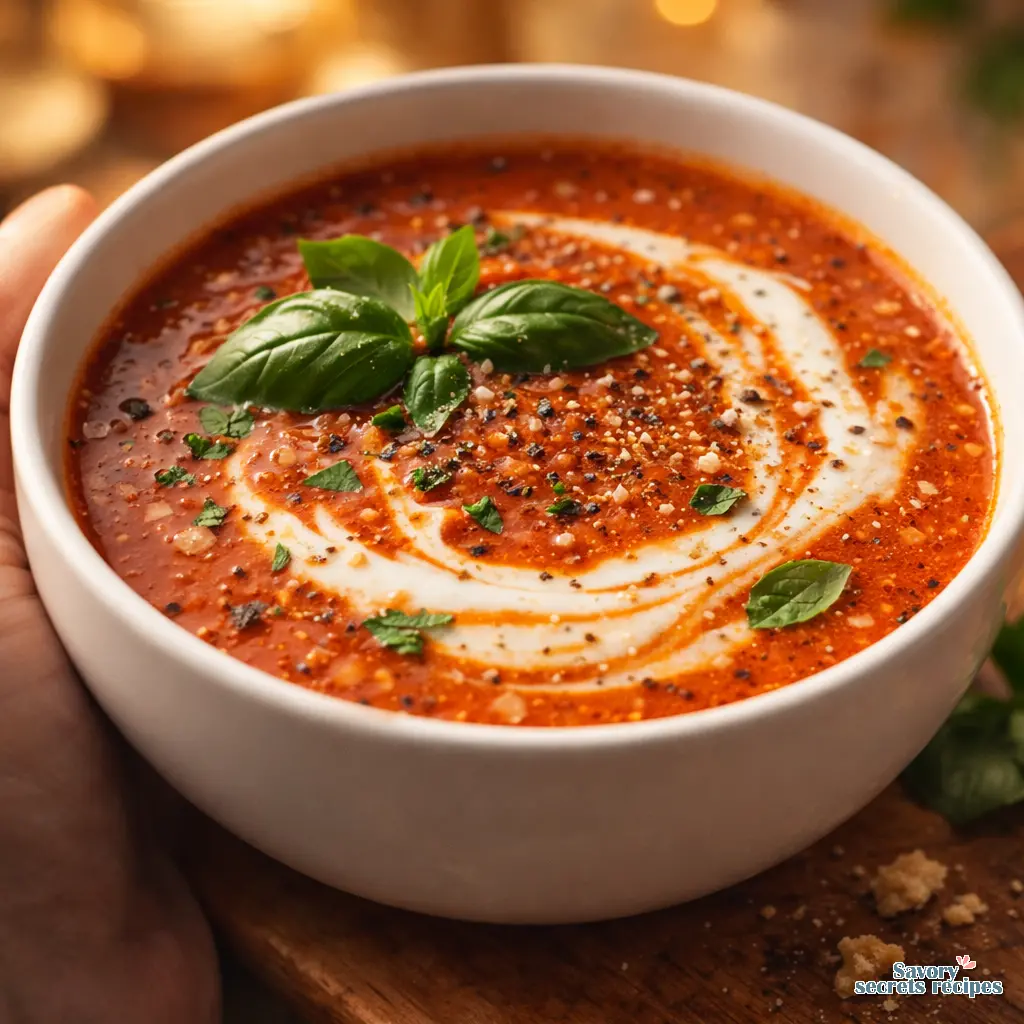
- Divide among bowls and garnish with grated parmesan and fresh basil leaves.
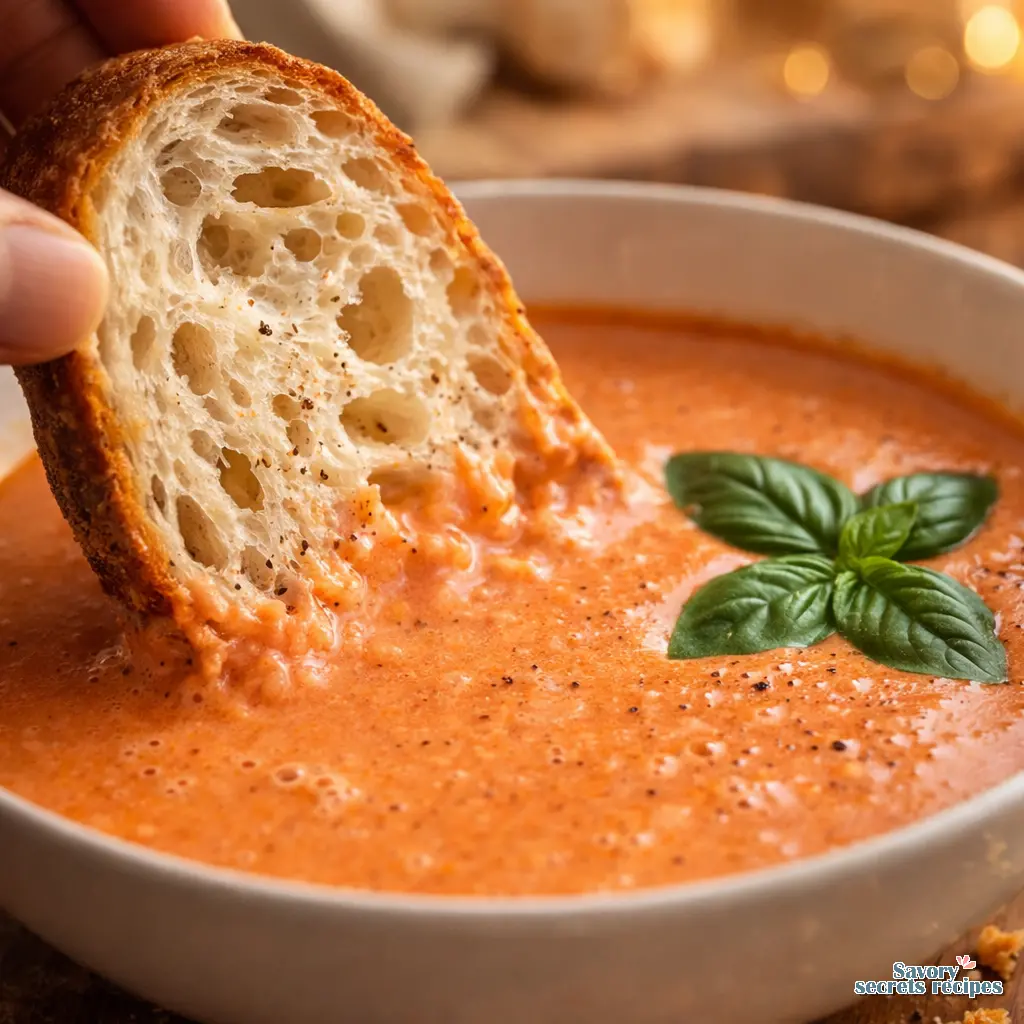
- Serve alongside a grilled cheese sandwich, if you like.
Nutrition
Notes
From Bland Canned to Brilliantly Spiced: Your Tomato Soup Redemption
Here’s the deal. I think we’ve all been there. You know, standing in the grocery aisle on a chilly LA evening, grabbing a can of tomato soup because it’s easy. You get it home, heat it up, and… it tastes like warm, slightly sweet ketchup water. Real talk. I’ve done it more times than I’d like to admit, especially during those busy weeks between Thanksgiving and New Year’s. That blandness, that one-note flavor, it’s just… disappointing. But what if I told you the fix is already in your pantry? Honestly, transforming that soup isn’t about fancy techniques. It’s about knowing which spices in tomato soup make it sing. I learned this the hard way, once adding a reckless amount of cayenne that made my soup inedible. Let me walk you through a better way.
Why This Guide to Spices in Tomato Soup Works
This isn’t about reinventing the wheel. It’s about giving you control. Most guides just list herbs, you know? They don’t tell you why you’re adding them or how they play together. My grandfather, who ran a taqueria, taught me that cooking is about building layers. You start with a foundation. For tomato soup, that foundation is your basic canned stuff. Fair enough. Then you build. The right spices in tomato soup aren’t just flavor, they’re structure. They balance the natural acidity, add depth, and turn a side dish into the main event. This approach works because it’s flexible. Don’t have fresh basil? Use dried. Out of cayenne? Skip it. You’re the boss of your soup pot. I promise this is easier than managing a two-zone fire, and the payoff is just as satisfying.
The Essential Spice Rack for Tomato Soup
Let’s break this down. Think of your spices in tomato soup as a team, each with a specific job. You don’t need all of them every time, but knowing their role lets you customize.
The Foundation: Garlic & Onion Powder
These are your non-negotiables. They add that savory, umami depth without any chopping. Garlic powder brings a mellow, rounded garlic flavor that won’t burn like fresh cloves can. Onion powder gives a sweet, aromatic base. Together, they create the first layer of complexity in your spices for tomato soup. I tend to think a teaspoon of each is the sweet spot for a standard can.
The Herbal Heart: Italian Seasoning
This is your shortcut to that “homemade” taste. A good Italian seasoning blend usually has basil, oregano, thyme, maybe some rosemary. It’s that classic Mediterranean flavor that makes tomato soup taste, well, like tomato soup. The dried herbs bloom in the hot soup, releasing their oils. That’s where the magic happens. You’ll smell it first, that warm, earthy aroma that fills your kitchen.
The Heat & Brightness: Cayenne and Black Pepper
Here’s where you personalize. Cayenne pepper adds a gentle, building heat in the background. Not enough to make it spicy tomato soup, unless you want that, but just enough to wake up your palate. Black pepper is different. It’s sharp, floral, almost citrusy. It cuts through the richness. Start with a quarter teaspoon of cayenne. You can always add more. Trust your thermometer, not the clock, or in this case, trust your taste, not the recipe.
The Finishers: Salt and Fresh Herbs
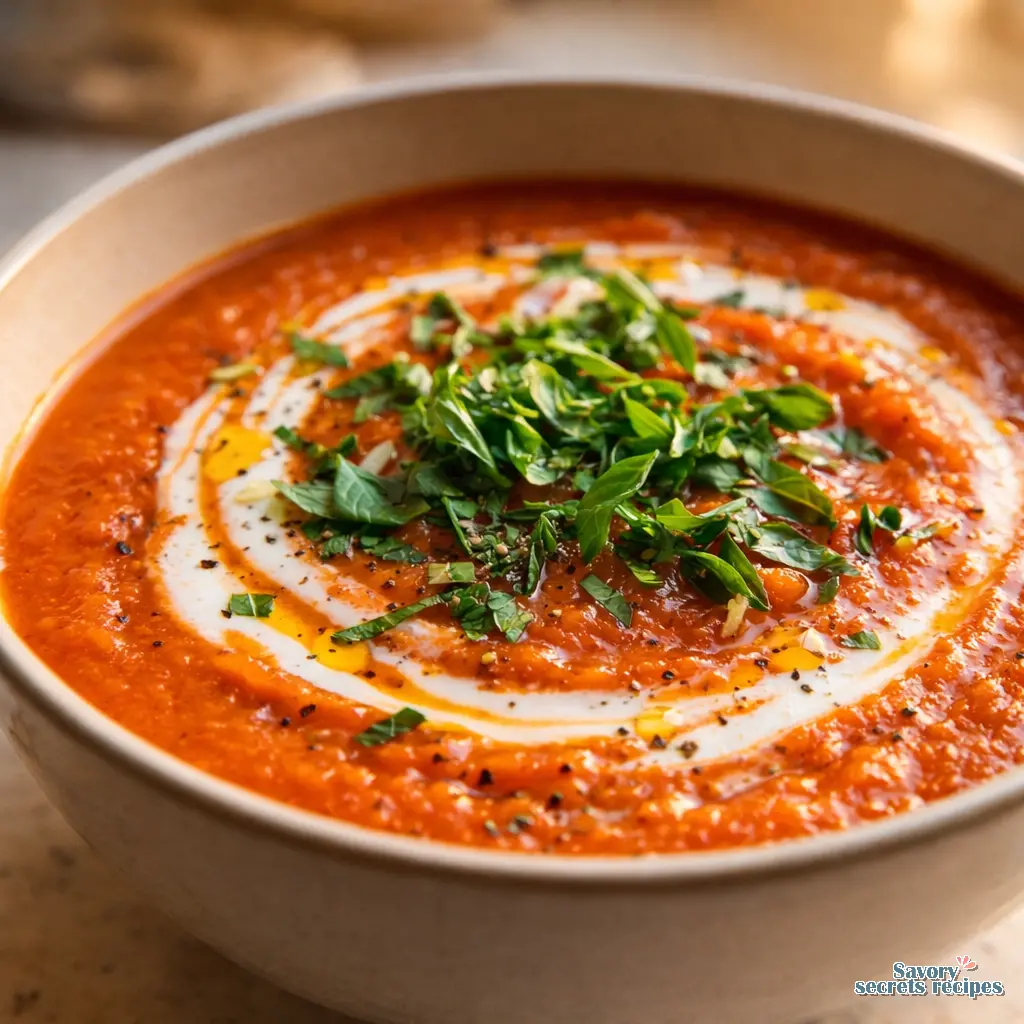
Salt isn’t really a spice, I know. But it’s the most important ingredient in your spices in tomato soup arsenal. It makes all the other flavors pop. Add it gradually. Fresh herbs like basil or parsley added at the end? That’s the garnish that makes it look and taste restaurant-quality. It adds a pop of color and a bright, fresh note.
Building Flavor: More Than Just Adding Spices
Okay, so you’ve got your spices. Now what? Just dumping them in works, but if you want next-level flavor, you gotta build your fire in zones. Metaphorically. The first zone is fat. If your recipe starts with sautéing onions or garlic, add your dried spices like Italian seasoning to the oil for just 30 seconds before adding liquid. This toasts them slightly, unlocking deeper, more complex flavors. It’s a game-changer for homemade tomato soup. The second zone is simmering. Let the soup bubble gently, not boil, for at least 10 minutes after adding your spices in tomato soup. This gives the flavors time to marry, to really get to know each other. The soup will thicken slightly and the color will deepen. Now we’re talking.
Tips for Perfect Spices in Tomato Soup
Here’s what I wish someone had told me when I started messing with soup.
Preparation Tips
Have everything measured and ready before you heat the soup. It’s called *mise en place*. Sounds fancy, but it just means you won’t be scrambling for the cayenne while your soup boils over. If you’re using whole canned tomatoes, break them down in the pot with a potato masher before you start spicing. More surface area means the spices can flavor every bit. My grandma used to squeeze them with her hands. Works great.
Cooking Tips
Never, ever boil your soup after adding dairy like milk or cream. It’ll curdle. Add those at the very end, off the heat, just to warm through. To balance acidity if your tomatoes are too sharp, a tiny pinch of baking soda works wonders. It neutralizes the acid and lets the natural sweetness shine through. Or, a teaspoon of sugar. Your call. For a richer base, sauté some onion and garlic in butter or olive oil first, then add your dried herbs to the hot oil for a minute before adding the tomatoes. That’s the secret to depth.
Storage & Enhancement Tips
Leftover soup tastes better the next day. I mean, it’s a fact. The spices have more time to infuse. Store it in the fridge for up to 5 days. When reheating, do it gently on the stove. If you used an immersion blender for a chunky texture and want it smoother tomorrow, just give it a few more pulses. For a creamy texture without dairy, blend in a roasted carrot or a handful of cashews. It adds body and a subtle sweetness that plays so well with the spices in tomato soup.
Variations & Substitutions
This is where it gets good. The basic framework is solid, so feel free to play.
Dietary Adaptations
Need it vegan? Use vegetable broth instead of chicken broth if your recipe calls for it, and swap the cream for full-fat coconut milk. It’s rich and delicious. Use a good olive oil instead of butter. Dairy-free? Same deal with the coconut cream. Garnish with vegan parmesan or a swirl of pesto.
Ingredient Substitutions
No Italian seasoning? Use 1/2 tsp each of dried basil and oregano. No garlic powder? Mince a fresh clove and sauté it first. Out of canned soup? Use a 28-oz can of crushed tomatoes or whole tomatoes you’ve crushed yourself. Add a cup of vegetable broth. The spices in tomato soup work the same way. For the liquid, water is fine, but broth adds more flavor. Just season a bit more aggressively.
Flavor Variations
Want smoky? Add a 1/4 tsp of smoked paprika with the other spices. Feeling adventurous? A pinch of ground cumin or fennel seeds can add an amazing, savory complexity. For an herby fresh kick, stir in a tablespoon of chopped fresh parsley or chives right before serving. That’s the sweet spot right there. If you’re using garden-fresh tomatoes, our tomato garden soup recipe is a fantastic way to highlight their flavor.
Common Mistakes to Avoid
I’ve made most of these. Learn from my pain.
❌ Mistake: Adding all the spices at the very end.
✅ Solution: Add dried herbs and powders when you start simmering. They need time to bloom. Only add fresh herbs at the finish.
❌ Mistake: Boiling the soup vigorously.
✅ Solution: Keep it at a gentle simmer. Boiling kills delicate flavors and can make dairy separate.
❌ Mistake: Underseasoning.
✅ Solution: Tomato soup needs more salt and spice than you think. Season in stages, taste, and adjust. It should taste a little *too* seasoned in the pot, perfect in the bowl.
❌ Mistake: Using an untreated aluminum pot.
✅ Solution: The acid in tomatoes reacts with aluminum, giving a metallic taste. Use stainless steel, enameled cast iron, or a non-reactive pot.
❌ Mistake: Not balancing acidity.
✅ Solution: If your soup tastes sharp or tinny, add a pinch of sugar or baking soda. It rounds out the flavor instantly.
How to Store and Serve Spices in Tomato Soup
Let the soup cool to room temperature first. Then, pour it into an airtight container. It’ll keep in the fridge for 4-5 days. Honestly, it gets better. To freeze, portion it into 1-cup containers or freezer bags for up to 3 months. Thaw in the fridge overnight. Reheat it gently on the stove, stirring occasionally. Now, serving. This is the fun part. Ladle it into bowls. Top with a drizzle of good olive oil, a dollop of cream or vegan yogurt, and those fresh herbs. A sprinkle of grated parmesan or cheddar is never wrong. And the ultimate pairing? A crispy, melty grilled cheese sandwich for dipping. It’s a non-negotiable in my house. For crunch, add homemade croutons or a sprinkle of toasted pumpkin seeds.
Frequently Asked Questions
Go Warm Up Your Kitchen
When you make this soup, you’ll love the process. It’s simple, forgiving, and the result is pure comfort. That moment when the steam rises, carrying the scent of garlic, herbs, and sweet tomato? That’s the sound of the Maillard reaction for your soul. It beats any can, every time. You’ve got this. Grab those spices from your pantry, maybe pick up some fresh basil on your next Trader Joe’s run, and build a bowl of soup that actually tastes like something. Let me know how it goes in the comments. I’d love to hear what twists you add to your perfect spices in tomato soup. Now go on, get cooking.
What are the essential spices in tomato soup?
You can build a great soup with just garlic powder, onion powder, Italian seasoning, salt, and black pepper. That’s your core team. From there, you can add heat with cayenne or smokiness with paprika. The best spices for tomato soup are the ones you like and have on hand.
Why does my tomato soup taste bland even with spices?
Two main reasons. First, not enough salt. Salt unlocks all other flavors. Second, you didn’t cook the spices. Adding dried herbs to cold soup doesn’t work. Let them simmer in the hot soup for at least 10 minutes to release their oils and flavor the whole pot.
How can I make my canned tomato soup taste better?
Start with the foundational spices in tomato soup: garlic and onion powder. Then, add richness with a tablespoon of butter or a splash of cream. Finish with a fresh element like chopped basil or a crack of black pepper. Simmer it all together for five minutes. Transformed.
What’s the best way to add cream to spiced tomato soup?
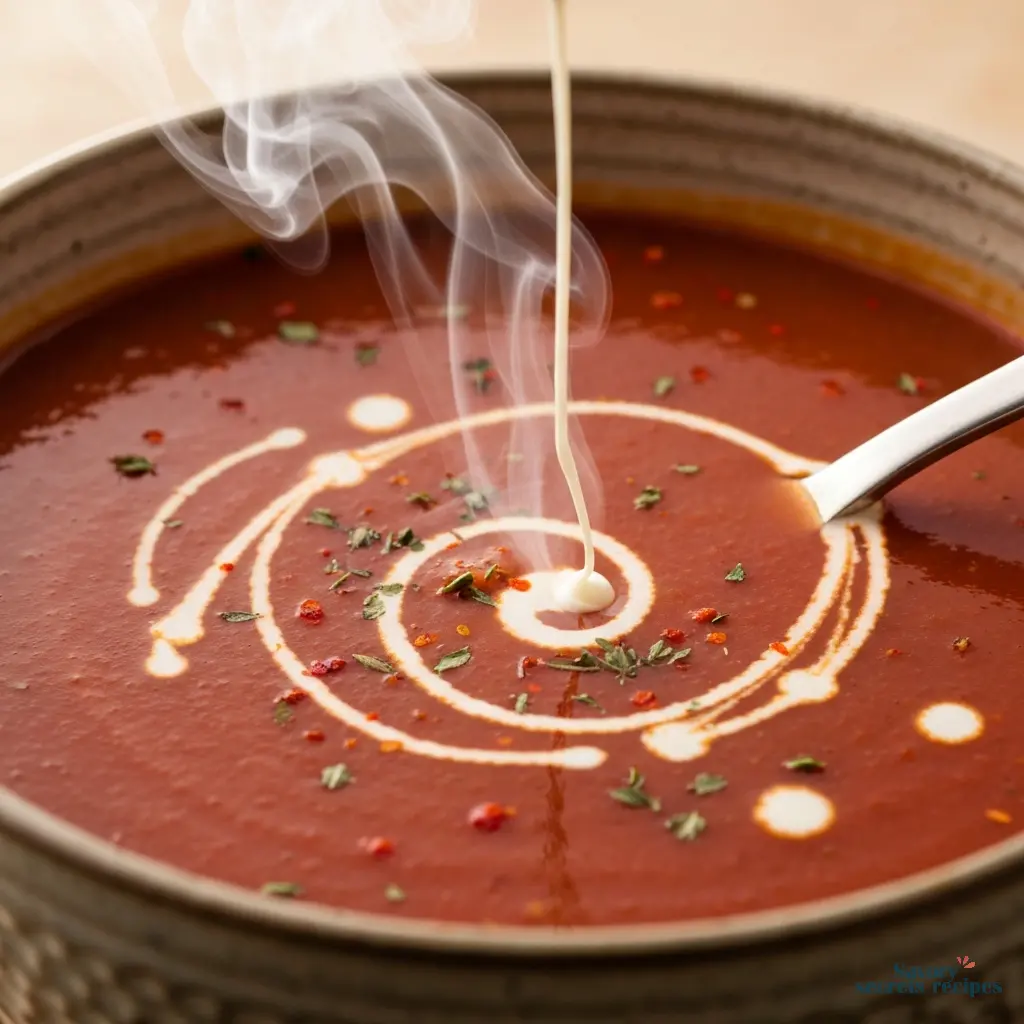
Always at the end, off the heat. Temper it by stirring a ladle of hot soup into the cream first, then whisk that mixture back into the pot. This prevents curdling. Warm it through gently, but don’t let it boil. This keeps your creamy tomato soup smooth.