



Seasoned Tomato Soup Recipe
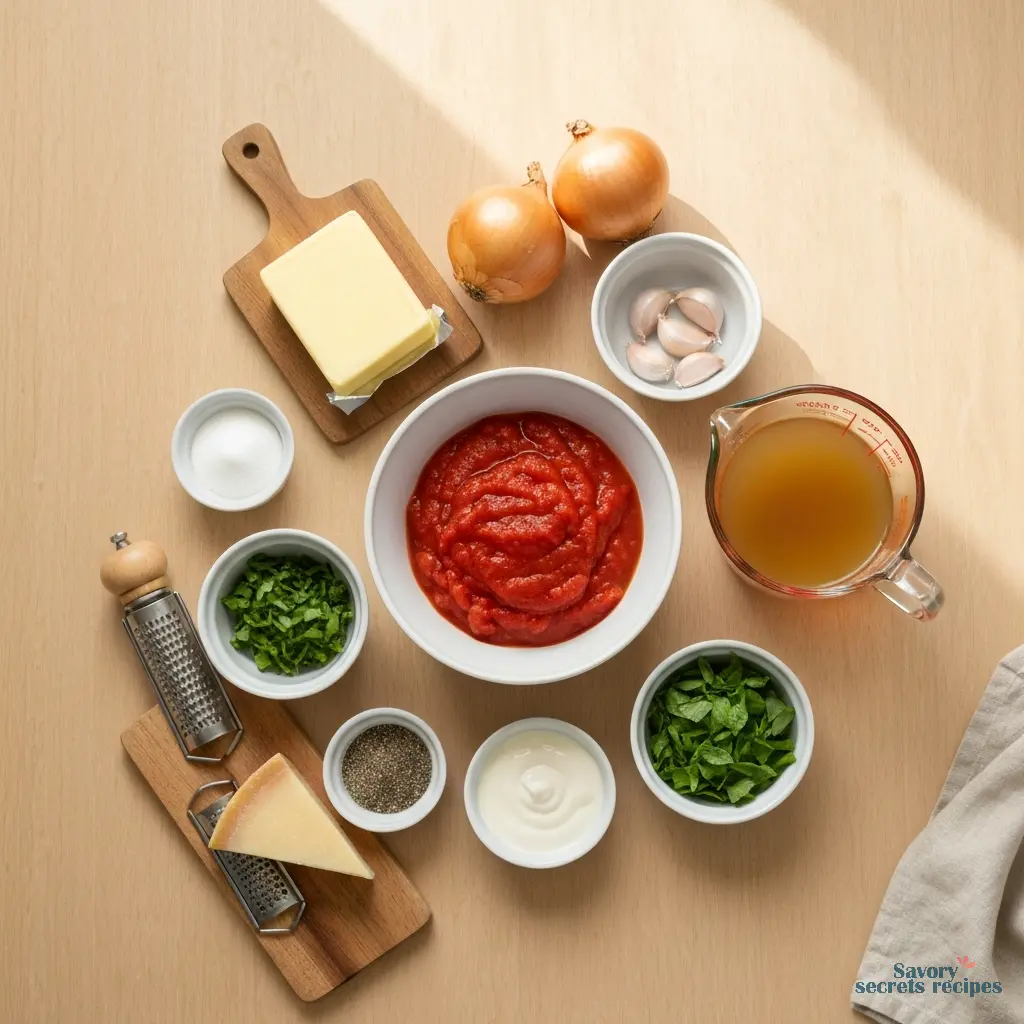
Ingredients
Method
- Place a nonreactive pot or enameled Dutch oven over medium heat. Add butter, followed by the chopped onions. Sauté for 10 to 12 minutes, stirring occasionally, until softened and golden. Stir in the minced garlic and sauté for 1 minute until fragrant.
- Add the crushed tomatoes with their juice, chicken stock, chopped basil, sugar, and black pepper. Stir, bring to a boil, then reduce the heat. Partially cover and simmer for 10 minutes.
- For a chunky soup, leave as is. For a creamy soup, blend directly in the pot with an immersion blender to your desired consistency. Alternatively, carefully blend in batches using a standard blender, pulsing initially and not overfilling with hot liquid. Return the blended soup to the pot and reheat over medium heat.
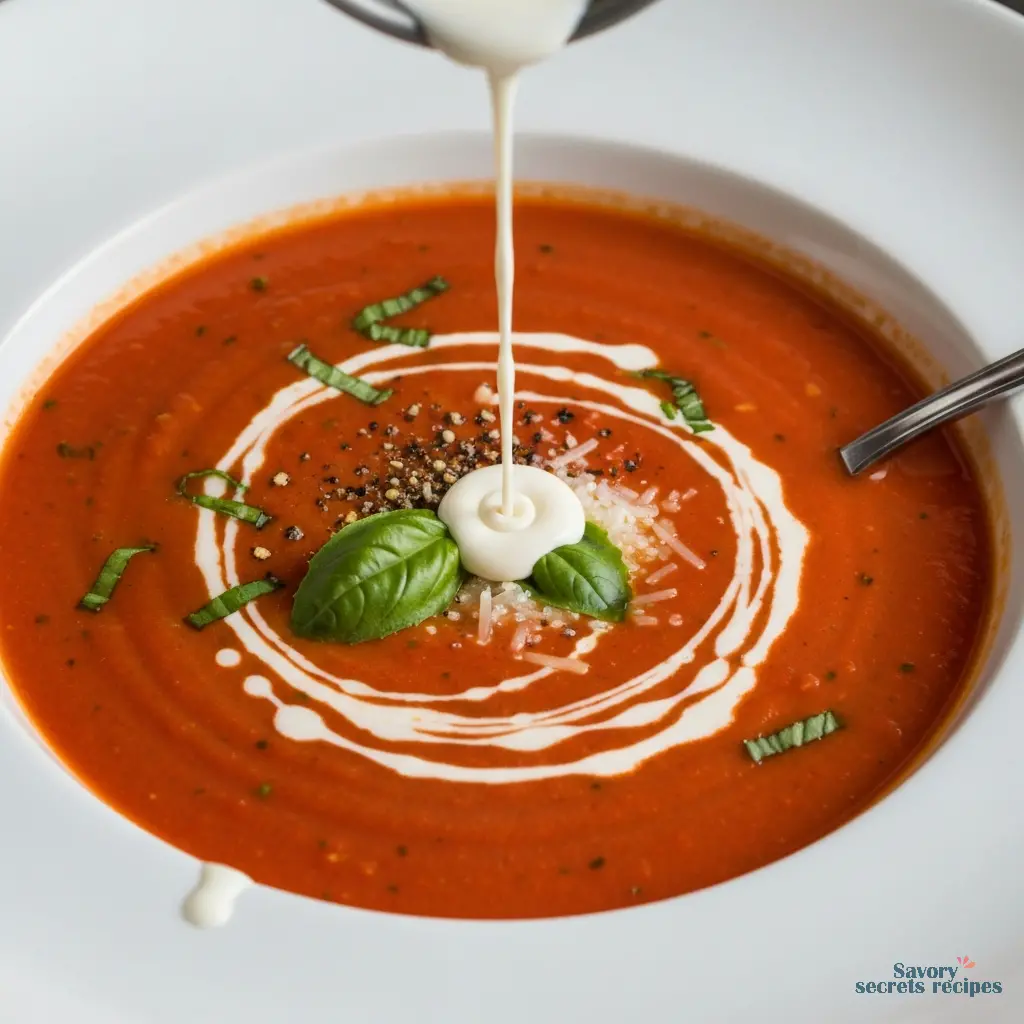
- Stir in 1/2 cup of heavy cream and 1/3 cup of freshly grated Parmesan cheese, then bring the mixture back to a simmer. Season with salt and pepper to taste, if desired, and remove from the heat.
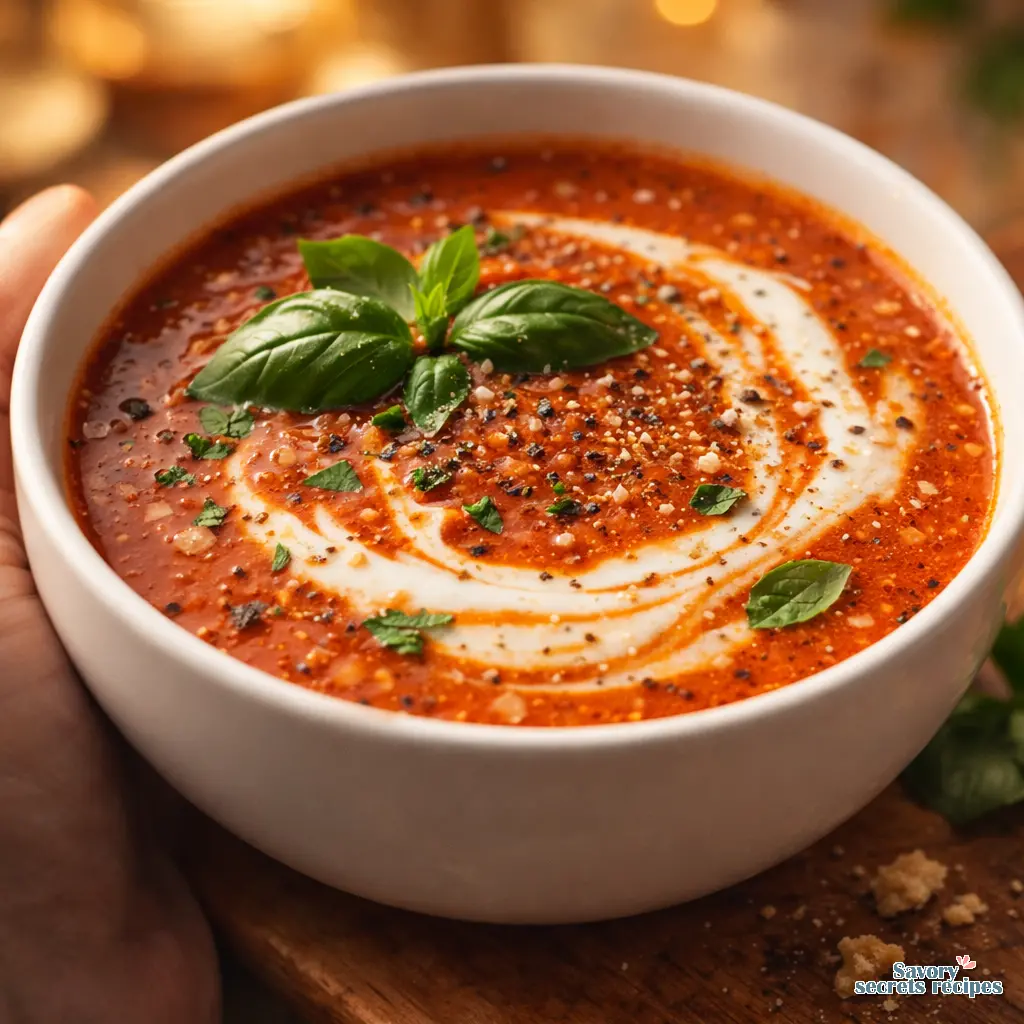
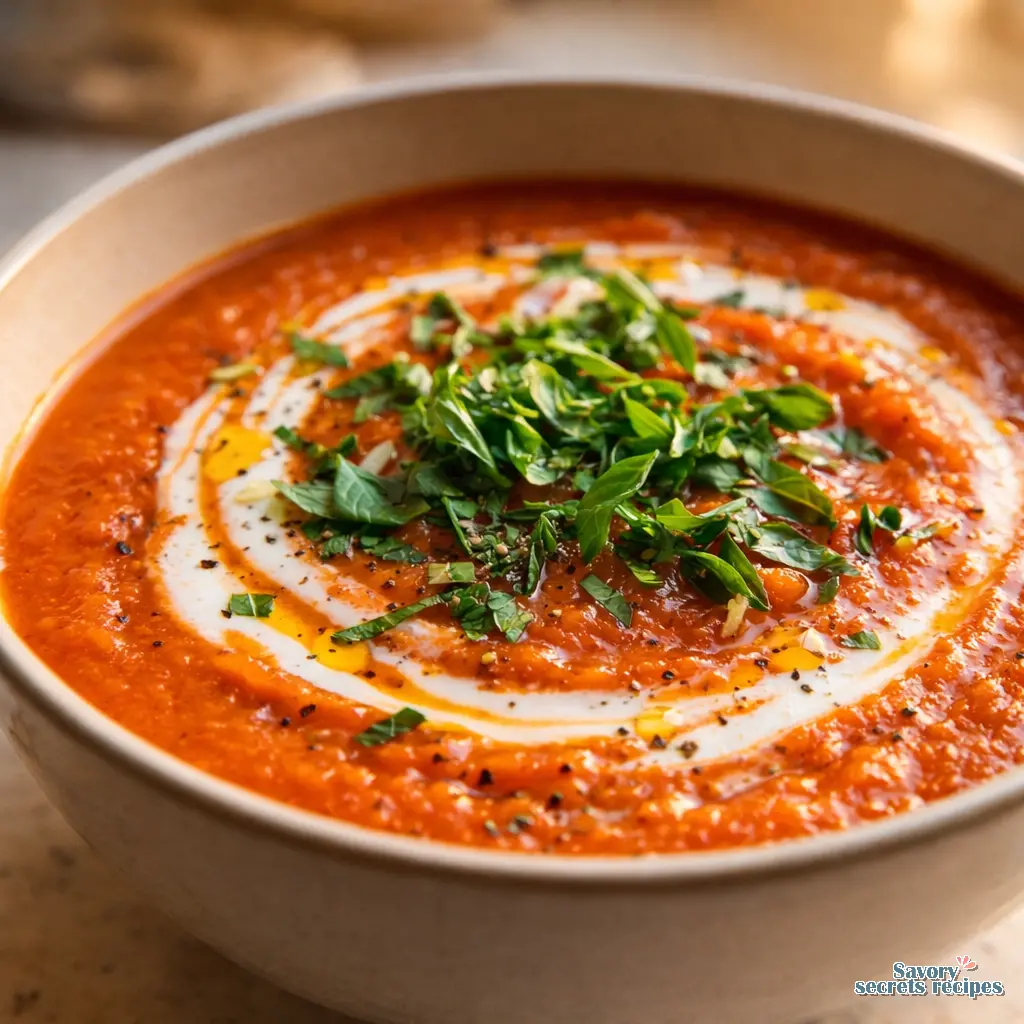
- Ladle the soup into warm bowls and top with additional parmesan and chopped fresh basil.
Nutrition
Notes
Ever Had Tomato Soup That Tasted Like… Nothing?
I have. More times than I’d like to admit. You open a can, heat it up, and it’s just this warm, vaguely tomato-flavored liquid. It’s fine. It’s food. But it’s not the comforting hug in a bowl you were hoping for. What if I told you the secret to fixing that isn’t some complicated recipe, but just knowing the best seasoning for tomato soup? I promise, it’s simpler than you think.
I learned this from watching my abuela, honestly. She never followed a recipe for her caldo. She’d just taste, think for a second, then grab something from her little line of jars by the stove. A pinch of this, a sprinkle of that. The soup would transform. That’s what we’re doing here. We’re not making soup from scratch today, though you totally can. We’re taking what you’ve got whether it’s a can from Ralphs or a pot of homemade and turning it into something special. Finding the best seasoning for tomato soup is about confidence, not complexity.
Right now, in these cooler LA winter months when we actually want to use our ovens, a good bowl of soup is everything. It’s the difference between just eating and feeling fed. Let’s get into it.
Why This Is The Best Seasoning For Tomato Soup Approach
Look, most recipes give you a list. Add this, add that. They don’t tell you why, or what to do if it still tastes flat. My goal here is to make you confident enough to season by feel, like my abuela did. The best seasoning for tomato soup isn’t one magic spice. It’s a system. It’s about building layers of flavor and knowing how to fix things when they go sideways. And they will. I’ve dumped in too much garlic powder more than once. We’ll fix that, too.
This works whether you’re starting with a can of Campbell’s or a pot of fresh tomatoes from the Santa Monica farmers market. The principles are the same. You’re balancing sweet, salty, acidic, and herbal notes. Once you get that, you’ll never have bland soup again. That’s the goal. Solid.
The Core Seasonings: Your Flavor Foundation
Let’s start simple. Grab your salt and black pepper. I know, it sounds obvious. But it’s where everyone should start. For a standard pot of soup (about 4 servings), I’ll start with a teaspoon of kosher salt and maybe half a teaspoon of cracked black pepper. You’ll add more later, but this is your base. Good enough.
Now, the aromatics. This is where flavor lives. If you have an onion and a couple garlic cloves, chop them fine and cook them in a little butter or olive oil until they’re soft and smell sweet. That smell? That’s the foundation of your best seasoning for tomato soup right there. If you’re in a rush, a teaspoon each of onion powder and garlic powder works in a pinch. Your mileage may vary, but it’ll work. For more foundational techniques, explore our classic tomato soup recipe.
The Herb Situation: Fresh vs. Dried
Here’s what most people don’t know. Dried herbs and fresh herbs are for different jobs. Dried oregano, thyme, basil? Add those early, when you’re simmering the soup. They need time to soften and release their flavor into the liquid. A half teaspoon of each is a great start.
Fresh herbs, though? You add those at the end. A handful of chopped fresh basil or parsley stirred in right before serving gives you a bright, almost peppery lift. It’s the difference between a soup that tastes cooked and one that tastes alive. If all you have is the dried stuff in the jar, that’s fine. Use it. But if you can grab a $2 bunch of basil from Trader Joe’s, do it. You’ll see what I mean.
Advanced Flavor Boosts (The Fun Part)
Okay, your soup is simmering, it smells good, but you taste it and it’s just… missing something. It’s flat. This happens to me all the time. Here’s your toolbox.
Acidity & Sweetness: Tomato soup can be one-note. A tiny pinch of sugar (start with 1/4 teaspoon) can round out sharp tomato acidity without making it sweet. A splash of balsamic vinegar (maybe a teaspoon) adds a complex, fruity tang. Don’t overdo it. Taste, adjust, taste again. Let the heat do the work.
Creamy & Cheesy: For richness, a swirl of heavy cream or a handful of grated parmesan cheese melts right in. This is a classic for a reason. It adds body and a salty, nutty depth. This is it.
Heat & Spice: A little red pepper flakes or a few dashes of hot sauce can wake everything up. Just a little. You’re not making chili.
How to Fix Common Tomato Soup Problems
I’ve messed this up so you don’t have to. Here’s my quick guide.
❌ Mistake: Soup tastes bland and watery.
✅ Solution: You probably underseasoned. Add salt in small pinches, stirring and tasting after each. Also, let it simmer uncovered for 10-15 minutes. The water will evaporate, concentrating the flavor. Right there.
❌ Mistake: Soup is too acidic or sharp.
✅ Solution: That pinch of sugar is your friend. A little cream or butter will also mellow it out. If you used a reactive pot (like plain aluminum or cast iron), that can make it taste metallic. Next time, use stainless steel or enameled cast iron.
❌ Mistake: You added way too much of one spice.
✅ Solution: Don’t panic. Double the batch without that spice to dilute it. If you can’t, try balancing with other flavors. Too much garlic? Add more cream and a bit of sugar. Too salty? Add a peeled, raw potato to the pot while it simmers; it’ll absorb some salt. Discard it after.
What To Eat With Tomato Soup: The Perfect Pairings
A bowl of soup needs a friend. The best seasoning for tomato soup extends to what you serve with it.
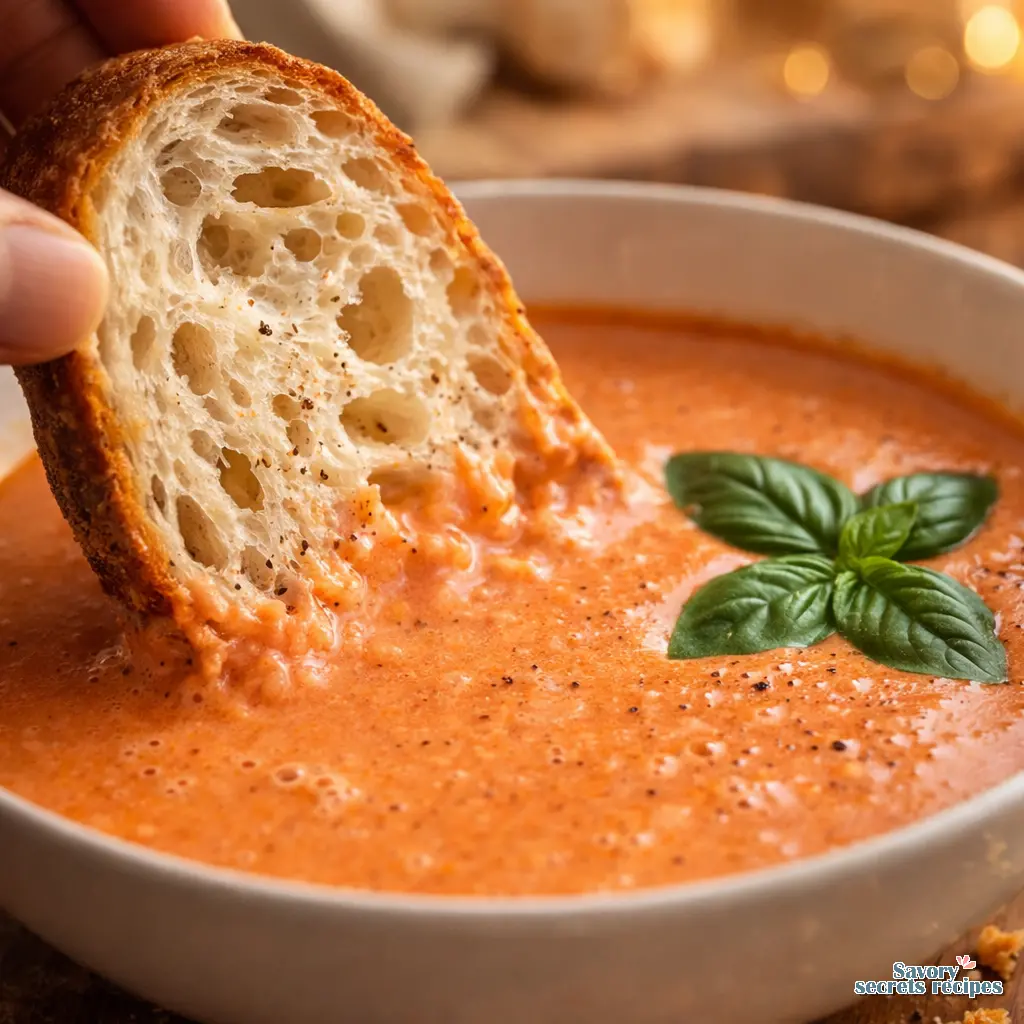
Obviously, a grilled cheese sandwich is the perfect match. Dip that crispy, buttery sandwich right into the soup. That’s the one. But don’t stop there. A simple green salad with a sharp vinaigrette cuts the richness. Crusty sourdough bread for dipping is a solid move. For a lighter option, I love a kale salad with lemon.
For garnishes, think texture and flavor contrast. Homemade croutons add crunch. A drizzle of good olive oil or cream adds visual appeal and richness. More fresh herbs on top make it look and taste fresh. A sprinkle of everything bagel seasoning? Honestly, try it.
Tips For The Best Seasoning For Tomato Soup
Here are a few things I’ve learned the hard way.
Preparation Tips
If you’re using fresh tomatoes, roast them first. It concentrates their sweetness. For canned soup, sauté those onions and garlic before you add the soup to the pan. It adds a whole new layer of flavor. And since this soup is tomato-based, use a non-reactive pot. Avoid aluminum, cast iron, and copper. They can make the soup taste metallic. Go for stainless steel, enamel-coated cast iron, ceramic, or glass. That’ll work.
Cooking & Seasoning Tips
Season in layers. A little salt when you cook the onions, a little more when you add the liquid, and a final adjustment at the end. Your taste buds adjust as the soup cooks. If you prefer a chunky soup, you can skip the blending step. Just add your cream and parmesan, then season to taste. Fair.
Storage Tips
Let the soup cool completely before storing. It’ll keep in the fridge for 4-5 days. Reheat it gently on the stove. If you freeze it, leave out the dairy (cream, cheese) and add it fresh when you reheat. The texture stays better.
Variations & Substitutions
This isn’t a strict recipe. It’s a framework. Play with it.
Dietary Adaptations
Need it vegan? Use olive oil instead of butter, vegetable stock, and skip the parmesan or use a nutritional yeast sprinkle. Coconut milk can stand in for cream in a pinch, though it’ll add a slight sweetness. Dairy-free? There are some great oat-based “creams” out now.
Ingredient Substitutions
No fresh herbs? Use a teaspoon of Italian seasoning blend. No heavy cream? A splash of whole milk or even a spoonful of plain Greek yogurt added off-heat will work. No parmesan? Any hard, salty cheese will do, or just leave it out.
Flavor Variations
Add a teaspoon of smoked paprika with the dried herbs for a subtle campfire vibe. Stir in a spoonful of pesto at the end for a big basil-garlic punch. For a creamy roasted red pepper twist, blend in a jar of roasted peppers.
Frequently Asked Questions
How to Store and Serve Your Perfectly Seasoned Soup
Let the soup cool to room temperature before you put it in the fridge. It’ll keep for 4-5 days in a sealed container. Reheat it gently on the stove over medium-low heat, stirring occasionally. If it thickens up too much, just add a splash of water or stock to loosen it.
When you serve it, think about the full experience. A warm bowl. That good bread for dipping. Maybe a simple salad on the side. Ladle it out, add your final garnishes a last crack of pepper, a final basil leaf and serve it immediately. The steam should carry that warming aroma of tomatoes and herbs. Now we’re talking.
Go Warm Up Your Winter
So there you have it. The best seasoning for tomato soup isn’t a secret ingredient you have to hunt for. It’s a handful of things you probably already have, and the confidence to use them. Taste as you go. Don’t be afraid to adjust. Remember, even if you overdo it, you can usually fix it.
When you make this, your kitchen is going to smell incredible. That’s the real reward. You’ll take a sip and realize you didn’t just make soup. You made comfort. You made a moment. So go grab that can or those fresh tomatoes, and get started. You’ve got this. Let me know in the comments how your search for the best seasoning for tomato soup turns out.
What’s the single best seasoning for tomato soup if I’m in a hurry?
Honestly, it’s a three-way tie between salt, fresh black pepper, and a handful of chopped fresh basil. Salt enhances everything, pepper adds warmth, and basil gives that bright, garden-fresh finish that makes it taste special. Start there every time.
Can I use dried basil instead of fresh for the best seasoning for tomato soup?
You can. Use about 1 tablespoon of dried basil. The key is to add it when you start simmering the soup so it has time to soften. Dried herbs work great for the base flavor, but they shouldn’t be used as a final garnish.
What if my tomato soup is too sour or acidic?
First, make sure you’re not using a reactive pot. Then, balance it. A tiny pinch of sugar is the classic fix. A swirl of heavy cream or a pat of butter also works wonders by mellowing the sharp edges. Taste and adjust slowly.
What stock do you use for tomato soup?
I usually go with a good chicken stock for depth, but vegetable stock keeps it vegetarian. The real trick is using a low-sodium version. That way, you’re in control of the salt level. A rich homemade stock is amazing, but the boxed stuff from the store is totally fine.
Can I use fresh tomatoes to find the best seasoning for tomato soup?
Absolutely. Roast them first to concentrate their sweetness. The seasoning principles are exactly the same. You might need a touch more salt and herbs to match the more vibrant flavor. It’s a great way to use up a farmers market haul.