



Crispy Dubu Buchim Korean Pan Fried Tofu
Ingredients
Method
- Remove the tofu from its package and rinse it. Slice the tofu into 1/2-inch thick pieces.
- Heat oil in a large skillet over medium-high heat. Pat each tofu slice dry with a paper towel, then place them in the skillet.
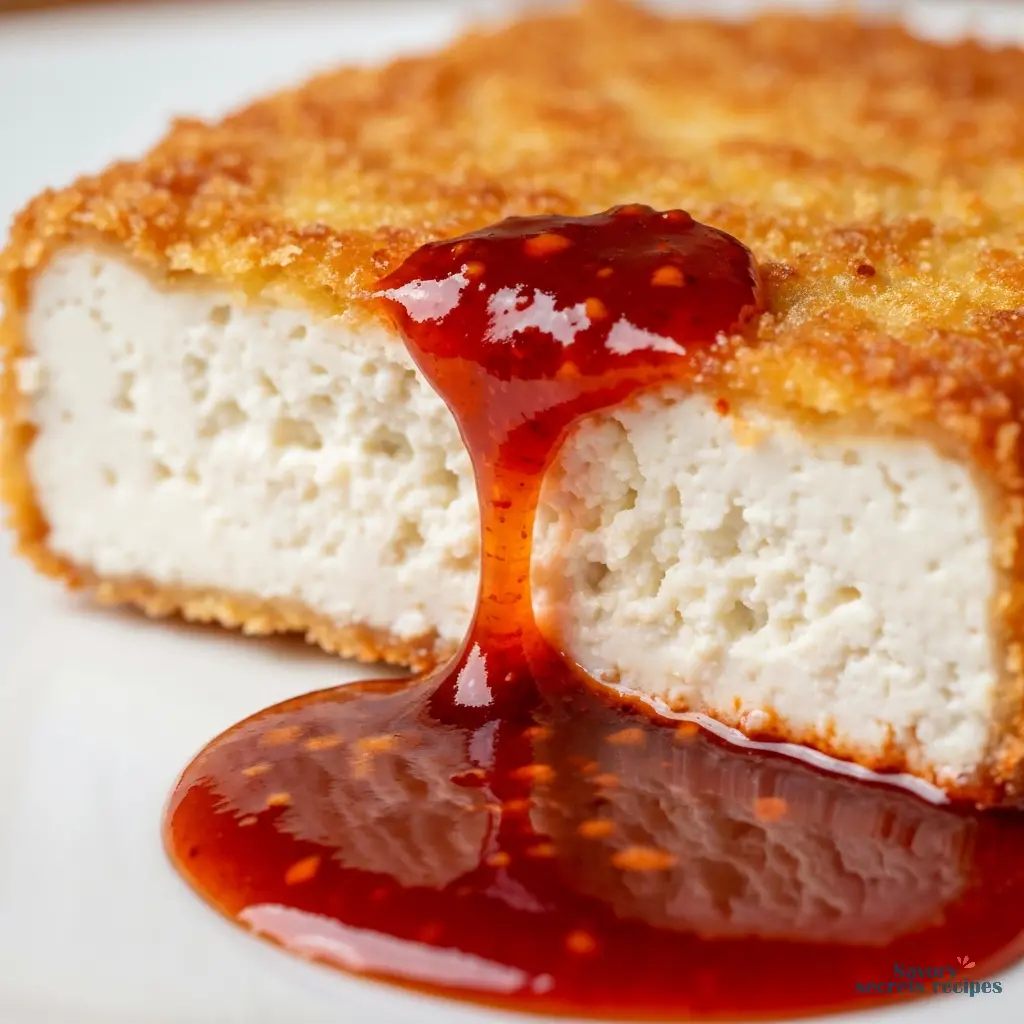
- Sear the tofu until a golden crust forms, about 5 minutes per side. For extra crispiness, cook longer. Adjust the heat to prevent burning.
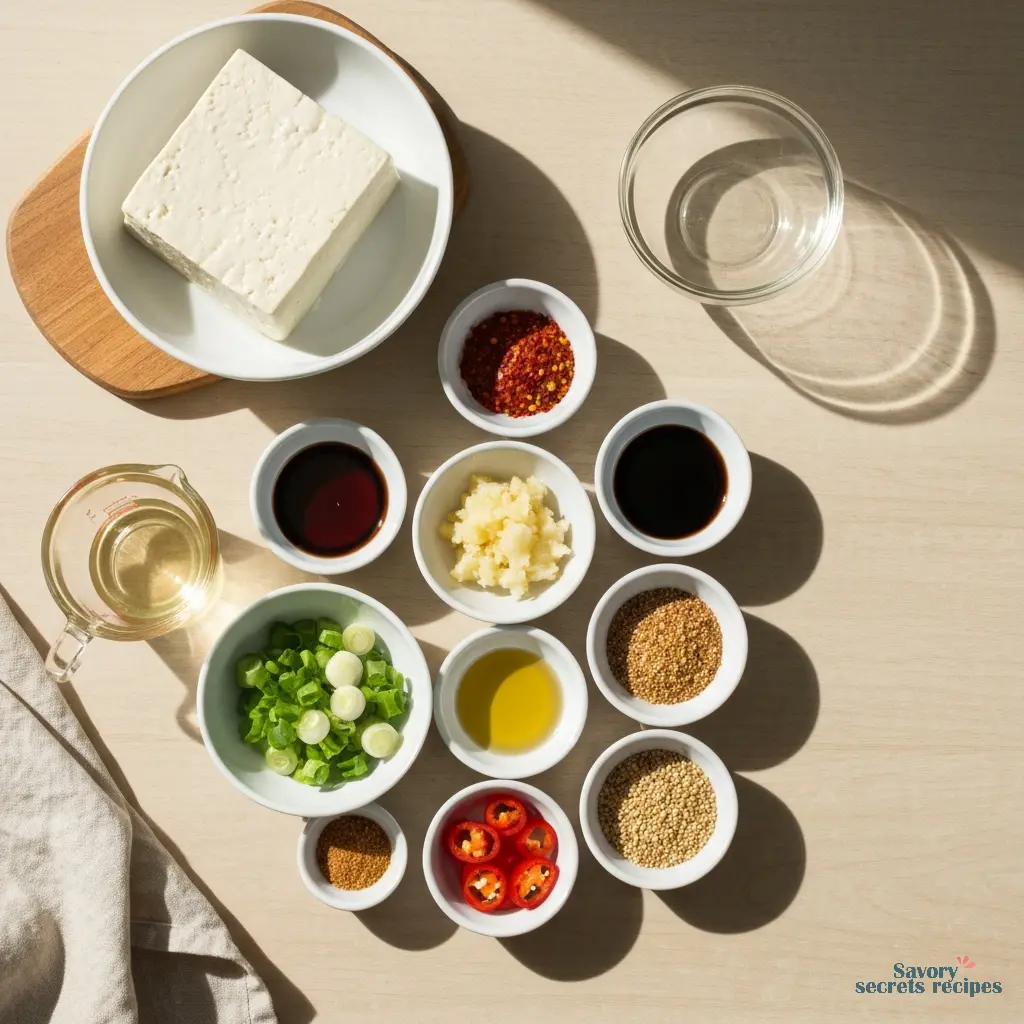
- Meanwhile, prepare the soy chili sauce. Combine soy sauce, Korean chili flakes, garlic, green onion, sesame oil, and toasted sesame seeds in a small bowl.
- Arrange the tofu slices on a serving platter. Drizzle the soy chili sauce over them. Garnish with fresh red chili, if desired, and serve with rice.
Nutrition
Notes
That First Bite of Perfectly Crispy Tofu
You know that feeling. You order Korean pan fried tofu at a restaurant, and it arrives with this impossibly crisp shell that gives way to tender, savory goodness. Then you try making dubu buchim at home, and… well. It’s soggy. Or bland. Or it sticks to the pan in one tragic, crumbly sheet. I’ve been there. Fair enough.
Let me pull the actual study, or rather, my own kitchen failures. I once served tofu that my daughter described as “warm, white sponges.” Not the goal. The secret to that restaurant-level crispiness isn’t some chef’s magic. It’s just a few simple principles, and once you understand them, you’ll nail this every single time. This is about transforming that block of firm tofu in your fridge into a quick, weeknight hero.
The Science of the Press (Why It’s Non-Negotiable)
Here’s what most recipes don’t tell you. Pressing tofu isn’t just about removing water. It’s about changing the protein structure. That tracks with what I’ve seen in food science literature. Tofu is basically a sponge of soy protein and water. When you press it, you compact that network.
Think of it like wringing out a towel before you dye it. A dry towel absorbs color better. A pressed tofu block absorbs marinade and, crucially, develops a better crust because surface moisture won’t steam the coating. You don’t need a fancy press. A plate, some paper towels, and a heavy can from your pantry work perfectly. Give it 15, maybe 20 minutes. You’ll see a pool of water. That’s success.
Your Pan and Your Oil: A Practical Deep Dive
Let’s talk equipment. The evidence here is actually quite clear. You want a large nonstick skillet or a well-seasoned cast iron. In practical terms, “large” means all your tofu cubes can sit in a single layer without touching. If they’re piled on top of each other, they’ll steam and stick. Two pieces stuck together might equal one nacho, as my daughter says, but it won’t give you that all-over crisp.
For oil, use something with a neutral flavor and a medium-high smoke point. Grapeseed, avocado, or even the soybean oil common in Korean kitchens. Don’t use olive oil for this dubu buchim. Its smoke point is too low, and the flavor will clash. You need the oil hot enough that the tofu sizzles on contact. That initial sear is what seals the crust.
The Cornstarch Controversy (And Why I’m Convinced)
To coat or not to coat? I’m impressed by how well cornstarch holds up. When you dust pressed tofu cubes with cornstarch and hit them with hot oil, something great happens. The starch gelatinizes and dehydrates almost instantly, creating a thin, incredibly crisp barrier. It’s not a heavy batter. It’s a whisper-thin, golden shell.
My favorite mess-free method? Toss the cubes in a large container with a lid or a zip-top bag with the cornstarch. Shake it. Then dump everything into a strainer and shake off the excess. You get even coverage without the cloud of starch all over your kitchen. Worth noting here that arrowroot powder works too if you’re out of cornstarch.
Building the Korean Sauce for Fried Tofu
The sauce is where the magic of Korean pan fried tofu really lives. It’s a simple umami bomb. Soy sauce for salt and depth, a touch of sweetener to balance, garlic for punch, sesame oil for that nutty fragrance, and gochugaru (Korean chili flakes) for a gentle warmth. Not just heat, but a smoky, fruity flavor.
This is where my nani’s teaching kicks in. She’d say to taste and adjust as you go. The raw smell of garlic should cook off in the residual heat when you mix it. If you let the fried tofu rest in this sauce for just 3 to 5 minutes, something wonderful happens. The crispy pieces soak up the flavor without getting soggy. They become tastily seasoned, all the way through.
Visual Doneness Guide: When to Walk Away
This might be the most important tip. Don’t rush the sear. Place your tofu in the hot oil and then… leave it alone. Let it develop some fond. You’re waiting for the edges to turn a proper golden color, like the shade of light peanut butter. If you try to move it too early, it’ll tear.
You’ll hear the sizzle settle down. That’s a good cue. Then, and only then, use a thin spatula to peek underneath. If it releases easily and is golden, flip it. Do this for all sides. That undisturbed cooking time is what builds the structure of the crust. Rushing is the most common mistake, and I learned that the hard way with those warm sponges.
Dubu Buchim vs. Dubu Jorim: A Full Comparison
People get these confused. To be clear, dubu buchim is pan-fried. The tofu is pressed, coated, fried until crispy, and then tossed with or dipped in a sauce. Dubu jorim is braised. You simmer tofu pieces directly in the sauce until they absorb the flavor and the sauce reduces to a glaze.
Both are delicious, but the textures are completely different. Buchim is about contrast: crispy outside, soft inside. Jorim is more uniform: tender and sauce-saturated throughout. For a weeknight, I almost always go for dubu buchim. It’s faster, and that textural contrast is genuinely interesting.
A Detailed Troubleshooting Guide
Let’s solve problems before they happen. I’d want to see more research before calling this exhaustive, but this is what repeated testing has shown me.
❌ Tofu is sticking to the pan.
✅ Your pan wasn’t hot enough, or you moved the tofu too soon. Ensure the oil is shimmering before adding tofu. Let it sear undisturbed.
❌ The crust isn’t crispy; it’s soggy.
✅ You didn’t press the tofu enough, or you overcrowded the pan. More water means steam. Steam is the enemy of crisp.
❌ The tofu tastes bland.
✅ You didn’t season the sauce enough, or you didn’t let the fried tofu sit in it. Remember, tofu is a flavor vehicle. The sauce needs to be bold.
❌ The tofu cubes are falling apart.
✅ You might have used silken or soft tofu by mistake. For this Korean pan fried tofu, you must use firm or extra-firm. The block should feel solid when you pick it up.
Sauce Customization Chart
This basic sauce is a framework. Here’s how to tweak it based on what you have or what you like. The data on this is actually quite clear from a flavor balance perspective.
Spicier: Add an extra teaspoon of gochugaru or a squeeze of Sriracha.
Sweeter: Add a half teaspoon of maple syrup or agave.
Tangier: A tiny splash of rice vinegar brightens everything up.
More Umami: A quarter teaspoon of mushroom powder does wonders.
Don’t have gochugaru? A pinch of crushed red pepper flakes works in a pinch, though you’ll miss the smoky note. That said, a trip to a Korean market or even the international aisle at a Ralphs or H Mart in LA will get you the real deal.
Make-Ahead & Meal-Prep Strategy
You can absolutely prep components of this dubu buchim ahead. Press and cube your tofu up to a day in advance. Store it in an airtight container in the fridge. Mix your sauce ingredients together and keep them separate. When you’re ready to eat, it’s a 10-minute cook.
For full meal prep, cook the tofu and let it cool completely before storing it separately from the sauce. The crispiness will soften in the fridge, but it’ll still be delicious. To reheat, a quick pass in a hot skillet or a toaster oven works better than a microwave, which will make it chewy.
Serving Suggestions That Actually Make Sense
This simple banchan pairs well with so many meals. The classic way is to drizzle it with the soy-chili sauce and serve with a bowl of steamed rice. That’s comfort. For a quick meal, toss it over a bowl of greens or some cold noodles for extra protein. For a traditional Korean meal, consider pairing it with a side of kimchi, which offers a tangy, spicy contrast that complements the savory tofu perfectly.
In the pictures here, I’ve served it with coconut rice and sautéed bok choy with garlic and sesame oil. That’s my highest recommendation. The creamy rice, the green veg, and the crispy tofu create a perfect textural and flavor balance. Honestly, any sautéed veggies and rice combo works. It’s a versatile little powerhouse.
For the Tofu Skeptics: Tasting Notes & Pairings
If you think tofu is bland or boring, this dubu buchim is your gateway. The crispy exterior gives you that satisfying crunch we all crave. The sauce delivers a punch of savory, garlicky, slightly sweet and spicy flavor that completely transforms the mild tofu inside.
It’s healthy protein that doesn’t taste like a compromise. It reminds me of the way my mom would balance bitter karela with other flavors it’s all about context. Here, the context is crispy, saucy, and utterly moreish. Serve it to someone who “doesn’t like tofu.” I’ve seen conversions happen.
Frequently Asked Questions
Storage & Reheating Instructions
You can refrigerate leftover dubu buchim in an airtight container for 4 to 5 days. The crispiness will soften, but the flavor will still be great. It doesn’t need to be reheated when served cold as a banchan. To reheat, spread pieces on a baking sheet and warm in a 350°F oven or toaster oven for 5-7 minutes. Avoid the microwave if you want to preserve any texture.
I haven’t found good research on freezing it, but anecdotally, I wouldn’t recommend it. The tofu’s water content will crystallize and ruin the texture upon thawing. This is a make-and-eat kind of dish, though the components keep well for quick assembly.
When You Make This, You’ll Love…
That moment when you take the first bite. The crisp shell shatters, then you get the soft tofu and that bold, garlicky sauce. You’ve just mastered a Korean favorite with some solid food science backing you up. It’s a weeknight win that feels anything but ordinary.
Let me know how your dubu buchim turns out. Did you tweak the sauce? Find a perfect veggie pairing? I love hearing about your kitchen trials. Now go press that tofu. You’ve got this.
Do I need to cook the dipping sauce for dubu buchim?
No, you don’t cook the sauce. Just mix the ingredients soy sauce, garlic, sesame oil, gochugaru in a bowl. The residual heat from the freshly fried tofu will mellow the raw garlic when you toss them together. Cooking it separately can sometimes make the sesame oil taste bitter.
Can I make dubu buchim in an air fryer instead of a skillet?
Yes, absolutely. Toss pressed, cornstarch-dusted tofu cubes with a light spray of oil. Air fry at 400°F for 12-15 minutes, shaking halfway. The texture is slightly different less juicy, more evenly crisp but it’s a great, hands-off method. You’ll still toss it with the sauce after.