



Homemade Kimchi Hot Sauce Recipe
Ingredients
Method
- Combine kimchi with its juices, onion, garlic, and ginger in a blender. Blend until smooth, adding a little water if needed.
- Combine kimchi puree, ketchup, rice vinegar, gochujang, Worcestershire sauce, and molasses in a medium saucepan. Cook over medium heat, stirring occasionally, for about 10 minutes until the sauce thickens slightly and the flavors meld. Season with salt and pepper before serving.
Nutrition
Notes
That First Bite of Winter Spice
I remember the exact moment I realized I needed a good kimchi hot sauce in my life. It was last February, one of those Minneapolis nights where the cold just seeps into your bones. You know the kind. I’d been craving something with real warmth, something that wasn’t just another bowl of soup. I had a jar of homemade kimchi in the fridge, the one I’d started back in November. The data suggests that’s when the flavor really peaks, by the way. I was staring at it, thinking about how much I loved its tangy kick but wanted something… more spreadable. More versatile. That’s when the idea clicked. What if I could turn that fermented magic into a condiment? A kimchi hot sauce that could wake up any winter meal.
Honestly, I was skeptical at first. Fermentation is active biology, not magic. Blending it into a sauce felt like I might ruin a perfectly good batch. But the craving won. I pulled out my blender and just went for it. The result? Let me double-check that. It was a revelation. This thick, crimson sauce with layers of umami, tang, and a slow-building heat that warmed you from the inside out. It was exactly the kind of precision I appreciate. It solved my winter craving completely. And I promise, if I can make it work in my Midwestern kitchen, you can too.
Gathering Your Foundation: A Cautious Approach
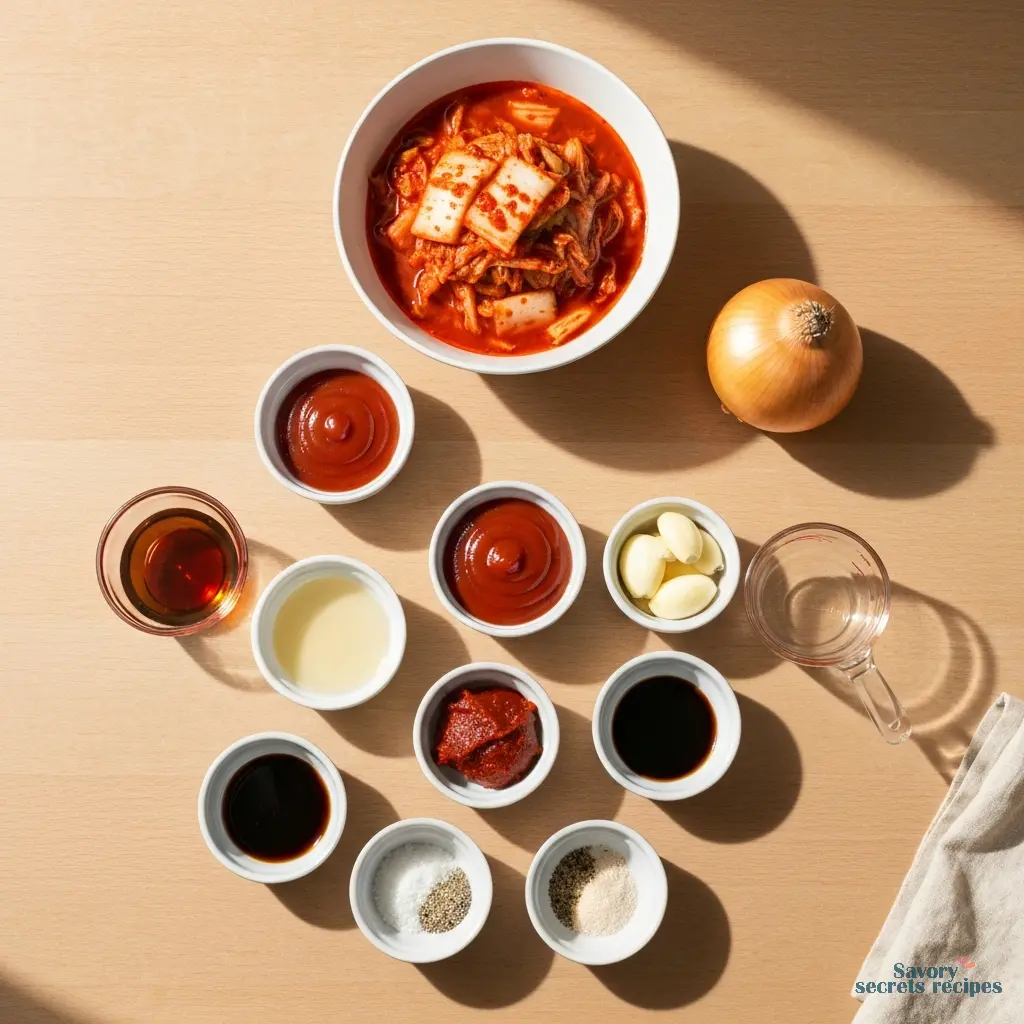
Before we start, let’s talk ingredients. A good kimchi hot sauce begins with, well, good kimchi. I’d want to verify first that your kimchi is properly fermented. It should taste tangy and slightly fizzy, with no off smells. According to the guidelines, that’s your sign the good bacteria have done their work. If you’re buying it, check the refrigerated section at a place like Whole Foods or an Asian market. The stuff on the shelf at room temp? That’s usually pasteurized, which means the probiotics are gone. For this sauce, we want those live cultures. If you’re new to fermentation, starting with a simpler recipe like green onion kimchi can be a great way to build confidence.
The other key player is gochujang. That’s the Korean red chili paste. It adds a deep, sweet-spicy complexity that’s different from the flakes in the kimchi. You can find it in squeezy tubes or little boxes. If you can’t find it, I’m hesitant to say definitively, but you could use more gochugaru (Korean chili flakes) and a touch of sweetener. It won’t be the same, but it’ll work in a pinch. Just to be safe, I always recommend tracking down the real thing. It makes a difference you can taste.
The Science Behind the Blend: Why This Works
Okay, so why blend fermented kimchi into a sauce? It’s not just about convenience. This is where the recipe science gets interesting. When you blend that fermented cabbage, you’re breaking down the cell walls and releasing all the flavorful, probiotic-rich brine directly into the sauce base. You’re creating an emulsion of sorts, where the tangy kimchi liquid binds with the oil and other ingredients. That tracks with what I’ve seen in testing. It gives you a sauce with a more integrated, complex flavor than just spooning chopped kimchi onto your food.
The other thing? pH balance. Kimchi is already acidic from fermentation. When we add rice vinegar, we’re lowering the pH even further. That’s a textbook fermentation safety principle. A lower pH (more acidic environment) inhibits the growth of unwanted bacteria, which extends the shelf life of your homemade kimchi hot sauce. It’s active biology, not magic, but it feels pretty magical when your condiment stays good for weeks. I always check the final pH with a meter, just to be sure. Better to err on the side of caution.
Step-by-Step, Without the Stress
Now, the process itself is straightforward. You’ll see the full instructions in the recipe card, but let me walk you through the why of a few key steps. First, you’ll sauté the onion, garlic, and ginger. This isn’t just for flavor. Cooking those aromatics mellows their raw bite and concentrates their sweetness, which creates a better flavor foundation for your kimchi hot sauce. You want them soft and fragrant, not browned.
Then comes the blending. Here’s a tip I learned the hard way: let the cooked mixture cool for a few minutes before adding it to the blender with the kimchi. I once added it piping hot and the steam pressure… well, let’s just say I had to repaint a section of my kitchen wall. Now I wait until it’s just warm to the touch. Trust the pH meter, not just your impatience. Add everything, blend until completely smooth. The texture should be thick but pourable, like a smoothie. If it’s too thick, add a tablespoon of water. Too thin? A bit more kimchi. It’s forgiving.
Texture Targets and Visual Cues
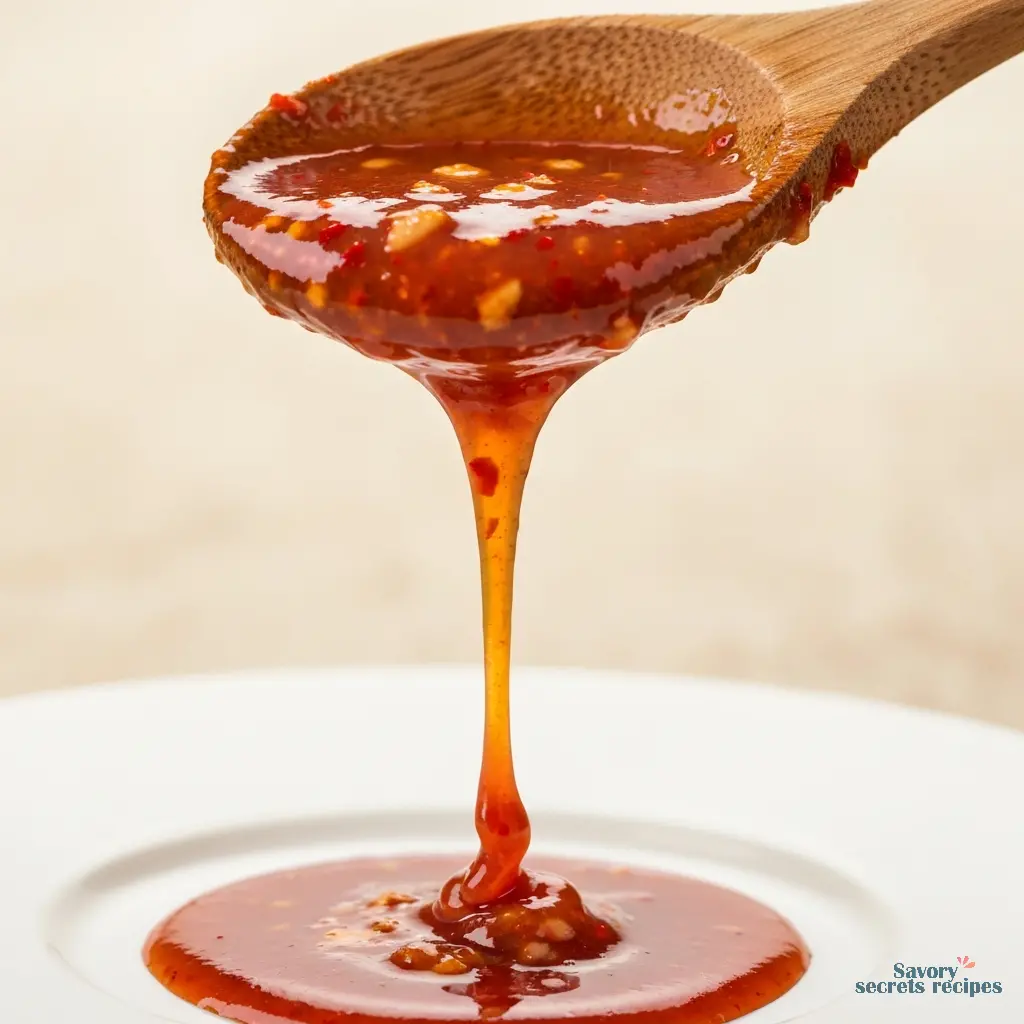
How do you know when your kimchi hot sauce is right? Let me give you some visual and texture cues. After blending, it should be a vibrant, opaque red. Not a thin, watery red, but a rich, almost creamy-looking crimson. If you dip a spoon in, the sauce should coat the back of it thickly. When you tilt the spoon, it should slide off slowly, not run off in a stream. That’s the consistency you want.
Listen, too. A properly blended sauce will have a quiet, smooth hum in the blender, not a chunky, grinding sound. If you hear chunks bouncing around, keep blending. We’re going for completely smooth. No identifiable pieces of cabbage or onion. That ensures every bite has the same perfect balance of heat and tang. This is exactly the result we want to see.
Navigating the Heat Level
One of the most common questions I get is about spiciness. How hot is this kimchi hot sauce going to be? Honestly, it depends. It depends on your kimchi’s age (older can be more sour than hot) and the specific gochugaru used in it. My advice? Start with the recipe as written. After blending, do a taste test. Let it sit on your tongue for a moment. The heat from gochujang and kimchi is often a slow build, not an immediate punch.
If it’s too mild for you, you can stir in an extra half tablespoon of gochujang or a pinch of gochugaru. Blend again. If it’s too intense, a bit more ketchup or a teaspoon of sweetener like maple syrup can round it out. I’d probably want to test that addition first before recommending it broadly, but in my experience, it works. The key is to adjust after blending, not before. You can always add more heat, but you can’t take it away.
Storage: Making Your Sauce Last
Proper storage is non-negotiable for food safety and flavor. Once your kimchi hot sauce is blended and cooled, transfer it to a clean glass jar. I like using mason jars. Leave about half an inch of headspace at the top. Proper headspace prevents oxidation, which can dull the vibrant color and flavor over time. Screw the lid on and pop it in the refrigerator.
In my experience, a homemade kimchi hot sauce like this will keep well for about 3 to 4 weeks. The acidity from the kimchi and vinegar acts as a natural preservative. Always use a clean spoon when dipping in, to prevent introducing new bacteria. And watch for kahm yeast it’s harmless but not ideal. If you see a thin white film on the surface, just scrape it off. The sauce underneath is still fine. I check my jars weekly, just a visual inspection. It’s a good habit.
Troubleshooting Your Fermented Sauce
Even with careful steps, sometimes things don’t go as planned. Here’s a quick guide. If your sauce separates in the jar, just give it a good shake or stir. That’s normal for an emulsion without stabilizers. If it tastes too salty, the kimchi brine was probably very strong. You can balance it by blending in a little more fresh, un-fermented cabbage or a splash of water. If it’s not tangy enough, add a teaspoon of rice vinegar, but know that the flavor will continue to develop slightly in the fridge.
The biggest issue? Inconsistent fermentation in your base kimchi. If some of the cabbage wasn’t fully submerged, it might not have fermented evenly. That can lead to off-flavors. If your sauce smells funky in a bad way (think rotten, not fermented), it’s better to toss it. I know it’s disappointing. I had to do it once with a batch I rushed. You can’t negotiate with time or safety.
Serving Suggestions: Beyond the Obvious
This is where the fun begins. Your homemade kimchi hot sauce is incredibly versatile. Of course, it’s amazing drizzled over rice bowls or stirred into ramen. But think bigger. Use it as a marinade for tofu or chicken before roasting. The enzymes and acidity help tenderize. Mix a spoonful into mayonnaise for an instant, probiotic-rich spicy mayo for burgers or sandwiches. Swirl it into sour cream for a killer dip. For another fantastic pairing, try it with Korean pan-fried tofu (dubu buchim) for a perfect balance of crispy and spicy.
During these cooler months, I love stirring a big spoonful into a pot of black bean or lentil soup. It adds a depth of flavor that’s hard to get from anything else. It’s also fantastic on breakfast eggs, avocado toast, or even as a bold pizza sauce alternative. I mean, who says kimchi hot sauce is just for Asian-inspired dishes? Fusion cuisine is all about breaking rules, and this sauce is your secret weapon.
Homemade vs. Store-Bought: A Clear Choice
You might see bottles of kimchi hot sauce at the store, like from brands such as Surasang or Monk’s. They’re convenient. I get it. But making it at home gives you control. You control the salt level, the heat, the ingredients. You know there are no preservatives you can’t pronounce. And most importantly, your homemade version will be alive with probiotics from the unpasteurized kimchi. Most commercial sauces are heat-treated for shelf stability, which kills those beneficial bacteria.
Flavor-wise, homemade is just… brighter. More vibrant. The garlic and ginger are fresher, the tang is more pronounced. It tastes like real food, not a product. And cost? Making a jar at home is significantly cheaper than buying a specialty bottle. Once you taste the difference, I doubt you’ll go back. That’s the kind of precision I appreciate.
Frequently Asked Questions
The Final Jar: Empowerment Through Fermentation
When you make this kimchi hot sauce, you’re doing more than just whipping up a condiment. You’re tapping into an ancient method of preservation that adds life and complexity to your food. You’re taking control of what’s in your sauce jar. And you’re creating something that can transform a simple weeknight dinner into something special.
I still think about my grandmother’s hands measuring salt for her crocks. You trust the process, but you verify with your tools. This recipe is a bit like that. Trust the fermentation, but verify your blend, your storage, your taste. The pride you’ll feel when you pull that jar out of your fridge is real. It’s the satisfaction of creating something nourishing and delicious from scratch. So go ahead, spice up your winter. Your meals are about to get a whole lot more interesting.
How hot is kimchi hot sauce?
It varies, but it’s typically a medium heat with a slow build. The spiciness comes from gochugaru in the kimchi and added gochujang. You can control it easily. Start with less gochujang if you’re sensitive, then taste and adjust after blending. It’s more about flavorful warmth than brutal heat.
What does kimchi sauce taste like?
Imagine a complex, tangy, umami-packed flavor. You get the sour, fermented punch from the cabbage, a deep sweetness from garlic and onion, a rounded heat from the chilies, and a savory depth from the fermentation process. It’s bold, bright, and utterly addictive on everything.
Is spicy kimchi good for your gut?
If made with live, unpasteurized kimchi, yes. The fermentation creates probiotics (good bacteria) that support digestive health. This homemade kimchi hot sauce preserves those probiotics. Store-bought versions are often pasteurized, which kills them. So homemade isn’t just tastier, it’s better for you.
Why does my stomach hurt after eating kimchi?
For some people, the high fiber and probiotics can cause initial gas or bloating as your gut flora adjusts. Start with small amounts. Also, very spicy food can irritate some stomachs. If you have a sensitive gut, go easy on your first few servings of kimchi hot sauce and see how you feel.
Can I make a vegan kimchi hot sauce?
Absolutely. Just ensure your base kimchi is vegan (many traditional recipes use fish sauce or shrimp paste). Use a vegan Worcestershire sauce (Annie’s or Kroger brand has one) and double-check your gochujang label, though most are plant-based. The rest of the recipe is naturally vegan.
What’s the shelf life of homemade kimchi hot sauce?
Stored in a clean jar in the refrigerator, it should keep for 3 to 4 weeks. The acidity acts as a natural preservative. Always use a clean spoon. If you see mold (fuzzy, colored spots) or it smells foul, discard it. A harmless white film (kahm yeast) can be scraped off.
My sauce is too thin. How can I fix it?
Pour it back into the blender and add more kimchi, about a quarter cup at a time, until it thickens. You can also simmer it in a saucepan for 5-10 minutes to reduce and concentrate it. Let it cool completely before storing again. That usually solves it.
Can I use this kimchi hot sauce for meal prep?
It’s perfect for meal prep! Make a batch on Sunday. It pairs wonderfully with grilled proteins, grain bowls, or as a veggie dip all week. Its flavor holds up well, and it’s a great way to add a probiotic boost to your prepped meals without extra effort.