



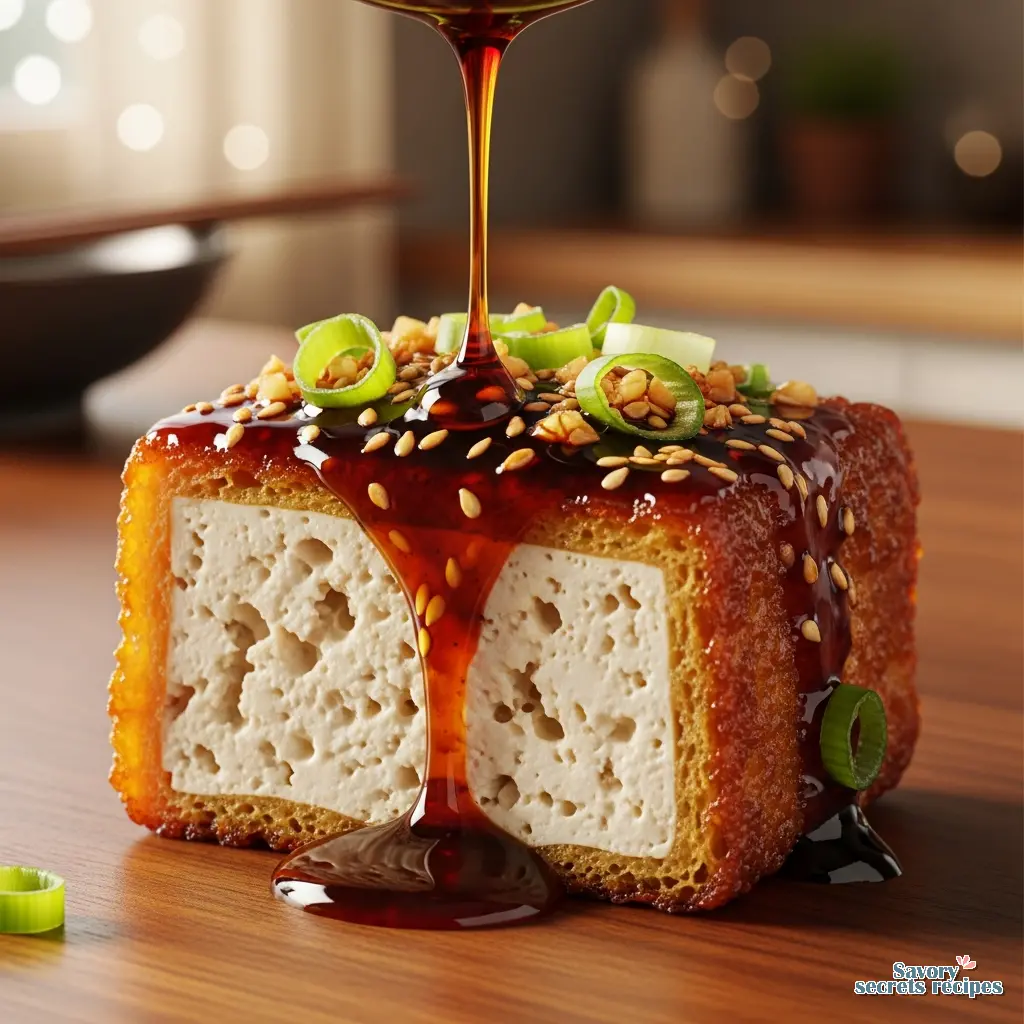
Foolproof Braised Tofu Recipe for Comforting Winter Meals
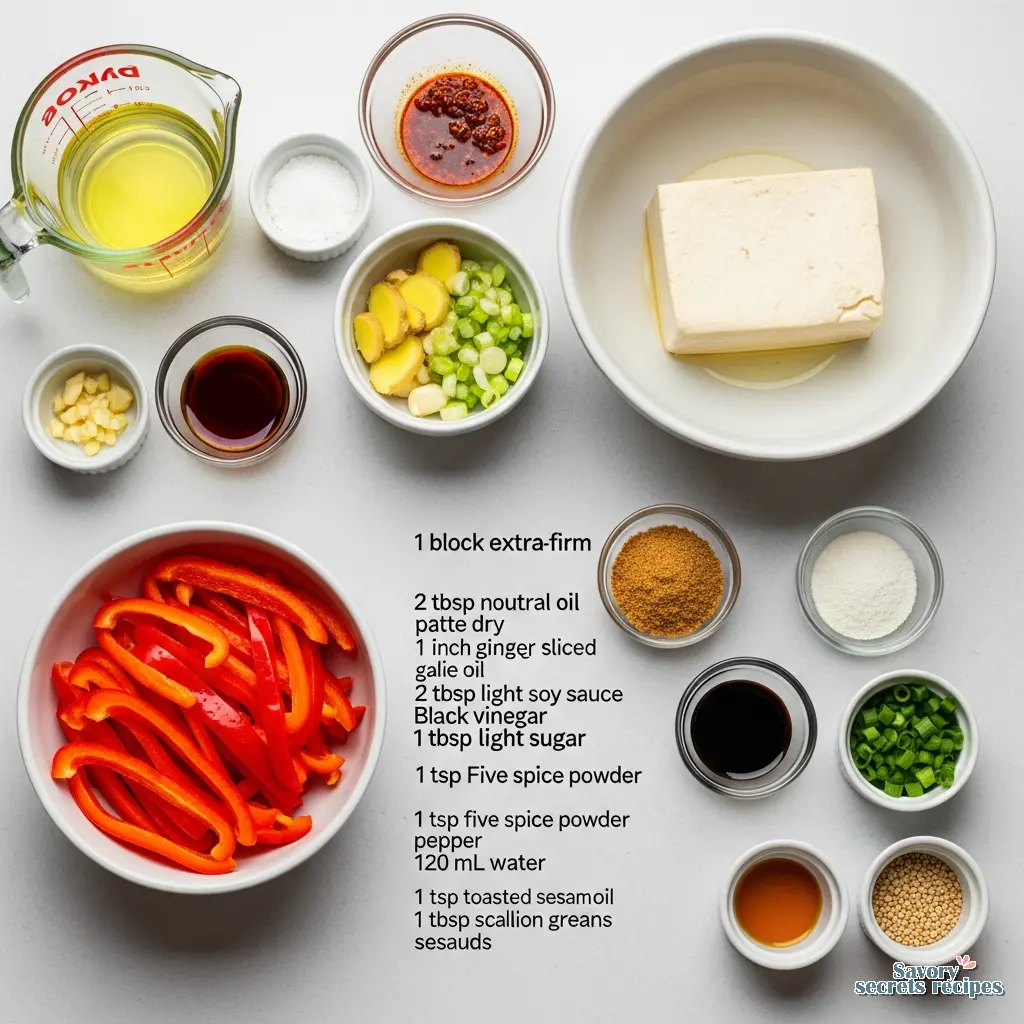
Ingredients
Method
- Slice the tofu in half vertically and press each slab with a towel to remove excess water. Slice crosswise into 1/3- to 1/2-inch (1 cm) squares and arrange them on a cutting board. Cover with a towel and a heavy cookbook to press, then slice the aromatics.
- Remove the towel and dab the tofu squares dry if they still appear wet. Season the top of each square with a pinch of salt.
- Heat neutral oil in a 12-inch nonstick frying pan over medium-high heat for 2 minutes. Line a cutting board with paper towels while the oil heats.
- Carefully add the tofu to the hot oil in a single layer using a slotted spoon. Cook for 5 to 8 minutes until golden brown on the bottom, then flip and cook for another 4 to 5 minutes. Transfer the crisp tofu to the towel-lined board and season with salt.
- Whisk the braising liquid ingredients together in a bowl or combine them in a sealed jar and shake well.
- Wipe the excess oil from the pan, add chile oil, and heat over medium-high. Sauté the scallion whites, garlic, and ginger for 1 to 2 minutes until fragrant. Add the vegetables and stir-fry for 2 minutes until crisp-tender.
- Pour the braising liquid into the pan, bring to a boil, and simmer for 5 minutes until slightly thickened.
- Whisk the cornstarch into 1/2 cup (120 mL) of water to create a slurry. Stir the slurry into the pan and whisk for 45 to 60 seconds until the sauce thickens further.
- Fold the fried tofu into the sauce to coat. Simmer over medium heat for 10 minutes, stirring occasionally, until the sauce reduces and sticks to the tofu. Remove from the heat and let cool for a few minutes.
- Serve the tofu over rice and garnish with sliced scallion greens, sesame seeds, and a drizzle of toasted sesame oil.
Nutrition
Notes
- I LOVE using Chinese chile oil or the oil from a jar of chile crisp in place of regular cooking oil here for a burst of umami and a subtle heat. You can find chile oil or chile crisp in many well-stocked grocery stores, Asian markets, and online. My three favorite brands of chile crisp are FLYBYJING, Lao Gan Ma, and Momofuku (affiliate links). If you don’t have it, just use the neutral-flavored cooking oil you used for frying the tofu.
- You can sub bell peppers with any small chopped quick-cooking veggie. Good options are chopped baby bok choy, shredded Napa cabbage, and snap peas or snow peas.
- If you have Chinese light soy sauce, use that. Otherwise, standard grocery store soy sauce (e.g., Kikkoman, San J, etc.) is totally fine.
- You can sub the sugar with maple syrup but the sauce will be slightly thinner.
- If strictly gluten-free, use rice vinegar, as most Chinese black vinegars are fermented with grains. It doesn’t have the same depth of flavor as black vinegar but will still be tasty. Or, use 2 parts rice vinegar to 1 part aged balsamic vinegar.
Why Most Home Cooks Struggle with Braised Bean Curd
I’ll be honest with you. The first time I tried to make braised bean curd at home, it was a disaster. I was twenty-two, working the line at a spot in the West Village, and I thought I knew everything about heat control. I didn’t. I ended up with a pan full of pale, crumbling tofu swimming in a watery, sad sauce. It tasted like nothing. Absolutely nothing.
It’s winter here in Los Angeles, and even though my friends back in Brooklyn laugh when I complain about 55-degree weather, the chill is real. When it’s cold like this, I crave something that sticks to your ribs. I want that deep, savory comfort food that feels like a hug. But for years, I avoided making tofu at home because I couldn’t get that restaurant-quality texture. It was always too soft, too bland, or it just fell apart.
Here’s what I’m seeing with most home recipes: they skip the physics. They treat tofu like chicken, and that tracks if you don’t know the science, but tofu is a sponge. If a sponge is already full of water, it can’t soak up anything else. That’s the whole secret. Once I started treating my braised bean curd like an engineering problem rather than a stir-fry, everything changed. Now, it’s my go-to weeknight dinner when I need something warm, fast, and foolproof.
The ‘Sponge’ Secret: Why Braising Works
My Nonna Giulia used to say about pasta water, “If it’s not salty like the sea, don’t bother.” She understood that flavor has to penetrate, not just sit on top. Tofu is the same way. The reason braising works so well for bean curd is porosity.
When you fry tofu properly, you’re creating a barrier on the outside and a honeycomb structure on the inside. That honeycomb is waiting to drink up your sauce. But if you just toss raw tofu into sauce, nothing happens. It just sits there, polite and flavorless.
Let me walk that back a second. You don’t need a degree in chemistry to get this right. You just need to understand that we are building a vessel for flavor. The frying step isn’t just about texture; it’s about structural integrity. By searing the outside, we create a skin that holds the shape, allowing the inside to steam and expand, creating those tiny pockets that will eventually hold that glorious, savory braising liquid. If you skip the prep, you skip the flavor. Period.
The Essential Tofu Pressing Guide
I know, I know. You want to get dinner on the table. You see “press the tofu” and you think, “I can skip that.” Don’t. If you take one thing away from this article, let it be this: water is the enemy of crispiness.
My daughter once asked me why the tofu was “spitting” at her in the pan. I told her, “Because it’s fighting back.” Water and hot oil don’t mix. If your tofu is wet, it won’t brown; it will steam. You’ll end up with rubbery, pale cubes instead of golden nuggets.
You don’t need a fancy gadget. I use a cast-iron skillet or a couple of heavy cookbooks (usually my old culinary school textbooks) wrapped in a towel. Place the tofu on a plate lined with paper towels, put another plate on top, and weigh it down. Give it another minute. Seriously, 15 to 20 minutes is the sweet spot. You’ll see a pool of water come out. That’s flavor space you just created.
Step-by-Step Golden Frying Tips
Getting that golden crust is where most people panic. They see the tofu sticking and start scraping. Stop. If it’s sticking, it’s not ready. Let the process do the work.
First, use a nonstick pan. I love my stainless steel, but for tofu, nonstick is forgiving and guarantees you won’t lose that crust you worked so hard for. Heat your oil until it shimmers. Not smoking, just moving.
Here’s a trick I learned the hard way: season the tofu before it hits the pan. A little salt draws out even more moisture and seasons the curd itself. When you place the pieces in, don’t crowd them. If they’re touching, they’re steaming. Give them room to breathe.
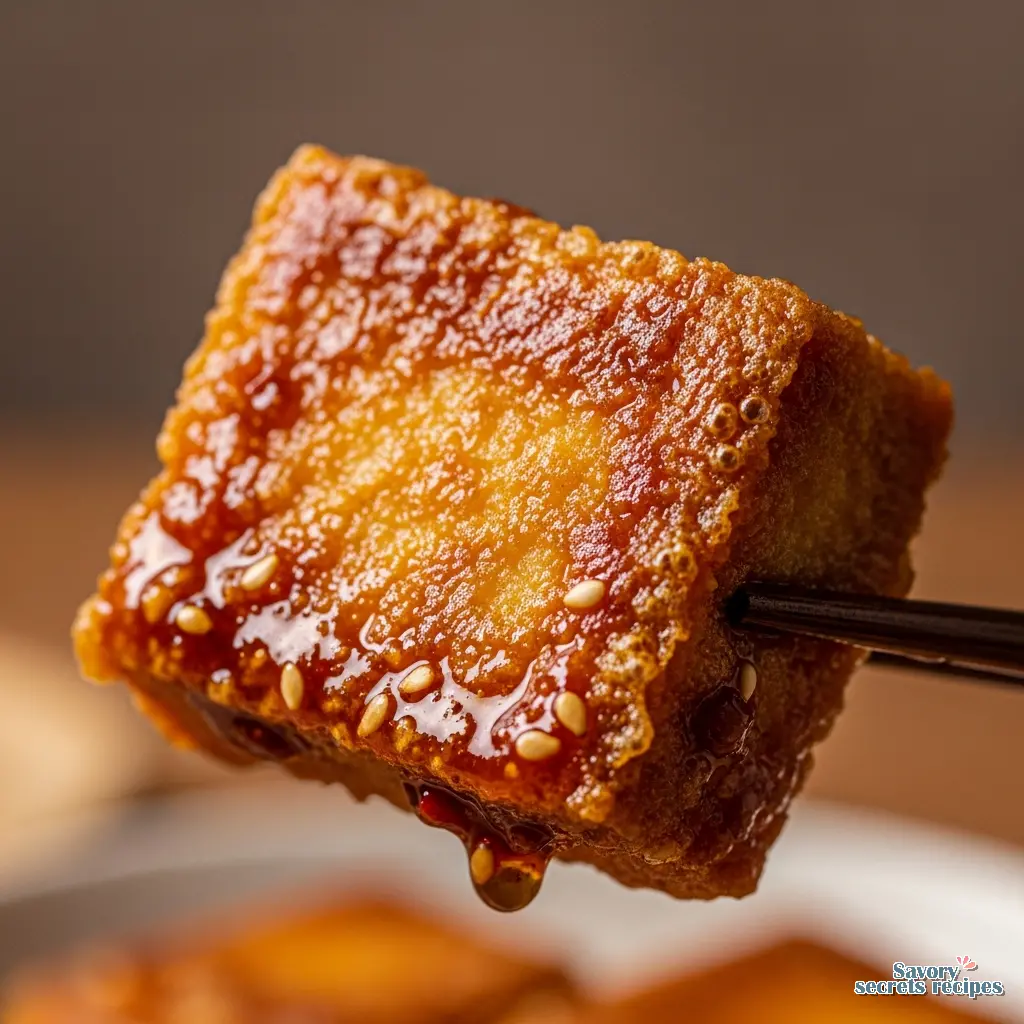
Cook until the bottom is mahogany. Not yellow, not tan. Mahogany. It takes longer than you think, probably 4 to 5 minutes per side. Trust your nose. It should smell nutty and fried, not like raw soy. When you flip it, it should release easily. If you have to force it, give it another minute.
The Science of the Slurry: Thickening Perfected
The sauce is where the magic happens, but it’s also where things can go wrong fast. We’re using a cornstarch slurry here. It sounds technical, but it’s just starch and water.
My son, who is ten and acts like a sous chef, loves this part. He calls it “magic potion” because it turns watery liquid into glaze instantly. But here’s the catch: cornstarch settles. If you mix it and let it sit while you chop onions, it’s basically cement at the bottom of the bowl. You have to stir it immediately before pouring it in.
Also, don’t dump it all in at once. Pour slowly while stirring the sauce. You want to see the change happen. The sauce should go from cloudy to glossy and coat the back of a spoon. If it’s too thick, add a splash of water. If it’s too thin, give it another minute to bubble. The heat activates the starch. It needs to reach a simmer to work.
Visual Troubleshooting: Fix Soggy or Rubbery Tofu
We’ve all been there. You followed the recipe, but the texture is off. Let’s troubleshoot this like we’re on the line.
Common Braised Bean Curd Mistakes & Fixes
Mistake: The tofu is soggy inside.
Solution: You didn’t press it long enough, or you cut the pieces too big. Aim for 1/2-inch thickness. Any thicker, and the heat can’t penetrate to the center before the outside burns.
Mistake: The texture is tough and rubbery.
Solution: You likely overcooked it during the initial fry. Once it’s golden, get it out of the pan. It will cook more in the braise. Also, check your tofu type. Extra-firm is good, but if it’s vacuum-packed “super firm,” it can be dense. I prefer water-packed extra-firm.
Mistake: The sauce slides right off.
Solution: No crust means no grip. If you didn’t get that bubbly skin during frying, the sauce has nothing to hold onto. Next time, be patient with the fry.
Air-Fryer vs. Pan-Fry: A Head-to-Head Comparison
I get asked this constantly: “Luca, can I put this in the air fryer?” The answer is yes, but with a caveat. It’s different.
Pan-frying gives you that irregular, bubbly crust that catches sauce perfectly. It absorbs oil, which let’s be honest carries flavor. The air fryer dries the exterior out. It’s crispier, almost crunchy, but it can get tough if you’re not careful.
If you’re dead set on the air fryer (and on a Tuesday night, I don’t blame you), toss the tofu cubes in oil and cornstarch first. Cook them at 400°F for about 12 to 15 minutes, shaking halfway through. It works, and it’s cleaner, but for the true braised experience, the pan is king. The oil in the pan interacts with the soy sauce later to create an emulsion you just can’t get with air frying. Fair enough?
Storage & Best Reheating Practices
This dish is actually better the next day. I’m not just saying that. The tofu sits in that sauce and acts like a sponge all night long. By lunch the next day, the flavor has penetrated all the way to the center.
Store it in an airtight container in the fridge for up to 4 days. When you reheat it, don’t use the microwave if you can help it. The microwave excites the water molecules and turns your crispy crust into mush. It’s tragic.
Instead, throw it back in a nonstick pan over medium-low heat. You might need a splash of water to loosen the sauce because the cornstarch will have gelled up. Cover it with a lid for 2 minutes to steam the inside, then take the lid off to re-crisp the bottom. It takes five minutes, but it’s worth it.Frequently Asked Questions
Final Thoughts
When you make this, don’t rush the browning. Pour a glass of something nice (or just sparkling water), put on some music, and let the tofu do its thing. The patience pays off when you bite into that crispy, saucy, perfect cube. It’s a simple dish, but the best ones always are.
I’d love to see how yours turns out. Did you get that mahogany color? Did you try the air fryer method? Let me know in the comments. And if you’re looking for more visual inspiration, check out my Pinterest boards where I save all my favorite comfort food ideas.
Reference: Original Source