



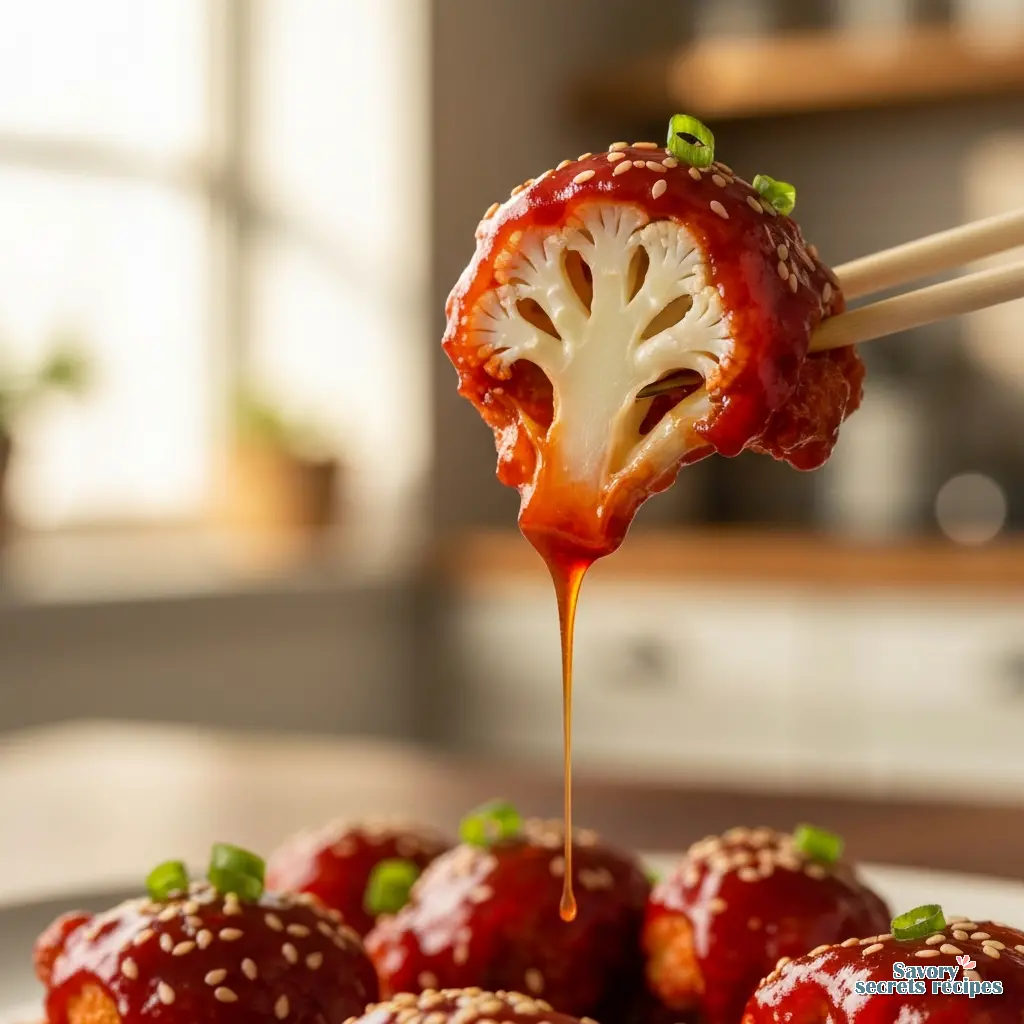
Roasted Gochujang Cauliflower Vegan Recipe
Ingredients
Method
- Preheat the oven to 425°F and line two baking sheets with parchment paper.
- Whisk the flours, cornstarch, baking powder, and salt in a large bowl, then stir in the water until combined.
- Add the florets to the batter and toss by hand to coat evenly; lift each piece and shake vigorously to remove excess batter.
- Place the coated florets on the prepared baking sheets, repeating the process for all pieces.
- Coat the tops of the florets thoroughly with cooking spray.
- Bake for 15 minutes.
- Flip the florets, spray the other side with cooking spray, and bake for an additional 10 to 12 minutes.
- Prepare the sauce while the florets continue to bake.
- Whisk the gochujang, soy sauce, agave, mirin, and water together in a small bowl.
- Pour the mixture into a wide, non-stick skillet over medium heat.
- Simmer for 5 to 7 minutes while whisking occasionally until thickened, then remove from heat and whisk in the vinegar.
- Transfer the baked florets to the skillet and toss gently to coat, tipping the pan and using a spoon if necessary for even coverage.
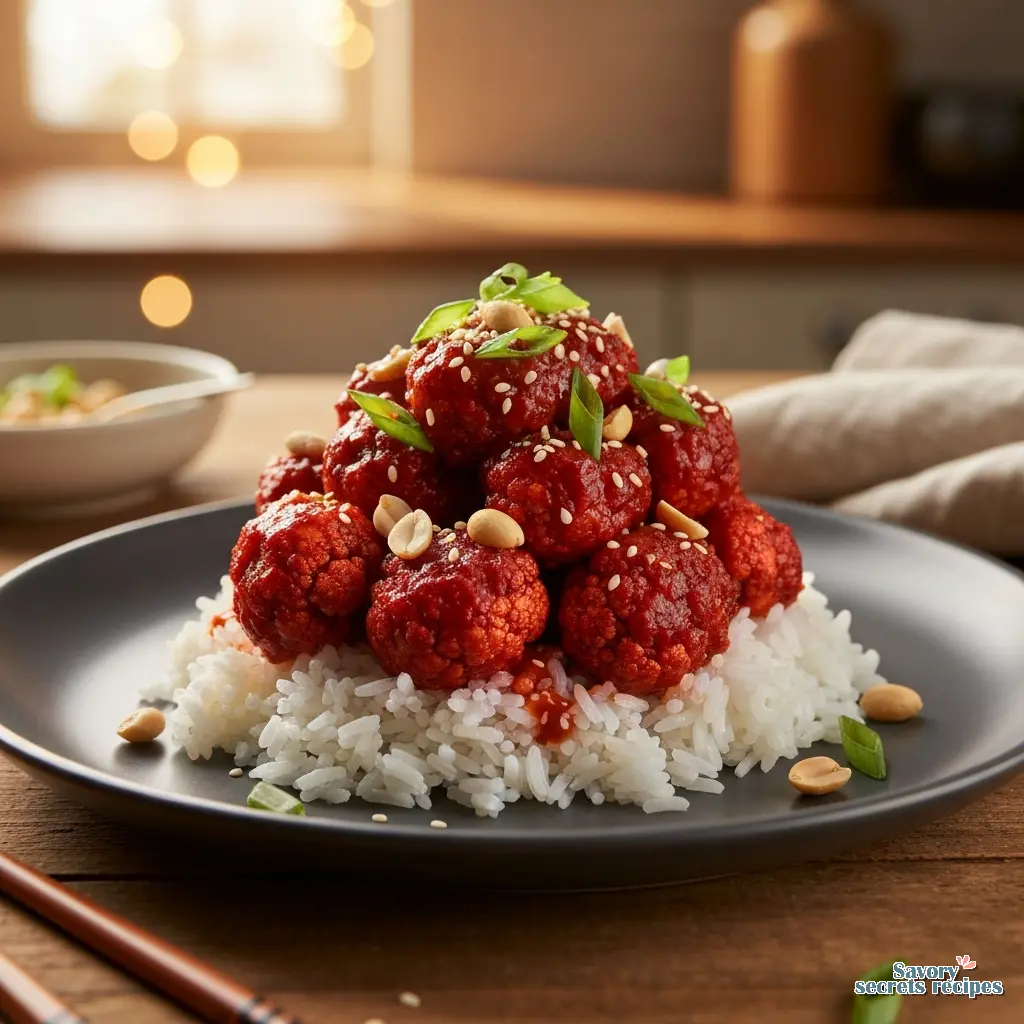
- Divide rice between two plates, top with the florets, and garnish as desired.
Notes
Why Gochujang Changes Everything
I remember the first time I really looked at gochujang. I mean really looked at it. I was in my grandmother Elaine’s kitchen in Pasadena, watching her plate sliced apricots. She always said, “Maya, look at the gradient. That’s where the flavor lives.” When I opened a tub of gochujang years later, I saw that same depth. It wasn’t just red. It was a deep, fermenting crimson that promised something more than just heat.
If you’ve been struggling with vegan food that looks beige and tastes flat, you are not alone. It’s a common complaint I hear on set all the time. “How do I make tofu look appetizing?” or “Why does my cauliflower taste like… cauliflower?” The answer usually isn’t more salt. It’s about building layers. And gochujang recipes vegan style are the secret weapon for that.
This isn’t just about making things spicy. It is about that savory, funky depth umami that is often missing in plant-based cooking. When you use this paste, you aren’t just adding an ingredient; you are adding months of fermentation history to your quick Tuesday night dinner. I promise it’s easier than it looks to work with, even if you have never stepped foot in a Korean grocery store.
Is Your Gochujang Actually Vegan?
Before we start cooking, let’s pull back a bit and talk labels. There is a misconception that all chili pastes are plant-based. I’m not totally sure where that started, but it’s dangerous if you are strict about ingredients. Traditional gochujang is naturally vegan. It is made from chili powder (gochugaru), glutinous rice, fermented soybean powder (meju), barley malt powder, and salt.
However, modern commercial brands can be tricky. Some add anchovy extract or other seafood-based flavor enhancers to boost the savory profile cheaply. I learned this the hard way when I served a “vegan” stew to a friend and later realized the tub I used had hidden shrimp extract. Not my best moment.
When you are shopping at Ralphs or H Mart, flip that tub over. You want a clean read on the ingredient list. Look for brands like Whangpap or specific Sempio lines that carry a vegan certification. If you see “anchovy,” “shrimp,” or generic “seafood extract,” put it back. The good news is that the high-quality, traditional stuff is almost always vegan because the soybeans provide all the umami you need.
Texture is King: The Science of Crispy
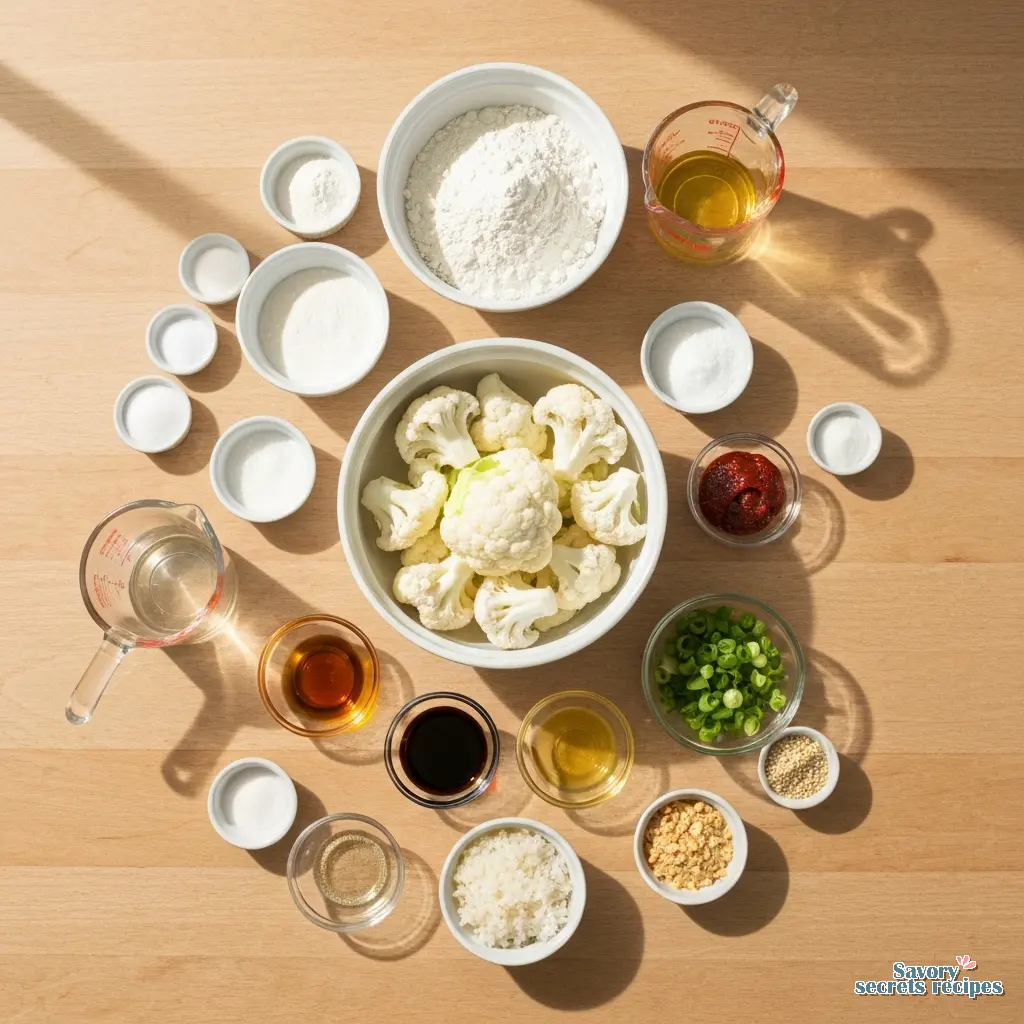
Let’s talk about the batter. In photography, we talk about “surface interest.” In cooking, that’s crunch. There is nothing sadder than soggy cauliflower. It photographs flat, and it eats flat. To get that restaurant-style crunch in your gochujang recipes vegan creations, we need to look at the flour blend.
I use a mix of rice flour and all-purpose flour. The rice flour is the secret here it doesn’t absorb oil the way wheat flour does, which gives you a lighter, shatteringly crisp coating. If you only have all-purpose flour, it’ll work, but it might be a bit heavier. Your mileage may vary, but I think the rice flour trip is worth it.
The batter consistency should look like heavy cream or melted ice cream. If it’s too thick, you get a bready, heavy coating that slides off. If it’s too thin, it won’t hold the sauce later. Dip a floret in; it should coat the vegetable but still drip off slowly. That’s the one.
And please, I beg you, do not overcrowd the pan. When I’m shooting, I style one piece at a time. You don’t have to be that extreme, but frying in small batches keeps the oil temperature high (aim for 350°F). If the temp drops, the cauliflower drinks the oil instead of frying in it. We want crispy, not greasy.
Balancing the Heat: The Flavor Profile
Gochujang is potent. It’s a condensed flavor bomb of heat, sweetness, and fermented saltiness. For beginners, this can be intimidating. The trick to mastering gochujang recipes vegan is balance. You rarely use the paste on its own; it needs to be thinned and tamed.
In this recipe, we cut the heat with agave syrup (or maple syrup) and rice vinegar. The acid from the vinegar is crucial it brightens the deep, muddy flavors of the fermentation. If you taste your sauce and it feels “heavy” or one-note, it likely needs more acid. Add a splash more vinegar.
If you find it’s still too spicy for your preference, don’t dilute it with water that just makes it bland. Instead, add a fat element. A teaspoon of peanut butter or tahini whisked into the sauce can mellow out the heat without killing the flavor. It adds a creamy richness that works beautifully with the cauliflower.
Plating Like a Photo Director
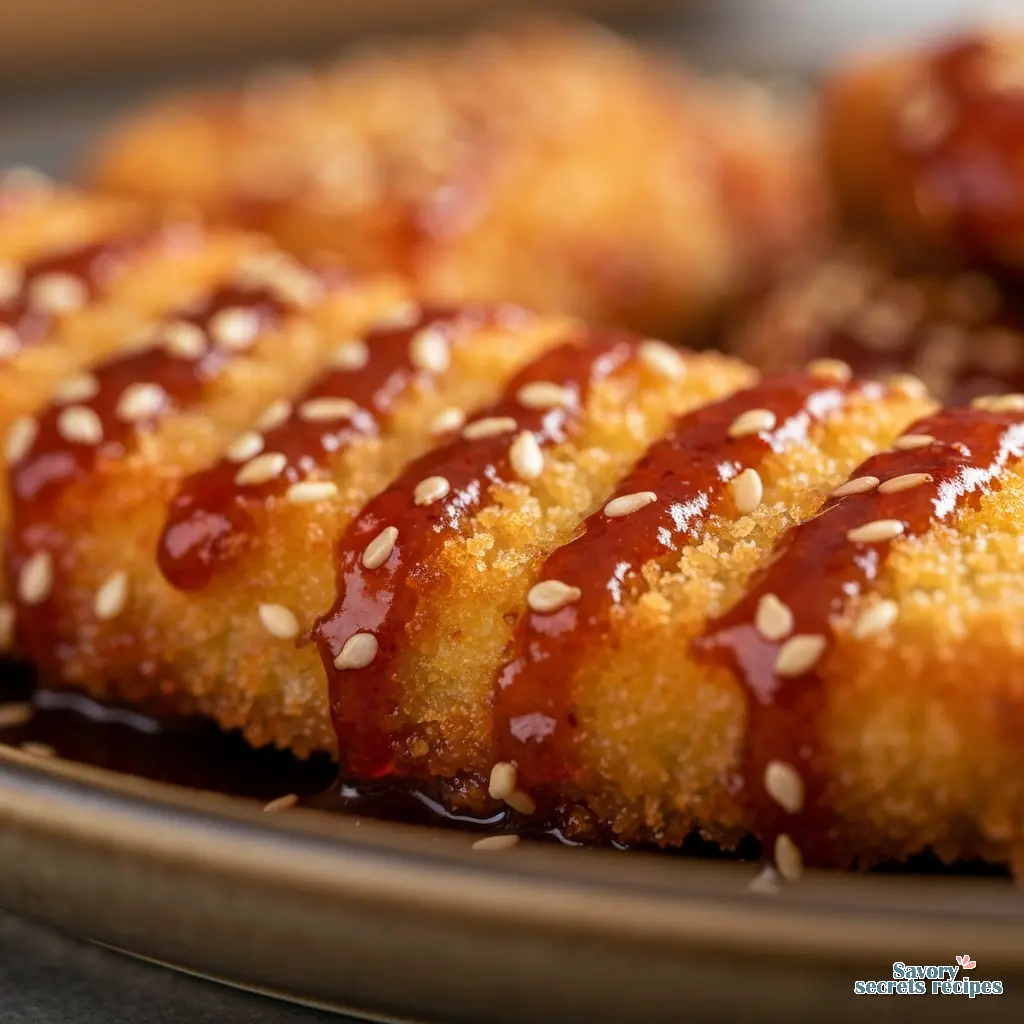
We eat with our eyes first. My grandmother taught me that before I ever picked up a camera. Gochujang dishes are naturally monochromatic everything turns red. To make this pop, you need contrast. This is where your scallions and peanuts come in.
Don’t just dump them on top. Think about color. The bright green of the scallions against the deep red sauce creates a visual vibration that signals “freshness” to your brain. The crushed peanuts add a beige textural element that breaks up the glossy surface. It’s about building in layers.
I usually serve this over stark white rice. The contrast between the snowy white grains and the dark, sticky cauliflower is visually stunning. It makes for a clean read on the table. If you are serving it for friends, pile the cauliflower high rather than spreading it out. Height always looks better.
Common Mistakes & Fixes
Mistake: The sauce is too thick and won’t coat.
Solution: Gochujang brands vary in thickness. Whisk in warm water, one tablespoon at a time, until it flows like honey.
Mistake: The cauliflower gets soggy immediately.
Solution: You likely sauced it too early. Keep the sauce and fried cauliflower separate until the very last second before serving.
Mistake: Burnt garlic taste in the sauce.
Solution: Garlic burns fast in hot oil. Add the minced garlic to the liquid sauce ingredients first, then heat everything together gently. Don’t fry the garlic alone.
Storage and Reheating
I’ll be honest with you: fried food is a “right now” kind of meal. The crunch has a half-life of about 30 minutes once the sauce hits it. However, if you have leftovers (which is rare in my house), don’t microwave them. Microwaves are the enemy of texture.
Store leftovers in an airtight container in the fridge for up to 3 days. To reheat, use an air fryer or oven at 375°F for about 5-8 minutes. They won’t be perfectly crispy like the first day, but the edges will crisp up enough to be delicious. If you are meal prepping, store the fried cauliflower and the sauce in separate containers. Reheat the cauliflower to crisp it, warm the sauce, and toss them together right before you eat. That’s the pro move.
Frequently Asked Questions
When you nail this recipe, you’ll understand why I keep a tub of gochujang in my fridge right next to the almond milk. It transforms the simplest ingredients into something that feels special, curated, and complete. Get that gochujang out and spice up your vegan game tonight! I’d love to see how you plate it tag me or let me know in the comments if you went for the extra spice.
I share tons of variations and styling tips on my Pinterest boards if you want more ideas for your weeknight meals.
Reference: Original Source
<!– wp:rank-math/faq-block {"questions":[{"id":"faq-question-1770674933834","title":"Is gochujang vegan and suitable for a plant-based diet?","content":"Generally, yes, but you have to check the label. Traditional gochujang ingredients are vegan (peppers, rice, soybeans, salt). However, some commercial brands add anchovy or shrimp extract for cheap umami. Stick to certified vegan brands or check the ingredient list for \”seafood\” or \”anchovy.\””,”visible”:true},{“id”:”faq-question-1770674933835″,”title”:”How do you make roasted gochujang cauliflower crispy instead of soggy?”,”content”:”
The trick is high heat and spacing. If roasting, use 425°F and don’t crowd the pan, or it steams instead of roasts. For frying, use a rice flour batter and keep your oil hot (350°F). Also, only toss in the sauce right before serving to maintain that crunch.”,”visible”:true},{“id”:”faq-question-1770674933836″,”title”:”What are the best gochujang recipes vegan beginners can easily make at home?”,”content”:”
Start with a simple stir-fry sauce. Whisk gochujang with soy sauce, maple syrup, and vinegar. Toss it over tofu, chickpeas, or roasted veggies. It’s forgiving and lets you control the spice level. This cauliflower recipe is a great next step once you’re comfortable with the flavor profile.”,”visible”:true},{“id”:”faq-question-1770674933837″,”title”:”Can I substitute ingredients to make this gochujang vegetarian recipe gluten-free?”,”content”:”
Absolutely. The batter already uses cornstarch and rice flour, which are naturally gluten-free. Just swap the all-purpose flour for a GF blend or more rice flour. Crucially, ensure your gochujang paste is GF (some contain barley malt or wheat) and use tamari instead of soy sauce.”,”visible”:true},{“id”:”faq-question-1770674933838″,”title”:”How long can you store leftover roasted gochujang cauliflower in the fridge?”,”content”:”
You can store it for 3 to 4 days in an airtight container. The texture will soften significantly because of the sauce. For the best experience, reheat it in an air fryer or toaster oven to bring back some of the crispiness. Avoid the microwave if possible.”,”visible”:true}]} –>
Is gochujang vegan and suitable for a plant-based diet?
Generally, yes, but you have to check the label. Traditional gochujang ingredients are vegan (peppers, rice, soybeans, salt). However, some commercial brands add anchovy or shrimp extract for cheap umami. Stick to certified vegan brands or check the ingredient list for “seafood” or “anchovy.”
How do you make roasted gochujang cauliflower crispy instead of soggy?
The trick is high heat and spacing. If roasting, use 425°F and don’t crowd the pan, or it steams instead of roasts. For frying, use a rice flour batter and keep your oil hot (350°F). Also, only toss in the sauce right before serving to maintain that crunch.
What are the best gochujang recipes vegan beginners can easily make at home?
Start with a simple stir-fry sauce. Whisk gochujang with soy sauce, maple syrup, and vinegar. Toss it over tofu, chickpeas, or roasted veggies. It’s forgiving and lets you control the spice level. This cauliflower recipe is a great next step once you’re comfortable with the flavor profile.
Can I substitute ingredients to make this gochujang vegetarian recipe gluten-free?
Absolutely. The batter already uses cornstarch and rice flour, which are naturally gluten-free. Just swap the all-purpose flour for a GF blend or more rice flour. Crucially, ensure your gochujang paste is GF (some contain barley malt or wheat) and use tamari instead of soy sauce.
How long can you store leftover roasted gochujang cauliflower in the fridge?
You can store it for 3 to 4 days in an airtight container. The texture will soften significantly because of the sauce. For the best experience, reheat it in an air fryer or toaster oven to bring back some of the crispiness. Avoid the microwave if possible.
How do you make roasted gochujang cauliflower crispy instead of soggy?
The trick is high heat and spacing. If roasting, use 425°F and don’t crowd the pan, or it steams instead of roasts. For frying, use a rice flour batter and keep your oil hot (350°F). Also, only toss in the sauce right before serving to maintain that crunch.
What are the best gochujang recipes vegan beginners can easily make at home?
Start with a simple stir-fry sauce. Whisk gochujang with soy sauce, maple syrup, and vinegar. Toss it over tofu, chickpeas, or roasted veggies. It’s forgiving and lets you control the spice level. This cauliflower recipe is a great next step once you’re comfortable with the flavor profile.
Can I substitute ingredients to make this gochujang vegetarian recipe gluten-free?
Absolutely. The batter already uses cornstarch and rice flour, which are naturally gluten-free. Just swap the all-purpose flour for a GF blend or more rice flour. Crucially, ensure your gochujang paste is GF (some contain barley malt or wheat) and use tamari instead of soy sauce.
How long can you store leftover roasted gochujang cauliflower in the fridge?
You can store it for 3 to 4 days in an airtight container. The texture will soften significantly because of the sauce. For the best experience, reheat it in an air fryer or toaster oven to bring back some of the crispiness. Avoid the microwave if possible.