



Authentic Charleston SC Shrimp and Grits Recipe
Ingredients
Method
- Heat 1 tablespoon of vegetable oil in a skillet over medium-high heat. Add 1/2 small finely diced onion, 1/2 diced red bell pepper, and 1/2 diced green bell pepper. Sauté for 6 to 8 minutes until the vegetables soften.
- Stir in 3 cloves of grated garlic and cook for 1 minute until fragrant.
- Add 2 teaspoons of Old Bay seasoning, 1 teaspoon of smoked paprika, 1 teaspoon of chili powder, and 1 tablespoon of tomato paste. Stir in 1 tablespoon of Worcestershire sauce and 1/4 cup of chicken stock. Reduce heat to medium and cook for 5 to 10 minutes.
- Increase heat to medium-high and place the shrimp on top of the vegetables. Cook for 4 to 5 minutes until the first side turns pink, then flip and cook until the second side is pink.
- Transfer the shrimp to a plate and cover with foil. Stir 1/2 cup of heavy cream into the sauce.
- Return the shrimp to the sauce and heat over medium-high for 2 to 3 minutes until warmed through.
- Bring 1 1/2 cups of water to a boil in a medium saucepan over medium-high heat.
- Whisk in 1/2 cup of quick-cooking grits in a steady stream. Continue whisking for 3 to 4 minutes until thickened, then reduce heat to medium.
- Stir in a pinch of kosher salt, 2 tablespoons of butter, and 2 tablespoons of heavy cream. Add 3/4 cup of sharp cheddar cheese and stir with a wooden spoon for 3 to 4 minutes until melted and incorporated.
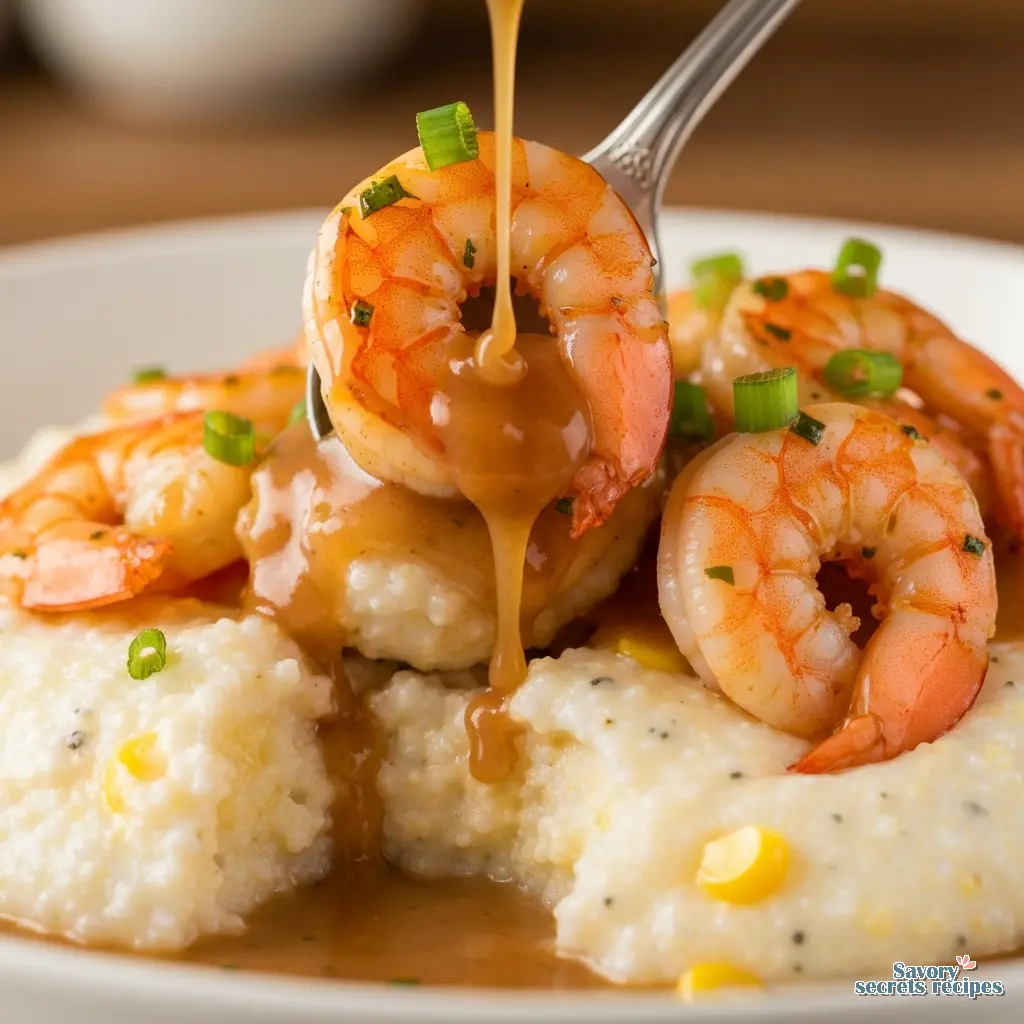
- Ladle the grits onto serving plates, top with shrimp sauce, and serve with 3 shrimp per person.
Notes
A Lowcountry Love Letter in a Bowl
I still remember the first time I tasted a real charleston sc shrimp and grits recipe. I was twenty-three, visiting a tiny, tucked-away kitchen in the Lowcountry, and I had my grandmother’s notebook in my bag, ready to take notes. But when that bowl landed in front of me, I didn’t write a single thing. I just ate.
It was nothing like the watery, sad instant grits I’d seen in diners up north. This was something else entirely. The grits were creamy but had a toothsome bite almost like a good risotto and the gravy was a rich, mahogany pool of flavor that smelled like the ocean and roasted peppers. It’s a dish that demands patience, but the payoff is incredible. If you’re looking for that specific “Old Charleston” flavor, you’ve come to the right place.
Let’s be real for a second. Making authentic grits takes time. There’s no getting around it. But on a cold winter night, standing over a pot of slowly bubbling corn while the kitchen fills with the scent of sautéed onions and spices? That’s my kind of therapy. Whether you’re trying to impress guests or just need a warm hug in a bowl, this recipe delivers that deep, soulful flavor every time.
Quick Wins for the Perfect Bowl
Before we get into the details, here are the three things that changed how I cook this dish. I learned these the hard way so you don’t have to.
First, stone-ground grits are non-negotiable. I know, the instant stuff is faster. But stone-ground corn retains the hull and germ, giving you that distinct floral corn flavor and texture that instant varieties just strip away. It’s the difference between eating fresh bread and a cracker. Trust me on this.
Second, layer your liquids. I’ve found that using a mix of chicken stock and water for the cooking liquid, then finishing with heavy cream or half-and-half, gives you the best balance. All water is bland; all milk is too heavy and can scorch. The stock adds a savory backbone that makes the grits stand on their own.
Third, cook the shrimp last. This is where most people mess up. They cook the shrimp in the gravy for twenty minutes until they’re rubber bullets. Don’t do that. Build your flavor base, get your gravy perfect, and then drop the shrimp in for just 3 to 4 minutes right at the end. You want them tender and snapping with freshness.
The Science of Stone-Ground Grits
I get asked a lot if the type of corn really matters. The short answer? Yes. The long answer involves a bit of milling history. Stone-ground grits are crushed between heavy stones (hence the name), which creates irregular granules. Some are fine, some are coarse. When you cook them slowly, the fine particles release starch to create a creamy binding, while the larger pieces stay firm to give you that signature “chew.”
If you use quick grits, they’ve been granulated to a uniform size and often precooked. They turn into mush fast. For a proper charleston sc shrimp and grits recipe, you want texture. You want to feel the grain. It’s similar to how my grandmother insisted on broken jasmine rice for certain Senegalese dishes the texture is the point.
Cooking these requires a “low and slow” approach. You can’t rush it. I usually plan for about 45 minutes of stirring time. It’s meditative. Put on some music, pour a drink (coffee or tea, of course), and just stir. If they get too thick before the grain is tender, just whisk in a little more warm water or stock. They are surprisingly forgiving if you keep them hydrated.
Building the Lowcountry Gravy
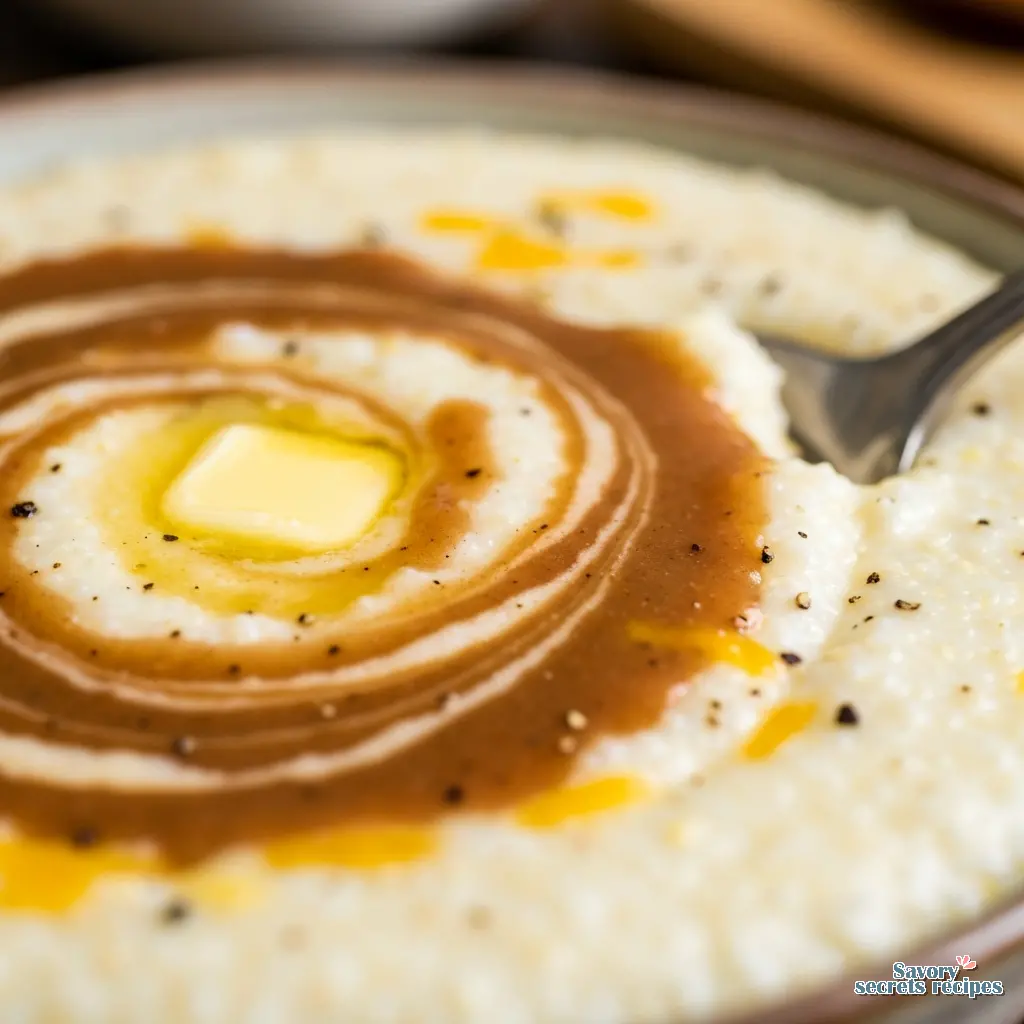
The soul of any South Carolina shrimp and grits recipe lies in the gravy. In Charleston, this often starts with a roux or a pan sauce built on the “Holy Trinity” of Southern cooking: onion, bell pepper, and celery. These aromatics need to be diced finely so they melt into the sauce rather than standing out as chunky vegetables.
I start by sautéing these vegetables until they’re soft and translucent. This is where you build your flavor foundation. Since we aren’t using pork products here, I rely heavily on smoked paprika and a high-quality smoked turkey sausage to get that depth of flavor. The smokiness is essential it mimics the traditional campfire cooking style of the Lowcountry. You can also use a pinch of chipotle powder if you want a little heat with your smoke.
Once the veggies are soft, I dust them with flour to create a blonde roux. You cook this for just a minute or two to get the raw flour taste out. Then, slowly whisk in your chicken stock. I’ve found that adding the liquid slowly while whisking constantly is the secret to a silky, lump-free gravy. It should coat the back of a spoon beautifully velvety, not gloopy.
Respecting the Shrimp
Living near the coast, I’ve become a bit of a shrimp snob. For this recipe, try to find wild-caught American shrimp if you can. They have a sweeter, cleaner flavor than farmed varieties. Size matters too. I prefer “large” or “extra large” (21-25 count per pound) so they don’t get lost in the gravy.
Here is a trick I use: marinate the shrimp briefly while you prep the vegetables. I toss them with a little lemon juice, Cajun seasoning, and olive oil. It wakes up the flavor. But remember, they go into the pan last. You’ll know they are done when they turn opaque and form a loose “C” shape. If they curl into a tight “O,” they’re overcooked. It happens fast, usually in about 3 minutes, so don’t walk away.
Common Mistakes & Fixes
Mistake: The grits are lumpy.
Solution: This happens if you dump the grits in too fast. Whisk the liquid vigorously while sprinkling the grits in slowly. If lumps happen, whisk like crazy or press them out against the side of the pot.
Mistake: The gravy is too thin.
Solution: Let it simmer uncovered for another 5-10 minutes. The reduction concentrates the flavor. You can also mash a little butter and flour together and whisk it in.
Mistake: The dish tastes flat.
Solution: It probably needs acid or salt. A squeeze of fresh lemon juice right at the end brightens everything up and cuts through the richness of the cream.
Variations for Every Palate
While the classic charleston sc shrimp and grits recipe is near perfect, I love playing with variations. That’s the beauty of pantry cooking you use what you have. If you want to add more veggies, sautéed spinach or mushrooms make a great addition to the gravy. The earthiness of mushrooms, in particular, pairs really well with the corn.
For a cheesy twist, swap the sharp cheddar for Gouda or even a smoked provolone. I’ve tried this with Pepper Jack for a spicy kick, and it was fantastic. Just remember to grate your own cheese. Pre-shredded cheese is coated in anti-caking agents that prevent it from melting smoothly into your grits.
If you’re avoiding gluten, you can skip the flour roux and thicken your gravy with a cornstarch slurry (mix cornstarch with a little cold water) added at the end. It changes the texture slightly making it glossier but the flavor remains delicious.
Frequently Asked Questions
Storage & Serving Suggestions
If you’re lucky enough to have leftovers, they keep surprisingly well. I store the grits and the shrimp mixture in separate airtight containers in the fridge. They’ll stay good for about 2 to 3 days. When you reheat the grits, they will have turned into a solid block that’s normal! Just put them in a saucepan with a splash of milk or broth and break them up gently over low heat until they are creamy again.
As for the shrimp gravy, warm it slowly in a skillet. Don’t microwave the shrimp if you can help it; they get rubbery fast. Gentle stovetop heat is your friend here.
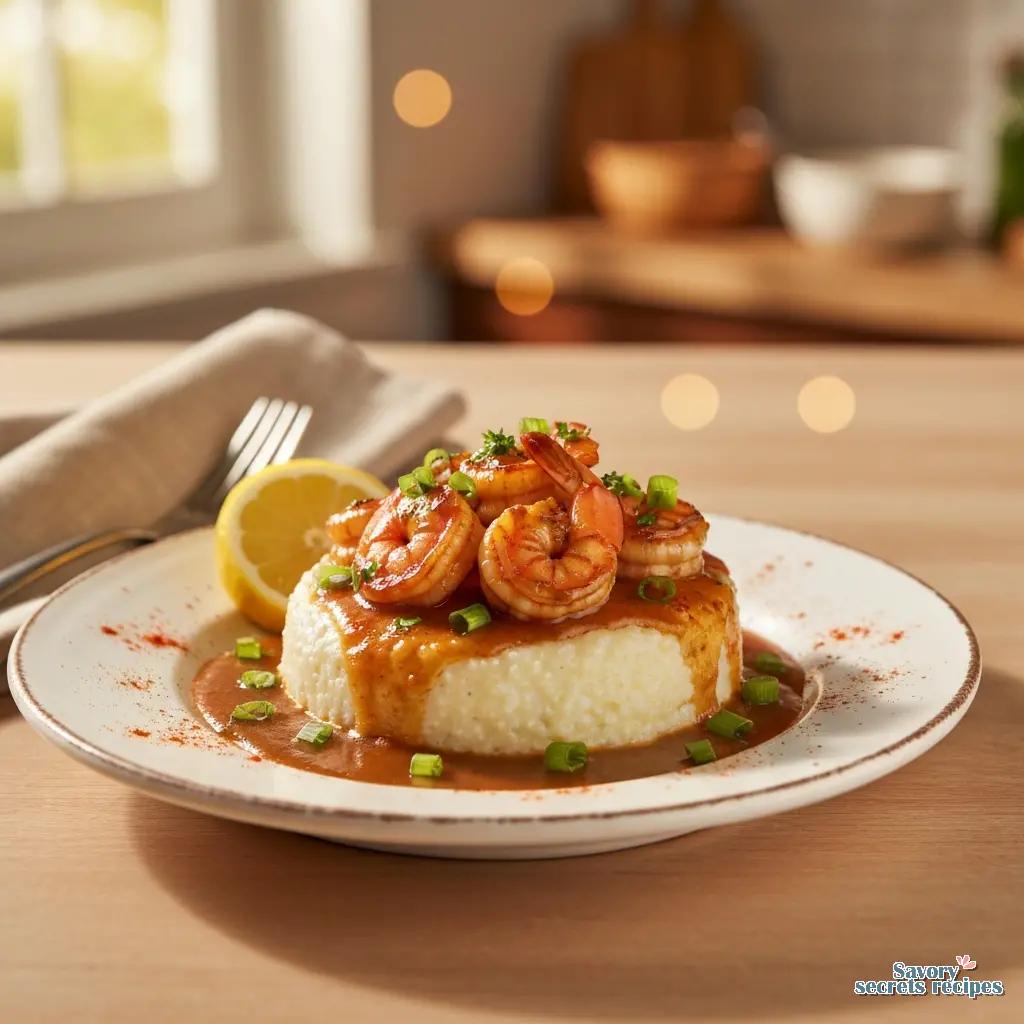
I love serving this charleston sc shrimp and grits recipe with a simple green salad dressed with a sharp vinaigrette. The acid cuts through the richness of the cheese and cream perfectly. Some garlicky green beans or collard greens are also classic sides that round out the meal beautifully.
When you take that first creamy, savory bite, I hope it transports you straight to the coast. It’s a recipe that feels like a celebration, even if it’s just a Tuesday night. For more inspiration, check out my Pinterest boards where I collect all my favorite comfort food ideas. I’d love to hear how your version turns out, so drop a comment below!
Reference: Original Source
Can I make charleston sc shrimp and grits recipe ahead of time?
You can prep the components, but don’t combine them. Make the grits and gravy a day ahead. Store them separately in the fridge. When you’re ready, reheat the grits with a splash of milk, warm the gravy, and cook fresh shrimp right before serving for the best texture.
What’s the difference between stone-ground and instant grits?
It’s all about processing. Stone-ground grits are whole corn kernels ground coarsely, retaining the germ and hull for rich corn flavor and texture. Instant grits are precooked and dehydrated, resulting in a mushier texture and less flavor. For this recipe, stone-ground is definitely worth the wait.
Can I use frozen shrimp for this recipe?
Absolutely. I use frozen wild-caught shrimp all the time. Just make sure to thaw them completely in the refrigerator overnight or under cold running water. Pat them very dry with paper towels before seasoning so they sear properly instead of steaming in the pan.
How do I thicken the gravy if it’s too thin?
If your gravy looks watery, let it simmer uncovered for a few more minutes to reduce. If it’s still stubborn, mix 1 teaspoon of cornstarch with 1 tablespoon of cold water and whisk it into the bubbling sauce. It should thicken up almost instantly.
How do I rescue lumpy grits?
Don’t panic! If vigorous whisking doesn’t work, you can use an immersion blender for a few seconds to smooth them out. Just be careful not to overdo it, or they can get gluey. Adding a splash of hot water or broth while whisking also helps break up clumps.
Do I have to use heavy cream?
Not necessarily, but it adds that signature richness. You can substitute half-and-half for a lighter version. I wouldn’t recommend using only milk, as it lacks the fat content needed for that velvety mouthfeel. A dollop of cream cheese or mascarpone is another great alternative for creaminess.