



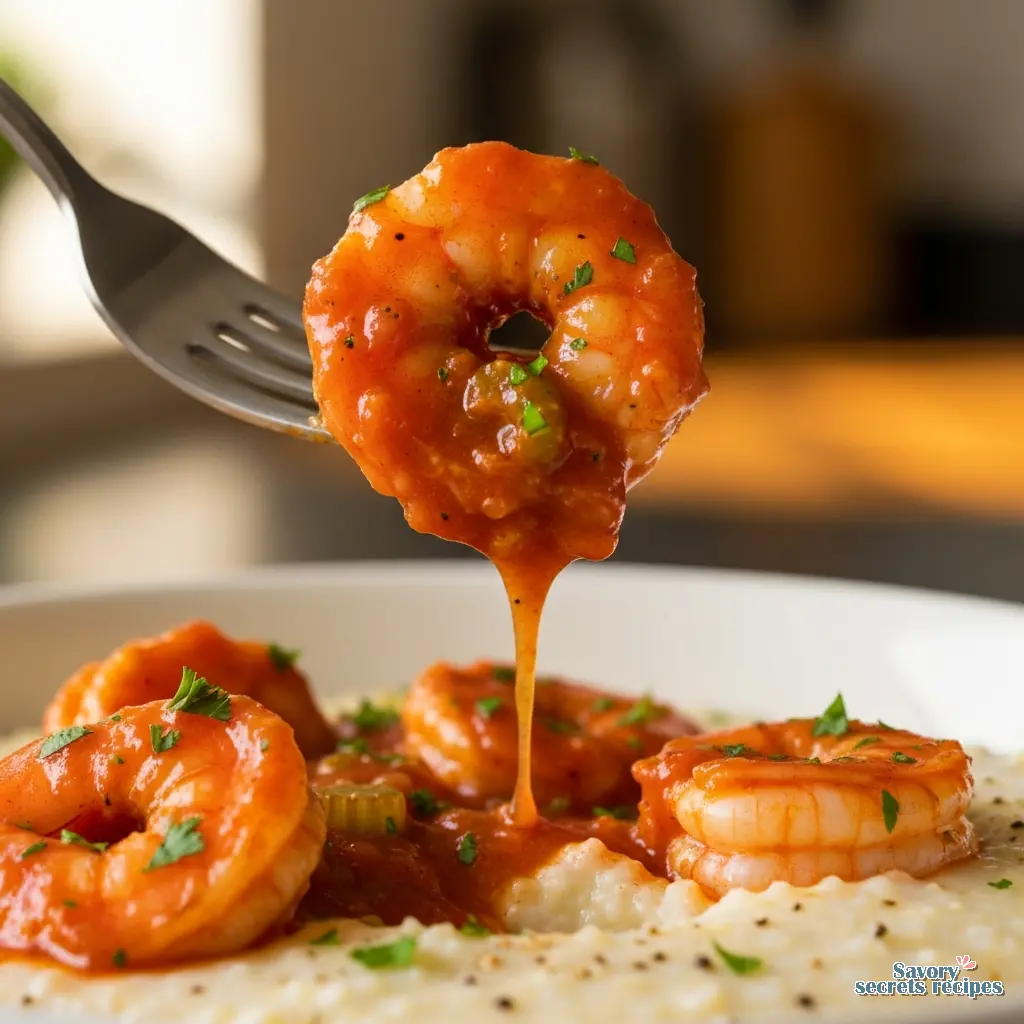
Classic Creole Shrimp and Grits Recipe
Ingredients
Method
- Peel the shrimp and reserve the shells; devein if desired. Bring the shells and water to a boil in a medium saucepan over medium-high heat. Reduce the heat to low and cook for 20 minutes. Strain the broth through a colander into a large bowl, pressing the shells with the back of a spoon to extract liquid, then discard the shells.
- Melt butter in a Dutch oven over medium heat. Stir in the flour and cook, stirring constantly, for 8 to 10 minutes until it turns caramel-colored. Add the onion, celery, green pepper, and garlic, and cook for 5 to 7 minutes until tender, stirring often. Stir in the Creole seasoning, lemon juice, and Worcestershire sauce. Mix in the tomato paste until the vegetables are evenly coated. Slowly add 2 cups of the shrimp broth, stirring constantly to create a thick sauce. Add the bay leaf, reduce the heat to low, and cook for 45 minutes, stirring occasionally. Add the shrimp and cook for 10 minutes, stirring in 1/4 to 1/2 cup of the remaining broth to reach the desired consistency.
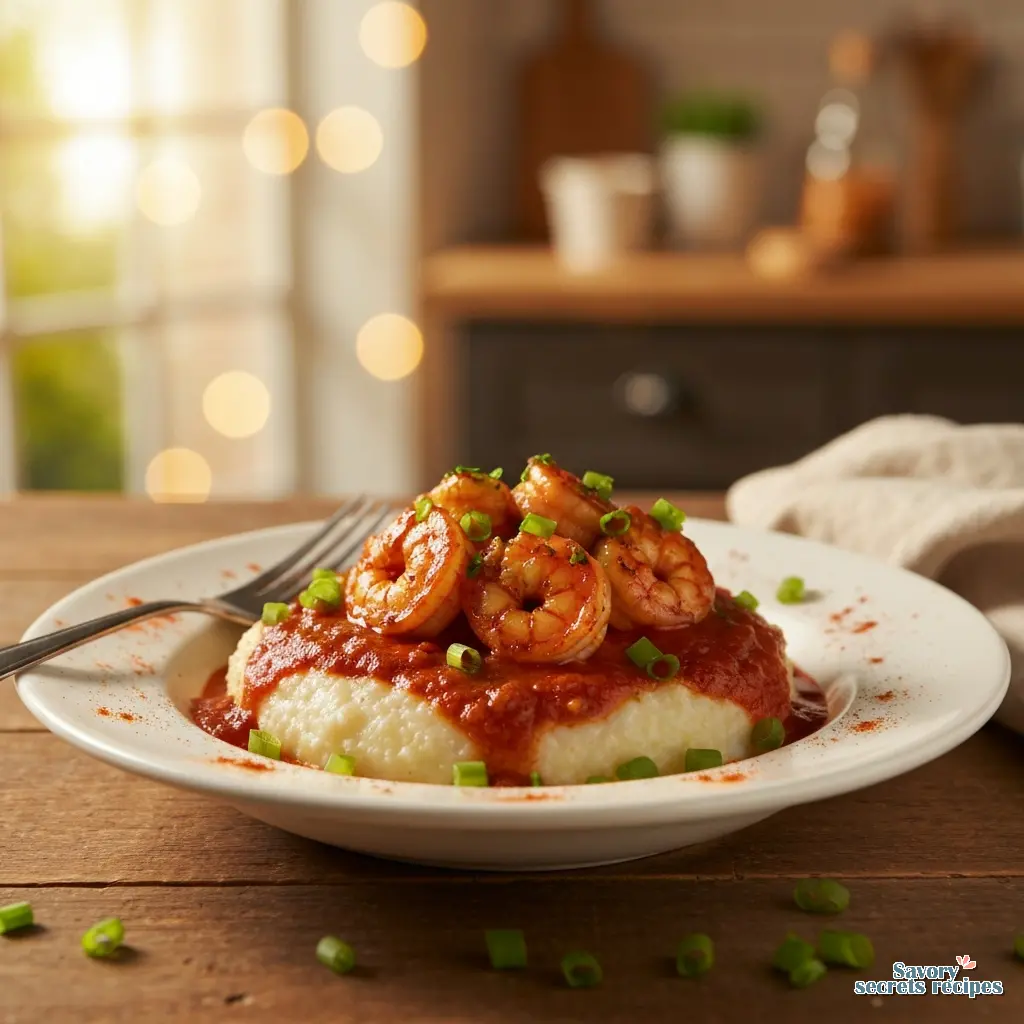
- Bring the milk, water, and salt to a boil in a saucepan over high heat. Gradually stir in the grits. Reduce the heat to low and simmer for 10 to 12 minutes, stirring occasionally, until thickened. Serve the Creole shrimp over the grits and garnish with chopped parsley if desired.
Nutrition
Notes
Why Most Grits Disappoint (And How We Fix It)
I remember sitting at the zinc bar at my uncle Marc’s bistro after service one Sunday. I was maybe twelve. He slid a bowl of what looked like white paste toward me. “Try it,” he said. It was bland, watery, and had this weird granular texture that just sat in your mouth. That was my introduction to bad grits. And honestly? That’s what most people think grits are. A flavorless filler that you have to drown in butter just to make palatable. But real creole grits? That is an entirely different conversation. For those who enjoy coastal variations, exploring a charleston shrimp and grits recipe offers a different take on this classic dish.
Here’s the thing about that. When you do this right, you aren’t making porridge. You are building a savory, complex foundation that can stand up to the boldest sauces Louisiana has to offer. We are talking about creamy, stone-ground corn simmered slowly with milk and heavy cream until it essentially becomes a savory pudding. Then we pair it with a creole sauce for shrimp and grits that packs enough acid and heat to cut right through that richness. It is a balancing act. Rich and bright. Smooth and textured. It reminds me of those Saturday mornings in the Italian Market here in Philly, where the smell of fresh ingredients wakes you up better than coffee. Let me show you how to make the kind of breakfast that makes people stop talking and just eat.
The ‘Holy Trinity’: The Backbone of Flavor
If you have ever cooked a French dish, you know about mirepoix onions, carrots, celery. In Creole and Cajun cooking, we swap the carrots for green bell peppers. We call this the Holy Trinity. It is the absolute non-negotiable base of this recipe. You cannot skip it. You cannot use red peppers because you want it to look “pretty.” The slightly bitter, grassy note of the green bell pepper is what makes it taste authentic.
I used to rush this step. I would throw the veggies in the pan, give them two minutes, and move on. My uncle would have measured my dice with a ruler and sent me back to the cutting board. He was right, though. You need to let these vegetables sweat and soften without browning too much initially. This usually takes about 8 to 10 minutes over medium heat. You want the onions to be translucent and the celery to lose its crunch. This releases the aromatics into the fat, creating a flavored oil that permeates the entire dish. If you rush this, you end up with crunchy veggies in a soft sauce. Not what we want.
Stone-Ground vs. Quick Grits: A Critical Distinction
Let’s talk about corn for a second. Most of what you see in the grocery store aisle is “quick” or “instant” grits. These have been processed, precooked, and dehydrated. They cook in five minutes, sure. But they have no soul. They lack that corn-forward flavor and the texture is always a bit uniform and sad.
For this creole grits recipe, I strongly recommend finding stone-ground grits. They are made from whole dried corn kernels that are ground between stones (literally). This leaves the germ intact, which means more flavor and a speckled, varied texture. It takes longer to cook usually 45 minutes to an hour but the difference is massive. It is like the difference between a baguette from a gas station and one from a bakery. If you absolutely must use quick grits because of time, fair enough. Just know you will need to watch the liquid ratios closely, as they absorb water differently. But for the real experience? Go stone-ground.
Mastering the Creole Sauce
People often ask me about the difference between Cajun and Creole food. The simplest answer? Tomatoes. Creole cuisine is city food (New Orleans), influenced by Spanish and French settlers who had access to canned tomatoes. Cajun food is country food, where tomatoes were less common. Since we are making a creole shrimp and grits recipe, we are using tomatoes. Specifically, tomato paste and sometimes crushed tomatoes to get that deep, brick-red color and umami punch.
The base of our sauce starts with a roux, but not a dark gumbo roux. We want a blonde or peanut-butter-colored roux. You cook the flour and butter together just until the raw flour smell is gone and it smells a bit nutty. This thickens the sauce without overpowering the shrimp. I like to bloom my spices cayenne, smoked paprika, thyme right in the hot fat before adding the liquids. This wakes up the oils in the spices. You will know it’s ready when the kitchen smells intense and peppery. This aromatic profile is very similar to what you would find in a classic nola shrimp and grits dish.
The Secret to Creamy Grits
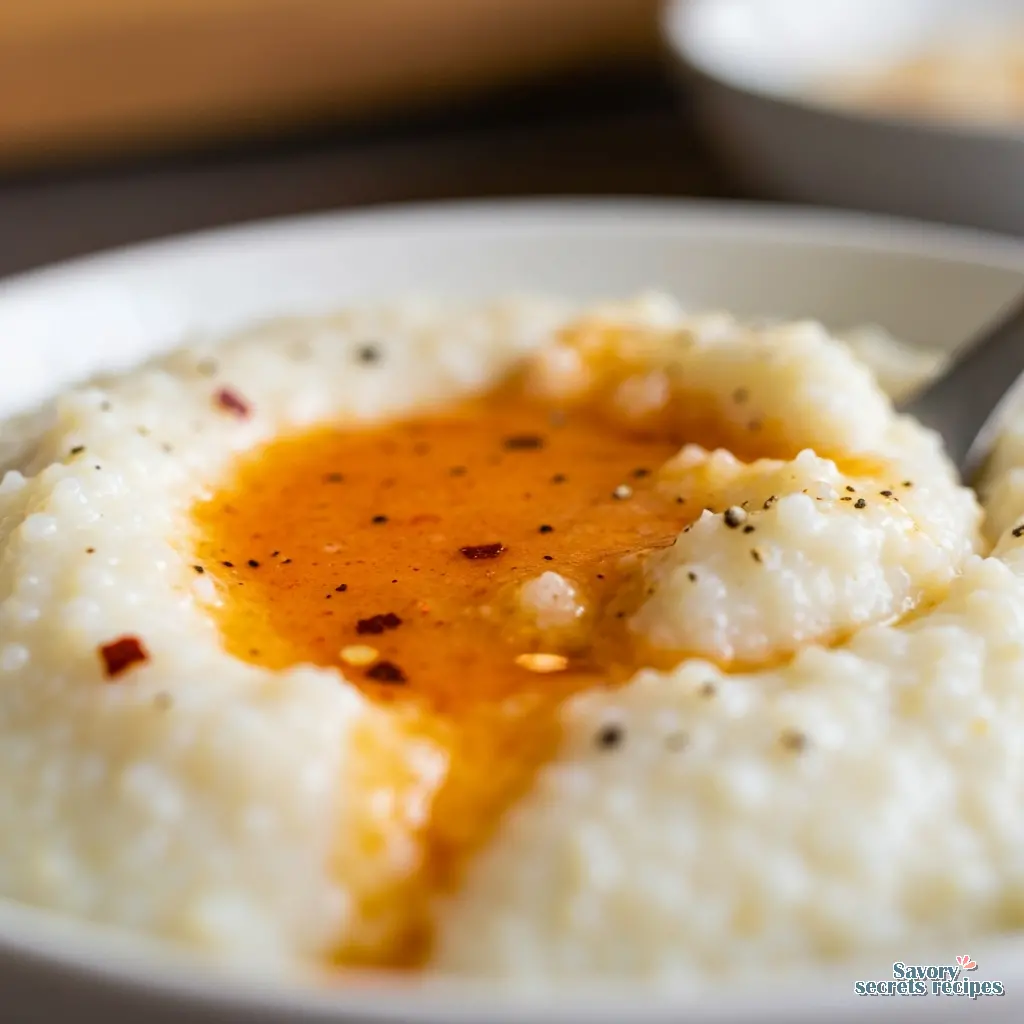
I used to make grits with just water. They were fine. Edible. But to get that restaurant-quality, velvety texture, you need dairy. I use a mix of water, milk, and heavy cream. The water hydrates the corn, while the fats in the milk and cream coat the starch granules, preventing them from getting gummy. It is a small change that makes a huge difference.
Another tip? Salt the water before you add the grits. If you try to salt them at the end, it just tastes like salty porridge. The corn needs to absorb the salt as it cooks. And when it comes to cheese, please, for the love of food, grate it yourself. Pre-shredded cheese is coated in potato starch or cellulose to keep it from clumping in the bag. That same coating prevents it from melting smoothly into your grits. You end up with a grainy texture instead of a smooth emulsion. Grab a block of sharp cheddar and a box grater. It takes two minutes. Worth it.
Troubleshooting: Avoiding the ‘Grit Brick’
This is where most people run into trouble. Grits thicken as they sit. Rapidly. You take them off the stove, they look perfect. You plate the shrimp, turn around, and your grits have turned into a solid block of concrete. That tracks. It is just the nature of corn starch.
The fix is simple: keep them looser than you think they need to be. When you pull them off the heat, they should be a little runny. They will firm up on the plate. If they get too thick while you are finishing the shrimp, just whisk in a splash of warm milk or water. Don’t be afraid to adjust the consistency right up until the moment you serve. I always keep a small saucepan of warm milk on the back burner just for this. It saves me the panic of serving a solid disc of corn to guests.
Common Mistakes & How to Fix Them
Troubleshooting Your Creole Grits
Mistake: The sauce is thin and watery.
Solution: You likely didn’t cook the roux long enough or added too much liquid too fast. Let it simmer uncovered for another 10 minutes. The liquid will reduce and the flavors will concentrate.
Mistake: The grits are lumpy.
Solution: This happens when you dump the grits in all at once. Whisk the water vigorously while slowly sprinkling the grits in like rain. If lumps form, you can whisk them out if you catch them early.
Mistake: The shrimp are rubbery.
Solution: Shrimp cook in seconds, literally. Add them at the very last minute. As soon as they turn pink and curl into a ‘C’ shape, pull the pan off the heat. The residual heat will finish them.
Frequently Asked Questions
Storage & Reheating: The Next Day Strategy
I will be honest with you: shrimp and grits is a “eat it now” kind of meal. The shrimp get tough when reheated, and the grits turn into a brick. But if you have leftovers, do not throw them away. Store the shrimp and sauce in one container and the grits in a separate one. This is crucial. If you mix them, the grits will absorb all the sauce and turn into a mushy mess by morning.
To reheat the grits, put them in a saucepan with a splash of milk. Break up the lumps with a whisk as they warm up. You might need more liquid than you think to get that creamy texture back. For the shrimp and sauce, warm them gently in a skillet over low heat just until they are hot. Don’t microwave the shrimp if you can avoid it; they will turn into rubber bullets in about thirty seconds. Trust me on this one.
Final Thoughts
When you take that first bite the snap of the shrimp, the heat of the cayenne, the cooling richness of the corn you will understand why this dish has survived for generations. It is comfort food, but it is not lazy food. It requires a little attention, a little patience, and a lot of respect for the ingredients. But when you put that bowl down in front of your family on a cold Sunday morning? Totally worth it.
Give this creole shrimp and grits recipe a shot this weekend. It might just change your mind about what grits can be. And hey, if you make it, let me know how it went. I’d love to see your take on it.
For more inspiration, check out my Pinterest boards where I collect all my favorite comfort food ideas.
Reference: Original Source