



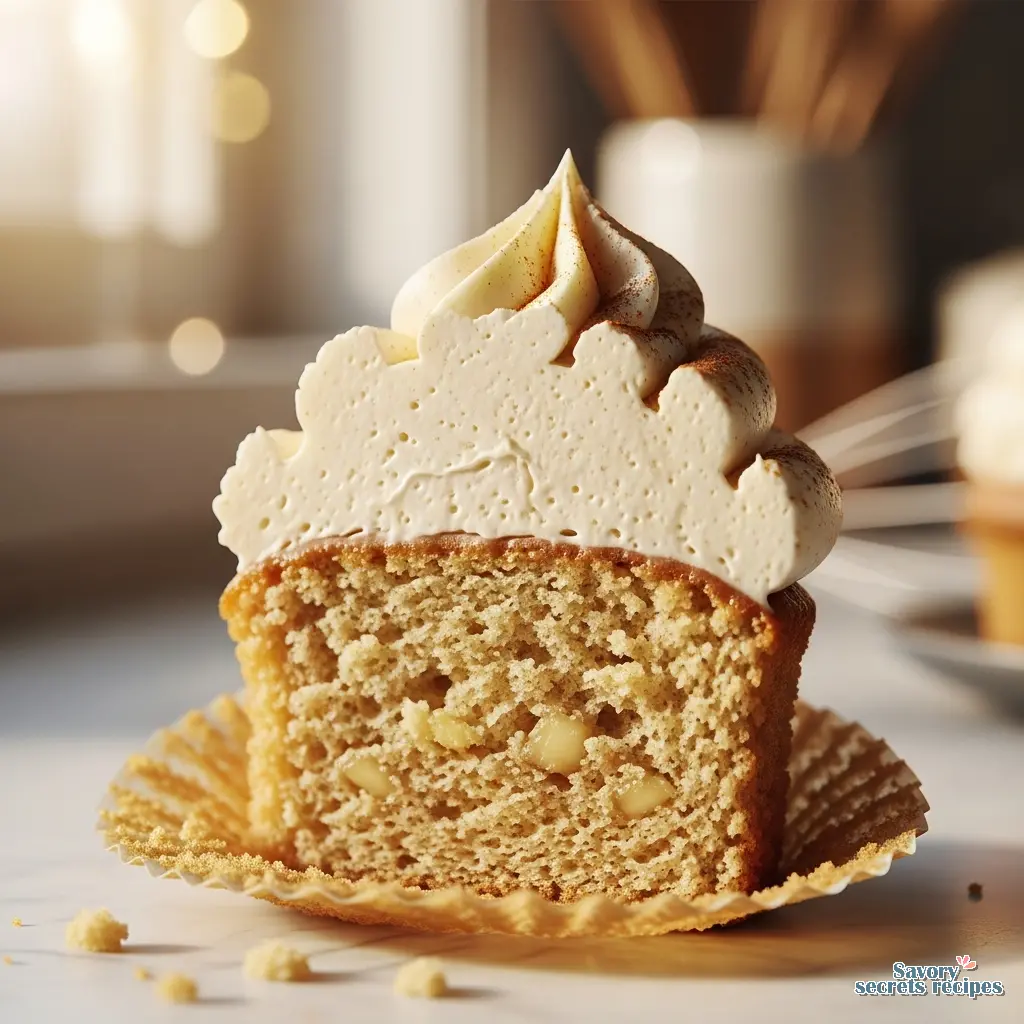
Stable Banana Frosting for Cupcakes
Ingredients
Method
- Combine the banana and lemon juice.
- Cream the butter with 1 cup of powdered sugar, then incorporate the banana and enough remaining sugar to achieve a thick, spreadable consistency.
Nutrition
Notes
The Science of the Lonely Brown Banana
We have all been there. You look at the counter and see that one singular brown banana. It is too mushy to eat out of hand, but maybe not enough for a full loaf of bread. In my house in Edison, this usually happens on a Thursday, right before the weekend grocery run to Ralphs. My daughter calls it the “sad banana,” but as a scientist, I see it differently. That brown skin indicates that the starch has fully converted into sugar, and the cellular structure is breaking down. That is not waste. That is concentrated flavor waiting to happen. Making a stable **banana frosting for cupcakes** is actually a bit of a chemistry challenge. You are trying to introduce a water-heavy ingredient (fruit puree) into a fat-heavy emulsion (butter and cream cheese) without breaking the structure. If you just mash a banana and throw it into buttercream, you will end up with a curdled, runny mess that slides right off the cake. I have done it. It is heartbreaking. But when you get the ratios right, and specifically when you control the oxidation, you get something incredible. It tastes like the best part of banana bread but with the texture of a cloud. It is creamy, distinctly fruity, and holds a swirl perfectly.Why Ripeness Is Non-Negotiable
Let’s talk about enzymatic browning. When a banana ripens, the enzyme amylase breaks down starch into glucose and fructose. A yellow banana is about 1% sugar. A fully brown, spotted banana can be upwards of 20% sugar. For this **banana frosting for cupcakes**, you need that high sugar content for two reasons. First, natural sweetness means we can use slightly less powdered sugar, which prevents the frosting from becoming cloyingly sweet. Second, the texture of a ripe banana is softer and easier to emulsify. If you try this with a yellow banana, you will have hard lumps in your piping bag that will clog the tip. I prefer bananas that are almost entirely brown. If you are squeamish about the mushiness, just remember: the uglier the fruit, the better the frosting.The Temperature Variable: Why It Matters
I cannot stress this enough. Your butter and cream cheese must be at room temperature. In my lab days, we measured everything to the degree, but in your kitchen, you can use the “poke test.” If you press the butter and it leaves an indent but doesn’t lose its shape, it is ready. Here is the science of it. We are creating an emulsion. We want the fat molecules in the butter and cream cheese to trap air bubbles. Cold fat is too hard to trap air; melted fat cannot hold the structure. If your ingredients are cold, you will get lumps. If they are melted, you will get soup. I learned this the hard way when I tried to rush a batch for my daughter’s school event. I microwaved the cream cheese. Bad idea. The frosting was runny and never set up properly. Now, I just take the butter out the night before. If you are in a rush, cut the butter into small cubes and let them sit on the counter for 30 minutes. It works much better than the microwave.Preventing the “Grey” Frosting: Oxidation
This is where the biochemistry comes in. Bananas contain an enzyme called polyphenol oxidase. When exposed to oxygen, it turns the fruit brown or grey. While we want brown bananas for flavor, we do not want grey frosting. It looks unappealing, frankly. The solution is acid. Ascorbic acid (Vitamin C) and citric acid lower the pH on the surface of the banana, which inhibits the enzyme. I use fresh lemon juice. You mash the banana *with* the lemon juice immediately. Do not mash the banana and then hunt for a lemon. Have the juice ready.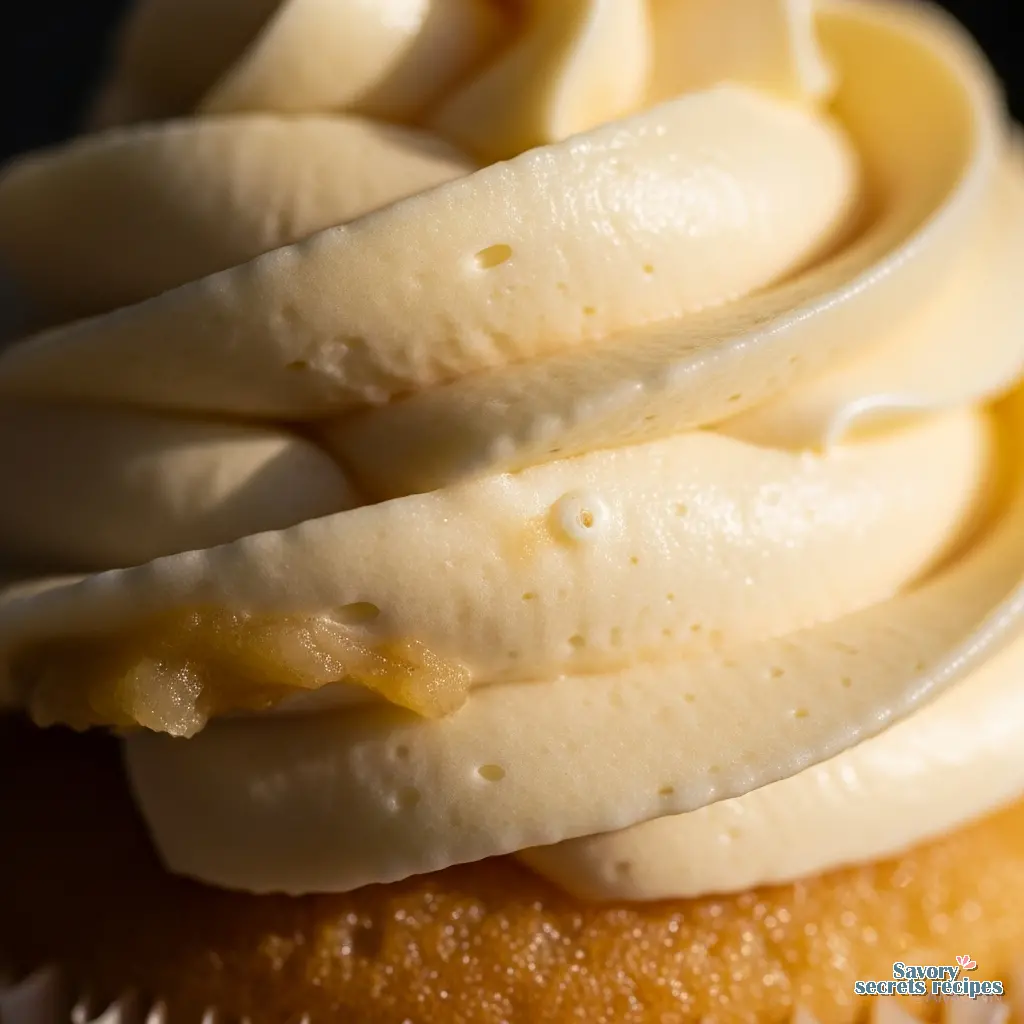
The Stabilizer Debate: Sugar vs. Cornstarch
A common complaint with fruit-based frostings is that they weep or separate. The fruit adds water, and water is the enemy of buttercream. To counteract this, we need stabilizers. Most recipes just add more powdered sugar. This works to absorb the moisture, but it makes the frosting tooth-achingly sweet. I prefer a different approach. I use a high ratio of cream cheese to butter, and I rely on the pectin in the banana itself to help bind it. However, if you are in a very warm kitchen (like my aunt’s house in Los Angeles during a heatwave), you might need extra help. You can add a teaspoon of cornstarch to the powdered sugar. It absorbs moisture without adding sweetness. It is a trick I use when I know the cupcakes will be sitting out for a few hours.Mashing Technique for Smooth Piping
If you want to pipe this **banana frosting for cupcakes**, you cannot have chunks. Chunks clog piping tips. It is physics. I use my electric mixer to mash the bananas. It sounds aggressive, but it works. Put the banana chunks in the bowl and beat them until they are liquid. Then add your fats. This breaks down the fibers more effectively than a fork ever could. My nani used to mash fruit with her hands, feeling for the lumps, but I think even she would appreciate the efficiency of a KitchenAid here. If you are really particular about a smooth finish, you can push the mashed banana through a fine-mesh sieve. I honestly rarely do this unless I am baking for a formal event. For family cupcakes, a few tiny banana specks are fine. They show it is homemade.Troubleshooting: The Rescue Method
So, you made the frosting, and it is soupy. Maybe the butter was too warm, or the banana was too big. Don’t panic. We have all been there. Do not just keep adding sugar. That ruins the flavor. Instead, put the whole bowl in the refrigerator for 20 minutes. This chills the fat and helps it set. Then, whip it again on high speed. Often, that temperature drop is all you need to bring the emulsion back together. If it is still runny, you can add a tablespoon of meringue powder or that cornstarch trick I mentioned earlier. But usually, the fridge is the answer. It is simple thermodynamics.Variations and Substitutions
Cooking is about adaptation. Here are a few ways to tweak the recipe based on what you have or what you like: * **Cinnamon Spice:** Add 1/2 teaspoon of ground cinnamon and a pinch of nutmeg. This makes it taste exactly like banana bread batter. * **Peanut Butter:** Swirl in 2 tablespoons of creamy peanut butter at the very end. Banana and peanut butter is a classic combination for a reason. * **Chocolate:** Sift in 2 tablespoons of cocoa powder with the sugar. It changes the color, obviously, but the flavor is deep and complex. For substitutions, you can use salted butter if that is all you have. Just skip the pinch of salt in the recipe. I actually prefer salted butter sometimes; it cuts through the sweetness nicely.Storage and Serving
Because this frosting contains fresh fruit and cream cheese, it cannot sit out on the counter for days like a standard American buttercream. It needs to be refrigerated. You can store it in an airtight container in the fridge for up to 3 days. When you are ready to use it, bring it to room temperature and whip it briefly to restore the texture. If you frost the cupcakes ahead of time, keep them in the fridge, but take them out about 30 minutes before serving. Nobody likes cold, hard buttercream.
Frequently Asked Questions
Final Thoughts
There is something deeply satisfying about taking an ingredient that was destined for the bin and turning it into the highlight of the dessert. This **banana frosting for cupcakes** is one of those recipes that feels like a magic trick. It is simple, scientifically sound, and honestly, it just tastes like home. Your kitchen is about to smell incredible get those cupcakes ready. And if you try this, I would love to see how it turned out. For more inspiration, check out my Pinterest boards where I save all my favorite fruit-based baking experiments.Reference: Original Source
Can I use frozen bananas for this frosting?
You can, but you must thaw them completely first. Frozen bananas release a lot of liquid when thawed. Drain that liquid off before mashing, or your banana frosting for cupcakes will be too runny to pipe. I prefer fresh for the texture, but frozen works in a pinch.
Can I add cornstarch to thicken the frosting?
Yes, absolutely. It is a great stabilizer. If your frosting feels too loose, sift in 1-2 teaspoons of cornstarch with the powdered sugar. It absorbs excess moisture from the fruit without making the frosting overly sweet. It’s a handy trick in humid weather.
Can this frosting be used under fondant?
I would not recommend it. The moisture content from the fresh bananas makes it less stable than a standard ganache or crusting buttercream. It might cause the fondant to dissolve or slide. This frosting is best as the star of the show, swirled right on top.
How do I prevent runny frosting?
Temperature control is key. Ensure your butter is room temperature, not melted. Also, do not over-mash the bananas into a liquid soup unless you are compensating with more sugar. If it gets runny, chill it in the fridge for 20 minutes to firm up the fats.
What is the best way to mash bananas?
For frosting, you want it smooth. I use an electric hand mixer to beat the bananas before adding the butter. It breaks down the fibers better than a fork. If you want it perfectly smooth for a small piping tip, press the mash through a fine-mesh sieve.