



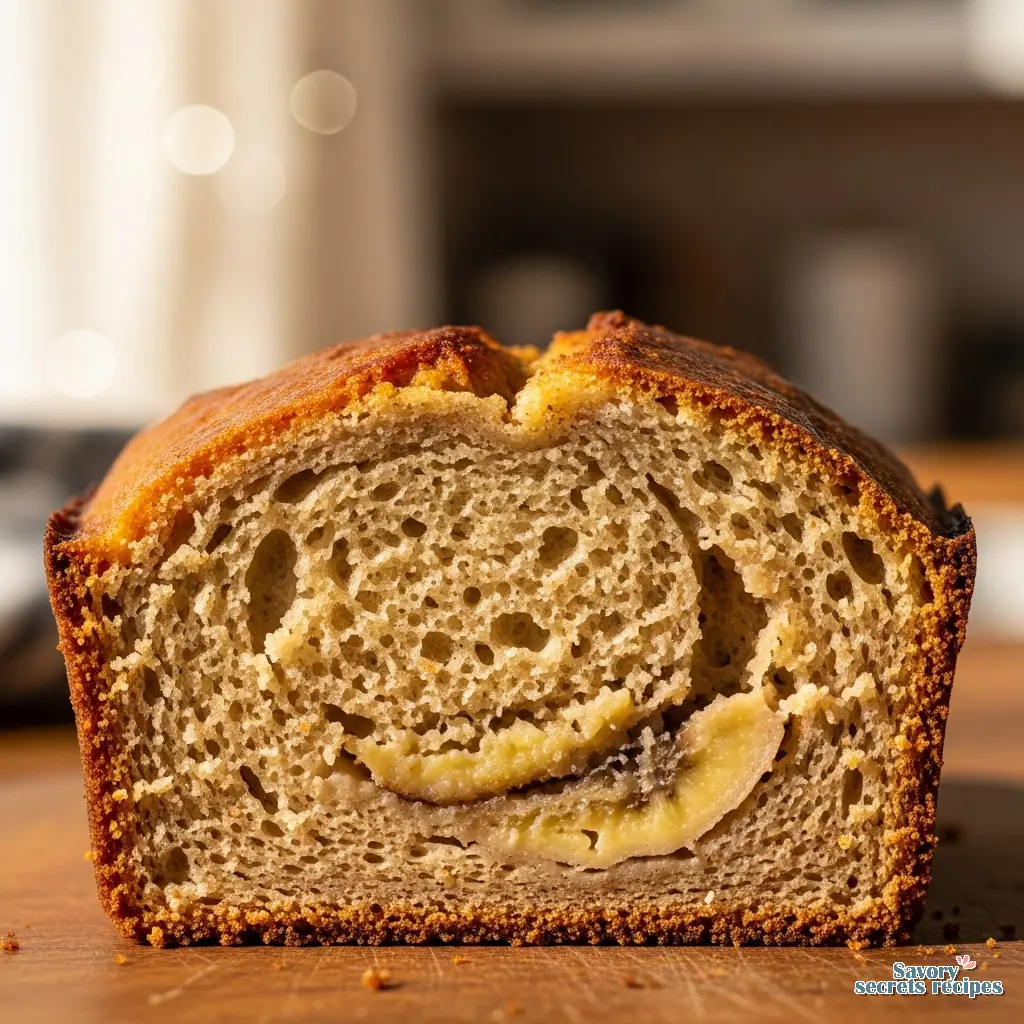
Easy Banana Bread Recipe with Baking Powder
Ingredients
Method
- Preheat the oven to 350°F. Coat an 8x4-inch loaf pan with nonstick spray and line it with parchment paper, ensuring the paper overhangs on all sides for easy removal.
- Peel and break the bananas into a large mixing bowl, then mash them with a fork until nearly liquefied or puree them in a food processor.
- Add the eggs to the mashed bananas and whisk until thoroughly blended.
- Whisk in the brown sugar, then stir in the self-rising flour until just combined, stopping as soon as no dry streaks remain to avoid overmixing.
- Pour the batter into the prepared pan and bake for 55-60 minutes, or until a toothpick inserted into the center comes out clean without wet batter.
- Cool the bread completely in the pan before lifting it out by the parchment paper to slice and serve.
Nutrition
Notes
- If you cannot find self-rising flour, make your own: For every cup of all-purpose flour, add 2 teaspoons baking powder and whisk well to combine. For this recipe, you would need 1 ½ cups of all-purpose flour plus 3 teaspoons of baking powder.
- If you will not be serving the banana bread right away, wrap the bread tightly in plastic wrap while it's still slightly warm to retain moisture
- To store, wrap leftover banana bread with plastic wrap and store at room temperature for up to 3–4 days, or in the refrigerator for up to a week
- Baked banana bread can be frozen for up to 3 months. Thaw overnight in the refrigerator and bring to room temperature before serving
- Optional: For extra flavor, add 2 teaspoons vanilla extract with the eggs
- For banana nut bread, add 1 cup chopped walnuts or pecans to the batter before pouring into the prepared pan
- For chocolate chip banana bread, add 1 cup semi-sweet chocolate chips to the batter after it is mixed up
Saving the Bake: No Baking Soda, No Problem
Let’s be clear about this. There is a specific kind of panic that sets in when you have three spotty, overripe bananas mashed in a bowl, the oven preheating to 350°F, and you realize the orange box of baking soda is empty. Or worse, it expired in 2019. I have been there. Standing in my kitchen, staring at the empty shelf, wondering if I can just skip it.
Don’t panic. And please, do not just skip the leavening. We’re not guessing on this one. You can absolutely make a stunning, tall, moist loaf without baking soda. In fact, this banana bread recipe no baking soda might just become your standard. Why? Because baking powder is actually more forgiving and often results in a lighter, fluffier crumb that doesn’t have that metallic soapiness soda sometimes leaves behind.
My grandmother Zoya, who taught me to bake in her tiny kitchen, used to say that baking is just chemistry you can eat. She was right. We are simply swapping one chemical reaction for another. In this chilly California winter weather, when the house feels damp and you just want something warm and comforting, this recipe is your safety net. It works. It rises. And honestly? Most people can’t even tell the difference.
The Science: Why This Swap Works
I need you to understand why we are doing this so you can do it with confidence. Baking soda (sodium bicarbonate) needs an acid to activate. That is usually the brown sugar or the bananas themselves. It creates bubbles immediately. Baking powder, however, is a complete package. It contains the base (bicarbonate) and the acid (usually cream of tartar) mixed with a drying agent like cornstarch.
Here is the rule I live by: The 3:1 Ratio.
If a recipe calls for 1 teaspoon of baking soda, you need 3 teaspoons of baking powder to get the same lift. It seems like a lot. I know. You might hesitate holding that measuring spoon. Trust me on this. Baking soda is three to four times stronger than powder, so we need that volume to get the lift. If you use less, you will end up with a dense, sad brick. If you use too much, it will taste bitter. Stick to the ratio.
Also, baking powder is “double-acting.” This means it creates bubbles once when it gets wet (in the bowl) and again when it gets hot (in the oven). This gives you a little more grace period if the phone rings or the kids need something right after you mix the batter. Zoya would have appreciated that buffer.
Ingredient Precision: The Foundation
Since we are changing the chemical engine of this recipe, the other ingredients need to be on point. If it doesn’t look right, it isn’t right.
The Bananas Matter
You want bananas that look like they belong in the compost. I am talking black, spotty, soft, and ugly. If they are yellow with a little green at the stem, put them down. They don’t have enough sugar yet. The sugar in the fruit helps with moisture retention, which is critical when we are playing with leavening agents.
The 15-Minute Flash Ripen:
If your bananas are yellow and you are desperate, here is a trick. Put them on a baking sheet (skins on) and roast them at 300°F for about 15 to 20 minutes until they turn black. Let them cool completely before peeling. It’s not exactly the same as natural ripening, but it gets the sugars flowing. I’ve done this for photoshoots more times than I care to admit.
Sugar Selection
I prefer brown sugar here. The molasses in brown sugar adds moisture and acidity. Even though baking powder has its own acid, a little extra insurance from the brown sugar helps the texture remain tender. White sugar dries things out. If you only have white sugar, you can use it, but add a teaspoon of molasses if you have it hiding in the pantry. A traditional banana nut bread with brown sugar is often used as the foundation for this type of leavening substitution to ensure a tender crumb.
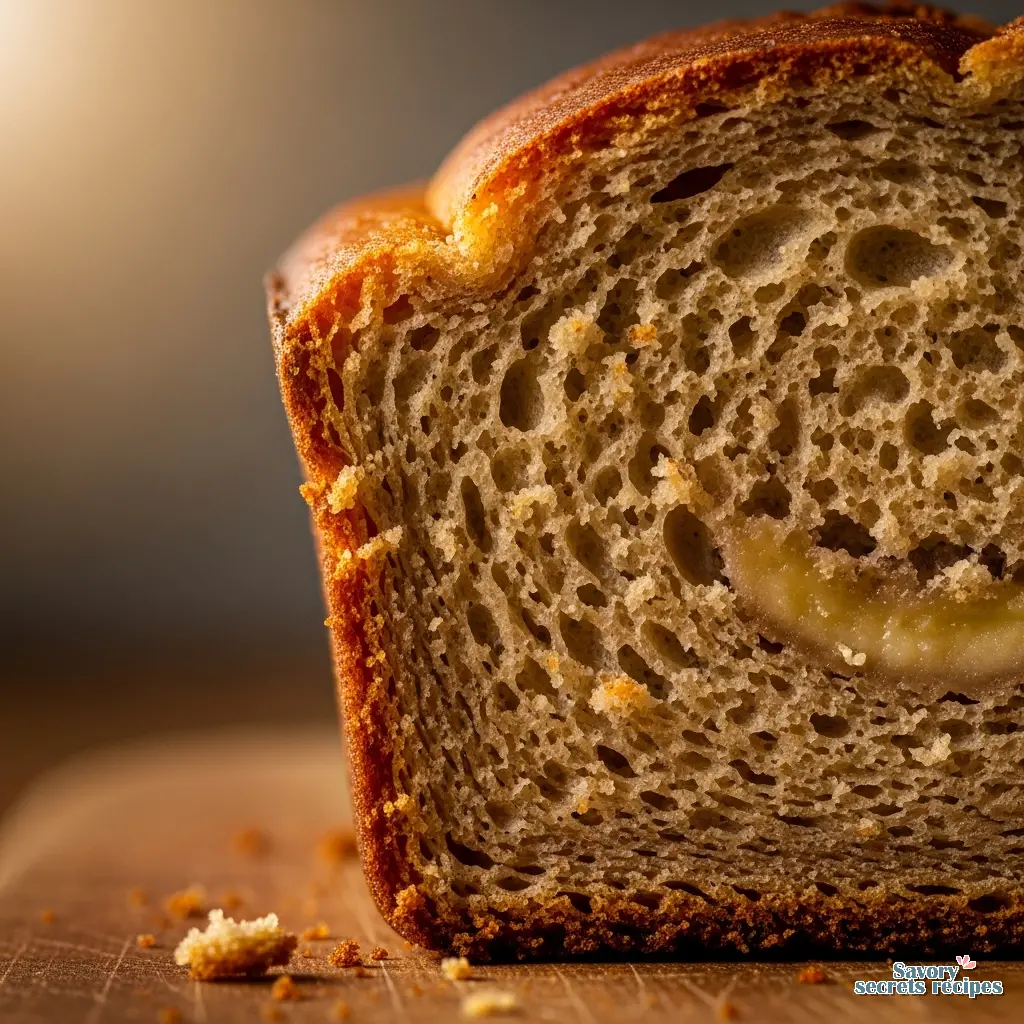
Technique: Fold, Don’t Stir
This is where most people fail with banana bread recipe no baking soda. When you use baking soda, the reaction is violent and immediate. With baking powder, the bubbles are a bit more delicate initially. If you beat the batter like you are making a cake, you will pop those bubbles and develop gluten.
Gluten is great for pizza. It is the enemy of banana bread. We want tender, not chewy.
The Method:
Mix your wet ingredients thoroughly. Beat the eggs, sugar, and butter until they are actually combined. Then, sift your dry ingredients (flour, baking powder, salt) right over the wet bowl. Switch to a spatula. Fold gently. Scrape the bottom, fold over. Do this only until you stop seeing streaks of flour. If there are a few tiny lumps, leave them. They will bake out. Overmixing leads to that rubbery texture we are trying to avoid. Alternatively, a banana bread recipe with oil and milk can be used if you prefer a different fat source for your batter.
Visual Cues: How to Tell It’s Done
Baking soda promotes browning. Since we aren’t using it, this loaf might look a little lighter in color than you are used to. Do not keep baking it just because it isn’t dark mahogany brown yet. You will dry it out.
The Hollow Tap Test:
The toothpick test is fine, but I prefer the tap. Take the loaf out of the oven. Carefully tap the top center. It should feel firm, not squishy. If you are brave (and have asbestos fingers like Zoya did), tap the bottom of the pan. It should sound slightly hollow. That sound is steam and structure holding hands.
Temperature matters here. If you have an instant-read thermometer, the center should register around 200°F to 205°F. That is the scientific way to know you are done without guessing.
Troubleshooting Common Issues
I want you to succeed, so let’s look at what might go wrong before it happens.
Mistake & Fixes
Mistake: The bread is dense and heavy.
Solution: You likely overmixed the batter or your baking powder is old. Check the expiration date. Also, try separating the eggs next time. Whip the whites to soft peaks and fold them in at the end for mechanical lift.
Mistake: The center sinks.
Solution: The oven door was opened too early. Every time you open that door, you lose heat and the structure collapses before it sets. Keep it closed until the last 5 minutes of baking.
Mistake: It tastes metallic.
Solution: You used too much baking powder. Stick to the ratio. If you are sensitive to that taste, look for aluminum-free baking powder at the store (Trader Joe’s has a good one).
Storage, Freezing, and Reheating
Because this version relies on baking powder, it can dry out slightly faster than soda-based breads if left uncovered. The air in our Los Angeles apartments tends to be dry, so storage is key.
Room Temperature:
Wrap the completely cooled loaf tightly in plastic wrap. I mean tightly. Leave it on the counter for up to 3 days. The flavors actually meld better on day two.
Freezing:
Slice the loaf first. Wrap individual slices in plastic wrap, then place them in a zip-top freezer bag. This way, you can pull out one slice for breakfast without thawing the whole block. It lasts for 3 months easily.
Reheating:
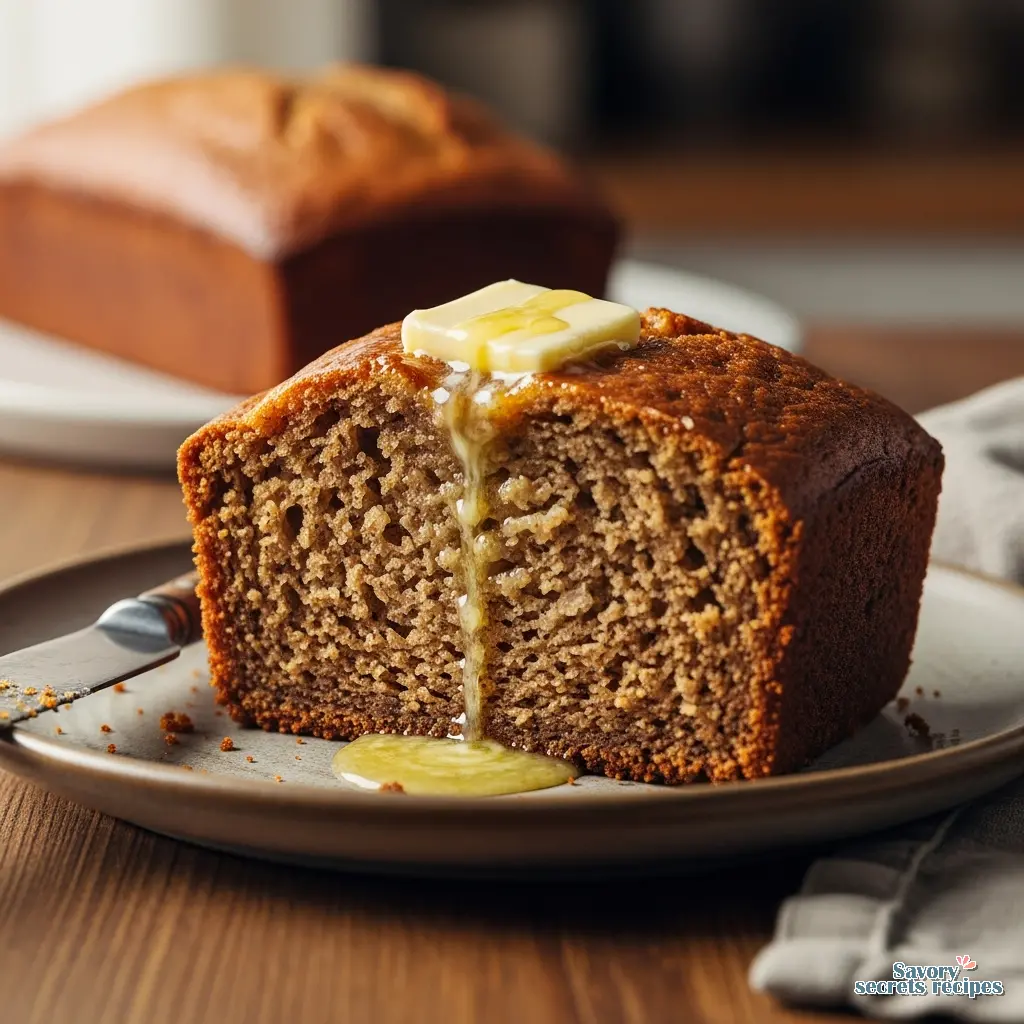
Do not microwave it for more than 15 seconds. It will become rubber. My favorite way? Toaster oven. Put a slice in for 2-3 minutes until the edges are crisp but the center is warm. Slather with salted butter. It tastes freshly baked.
Frequently Asked Questions
Final Thoughts
There is something incredibly empowering about realizing you don’t need a perfectly stocked pantry to make something beautiful. This banana bread recipe no baking soda isn’t just a backup plan; it is a valid, delicious technique in its own right. Next time you are out of soda, you won’t even blink. You’ll just reach for the powder and get baking.
I’d love to see how yours turns out. Did you get that nice dome? Did you add walnuts? For more inspiration on baking hacks and cozy recipes, check out my Pinterest boards where I collect all my favorite kitchen experiments.
Reference: Original Source
Can I make banana bread recipe no baking soda ahead of time?
Absolutely. In fact, I prefer it. Making this banana bread recipe no baking soda a day in advance allows the moisture to redistribute, softening the crust and deepening the banana flavor. Just wrap it airtight once cool.
What does baking soda do in banana bread?
Baking soda reacts with the acid in bananas and brown sugar to create carbon dioxide bubbles, which makes the bread rise. It also encourages browning. Without it, we use baking powder to provide that lift mechanically and chemically.
What is a baking soda substitute for banana bread?
The best substitute is baking powder. Use 3 teaspoons of baking powder for every 1 teaspoon of baking soda called for. If you have self-rising flour, you can use that too, but omit the salt and baking powder entirely.
What add-ins can I add to banana bread?
I love adding texture. Walnuts or pecans (about 1/2 cup) are classic. Chocolate chips work well too. Just toss them in a tablespoon of flour before mixing so they don’t sink to the bottom of the loaf.
Why is my banana bread without baking soda so dense?
It’s usually overmixing. Developing gluten makes quick breads tough. Or, your baking powder might be expired. It loses potency over time. Always check the date on the bottom of the can before you start.