



Fresh Spring Garden Vegetable Pasta Recipe
Ingredients
Method
- Bring a large pot of salted water to a boil. Cook the pasta according to package directions until al dente. Reserve 3/4 cup of the starchy pasta water before draining, then set the pasta aside.
Nutrition
Notes
The Cure for Winter Food Fatigue
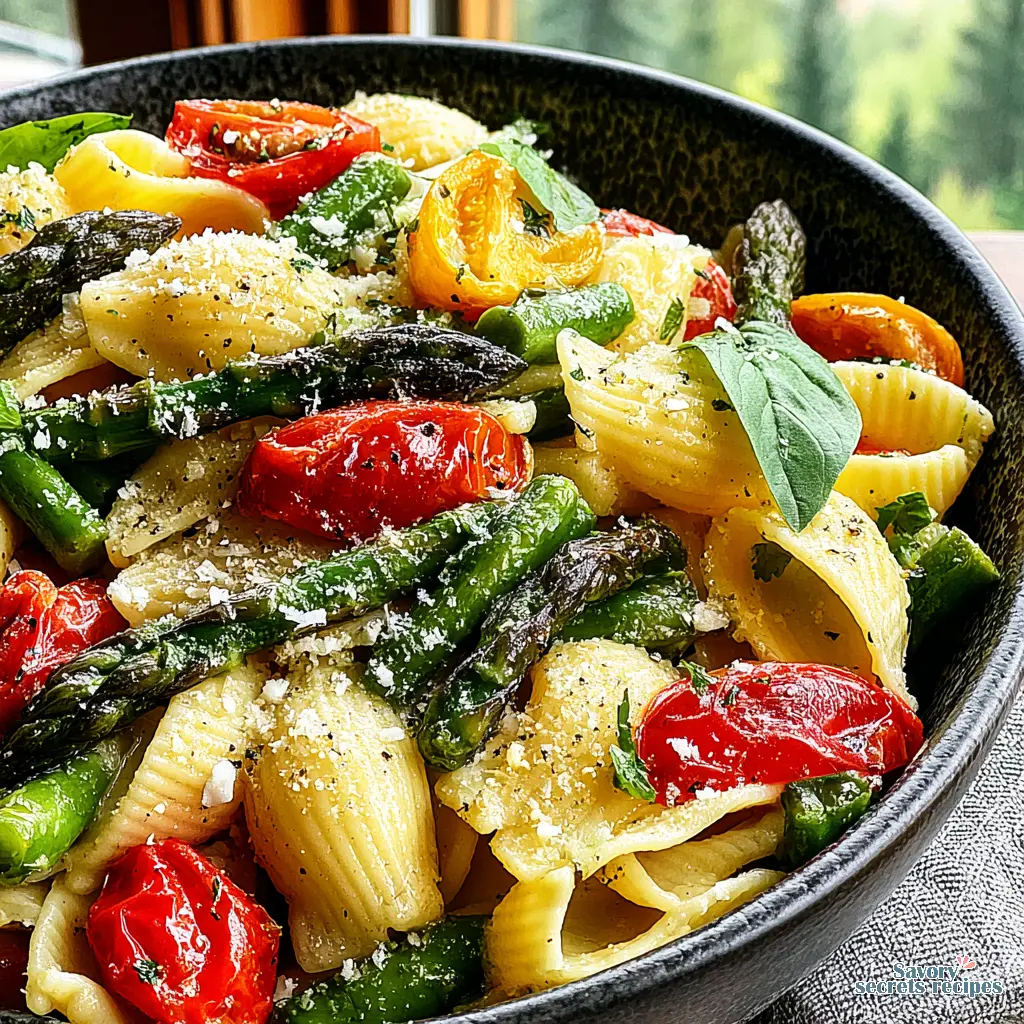
I think we’re all feeling that winter fatigue right about now. Honestly, I’m so tired of heavy stews and roasted root vegetables. I mean, they’re great in December, but by March? I’m entirely over them. The mild California breeze is finally shifting, and the afternoon light is changing. That shift is my cooking catalyst. Walking through the Santa Monica Farmers Market and seeing those first vibrant green asparagus spears is a massive relief. It means it’s time for spring garden vegetable pasta.
I love this dish. It’s so good. When you’re craving something bright and clean, this spring garden vegetable pasta is the starting gun for the new season. It looks fancy, but it’s actually incredibly simple. You don’t need to spend hours at the stove. We’re just chopping, boiling, and tossing. You’ve got this.
The History Behind Spring Garden Vegetable Pasta
You know, the original pasta primavera wasn’t actually born in Italy. It’s a surprisingly American invention from the 1970s. But we’re taking that retro concept and making it fresh. A truly great spring garden vegetable pasta relies on technique, not just a heavy, gloopy cream sauce. The goal is to celebrate the produce. We want the vegetables to shine, not drown.
Essential Spring Vegetable Guide
Let’s talk about the greens. You’ll want a mix of textures. Asparagus spears, sweet peas, and zucchini ribbons are my absolute favorites. Snap peas add an amazing crunch. If you can find fresh ramps or leeks, grab them immediately. I encourage you to eyeball the vegetable ratios based on what looks best at your local store. Don’t stress about exact measurements here.
If you don’t have fresh peas, frozen peas work perfectly fine. I use them all the time. Just run them under warm water in a colander for a few seconds. The beauty of a spring garden vegetable pasta is that it adapts to whatever you have in your crisper drawer. Peeling and chopping vegetables can get a bit messy on your cutting board, but that’s just part of the fun.
The Secret to Vibrant Green Vegetables
Here is what I wish someone had told me years ago. Blanching vegetables is non-negotiable for a perfect spring garden vegetable pasta. You want to drop your greens into boiling water for just a minute or two, then immediately shock them in an ice bath. They’ll snap when you bite them. Perfect.
And here is a massive tip. Do not cook your pasta in the same water used for blanching vegetables. I learned this the hard way. The plant pigments will actually make your fettuccine look dull and grey. Start with fresh, heavily salted water for the pasta. It makes a huge difference in the final presentation.
The Science of Sauce Emulsification
This is where the magic happens. Starchy pasta water is liquid gold. I know it sounds dramatic, but it’s true. Before you drain your al dente pasta, reserve a big mugful of that cloudy water. The science of sauce emulsification is actually pretty simple. The starch in the water binds the extra virgin olive oil, melted butter, and heavy whipping cream together. It prevents the sauce from separating into a greasy mess.
When you fold in the hand-grated parmigiano reggiano, that starchy water helps it melt into a glossy, silky glaze. It’s amazing. Just a splash of that water turns a basic dish into a restaurant-quality spring garden vegetable pasta. Trust me on this.
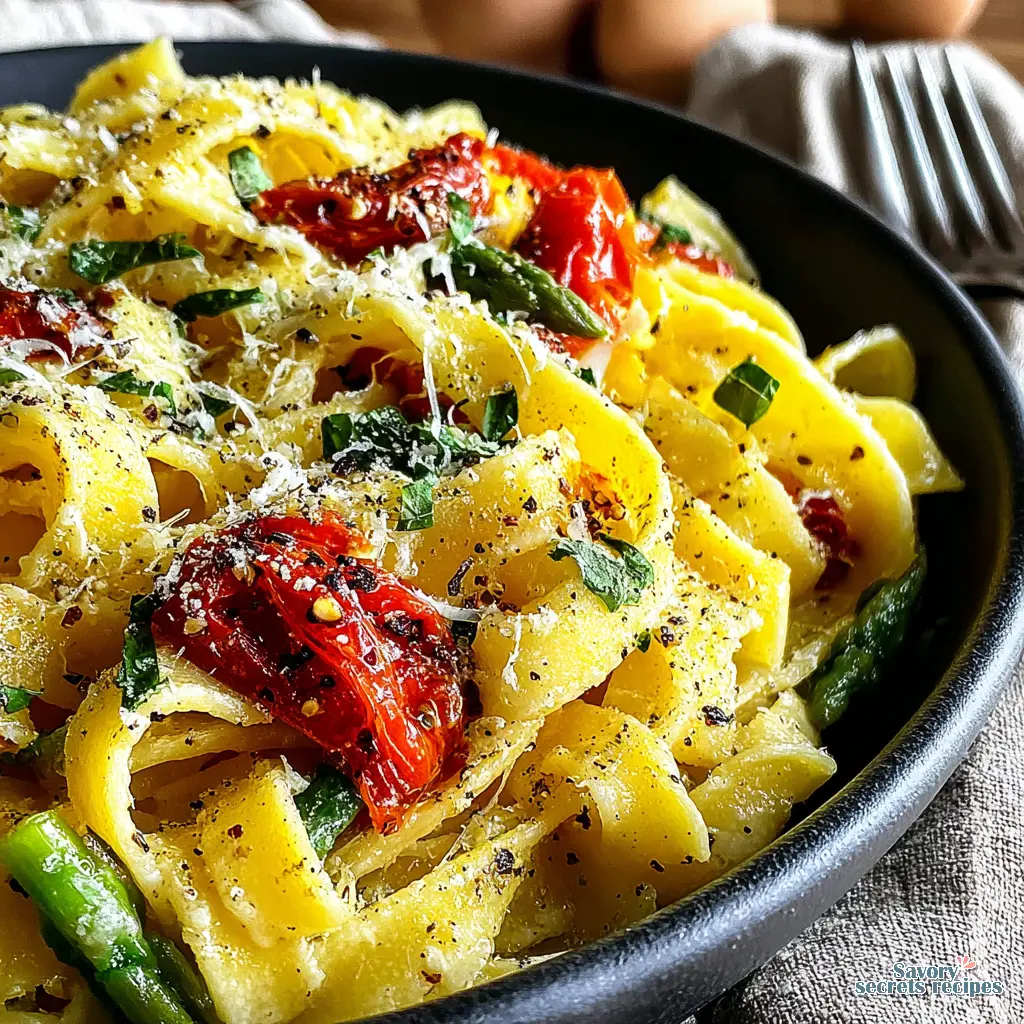
Visual Troubleshooting: Fixing a Broken Sauce
Things go wrong in the kitchen. I’ve ruined my fair share of dinners. Let’s fix the common issues you might run into while making spring garden vegetable pasta so you don’t panic.
Common Mistakes & Fixes
Mistake: Using pre-grated cheese.
Solution: Pre-grated cheese has anti-caking agents that prevent smooth melting. Always hand-grate your parmigiano reggiano or pecorino. Your sauce will be perfectly tender and smooth.
Mistake: The sauce is gluggy and thick.
Solution: You probably let the dish sit too long before serving, or you didn’t use enough starchy pasta water. Add a splash of hot water and toss it vigorously over low heat to bring it back to life.
Mistake: Burnt garlic.
Solution: Garlic cloves go from fragrant to bitter in seconds. Infuse your butter with whole smashed garlic cloves, then remove the cloves before adding other ingredients. It gives you the flavor without the risk.
Vegan and Dairy-Free Primavera (The Missing Link)
None of the classic recipes talk about this, but you can absolutely make a dairy-free spring garden vegetable pasta. I think it’s actually just as good. Skip the butter and heavy cream entirely. Instead, use a splash of cashew cream or pureed white beans mixed with a little extra virgin olive oil and fresh lemon juice.
The lemon juice gives it that bright acidity you’d normally get from crème fraîche. Top it with toasted pine nuts instead of cheese. It’s perfectly creamy without any dairy at all.
Protein Pairing Guide
If you want to bulk up your spring garden vegetable pasta, you have plenty of options. I usually keep it vegetarian, but adding protein is super easy. Grilled chicken breast sliced thin is a classic choice. Sautéed shrimp tossed with a little red pepper flakes and shallots works beautifully.
For a plant-based option, fold in a can of rinsed cannellini beans right at the end. They soak up the sauce and get perfectly tender. It’s a great way to make the meal stretch further.
Substitutions for Every Season
The beauty of a spring garden vegetable pasta is its incredible versatility. You can adapt it year-round. Match the pasta shape to the vegetable size. Long noodles like fettuccine or spaghetti are great for zucchini ribbons. If you chop your veggies small, use short pasta like penne or orecchiette pasta.
[
{
“content”: “alternative that brings a punchy, sharp finish to every bite. It doesn’t melt quite the same way, so I usually just crumble it over the top right before serving for a little extra texture. You’ll love the way the salty crumbles play against the sweetness of the peas.
nn
Fresh vs. Dried Pasta: Which is Better?
n
I get this question all the time. Is fresh pasta actually better for a spring garden vegetable pasta? The short answer is that it’s just different. Fresh fettuccine is incredibly porous. It acts like a sponge for that silky sauce, which is why it feels so luxurious and soft. But high-quality dried pasta has a better bite or al dente texture that contrasts beautifully with the tender vegetables. If you go with dried, just pull it out of the water a minute early. It’ll finish its journey in the pan, absorbing the sauce without turning into mush. I’ve used both, and honestly, you can’t go wrong as long as you don’t overcook it.
nn
Pro Prep Hacks for Asparagus and Broccolini
n
Prepping vegetables shouldn’t feel like a chore. For the asparagus, I never use a knife to trim the bottoms. I just grab a spear and bend it until it snaps. It’ll break perfectly right where the woody part ends. For broccolini, those thick stems can be a bit tricky. I like to slice them lengthwise into thinner batons so they cook at the same speed as the delicate florets. It ensures you don’t end up with crunchy stems and mushy tops. Taking an extra two minutes to prep your veg this way makes a massive difference in the final feel of the dish.
nn
A Lighter Take on a Classic
n
Sometimes you want the flavor without all the heavy lifting. To lighten up your spring garden vegetable pasta, you can swap out half the butter for a little more extra virgin olive oil. I’ve also found that using a bit more of the starchy pasta water allows you to cut the heavy cream by half. You’ll still get a glossy coating on the noodles, but the whole dish feels much more vibrant and less weighed down. It’s a great way to save a few calories while still feeling like you’re treating yourself to something special.
nn
Storage and Reheating Secrets
n
We’ve all been there. You have a bowl of leftover pasta that’s turned into a solid, cold block in the fridge. Don’t give up on it. The trick to reheating spring garden vegetable pasta is moisture and a little bit of patience. Put the pasta in a small skillet over medium-low heat and add a splash of water or a tiny bit of milk. As it warms up, gently toss it. The liquid will help re-emulsify the sauce, bringing back that original silkiness. Avoid the microwave if you can. It tends to make the vegetables rubbery and the sauce greasy, which is the last thing you want for these fresh greens.
nn
Expert Notes & Data Insights
n
When I look at what makes this dish work, it really comes down to three things: timing, temperature, and starch. My experience shows that the most successful versions of this dish always prioritize the vegetable texture. By blanching your greens separately, you’re locking in that chlorophyll, which keeps the dish looking alive on the plate. Remember, the sauce isn’t just cream; it’s a careful emulsion. That starchy water is the bridge between the fat and the pasta. If you master that one small step, you’ll never have a dry or broken pasta dish again. It’s the difference between a standard home meal and something that feels truly professional.”
}
]