



Creamy Pesto Spring Pasta Bake Recipe
Ingredients
Method
- Preheat the oven to 400°F (200°C) and lightly grease a 9x13-inch baking dish.
- Cook the pasta in a large pot of boiling salted water for 2 minutes less than the package directions until just under al dente, then drain and set aside.
- Heat olive oil in a large skillet over medium-high heat, season the chicken with salt and pepper, and sauté for 5–6 minutes until golden and cooked through before removing from the heat.
- Melt butter in the same skillet over medium heat, sauté the garlic for 30 seconds, then stir in the heavy cream and milk and simmer for 2–3 minutes until thickened; mix in the pesto and Parmesan until smooth.
- Combine the chicken, pasta, and spinach with the sauce and toss until all ingredients are evenly coated.
- Transfer the mixture to the prepared baking dish and top evenly with shredded mozzarella and extra Parmesan.
- Bake uncovered for 20–25 minutes until the cheese is golden and bubbly.
- Let the dish rest for 5 minutes before serving.
Nutrition
Notes
The Wednesday Night Spring Awakening
Honestly, by the time Wednesday night rolls around, that 5:00 PM dinner panic hits hard. I think we all know that feeling. You open the fridge, stare at the crisper drawer, and hope a meal magically appears. During those cooler LA winter months, we lean heavily on dense stews and heavy casseroles. But right now? The weather is shifting. We are getting those rare 60-degree breezy days, and I am officially tired of winter food. I want something fresh. I need a spring awakening in a baking dish.
That is exactly how this spring pasta bake recipe was born. It’s the perfect transition meal. You still get the cozy, bubbling comfort of a casserole dish, but it’s packed with vibrant, crisp-tender greens. I’ll be honest, getting kids to eat asparagus is usually an uphill battle in my house. But hide those bright green asparagus spears under a golden brown parmesan crust? Suddenly, everyone is asking for seconds. It’s amazing.
I know a lot of traditional recipes call for a white wine sauce, but we skip that entirely here. A squeeze of fresh lemon juice gives you that same bright acidity without the fuss. Plus, it smells absolutely incredible when that lemon zest hits the hot pasta. Trust me.
Fresh vs. Frozen: Building Your Spring Pasta Bake Recipe
Let’s talk about the green stars of the show. A great spring penne pasta recipe relies on the vegetables, but you don’t need to stress if the Santa Monica Farmers Market isn’t in your schedule this week. I mean, you could use all fresh veggies, but frozen sweet peas are perfectly fine if fresh aren’t available yet. They honestly hold their color and “pop” beautifully.
The trick is… and I learned this from testing… you have to sauté your vegetables in a very specific order based on density. If you throw everything into the pan at once, you’ll end up with mushy zucchini and raw leeks. Nobody wants that. Start with your harder veggies like sliced leeks and shallots. Let them soften. Then add your asparagus.
Here’s a quick pro-tip for your asparagus spears. Don’t just chop them blindly. Snap one stalk by hand. It naturally breaks right at the woody point. Use that as your guide to chop the rest. You’ll ensure every bite in your spring pasta bake recipe is perfectly tender.
Also, we are only partially cooking these veggies on the stove. Blanching vegetables or doing a quick sauté is just to wake them up. They will finish cooking in the oven. If you overcook them now, they won’t survive the bake.
The Science of the Perfect Bake (And Why We Don’t Just Stir)
I know this sounds a bit fussy, but the assembly method is what separates a soggy casserole from a truly amazing spring pasta bake recipe. It’s actually quite forgiving once you understand the basics.
First, your pasta. Whether you use al dente penne or a kid friendly spring vegetable mac and cheese shape like whole wheat farfalle, you must undercook it by about two minutes. The box says 10 minutes? Boil it for eight. It’s going to absorb all that lovely garlic and heavy cream substitute sauce in the oven. If you boil it fully, it turns to mush.
And please, whatever you do, reserve a mugful of pasta cooking water before you drain it. That starchy liquid is the “liquid gold” of the kitchen. A splash of it helps emulsify your sauce and keeps the bake from drying out.
Now, here is the real secret. Most people just dump ricotta cheese into the bowl and stir until the sauce turns pinkish-white. Don’t do that. Instead, gently fold in spoonfuls of ricotta so you create little creamy pockets throughout the dish. When you bite into a hot, perfectly tender piece of penne and hit a pocket of cool, creamy ricotta seasoned with lemon zest? So good. It’s a total texture revelation.
To save yourself a massive headache on dish duty, use a large oven-safe skillet. You can sauté your garlic cloves and baby spinach, toss in the pasta, and slide the whole thing right into the oven. One pan. Perfect.
Visual Troubleshooting: Is My Bake Done?
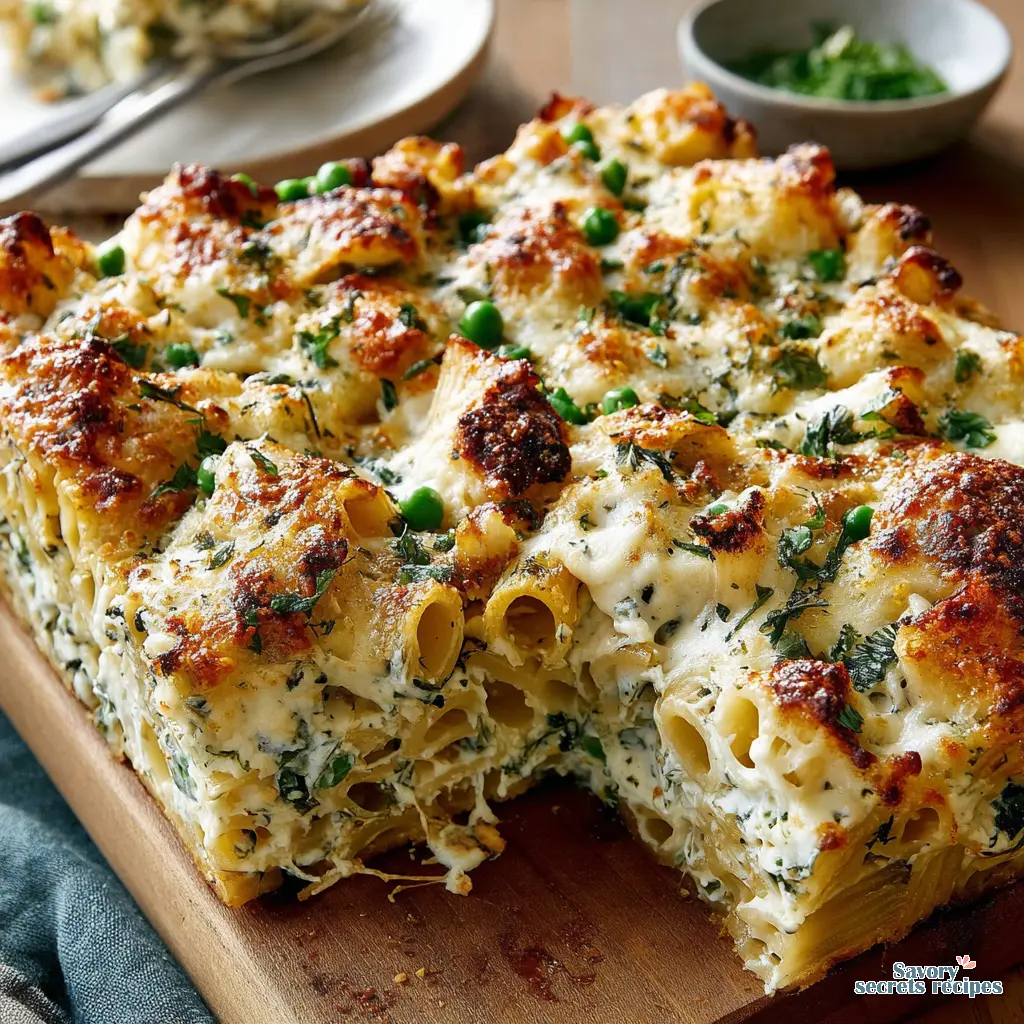
You’ll know it when you see it, but let’s talk about visual cues. A lot of people pull their bake out too early because they are terrified of burning the cheese. I get it. But you want that golden brown color. It should look like the color of peanut butter, not pale beige.
You are looking for the edges to be bubbling vigorously. The panko breadcrumbs should have a distinct crunch to them. If you used pre-grated cheese from a bag, you might notice it doesn’t melt smoothly. That is because of the anti-caking agents they coat the shreds in. Always finely grate your own Parmesan. It takes two extra minutes and melts into a glorious, smooth crust.
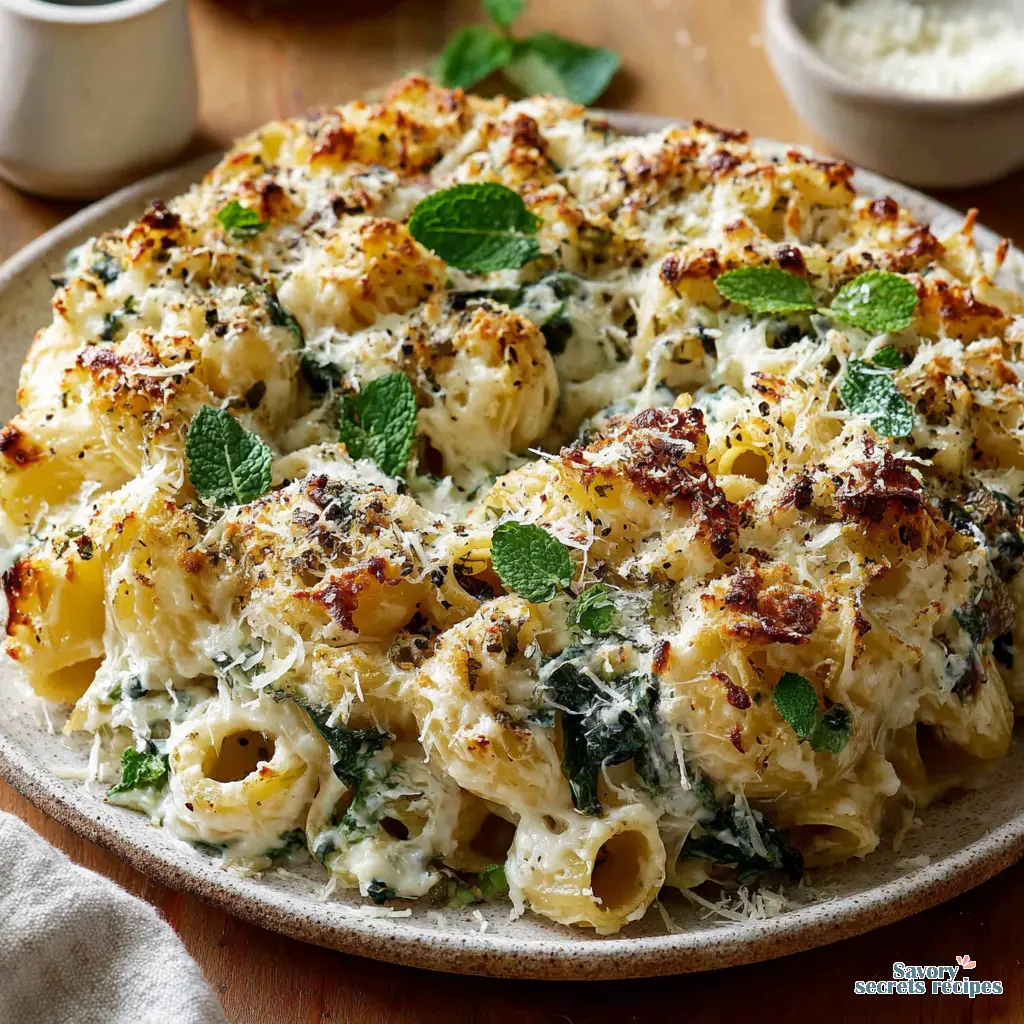
Before serving, I love to add a heavy olive oil drizzle and some fresh dill or mint leaves. The residual heat releases the oils in the herbs, and your kitchen will smell like a garden.
Make-Ahead Meal Prep Strategy
If you are planning a make ahead spring pasta bake, you have a few options. This dish is incredibly meal-prep friendly, which is why it’s on heavy rotation after my weekend Trader Joe’s run.
To freeze it, assemble the entire dish in a freezer-safe casserole dish but stop before baking. Let it cool completely. Wrap it tightly in parchment paper, then do a double layer of foil. It will keep for up to 3 months. When you are ready for a vegetarian dinner on a busy Tuesday, bake it straight from frozen at 400°F for about an hour. Keep it covered with foil for the first 45 minutes so the top doesn’t burn.
If you are just storing leftovers in the fridge, keep them in an airtight container for up to 5 days. Cream sauces have a habit of congealing in the fridge. To reheat without breaking the sauce, add a tiny splash of reserved pasta water or milk, and warm it gently on the stove or in the microwave at 50% power.
Customizable Veggie Swaps & Variations
The beauty of this spring pasta bake recipe is how easily you can adapt it to whatever you have in the fridge. It’s essentially a blank canvas for seasonal produce.
If you have dietary restrictions, it’s a breeze to modify. Need a gluten-free version? Just swap in your favorite GF penne. I find that brown rice pasta holds up best in casseroles without turning mushy. Looking for a lighter, dairy-free take? You can use almond milk instead of heavy cream and skip the butter, relying on a good quality Napa Valley olive oil instead.
For the veggies, if you don’t have asparagus, try green beans or broccolini. Chopped artichoke hearts are also an incredible addition. If you want a super quick spring pasta recipe jar version, you can fold in a few tablespoons of store-bought basil pesto instead of making a sauce from scratch. It saves so much time.
Common Mistakes & Fixes
Mistake: The sauce is too thick and gluggy.
Solution: You probably forgot to save the pasta water. Next time, reserve a cup. For now, stir in a splash of warm milk or broth to loosen it up.
Mistake: The vegetables turned into mush.
Solution: They were overcooked on the stove. Remember, they only need a quick 2-minute sauté before going into the oven. They will finish cooking as the bake bubbles.
Mistake: The cheese didn’t melt smoothly on top.
Solution: You likely used pre-grated bagged cheese. Those anti-caking powders ruin the melt. Always buy a block and grate it yourself.
Frequently Asked Questions
Bringing It All Together
When you pull this spring pasta bake recipe out of the oven, your kitchen will smell like a garden. The bubbling edges, the vibrant green peas peeking through the golden crust, and those hidden pockets of creamy ricotta make it so satisfying. It’s the perfect way to welcome the warmer weather while keeping dinner easy and comforting.
I hope this becomes a staple in your weeknight rotation just like it has in mine. Don’t be afraid to play around with the veggies you have on hand. For more inspiration, check out my Pinterest boards where I save all my favorite seasonal dinner ideas. Grab some fresh asparagus on your next grocery run, and you’ll be ready to go.
Reference: Original Source
What are the best seasonal vegetables to add to a spring pasta bake recipe?
I absolutely love using asparagus spears, sweet peas, and leeks. They bring that vibrant, fresh flavor. You can also mix in baby spinach, artichoke hearts, or broccolini. Just make sure to sauté them briefly so they stay crisp-tender during the bake.
How do you prevent a make ahead spring pasta bake from drying out in the oven?
The secret is moisture control. Always reserve a cup of pasta water and mix a splash into your sauce. Also, when baking from the fridge or freezer, cover the dish tightly with foil for the first 45 minutes to trap the steam, then uncover to brown.
Can I use store-bought pesto for a quick spring pasta recipe jar version?
Yes, definitely. Stirring in three to four tablespoons of high-quality jarred basil pesto is a fantastic shortcut. It adds instant garlic, basil, and parmesan flavor without having to chop herbs or build a complex sauce from scratch.
What is the secret to making a kid friendly spring vegetable mac and cheese?
Use a fun pasta shape like farfalle or small shells, and chop the green veggies very small. I also recommend going a little heavier on the mozzarella cheese for that classic pull. The creamy ricotta pockets usually win them over, too.
Can I substitute gluten-free noodles in a spring penne pasta recipe?
You certainly can. I recommend using a brown rice-based pasta, as it holds its structure best in the oven. Just be sure to undercook the gluten-free pasta by about three minutes, as it tends to break down faster than wheat pasta.