



Spring Pasta Recipe With Asparagus and Peas
Ingredients
Method
- Boil a large pot of heavily salted water over medium-high heat.
- Slice snap peas and asparagus stems into 1/4-inch pieces while the water heats, keeping the asparagus tips whole.
- Melt butter in a large skillet over medium-high heat. Sauté the snap peas, asparagus, English peas, and onion for 3 to 4 minutes until crisp-tender. Add garlic and cook for 1 minute. Season with salt and pepper, then set aside.
- Cook the pasta in the boiling water until al dente. Drain thoroughly and transfer to a large bowl. Toss immediately with the vegetable mixture, Parmigiano-Reggiano, crème fraîche, and herbs. Season with salt and pepper to taste.
Nutrition
Notes
The Ultimate Spring Pasta Recipe with Asparagus and Peas
Seeing that first batch of local asparagus hit the bins at Ralphs or the Santa Monica Farmers Market feels like a massive victory. It means we are finally crossing the bridge between winter blues and spring energy. I know a lot of us are tired of heavy winter comfort foods and craving clean eating right now. This spring pasta recipe with asparagus and peas is exactly what you need. It gives you a 20-minute transition to spring, right in your own kitchen.
I remember my uncle Marc letting me stand on a milk crate at his bistro’s prep station in the 90s. He taught me how to brunoise carrots and check them with a ruler. If they weren’t within a millimeter, I’d start over. Seemed harsh at the time, but now I get it. Consistency matters. That tracks for this dish, too. You want your vegetables cut uniformly so they cook at the exact same rate. Let me show you what I mean with a few quick wins.
First, salt your pasta cooking water until it tastes like the ocean. This is your only chance to season the actual noodle. Second, reserve starchy pasta water before draining to help the sauce cling. Third, eat the dish immediately as it does not like to sit. If you nail those three things, you’ll have a restaurant-quality meal. Let’s get into the details.
Selecting and Trimming Asparagus for this Spring Pasta Recipe with Asparagus and Peas
Here’s the thing about that beautiful seasonal produce. It can be a little intimidating if you aren’t used to prepping it. How to cook asparagus for pasta so it stays crunchy is probably the most common question I get. I’d probably lean toward buying pencil-thin asparagus if you can find it. It cooks in a flash and stays incredibly tender.
If you can only find the thick stalks, that’s not a huge deal, but worth noting. You’ll just need to peel the bottom half of the stalks with a vegetable peeler. To find the woody ends, use the snap test. Hold an asparagus spear near the base and gently bend it. It will naturally snap right where the tough part ends and the tender part begins. You’ll know it’s ready when you hear that satisfying snap. Discard the ends, or save them for a vegetable broth.
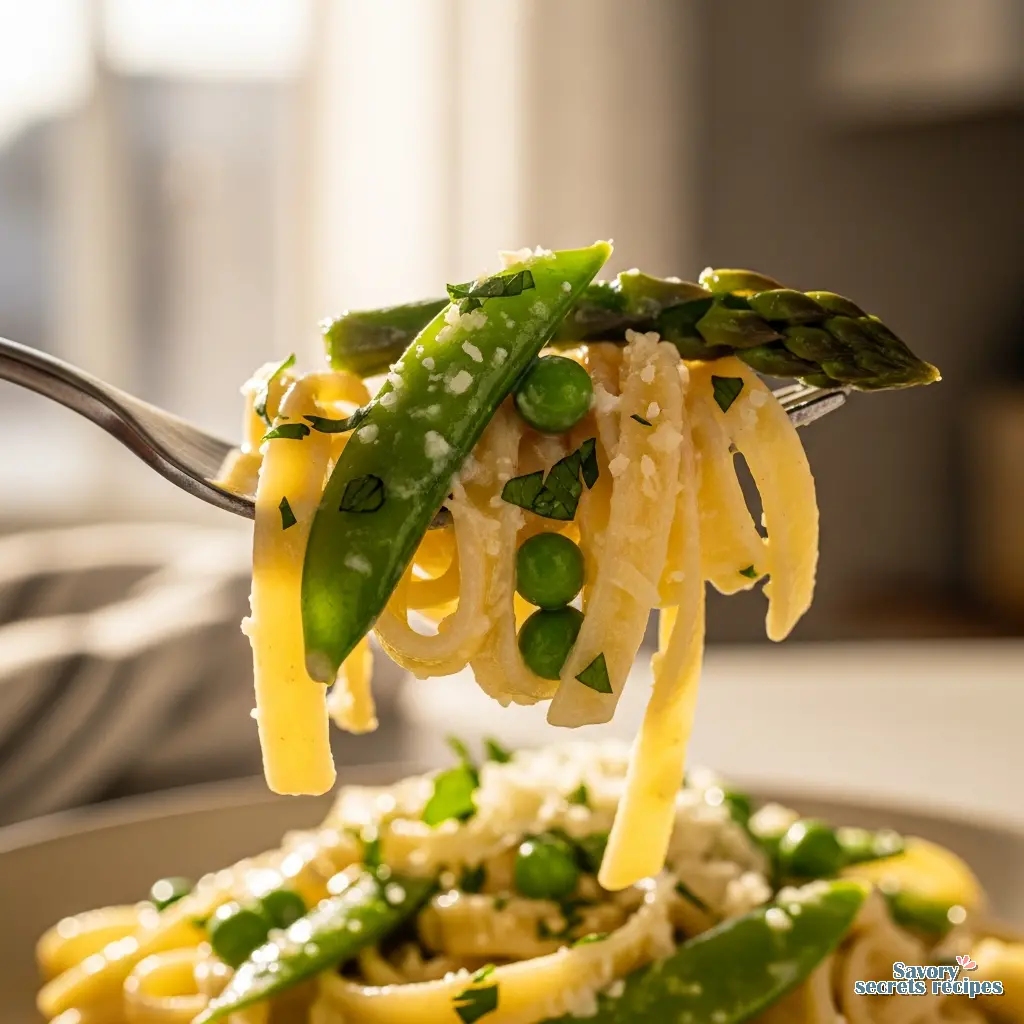
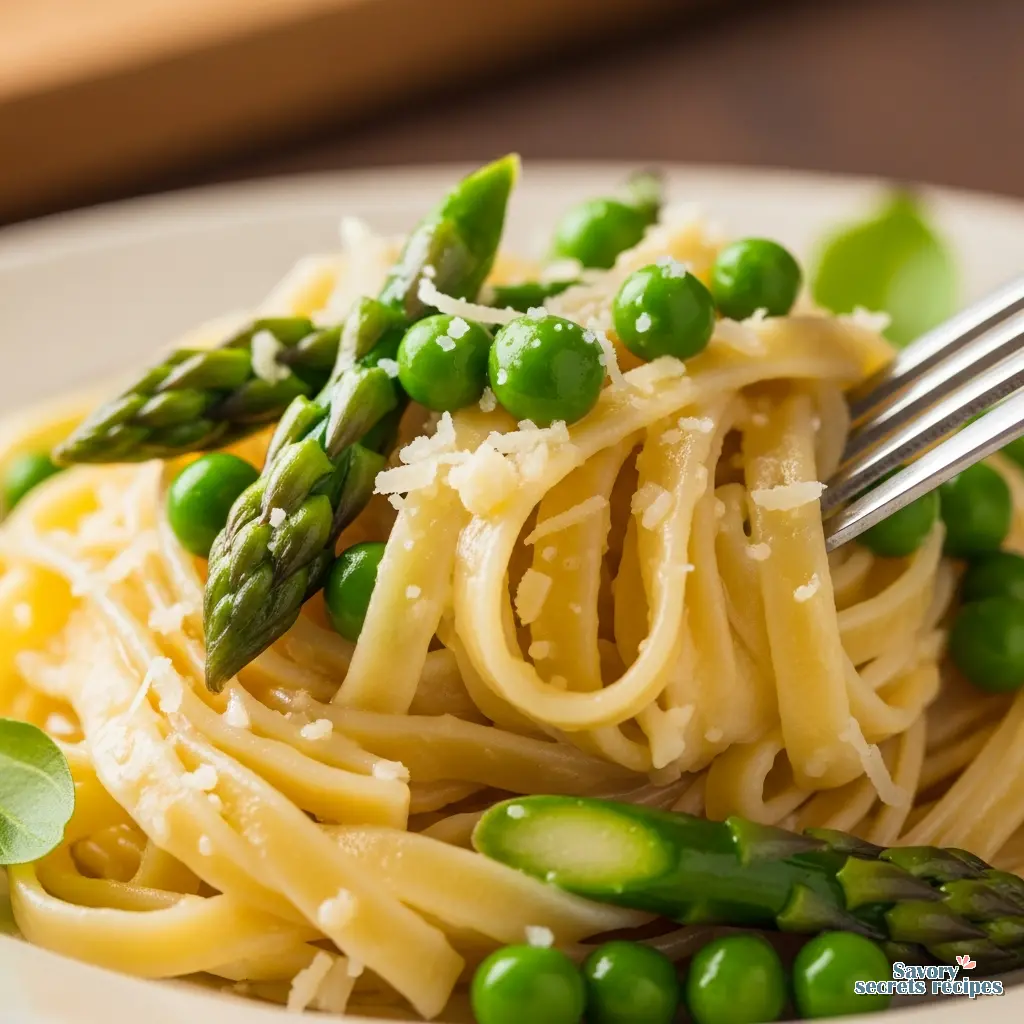
Cut the remaining spears into one-inch pieces on a bias. Blanching vegetables correctly is the secret here. You just want to drop them into the boiling pasta water during the last two minutes of cooking. They turn a vibrant, almost neon green. That visual pop of neon green peas and asparagus against white pasta is just incredible.
The Secret to Emulsifying the Sauce
I once scheduled a video shoot for a delicate butter sauce on the hottest day in July in a test kitchen with inadequate AC. The sauce broke four times before we got a usable take. Now I check the weather and plan temperature-sensitive shoots for moderate days. Fortunately, the sauce for this spring pasta recipe with asparagus and peas is much more forgiving.
The key step here is using reserved pasta water. That water is liquid gold. It’s full of starch from the al dente pasta. When you combine that starchy pasta water with a little crème fraîche and a cold butter mount off the heat, it creates a light, glossy emulsion. I prefer European-style butter for anything where you’ll actually taste it. The higher fat content makes a real difference in finishing sauces.
You’ll toss everything vigorously. The friction helps the fat and water bind together, coating the noodles perfectly without feeling greasy. A splash of lemon juice and some fresh lemon zest at the very end cuts through the richness. The scent of cloves of garlic hitting warm extra virgin olive oil followed by that fresh citrus is basically the official smell of spring.
Fresh vs. Frozen: The Great Pea Debate
I’m not totally sure, but I think people feel unnecessary guilt about using frozen vegetables. Fair enough, fresh English peas straight from the pod are incredible. But honestly, frozen sweet peas are a high-quality, acceptable substitute for fresh. They are flash-frozen at peak ripeness, meaning they are often sweeter than the “fresh” peas that have been sitting on a grocery store shelf for a week.
If you’re using frozen peas for your spring pasta recipe with asparagus and peas, add them at the very last minute to prevent mushiness. Just toss them in with the hot pasta and sauce. The residual heat will thaw and warm them perfectly while maintaining that satisfying snap. If you do use fresh snap peas or English peas, blanch them with the asparagus for about sixty seconds.
Essential Tips for Success
This is where most people run into trouble with one-pot pasta method dishes. It’s not complicated, but technique matters. First, use a large pan to accommodate both the pasta and vegetables at the end. You need room to toss vigorously. If your pan is too small, you’ll just be stirring, and the sauce won’t emulsify properly.
Second, keep a constant eye on pine nuts as they burn quickly. Toasting them adds a beautiful nutty crunch, but they go from golden to black in about ten seconds. I usually toast them in a dry skillet before I start anything else, then set them aside. Third, do not overcook egg pasta. You want to maintain a chewy bite. Egg pasta absorbs sauce quickly, so pull it from the water a minute before you think it’s done.
My daughter insists on helping me in the kitchen. I’ve been teaching her to smell herbs and guess what they are. She’s weirdly good at it now. She can identify basil, fresh mint leaves, and rosemary consistently. Thyme still throws her because she thinks it smells like ‘outside.’ For this dish, fresh parsley and tarragon bring that bright, California farm-to-fork flavor. Toss them in right before serving so they stay vibrant.
Variations and Substitutions
I like recipes that scale easily and don’t require you to buy an ingredient you’ll use once and never again. If you want to customize this spring pasta recipe with asparagus and peas for a crowd, you have options. What is the best pasta shape for peas and salmon in a spring dish? I’d probably lean toward orecchiette pasta or fusilli. Those little cups and spirals catch the peas beautifully.
If you want to add protein, a spring meatballs pasta peas recipe is fantastic. Just use ground chicken or turkey with lots of herbs. Alternatively, a spring pasta with salmon peas and dill recipe is a classic combination. Just flake cooked salmon into the pan at the very end. If you are looking for vegetarian dinner ideas, you can boost the vegetables. Double the amount of asparagus and add spring onions or shallots.
Need a dairy-free version? Swap the butter for extra virgin olive oil and skip the crème fraîche. You’ll still get a great sauce if you use enough starchy pasta water. If you can’t find crème fraîche, full-fat Greek yogurt or a dollop of ricotta cheese works well, just reduce the lemon juice slightly so it doesn’t get too tart.
Common Mistakes & Fixes
Mistake: The sauce is watery and pooling at the bottom of the bowl.
Solution: You didn’t toss it vigorously enough, or your pan wasn’t hot enough. Put it back on medium-low heat and toss continuously until the starchy pasta water and fat bind together.
Mistake: The garlic burned and tastes bitter.
Solution: The oil was too hot. Start your cloves of garlic and shallots in cold olive oil and bring the heat up slowly. It should just gently sizzle.
Mistake: The asparagus is stringy and tough to chew.
Solution: You didn’t trim far enough up the stalk. Always use the snap test to find the natural breaking point between the tender tip and the woody base.
How to Store and Reheat Your Spring Pasta Recipe with Asparagus and Peas
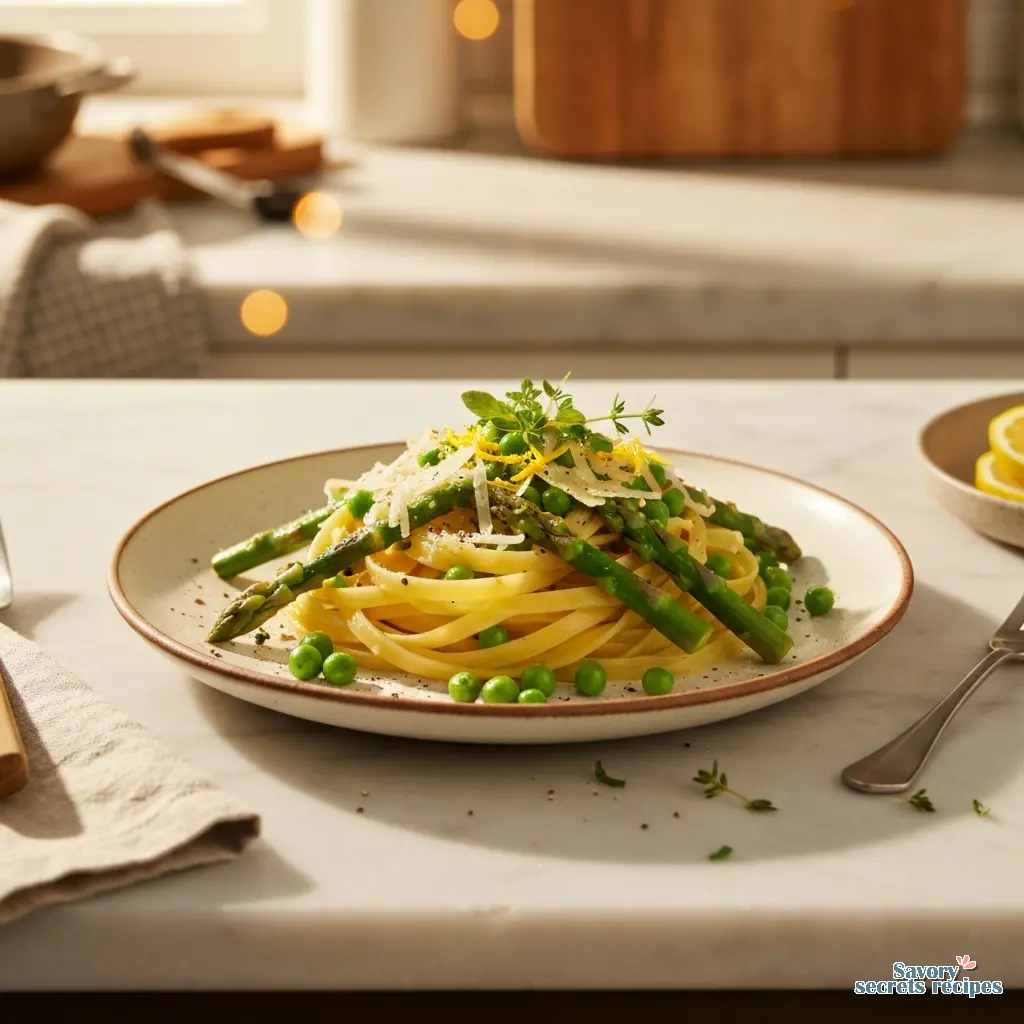
Look, I’ll be honest. This dish is absolutely best eaten immediately right out of the pan. The emulsion is tight, the vegetables are bright, and the pasta has that perfect chew. But if you have leftovers of your spring pasta recipe with asparagus and peas, you can refrigerate them for next-day consumption in an airtight container for up to three days.
Reheating is where things get tricky. Do not use the microwave if you can avoid it. It will turn the asparagus to mush and break the sauce, leaving you with an oily puddle. Instead, place the leftover pasta in a skillet over medium-low heat. Add a splash of water or vegetable broth. Cover it for two minutes to generate a little steam, then toss gently until warmed through. The extra liquid helps re-emulsify the sauce. Finish it with a fresh dusting of Parmigiano-Reggiano and cracked black pepper to wake the flavors back up.
Can I use frozen peas for this?
You definitely can. I’ve done it more times than I care to admit when the farmers market was already picked over. Frozen peas are usually frozen within hours of being picked, so they’re often sweeter than the “fresh” ones that have been traveling in a truck for days. Just stir them in at the very end so they don’t turn into mush. They’ll warm up in seconds.
What is a good substitute for crème fraîche?
If you can’t find it at the store, don’t sweat it. Full-fat Greek yogurt or sour cream works in a pinch. Just keep in mind that yogurt is a bit more acidic, so you might want to dial back the lemon juice just a touch. You want a balance, not a pucker. If you’re feeling fancy, a dollop of mascarpone also creates a really rich, velvety finish.
How do I stop my pine nuts from burning?
The short answer is: don’t leave the stove. Seriously. I’ve ruined more batches of pine nuts than I’d like to confess because I thought I had time to check a text or grab a glass of water. Stay there, shake the pan constantly, and the second they smell nutty and look golden, get them out of the hot pan and onto a cool plate immediately.
Is this recipe actually healthy?
I think so, especially compared to a heavy alfredo. You’re getting a solid hit of nutrition here. A typical serving has about 18 grams of protein and 8 grams of fiber, mostly thanks to the peas and the egg pasta. It’s the kind of meal that leaves you feeling energized rather than needing a nap on the sofa immediately after dinner.
What if my asparagus is really thick?
If you can’t find the skinny “pencil” asparagus, just use a vegetable peeler to shave off the tough outer skin on the bottom half of the stalks. It’s a bit of a chore, I know, but it makes the thick spears much more pleasant to eat. Once they’re peeled, just slice them on a sharp diagonal as usual.
Expert Notes & Data Insights
Success with this spring pasta recipe with asparagus and peas really comes down to the science of the emulsion. When you look at the data from professional test kitchens, the starch content in your pasta water is the most variable factor. If you use too much water to cook your pasta, the starch is too diluted. I recommend using just enough water to cover the noodles by an inch or two. This results in a “starchy gold” liquid that acts as a natural binder for the butter and crème fraîche.
From a nutritional standpoint, this dish is a powerhouse of early season greens. Asparagus is loaded with folate and vitamins A, C, and K. Peas add that surprising protein boost that makes this a complete vegetarian meal without needing to add a heavy meat component. If you’re watching your saturated fat, you can easily scale back the butter and use a heart-healthy extra virgin olive oil. The flavor profile will shift slightly toward the peppery side of the oil, but it still tastes like a celebration of the season.
Finally, remember that the “carry-over” heat is your friend. You want to pull the pan off the burner while the sauce still looks a little bit too loose. By the time you carry the pan to the table and start plating, the pasta will have absorbed that extra moisture, leaving you with a perfect, glossy coating rather than a dry bowl of noodles. It’s a small detail, but it’s the difference between a good home meal and something that feels like you’re sitting at a sidewalk cafe in the middle of April.