



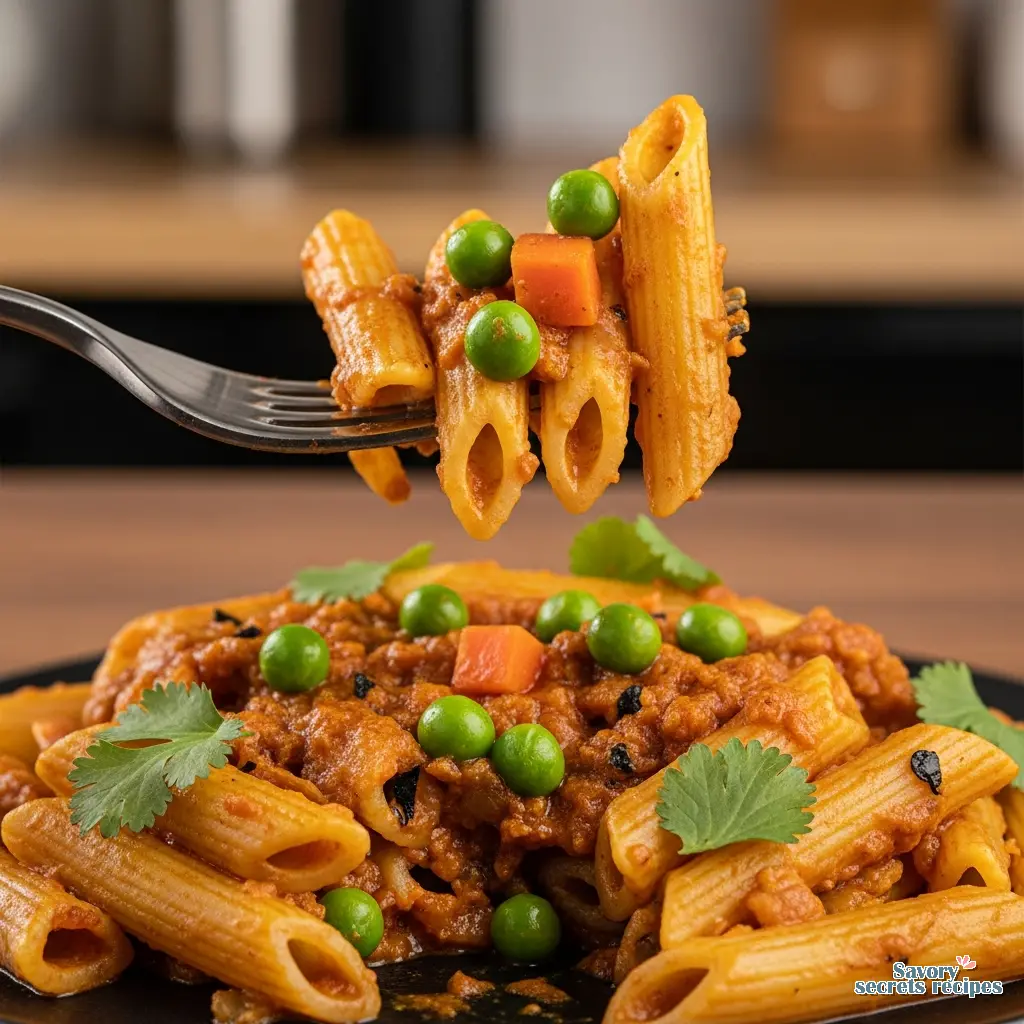
Masala Spring Vegetable Pasta Recipe
Ingredients
Method
- Bring 6 cups of water to a rolling boil in a large pot. Add one teaspoon of salt, a few drops of oil (optional), and the pasta.
- Cook the pasta over medium heat until al dente, following the package instructions for specific timing (approximately 8 to 9 minutes for penne).
- Rinse and chop the vegetables while the pasta is cooking.
- Reserve ¾ cup of the pasta cooking water, then drain the pasta in a colander and rinse under running water if desired.
- Heat oil and butter (optional) in a pan. Add cumin seeds once the oil is hot and allow them to splutter.
- Stir in the garlic and ginger and sauté for one minute.
- Add onions and sauté over medium-high heat until they turn golden brown.
- Add the chopped vegetables and fry for 2 to 3 minutes, then stir in the ground spices and salt.
- Add the tomatoes and the ketchup or passata (optional). Mix well and cook over medium heat until the tomatoes break down and the raw flavor dissipates. Cook until the oil separates from the masala and the vegetables are tender, covering and cooking on low heat if necessary.
- Pour in ¼ to ½ cup of the reserved pasta water or plain water. Mix well and simmer for a few minutes until the sauce thickens, taking care not to overcook.
- Stir in the kasuri methi and cooked pasta. Taste and adjust the salt, then cover and cook over medium heat for 2 to 3 minutes until the pasta is steaming hot.
- Stir in heavy cream or grated cheese if desired.
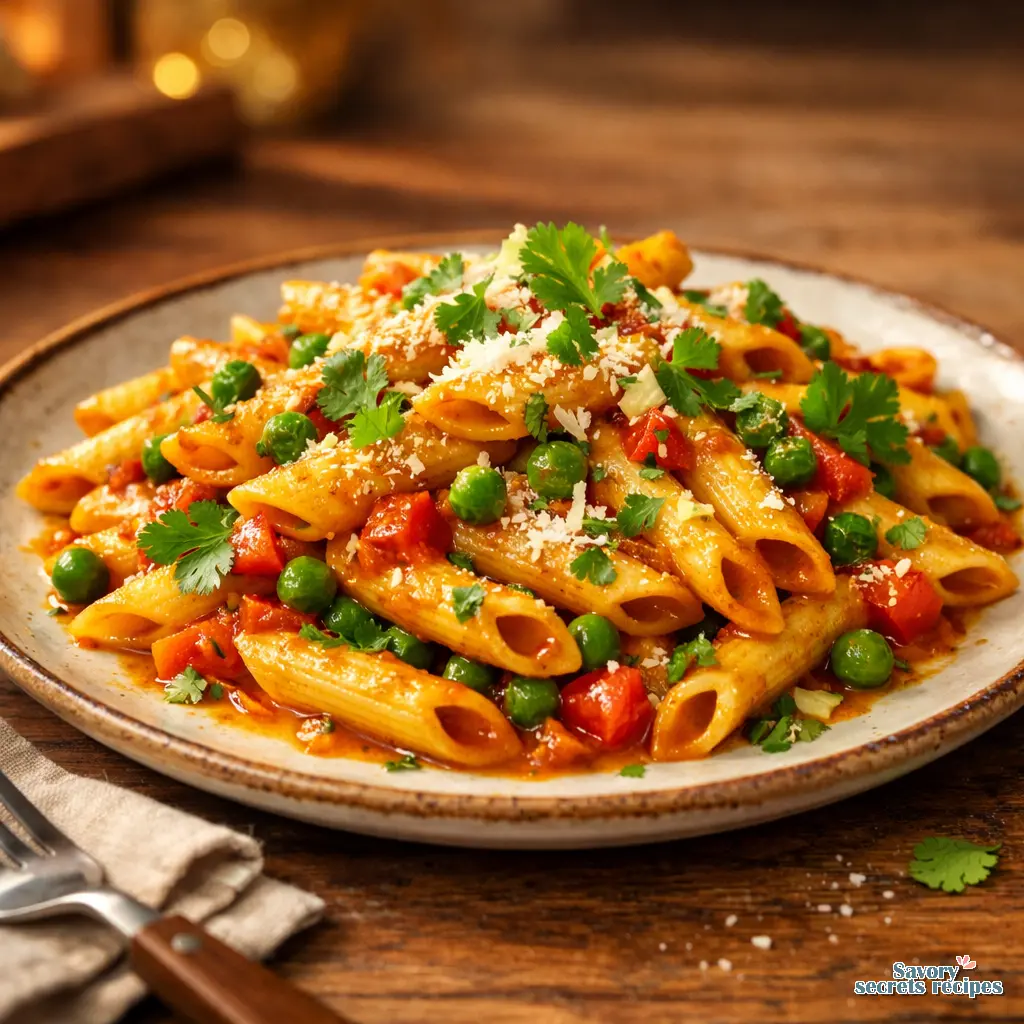
- Garnish the masala pasta with coriander leaves and serve hot.
Nutrition
Notes
- You may leave out the mixed veggies – carrot, bell peppers, peas & corn from the recipe and make the basic masala pasta.
- Tomato ketchup/ passata/ store bought bottled tomato puree/ tomato paste is used for a umami flavor. Adjust the quantity to suit your taste. You may add more when you stir in the pasta to the sauce.
- For a creamy taste, you can add 2 to 4 tablespoons heavy cream or cooking cream. Alternately blend 15 soaked cashews or 4 tablespoons of almond flour with 4 tablespoons of water in a small chutney grinder. You will need to add 2 to 4 tbsps more water & blend again until you get a smooth cream. Stir 2 to 3 tbsps of this after you switch off the stove.
- You can also make the masala ahead and refrigerate for 2 days. Heat up with a splash of water and add the cooked paste.
The Tuesday Night Fridge-Clearing Miracle
It is 6 PM on a Tuesday. The open window is letting in that perfect mild Los Angeles spring breeze. You are staring at a crisper drawer full of random green things from Sunday’s Santa Monica farmers market trip. I know exactly what you are thinking. You want comfort, you want flavor, and you absolutely do not want to wash three different pots. This is where an indian style spring pasta recipe saves the night.
I mean, traditional pasta can get a little boring. We have all been there. You boil the noodles, dump a jar of marinara on top, and call it dinner. But pasta is actually the perfect blank canvas for Indian spices. My grandmother Fatoumata kept a worn notebook of ingredient substitutions she figured out over decades. She treated every ingredient like it had a story. I inherited that notebook, and it taught me that authentic cooking is really just about understanding how flavors work together in your own kitchen.
This indian style spring pasta recipe is exactly the sort of thing I love to dig into. It bridges the gap between a comforting Italian staple and the vibrant, complex aromatics of a classic Indian masala. Plus, it is a brilliant way to use up those beautiful spring vegetables before they wilt. You get the visual pop of spring green against a rich, red chili-laced sauce. Trust me, once you smell the cumin seeds hitting the hot oil, you will forget all about that jarred marinara.
Choosing Your Spring Vegetables: Options and Tradeoffs
Let me think about that for a second. What makes this an indian style spring pasta recipe rather than just a regular masala pasta? It is all about the seasonal produce. You have options here, and it depends on what you are going for.
Option 1: The Classic Spring Crunch
Snap peas and asparagus spears are my top choices right now. Snap peas give you this incredible sweet pop that contrasts beautifully with the savory, spicy tomato base. Asparagus adds an earthy depth. The tradeoff? They cook incredibly fast. If you are using these, you need to add them at the very end of your cooking process. Otherwise, they turn to mush, and nobody wants gray, mushy asparagus in their pasta.
Option 2: The Pantry Staples
Blanched carrots and green peas are the reliable workhorses. I will be honest, I often use frozen green peas. If you do not have fresh peas shucked yet, frozen is perfectly fine. They hold their shape well in the thick masala. You can also toss in sweet corn kernels for a kid-friendly sweetness that balances the Kashmiri red chili.
Option 3: The Allium Upgrade
Use spring onions if you have them available. They offer a much milder, sweeter bite than regular red onions. If you only have regular onions, that tracks with what I have seen in most home kitchens. Just make sure to sweat them down until they are completely translucent so they melt into the sauce.
My advice? Raid your crisper drawer. Steam or boil vegetables beforehand to save pan time if you are in a rush. The ingredient does most of the work if you let it.
The Science of the Masala Base (The Bhuna Method)
Here is what I have found works best for building flavor. You cannot just throw raw spices into wet tomatoes and hope for the best. You need to bloom them. This is based on the traditional Indian “bhuna” technique, which basically means roasting the spices in oil to release their essential oils.
You will know it is ready when the oil starts to shimmer. Drop your cumin seeds into the hot olive oil. Wait for that distinctive crackle. Then add your ginger garlic paste and finely chopped green chilies. (If you are cooking for children, absolutely avoid the green chilies. My daughter is my official taste tester, and she will immediately tell me if something is “too much spicy” instead of “good spicy.”)
Once your sautéed aromatics smell incredible, you add the dry spices. Turmeric powder, Kashmiri red chili powder, and garam masala need about thirty seconds in the hot oil. Look for the color change that is your signal. It will turn a deep, vibrant red-gold. If you skip this step, your indian style spring pasta recipe will taste dusty and raw.
Next comes the tomato base. Use ripe, red, juicy tomatoes for the best sauce. I also highly recommend adding a tablespoon of tomato ketchup, passata, or tomato paste. It sounds weird, I know. But the ketchup adds a specific type of deep umami flavor and a touch of sweetness that balances the acidity of the fresh tomatoes. Check your tomato tanginess before adding large quantities of paste, though. You do not want the sauce to be too sour.
Pasta Shapes and the Al Dente Rule
Let us talk about the pasta itself. I prefer ingredients that can do multiple jobs. When making an indian style spring pasta recipe, you need a shape that can grab onto a heavy, chunky vegetable sauce.
Al Dente Penne vs. Fusilli Pasta
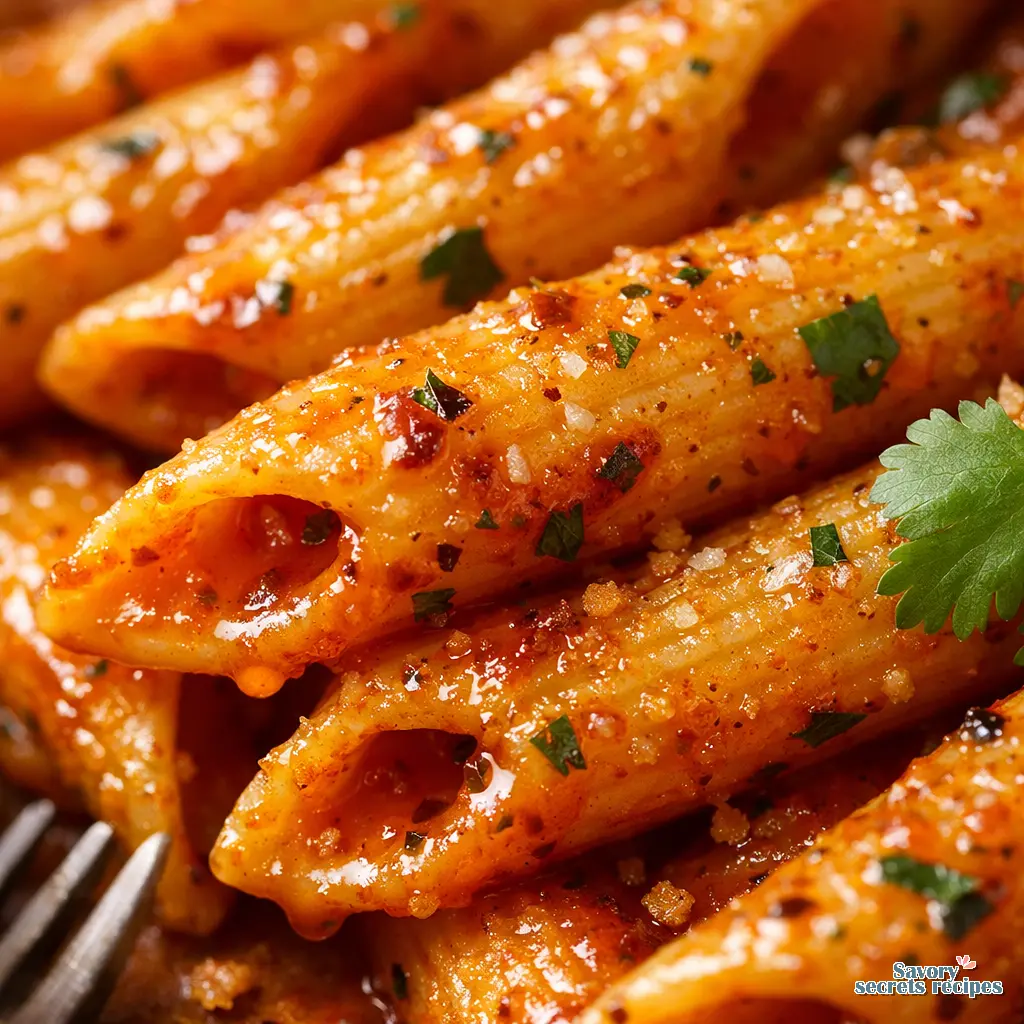
Penne is fantastic because the hollow center traps the masala, giving you a burst of flavor when you bite into it. Fusilli pasta, on the other hand, has those deep spirals that catch little bits of the ginger garlic paste and spices. Both are excellent choices. You can also use whole wheat or brown rice pasta if you want a gluten-free option.
The real secret here is cooking the pasta al dente. This is non-negotiable. Boil your pasta in generously salted water (add a few drops of oil while boiling to prevent sticking). But pull it out exactly one minute before the package instructions say it is done. Why? Because it is going to finish cooking in the hot masala sauce.
If you boil it until it is completely soft, the moment you toss it into the pan, it will turn into a mushy, broken mess. Cooking pasta al dente prevents it from becoming mushy in the masala.
And please, save a cup of that starchy pasta water. It is liquid gold. When you add a splash of pasta water to the pan, the starches mix with the oil and tomatoes to create a silky pasta water emulsion. It turns a chunky vegetable mix into a cohesive, clinging sauce.
Visual Troubleshooting Guide
Mistake: The masala sauce looks dry and crumbly in the pan.
Solution: You cooked off too much moisture. Add a splash of your reserved pasta water or a splash of vegetable broth. Stir vigorously to create that emulsion.
Mistake: The pasta lost its shape and turned to mush.
Solution: You overcooked the pasta in the boiling water. Always cook it one minute shy of al dente, as it finishes cooking in the hot sauce.
Mistake: The sauce tastes too acidic or sharp.
Solution: Your tomatoes were likely underripe or sour. Stir in a pinch of sugar, a tablespoon of tomato ketchup, or a heavy cream splash to mellow out the acidity.
Mistake: The dish is way too spicy for the kids.
Solution: Add a generous squeeze of lemon juice or lemon zest. Acidity cuts through heat. You can also stir in mozzarella or cream cheese for a cheesy, milder version.
Tiffin Box Hacks and Storage Rules
I pack lunches every single morning. Keeping an indian style spring pasta recipe moist for four to six hours in a lunchbox requires a specific strategy.
If you are packing this for school or work, do not pack it dry. Toss the warm pasta with an extra tablespoon of vegetable broth or a tiny splash of olive oil right before closing the lid. This prevents the starches from locking up and turning the pasta into a solid brick by noon.
For a creamy masala pasta variation, you can add homemade malai (cream) or stir in mozzarella or cream cheese right at the end. A parmesan cheese fusion works beautifully here too as a garnish. Just remember that dairy-heavy sauces thicken up significantly as they cool.
Frequently Asked Questions
Bringing It to the Table
When you bring this to the table, the aroma alone is going to win everyone over. You get the comforting familiarity of a hot bowl of pasta, combined with the deeply aromatic, warming spices of a classic Indian tadka. It is a one-pan wonder that clears out your fridge, satisfies the kids, and makes you feel like a minor culinary genius on a random Tuesday night.
I know this sounds like a lot of little details, but once you understand the basic rhythm of blooming the spices and saving your pasta water, this indian style spring pasta recipe comes together in under thirty minutes. It is fast, it is fresh, and it is exactly what spring cooking should be.
For more inspiration, check out my Pinterest boards where I save all my favorite weeknight fusion ideas. Happy cooking, and do not forget to taste your tomatoes before you build your sauce!
Reference: Original Source
How do you make a flavorful indian style spring pasta recipe with fresh vegetables?
The secret is blooming your spices in hot oil first. Toss in cumin seeds, ginger, and garlic before adding your tomatoes. Then, fold in quick-cooking spring vegetables like snap peas and asparagus at the very end so they stay crisp and vibrant.
What are the essential spices for a masala spring vegetable pasta recipe?
You absolutely need turmeric powder, Kashmiri red chili powder for that gorgeous color without overwhelming heat, and a good quality garam masala. A pinch of kasuri methi (dried fenugreek leaves) rubbed between your palms right at the end is also incredible.
Can I use frozen vegetables for this indian style pasta with peas and carrots?
Yes, absolutely. I use frozen peas and carrots all the time. Just run them under warm water in a colander to thaw them quickly before tossing them into the hot masala. They hold their shape perfectly in this indian style spring pasta recipe.
What is the best way to reheat leftovers of this spring pasta recipe indian style?
Never reheat it dry. Add a splash of water or vegetable broth to the container. If using a stovetop, toss it in a pan over medium heat until warmed through. In the microwave, cover it with a damp paper towel to trap the steam.
How can I adjust the spice level in this spring pasta recipe hindi style for kids?
Skip the fresh green chilies entirely. Use only a tiny pinch of Kashmiri red chili, which is naturally mild. If it still turns out too spicy, stir in a heavy cream splash, a dollop of cream cheese, or a squeeze of fresh lemon juice to mellow it out.