




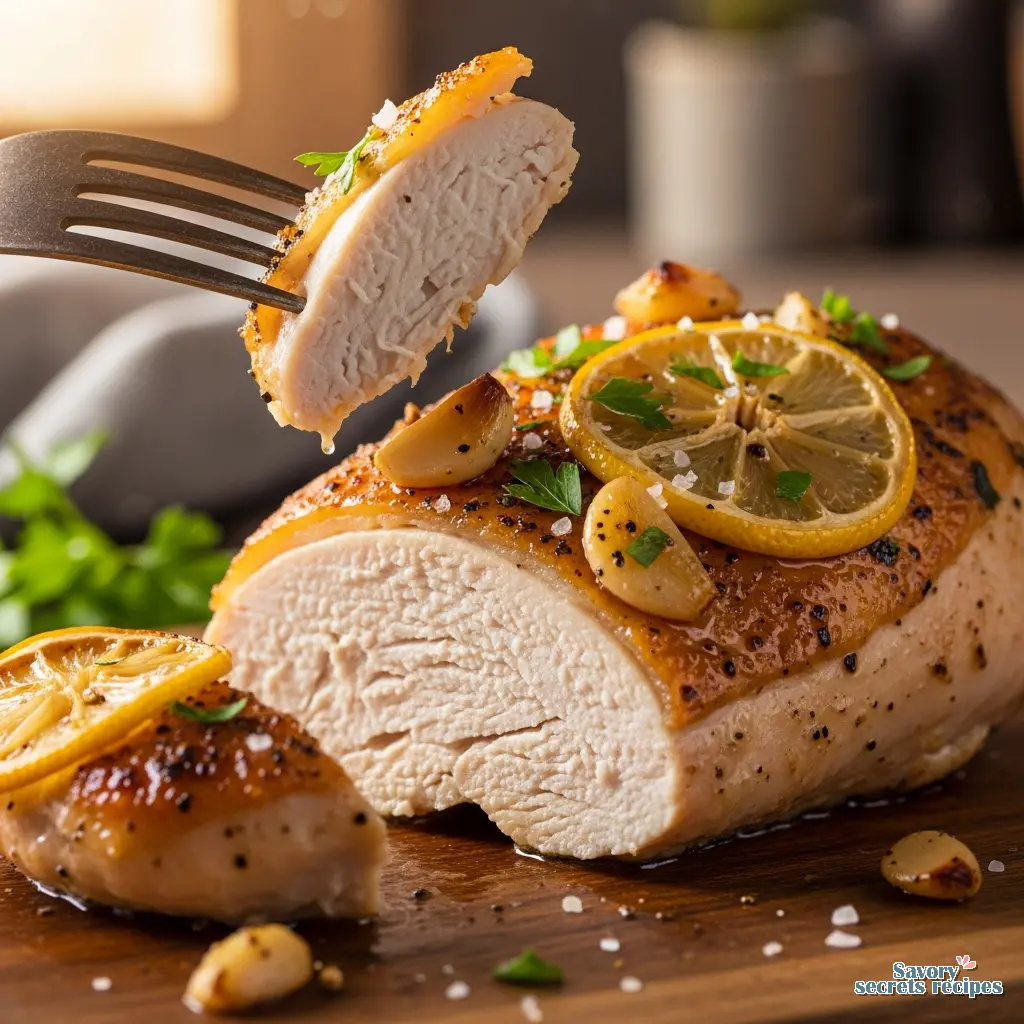
Easy Baked Lemon Garlic Chicken Recipe
Ingredients
Method
- Combine the garlic, lemon zest, lemon juice, black pepper, kosher salt, red pepper flakes, honey, olive oil, oregano, and parsley in a small bowl and whisk thoroughly.
- Place the chicken pieces in a zip-top storage bag and pour the marinade over them. Press out the air, seal the bag, and massage to coat the chicken evenly.
- Marinate the chicken for 1 to 2 hours, then preheat the oven to 425°F when ready to cook.
- Set a wire rack over a rimmed baking sheet to catch any drippings.
- Arrange the chicken on the wire rack without touching and bake for 35 to 40 minutes, flipping the pieces halfway through.
- Begin baking skin-side down for bone-in, skin-on chicken, then flip to skin-side up at the halfway point to brown and crisp the skin.
- Garnish with extra parsley and a squeeze of lemon juice before serving.
- Serve the chicken either hot or chilled.
Nutrition
Notes
The 5 PM Panic and This Baked Lemon Garlic Chicken Recipe
It is 5 PM on a Tuesday. You are staring into the fridge. The dreaded dinner panic sets in. Not gonna lie, I have been there more times than I can count. Your brain is completely fried from work, and the idea of tackling a complicated meal feels practically impossible. I remember my avó’s kitchen in Somerville always smelled like olive oil and garlic. She would start her sofrito at 4 PM for dinner at 6, and the whole triple-decker would smell like home. She never measured anything. She just poured and tasted. I would watch her hands move and try to memorize the proportions.
We do not always have two hours to build flavor on a weeknight. That is exactly why this baked lemon garlic chicken recipe is the weeknight answer I’ve been looking for. It gives you that restaurant-quality aromatic experience without the exhaustive prep. I mean, who wants to scrub multiple pots after a long shift? Nobody. When you pull this baking dish out of the oven, the sizzle of the pan drippings and the zesty scent of roasted Meyer lemons will instantly shift you from work mode to home mode. It is a sensory transition. Trust me on this.
The Core Ingredients (And Why They Matter)
Here’s the thing, though. A simple recipe only works if your ingredients are doing their jobs. You probably already have most of these in your pantry. We need a good quality extra virgin olive oil, kosher salt and cracked pepper, and a few fresh components.
I always insist on using a whole head of fresh garlic rather than the jarred minced stuff. I know the jarred garlic is convenient. I really do. But it often has a harsh, metallic taste that overpowers the delicate Mediterranean flavors we are trying to build. Fresh cloves of minced garlic melt into the oil and create a sweet, roasted profile. For the citrus, try to grab California-grown Meyer lemons if you are doing a Ralphs or Trader Joe’s run. They are slightly sweeter and less acidic than standard lemons. But don’t worry if your lemons aren’t perfectly ripe. The oven heat will coax out their natural sugars anyway.
The Science of Citrus Marinating (The 3-Hour Rule)
Let me think about that for a second. How long should you actually marinate poultry? I see so many meal prep guides suggesting you leave meat in a citrus bath overnight. I’d probably want to see more research on that before I’d feel comfortable saying it works, because in my experience, it completely ruins the texture.
A recipe is a hypothesis until you’ve tested it three times. I tested this overnight marinating theory, and the result was incredibly disappointing. The high acidity in the lemon juice essentially “cooks” the protein fibers. If you leave it too long, the flesh becomes mushy and stringy. Not appetizing at all. For this baked lemon garlic chicken recipe, you want to marinate for a minimum of 1 hour and a maximum of 3 hours. That is your sweet spot for peak flavor. Just toss everything into a marinating bag, pop it in the fridge, and set a timer. It is that simple.
Step-by-Step: Prepping for Even Cooking
This isn’t being fussy, it’s the difference between dry edges and perfectly juicy meat. If you are using standard breasts, they are usually uneven. One end is incredibly thick while the other tapers off to nothing. If you bake them like that, the thin end will dry out before the thick end reaches a safe temperature.
You have two options here. You can either slice thick chicken breasts horizontally into thinner cutlets, or you can butterfly chicken breast to open it up. Sometimes I even just buy the tenderloin cuts if I want to skip the knife work entirely. If you prefer dark meat, you can absolutely use chicken thighs bone-in. Just remember that bone-in dark meat requires more time. If using chicken thighs, increase the cooking time by approximately 10 minutes. Makes sense to me, right?
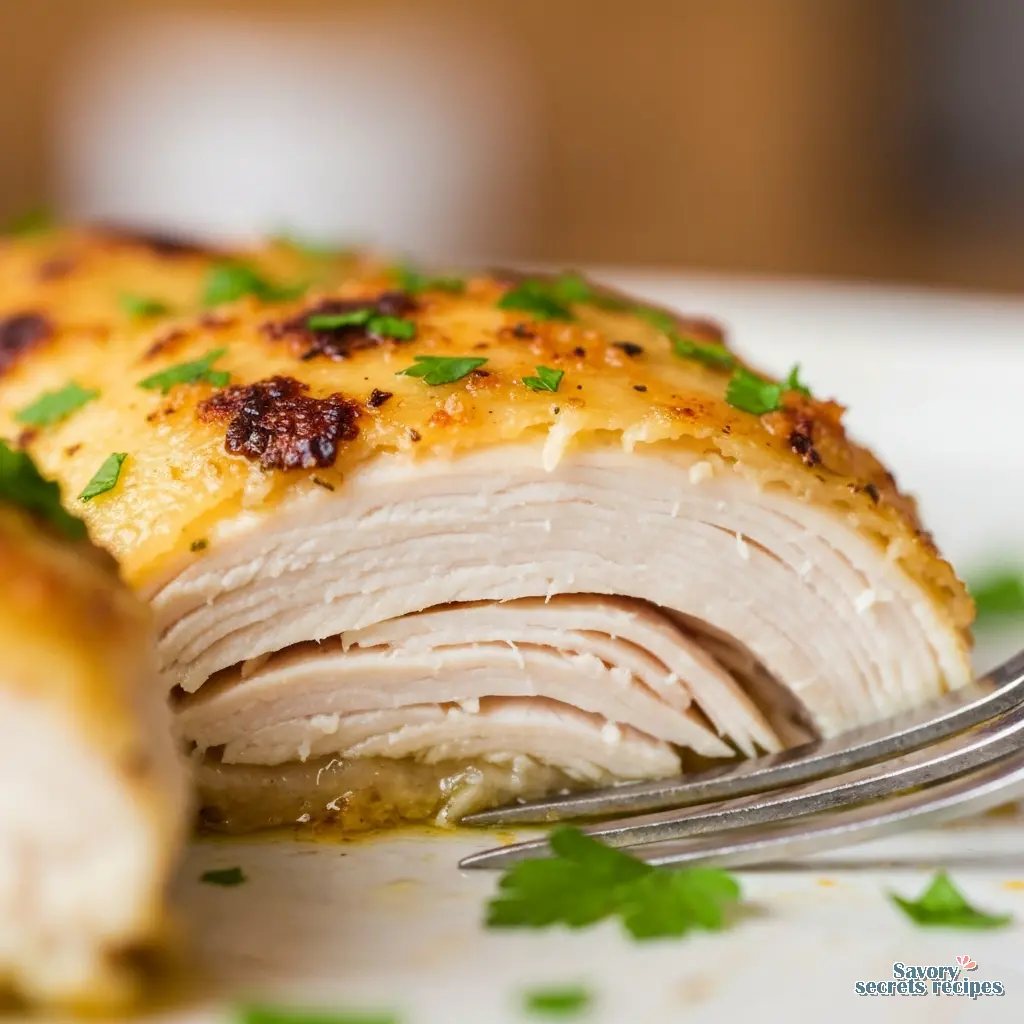
Fresh vs. Dried Herbs: A Quick Conversion Guide
I genuinely love the moment when a recipe works exactly as it should. The herbs are a big part of that success. We are using fresh oregano and parsley here. I always recommend flat-leaf Italian parsley because it is significantly less bitter than the curly varieties. Plus, it looks much more elegant.
But what if you only have dried herbs? That tracks with what I’ve seen in most home kitchens. You can absolutely use dried oregano. The general rule of thumb is to use one-third the amount of dried herbs compared to fresh. So, if the recipe calls for a tablespoon of fresh oregano, use one teaspoon of dried. Here is a crucial tip I learned years ago: always rub dried herbs between your hands before adding them to the dish. The friction releases the dormant essential oils and wakes up the flavor. Taste as you go, your palate is data.
Common Mistakes & Fixes
Mistake: The meat turns out dry and tough.
Solution: You likely skipped thinning out the breasts or guessed the doneness. Always use an instant read meat thermometer. Pull it out exactly at 165°F (74°C) for perfectly juicy results.
Mistake: The garlic burns and tastes bitter.
Solution: Garlic burns quickly at high heat. Make sure to tuck the minced garlic under the meat or ensure it is well-coated in oil to act as a buffer.
Mistake: The chicken is sitting in a watery puddle.
Solution: You overcrowded the pan. The meat needs space for the air to circulate. If they are touching, they will steam instead of roast. Layer lemon slices under the meat to elevate it slightly from excess juices.
Side Dish Pairing Guide for Your Baked Lemon Garlic Chicken Recipe
If the vegetables aren’t appealing, the recipe isn’t working. I like dishes where the vegetables are the point, not an afterthought. Since this baked lemon garlic chicken recipe has such a bright, acidic profile, you want sides that can either soak up those incredible pan drippings or provide a textural contrast.
For a low carb keto approach, serve this over creamy mashed cauliflower or blistered green beans. If you aren’t watching carbs, steamed couscous or crusty sourdough bread (very San Francisco style) is perfect for mopping up the sauce. Some folks like to add a white wine splash to their pan drippings, but I skip that completely. The fresh lemon juice and chicken juices provide more than enough bright acidity and flavor on their own. You really don’t need it. I also love throwing some fresh rosemary sprigs over roasted vegetables on a separate sheet pan for a complete meal.
Freezer Meal Instructions & Meal Prep
I’m not sure I’ve mastered the art of quick weeknight cooking myself. I still rely heavily on meal prep because Tuesday-night me is not particularly creative. The beauty of this baked lemon garlic chicken recipe is how well it adapts to freezing.
You can freeze the meat directly in the marinade. Just place the raw poultry, oil, lemon zest, garlic, and herbs into a freezer-safe bag. Squeeze out all the air and freeze flat. The meat will actually marinate as it thaws in the refrigerator overnight. It is a brilliant strategy for busy weeks. Just remember not to freeze it with whole lemon slices, as the rinds can turn the whole batch bitter in the freezer. Stick to just the zest and juice.
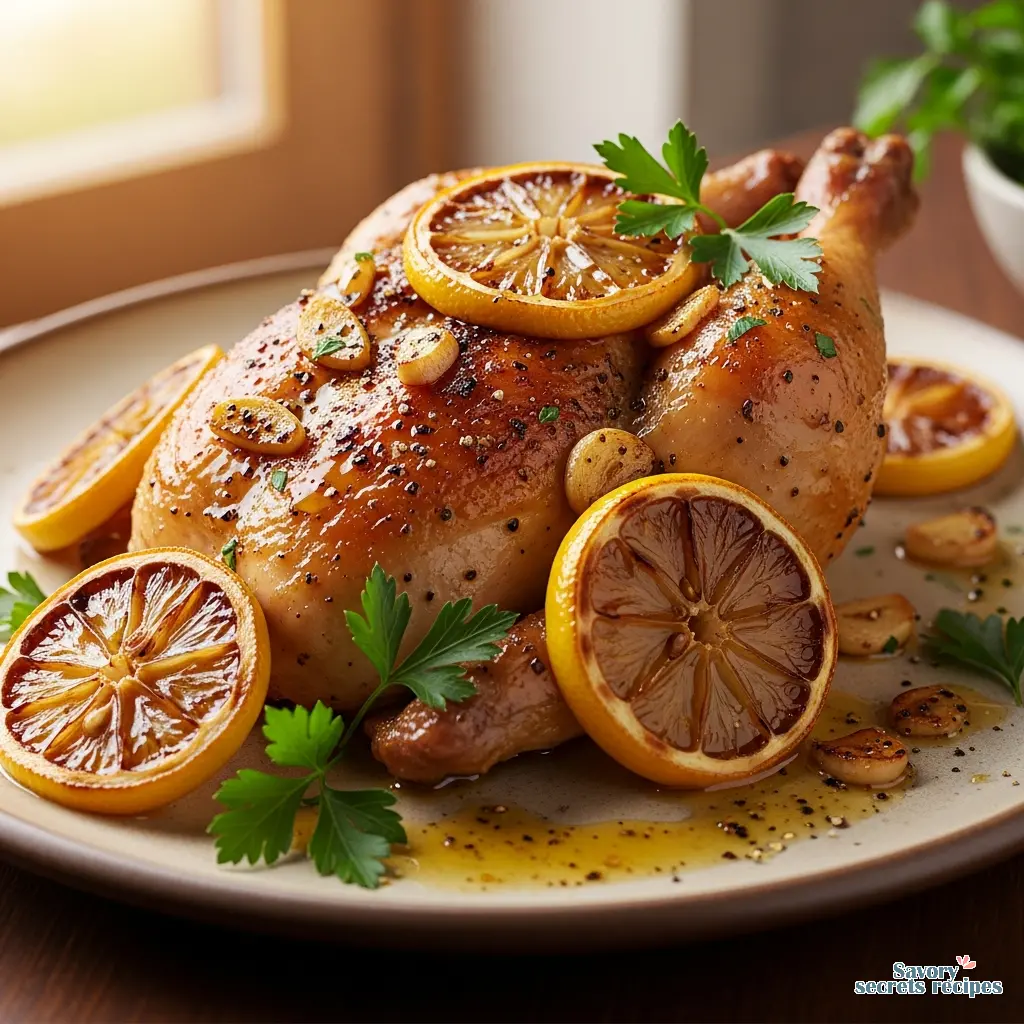
Storage and Reheating Guide
If you have leftovers from your baked lemon garlic chicken recipe, proper storage is key to preventing dry meat the next day. Place the cooled leftovers in airtight meal prep containers and keep them in the refrigerator for up to 3 days. Make sure to scrape every last drop of those pan juices into the container.
When it is time to reheat, do not just blast it in the microwave on high. That is a guaranteed way to get rubbery meat. Instead, slice the cold meat first. Place it in a skillet over medium-low heat with a splash of water or chicken broth, and cover it with a lid. The steam will gently warm the meat through while keeping it beautifully moist. You can also eat it cold over a leafy green salad. Honestly, the flavors deepen overnight, making it fantastic for lunch.
Frequently Asked Questions
What is the best type of parsley to use?
Flat-leaf Italian parsley is always my top choice. It has a cleaner, more robust flavor compared to curly parsley, which can sometimes taste bitter or grassy. Plus, it blends much more smoothly into the pan drippings for a cohesive sauce.
faq-answer”>Flat-leaf is the way to go. It stands up better to the oven heat and doesn’t get that weird, crunchy texture that curly parsley sometimes develops when roasted. It has a cleaner, more robust flavor that doesn’t get lost in the garlic.
What is the safe internal temperature for this chicken?
You are looking for exactly 165°F (74°C) in the thickest part of the breast. I usually pull mine out at 162°F because the residual heat will carry it up those last few degrees while it rests. This is the secret to avoiding that dry, stringy texture everyone hates.
Switching It Up: Variations and Substitutions
I get bored easily, so I’m always messing with my own recipes. If you want to take this baked lemon garlic chicken recipe in a different direction, it’s pretty easy to swap things out. For a creamy Mediterranean version, I’ll sometimes whisk a few tablespoons of Greek yogurt into the pan juices right after I pull the dish from the oven. It creates a velvety, tangy sauce that is incredible over a bed of rice. Just make sure the chicken has rested for five minutes before you do this so the sauce doesn’t break.
If you like a bit of heat, add a teaspoon of crushed red pepper flakes to the marinade. The spice cuts through the fat of the olive oil and the brightness of the lemon in a way that’s really addictive. For an herb swap, try using fresh rosemary and thyme instead of oregano. It gives the dish a more earthy, French countryside feel. I’ve even tried this with orange zest and juice instead of lemon when I wanted something slightly sweeter, and it was a hit with the kids.
The Air Fryer Alternative
I know a lot of you are obsessed with your air fryers (I am too, honestly). If you don’t want to turn on the big oven, you can absolutely use this same baked lemon garlic chicken recipe in your air fryer. It’s actually a great way to get those edges even crispier. I usually set mine to 375°F and cook the pieces for about 12 to 15 minutes. You’ll want to flip them halfway through to make sure the garlic doesn’t just sit on top and burn. Because the air fryer is so compact, the lemon scent really intensifies. It’s a great shortcut for those nights when you’re running behind.
Chicken Cut Substitution Guide
While I usually reach for boneless, skinless breasts because they’re easy, you can use whatever you have in the freezer. Just keep an eye on your watch. If you’re using bone-in chicken thighs, you’ll need to add about 10 to 15 minutes to the total bake time. Thighs are much more forgiving than breasts because they have a higher fat content, so they won’t dry out as quickly if you accidentally overcook them by a minute or two. Drumsticks are also a fun option if you’re cooking for a crowd or have little ones who like to eat with their hands. Just make sure you don’t crowd the pan. If the pieces are touching, they’ll steam instead of getting that beautiful golden roast.
Expert Notes & Data Insights
After making this dish dozens of times, I’ve realized that the small details are what make it a staple. The 3-hour marinating rule isn’t just a suggestion: it’s the difference between a tender dinner and a mushy mess. I’ve looked at the science of it, and that citrus acid is powerful stuff. It starts breaking down the protein bonds almost immediately. By the three-hour mark, you’ve achieved maximum flavor penetration without compromising the integrity of the meat.
Also, don’t sleep on the quality of your olive oil. Since there are so few ingredients here, you can really taste the oil. Use something that has a bit of a peppery finish. It complements the garlic and lemon perfectly. Lastly, always let your meat rest for at least five minutes before you slice into it. I know it’s hard when the kitchen smells that good, but those juices need time to redistribute. If you cut it too soon, all that moisture ends up on the cutting board instead of in your mouth. You’ve worked hard on this meal, so give it those few extra minutes to reach perfection.
Can I make the marinade for this baked lemon garlic chicken recipe in advance?
Absolutely. You can whisk the olive oil, garlic, lemon zest, and herbs together up to two days in advance. Store it in a jar in the fridge. Just wait to add the fresh lemon juice until right before you marinate, so it stays vibrant.
Can I marinate the chicken overnight?
I strongly advise against it. The high acidity from the citrus will break down the protein fibers too much, resulting in a mushy, stringy texture. Stick to the 3-hour maximum rule for this baked lemon garlic chicken recipe to keep the meat perfectly tender.
Can I use dried oregano instead of fresh?
Yes, you can easily swap fresh for dried. Use about 1.5 teaspoons of dried oregano in place of the fresh. Remember to rub the dried herbs firmly between your palms before adding them to release their natural oils and maximize the flavor.