



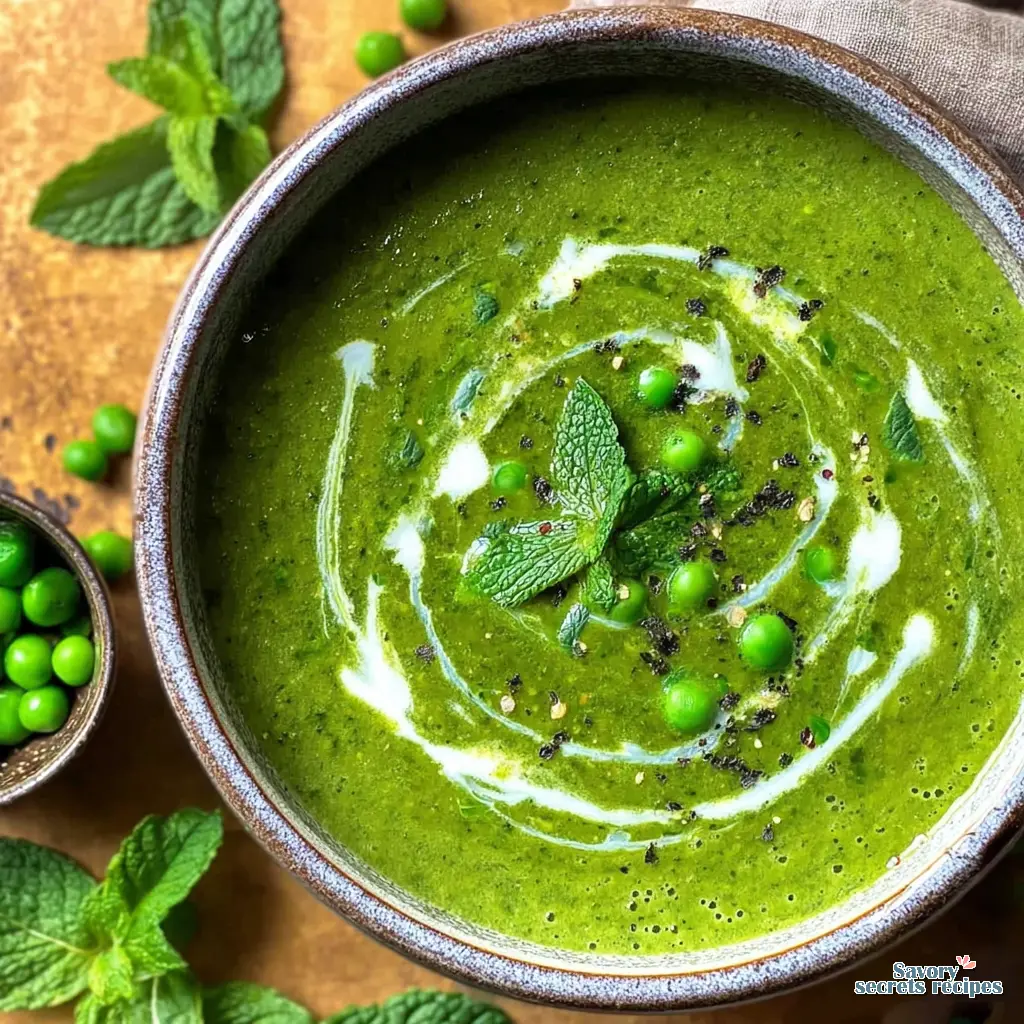
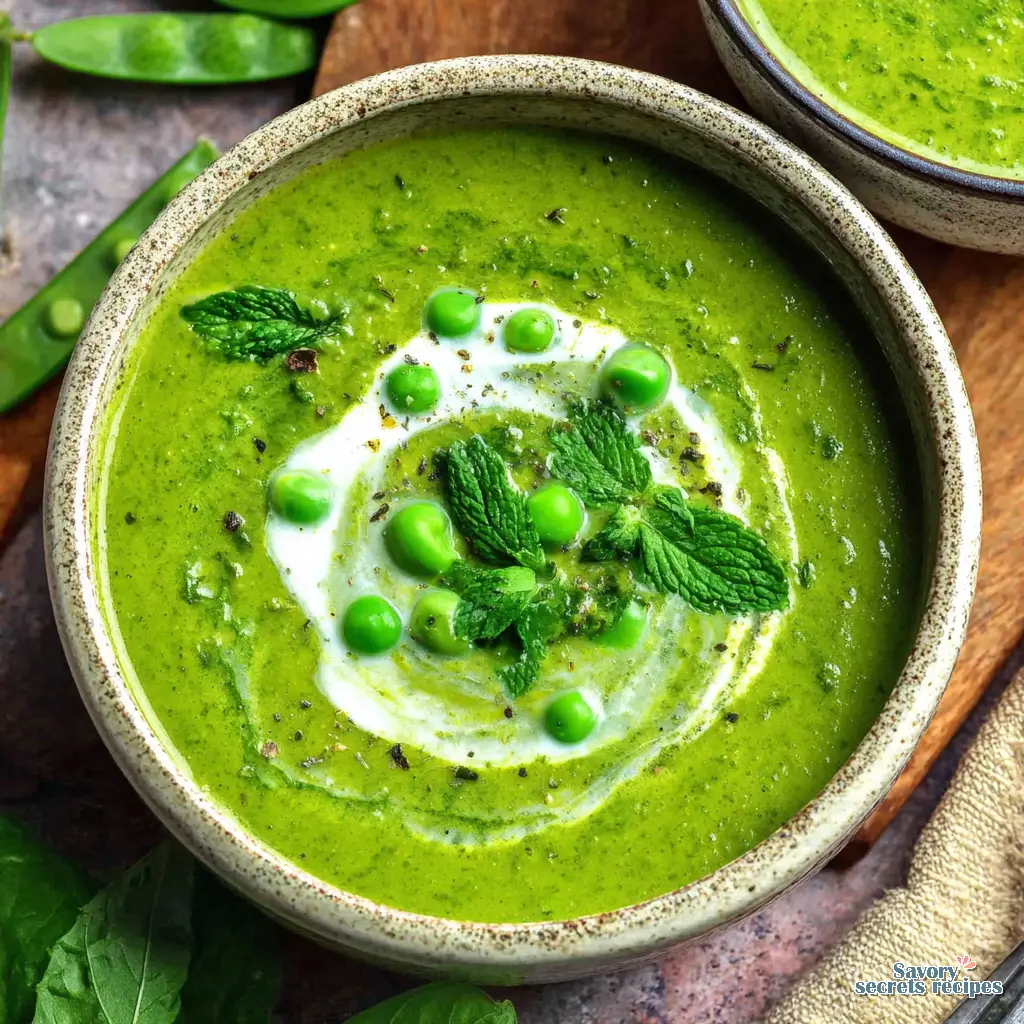
Green Goddess Pea and Mint Soup
Ingredients
Method
- Finely slice the onion. Peel the potato and cut into 2 cm cubes.
- Heat oil in a deep saucepan and sauté onions for a few minutes until translucent.
- Pour in vegetable stock and add potatoes. Bring to a boil, then add peas and spinach. Simmer on medium heat for 5-8 minutes until potatoes and peas are tender and spinach is heated through.
- Remove the pot from heat and add mint leaves. Puree the soup using an immersion blender or standard blender until it reaches the desired consistency.
- Season with salt and pepper to taste. Serve with an optional dollop of yogurt for a creamy texture.
- Serve the soup either hot or chilled.
Nutrition
Notes
Storage instructions
This pea mint and spinach soup will keep up to 5 days in the fridge. Store it in an airtight container. You can either reheat the soup the next day or enjoy it chilled. Add a little water or vegetable stock if needed to thin it out. To freeze pour it in portions into freezer bags and freeze for up to three months.Welcoming Spring With A Proper Green Goddess Reset
My daughter went through a rather stubborn phase recently where she would only eat what we called white and brown foods. It really limited our options. I started grating carrots into fried rice and calling it confetti rice. She was so delighted by the name that she did not even notice she was eating vegetables. I felt like a culinary spy. Now she asks for confetti rice specifically, and I have slowly increased the carrot ratio. Small victories.
I bring this up because getting vibrant, nutrient-dense greens into our diets can sometimes feel like a chore, especially after the heavy comfort food of winter. By the time the Spring Equinox rolls around in March, I am desperately craving something bright. I want that visual pop of emerald green that just screams vitality. That is exactly where this pea spinach and mint soup comes in. It is the ultimate transition meal.
To be honest, we all have that half-empty bag of baby spinach wilting in the fridge from our last Tesco run. The guilt of throwing it away is real. This green goddess pea and mint soup is your solution. It looks incredibly high-end, tastes like a kitchen spa moment when the fresh mint hits the warm broth, and it acts as the perfect reset for those sluggish days.
The 15-Minute Method: Building Flavour Fast
I know a lot of healthy lunch ideas promise to be quick, but this one genuinely delivers. The entire foundation of this soup is built in the first five minutes. You are just softening onions or shallots in a glug of oil or a knob of butter. Any onion type works perfectly well here.
Here is what I wish someone had told me early on. Take your time frying those onions to develop their natural sweetness. You want to avoid bitterness from burning them at all costs. I learned to properly brown ingredients from a line cook I interviewed years ago. He told me you have to resist the urge to constantly move things around in the pan. Just let it do its thing. Trust the browning process.
Once your base is soft and fragrant, the rest is just assembling blocks of flavour. You pour in your vegetable stock, add your greens, and let the heat work its magic. It is actually quite forgiving. I mean, you could skip the potato if you wanted a thinner broth, but I find it adds that essential creamy mouthfeel without needing heavy cream.
Common Mistakes & Fixes
Mistake: Burning the onions.
Solution: This creates a bitter undertone that ruins the delicate pea flavour. Keep the heat medium-low and stir occasionally until they are translucent and sweet.
Mistake: Adding too much stock at once.
Solution: Start with less stock (about 500ml) and add gradually to reach your desired thickness. You can always add more liquid, but you cannot take it away.
Mistake: Not squeezing the water out of defrosted spinach.
Solution: If you are using frozen spinach, defrost it fast by running lukewarm water over a mesh strainer, then squeeze it dry. Excess water waters down your beautiful soup.
Colour Preservation: Keeping It Emerald Green
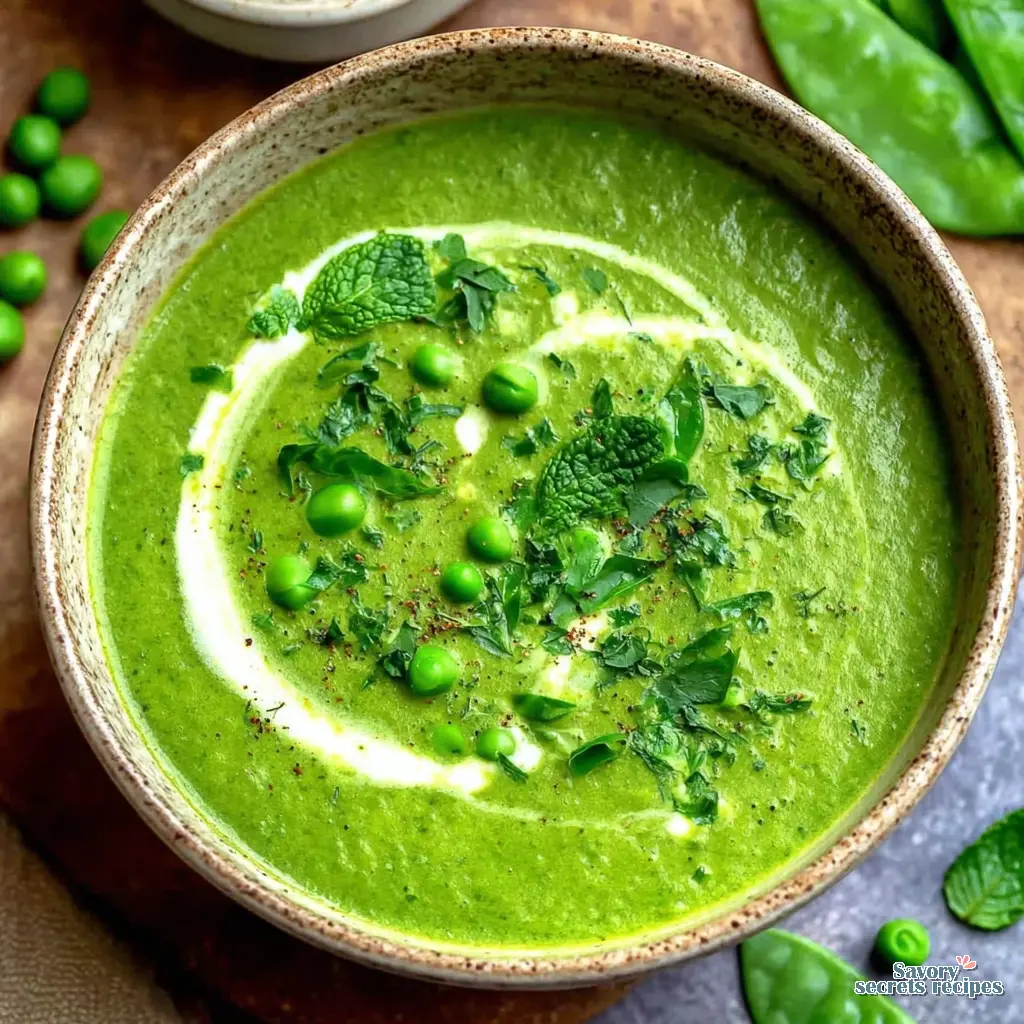
We eat with our eyes first. Nobody wants to eat a swampy, brown puree. The secret to that vivid, Instagram-worthy green goddess pea and mint soup look is entirely about timing and chlorophyll preservation.
Let me think through this. The research isn’t entirely clear on the exact degradation point of chlorophyll in home cooking, but practical experience tells me that prolonged heat is the enemy of green vegetables. You want to blanch your spinach and peas just enough to cook them, not boil them into submission.
Add your peas and spinach at the very end of the cooking time. They only need about two to three minutes in the simmering vegetable stock to become tender. If you boil them for ten minutes, the acid in the vegetables reacts with the chlorophyll, and you get that dull olive-green colour. I prefer vegetables that still have some resistance when you bite into them anyway. If it smells ready, it probably is.
Frozen vs Fresh: The Nutritional Truth
I am going to give you full permission to march right past the fresh produce aisle and head straight for the freezer section. Yes, really. When I am doing my weekly big shop at Sainsbury’s or Tesco, I always grab a bag of frozen petits pois.
Are frozen peas better for you than fresh ones? Often, yes. Fresh peas begin losing their Vitamin C and natural sugars the moment they are picked. Unless you are buying them from a farmers market and shelling them that same afternoon, frozen peas are actually sweeter and more nutrient-dense. They are flash-frozen within hours of harvesting, locking in that antioxidant-rich goodness.
The same logic applies to frozen spinach. It is incredibly convenient for a quick midweek dinner. Just remember to squeeze out the excess water. I’ve ruined a few batches by just tossing a frozen block of spinach directly into the pot. It drops the temperature of the soup and adds too much water. Lesson learned.
Blender Breakdown: Immersion vs Stand vs Vitamix
Getting that silky puree texture is where the magic happens. I remember standing on a step stool next to my grandmother in her tiny Taipei kitchen, watching her prep ingredients. She always knew exactly how to manipulate textures. We do the same thing today, just with modern tools.
If you have a standard immersion blender (a stick blender), you can absolutely make this pea spinach and mint soup right in the pot. It saves on washing up, which is always a bonus. However, high-fiber greens like kale or mature spinach can sometimes leave the soup a bit stringy if your stick blender lacks power.
For a truly restaurant-quality, silky smooth finish, a high-powered stand blender like a Vitamix is your best friend. In fact, you can use a high-powered blender for two to three extra minutes to heat the vitamix soup purely through friction, completely bypassing the stove for the final step. Just be careful. I have definitely opened a blender lid too quickly and ended up with hot green soup on my ceiling.
A great tip for texture management: leave a handful of peas unpureed and stir them in at the end. It adds a lovely pop of texture against the smooth broth.
The Science of Mint & Apple
Now we’re talking. This is the good stuff. The pairing of peas and mint is a classic British flavour profile, but we are taking it a step further. Have you ever tried a pea apple and mint soup?
The Granny Smith apple is my secret weapon here. Spinach and kale can sometimes carry a heavy, slightly grassy or bitter note. The malic acid and natural sweetness in a tart apple perfectly balance those earthy greens. It brightens the whole pot without making it taste like fruit juice. If you are making a pea mint kale soup, the apple is absolutely non-negotiable to tame the bitter kale leaves.
As for the fresh mint leaves, timing is everything. Fresh mint is non-negotiable for that bright flavour, even if you are using frozen veggies. Do not use dried mint here. I’ve tried it, and it just tastes dusty. Toss your fresh mint in right before blending. If you boil mint, it turns bitter and loses its delicate, aromatic oils.
Hot vs Cold Serving Instructions
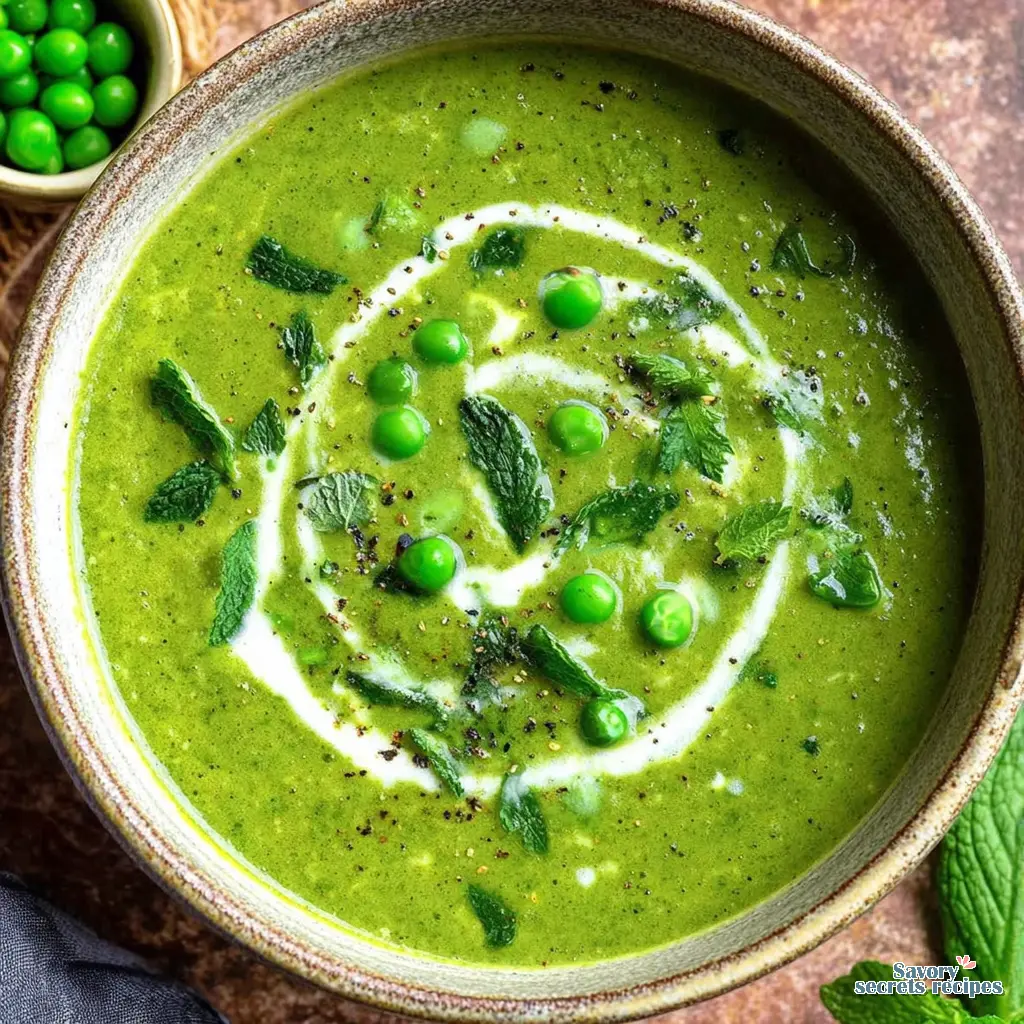
This soup is brilliantly versatile. On a chilly, damp spring afternoon in London, serving it piping hot with a slice of thick, crusty white bread and a knob of West Country Cheddar is pure comfort. The heat releases the aromatic oils of the mint, filling your kitchen with an incredible fragrance.
That said, it is equally stunning served chilled on a warmer day. If you choose to serve it cold, there is one crucial adjustment you must make. Cold temperatures dull our perception of flavour. You will need to re-season the soup aggressively. Taste as you go. Add an extra pinch of salt, a squeeze of lemon zest, and perhaps thin the soup with a little extra vegetable stock, as it thickens considerably in the fridge.
Storage & Freezing Guide
Meal prep is a lifesaver during busy weeks. I usually make a double batch of this pea spinach and mint soup on a Sunday afternoon. It stores beautifully in airtight containers in the fridge for up to three days, maintaining that gorgeous green colour thanks to our careful cooking method.
When reheating, do it gently on the stove over low heat. Boiling it vigorously at this stage will destroy the fresh mint flavour and dull the colour. A microwave works too, just stir it halfway through.
Can you freeze it? Absolutely. Portion it into freezer bags or containers, leaving a little room at the top for expansion. It will keep perfectly for three to six months. Just let it thaw overnight in the fridge before reheating. If the texture separates slightly after freezing, a quick blitz with your immersion blender will bring it right back to a silky puree.
Frequently Asked Questions
Bringing It All Together
When you take that first bright, herbaceous spoonful of this pea spinach and mint soup, you will understand exactly why I keep this recipe in my weekly rotation. It is the perfect balance of rich and bright. The sweet peas, the earthy spinach, and that refreshing kick of fresh mint create something truly special. It is a brilliant way to sneak extra greens into your family’s diet without anyone complaining.
I hope you give this a try the next time you need a quick, nourishing meal. Trust me, your future self will thank you when you have a batch of this sitting in the fridge ready for lunch. Welcome Spring to your table.
I share tons of variations and seasonal ideas on my Pinterest boards, so do come over and find some new favourites to try!
Reference: Original Source
Can you make soup from frozen spinach and peas?
You absolutely can. In fact, I prefer using frozen vegetables for this pea spinach and mint soup. They are flash-frozen at peak freshness, meaning they retain their bright green colour and sweet flavour perfectly. Just remember to squeeze the excess water from your defrosted spinach.
Why is frozen spinach better for you?
Frozen spinach is often more nutrient-dense than fresh spinach that has been sitting in a supermarket fridge for days. The flash-freezing process locks in essential vitamins and antioxidants immediately after harvest. Plus, it is incredibly convenient and reduces food waste in your kitchen.
Are frozen peas better for you than fresh ones?
Yes, usually. Fresh peas begin converting their natural sugars into starch the moment they are picked, losing sweetness and Vitamin C rapidly. Frozen petits pois are frozen within hours of picking, preserving their sweet flavour and nutritional profile perfectly for your soup.
How to add frozen peas and spinach to soup?
Timing is everything here. Add your frozen peas and squeezed, defrosted spinach during the final two to three minutes of simmering. You only want to heat them through, not boil them. This preserves that vibrant green goddess pea and mint soup colour.
Can I freeze this soup?
Yes, this pea spinach and mint soup freezes beautifully. Let it cool completely, then transfer to freezer-safe bags or containers for up to six months. If the texture separates slightly upon thawing, just give it a quick blitz with your blender while reheating.
Is this soup suited for a slimming world diet?
It certainly is. To adapt it, simply swap the olive oil or butter for a low-calorie fry light spray when softening your onions. Use a fat-free Greek yogurt swirl to garnish instead of cream. It is naturally low in calories and packed with fiber.