



15 Minute Creamy Spring Pasta for Busy Families
Ingredients
Method
- Boil the penne in salted water according to package directions, then drain and set aside.
- Heat olive oil in a large skillet over medium heat and sauté the broccoli, bell pepper, squash, and zucchini until tender-crisp.
- Stir in the minced garlic and cook for 30 seconds until fragrant.
- Pour in the half and half and bring the mixture to a gentle simmer.
- Mix in the Parmesan cheese, salt, black pepper, and red pepper flakes if desired.
- Add the cooked pasta to the skillet and toss thoroughly to coat with the cream sauce.
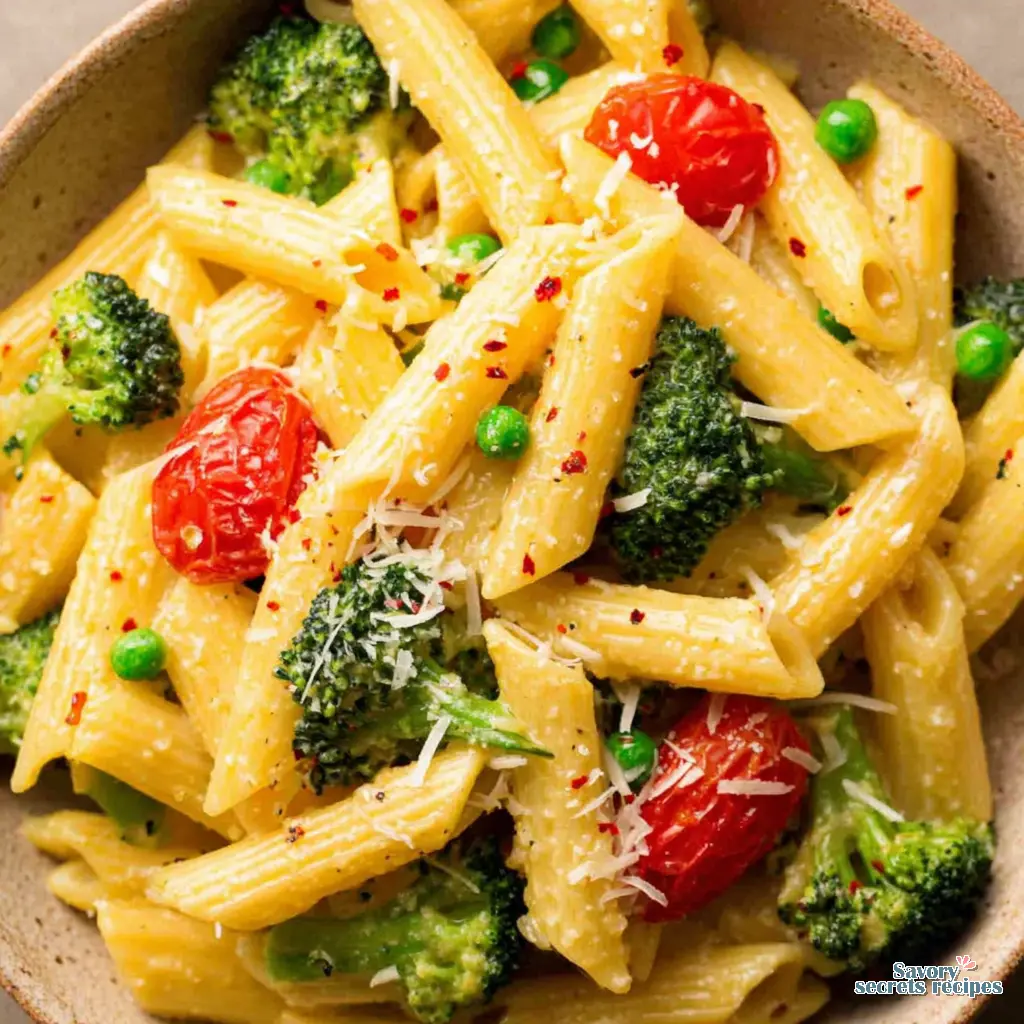
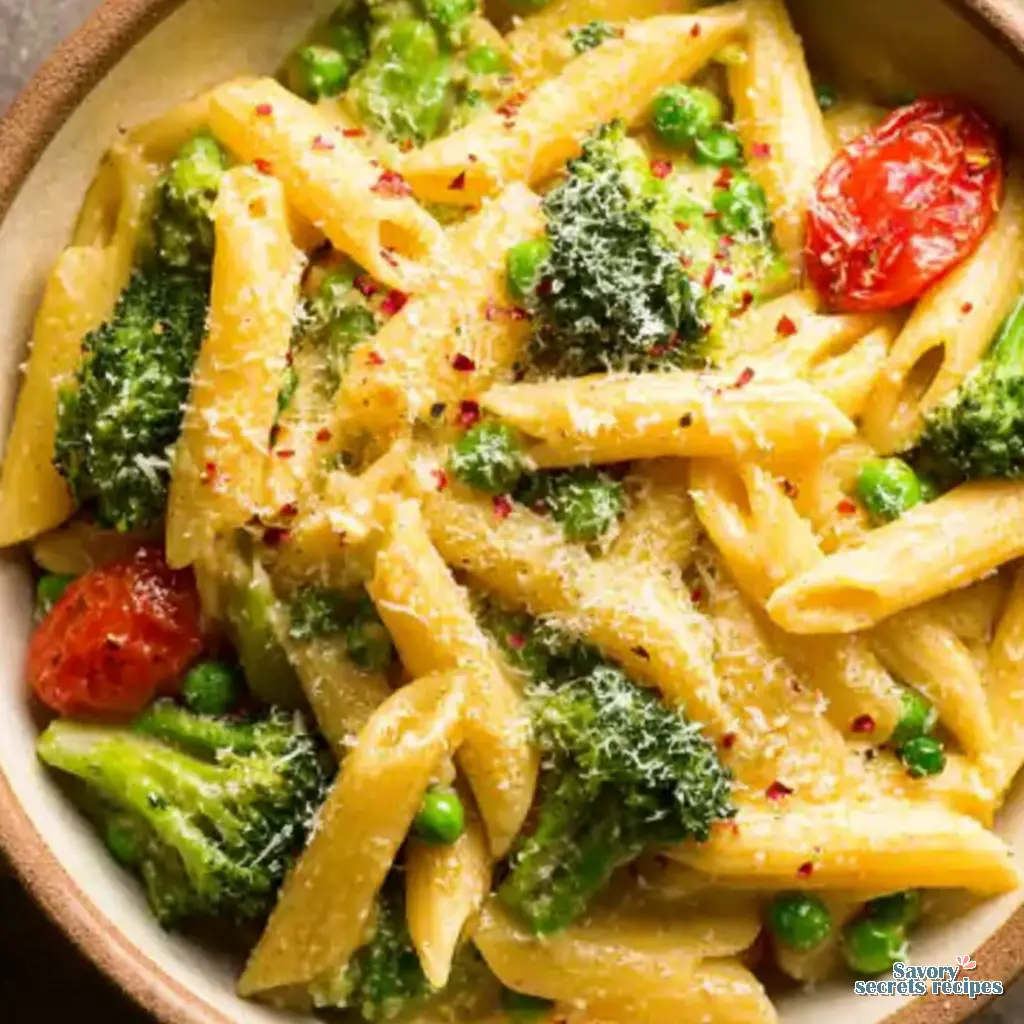
- Fold in the cherry tomatoes and garnish with additional Parmesan and fresh herbs before serving.
Nutrition
Notes
The Science Behind a Perfect Easy Spring Pasta Recipe
That first warm day in March always shifts something in my brain. The windows are finally open here in Los Angeles, letting in that slight California breeze. You get home from a long 9-to-5 shift, and the absolute last thing you want is a heavy winter meal. But you also do not want to spend an hour standing over a hot stove. I know exactly how tired you are on a Tuesday. I feel it too.
You want pasta, but you want to feel healthy. It is a very real conflict. Let me double-check my notes, but I promise you can’t mess this up. This easy spring pasta recipe is the perfect bridge between comfort food and fresh seasonal eating. We are talking about 15 minutes from boiling water to a plated dish. Honestly, it is entirely doable.
My grandmother, Babcia Helena, used to tell me that precision matters more than good intentions. She taught me to trust my hands but always verify with my tools. I still think about that every time I measure out salt. While I usually rely on my pH meter for my fermentation projects, making a spring pasta recipe simple requires a different kind of precision. You have to watch the clock and trust the process. When you take that first bite, you’ll know spring is officially here.
15-Minute Prep Hack: Setting Up for Success
Let’s talk about efficiency. To make a 15 minute spring pasta for busy families actually take 15 minutes, you need your ingredients ready before the water boils. This is what chefs call mise en place. According to the guidelines of basic kitchen prep, having everything chopped saves you from panicking while the pasta cooks.
You probably already have most of these pantry staples. Grab your garlic cloves, extra virgin olive oil, and whatever fresh vegetables you have. I’d want to verify first what is actually sitting in your crisper drawer. If you only have broccoli instead of asparagus spears, use the broccoli. I give you full permission to adapt this easy spring pasta recipe based on what you have.
Here is my favorite shortcut. Honestly, if you are exhausted, use store-bought garlic paste. Better to err on the side of caution and get dinner on the table than stress over mincing garlic perfectly. The sizzle of garlic hitting the pan is just as satisfying either way. Just watch that garlic closely. The window between fragrant and burnt is exactly 30 seconds. I learned that the hard way.
Seasonal Produce Guide: Spring vs. Summer
There is a distinct difference between spring and summer produce. That tracks with what I’ve seen at the Santa Monica Farmers Market lately. For a true easy spring pasta recipe, we want to lean heavily into early-season greens.
Spring vegetables are delicate. Think sweet peas, tender asparagus spears, and baby spinach. These vegetables need barely any cooking time. If you wait until summer, you will start seeing zucchini, yellow squash, and cherry tomatoes taking over the stalls. You can absolutely use those later in the year, but right now, we want that bright, crisp spring energy.
If you cannot find fresh peas, frozen English peas work perfectly. Just to be safe, do not thaw them first. Toss them straight into the hot pasta right at the end. They will cook in seconds and keep their vibrant color.
If you prefer a meatless version, this approach makes for an incredible vegetarian spring pasta recipe that highlights the garden’s bounty.
Visual Doneness Indicators for Spring Veggies
I am hesitant to say definitively how many minutes your vegetables need without seeing them, because thickness varies so much. A pencil-thin asparagus spear cooks much faster than a thick one. Instead of staring at a timer, look for visual cues.
Blanching vegetables properly means watching their color. You want them to turn a hyper-vibrant, bright green. The moment they hit that color, they are done. If they start looking olive green or dull, they are overcooked. The data suggests that overcooked spring vegetables lose both their nutritional value and their satisfying crunch.
You want to pull them off the heat right when they look their absolute best. They will continue to soften slightly as they mix with the hot penne pasta and sauce. This is exactly the result we want to see.
The Importance of Salting Pasta Water
I cannot stress this enough. You must salt your pasta water until it tastes like the sea. I know some people worry about sodium, but I’d probably want to test that assumption first. Most of the salt goes down the drain, but what stays behind flavors the pasta from the inside out.
Babcia Helena used to measure salt in her palm first, then check it with a scale. She was meticulous. For a spring pasta dinner recipe, you need about a tablespoon of kosher salt per quart of water. If you skip this step, your entire dish will taste flat. No amount of parmesan cheese or fresh mint added later will fix under-salted pasta.
Drop your fettuccine or penne pasta into the boiling water and set your timer. You want it al dente, which means it still has a slight chew to it. Overcooked pasta will just turn to mush when you toss it with the vegetables.
Starchy Water: The Secret to Sauce
We need to talk about the pasta water miracle. This is the most crucial step for making a spring pasta recipe at home. Before you drain your pasta, scoop out at least one cup of that cloudy, starchy pasta water. Save it.
I had a massive oops moment a few years ago. I was rushing to get dinner ready, completely zoned out, and dumped the entire pot of pasta into the colander. All that beautiful starchy water went straight down the drain. I almost cried. The sauce ended up dry and clumpy.
That water is liquid gold. As the pasta boils, it releases starch into the water. When you mix that starchy water with fat, it emulsifies into a creamy, glossy sauce that clings perfectly to every single noodle. It is active biology, not magic.
The Science of the Emulsion
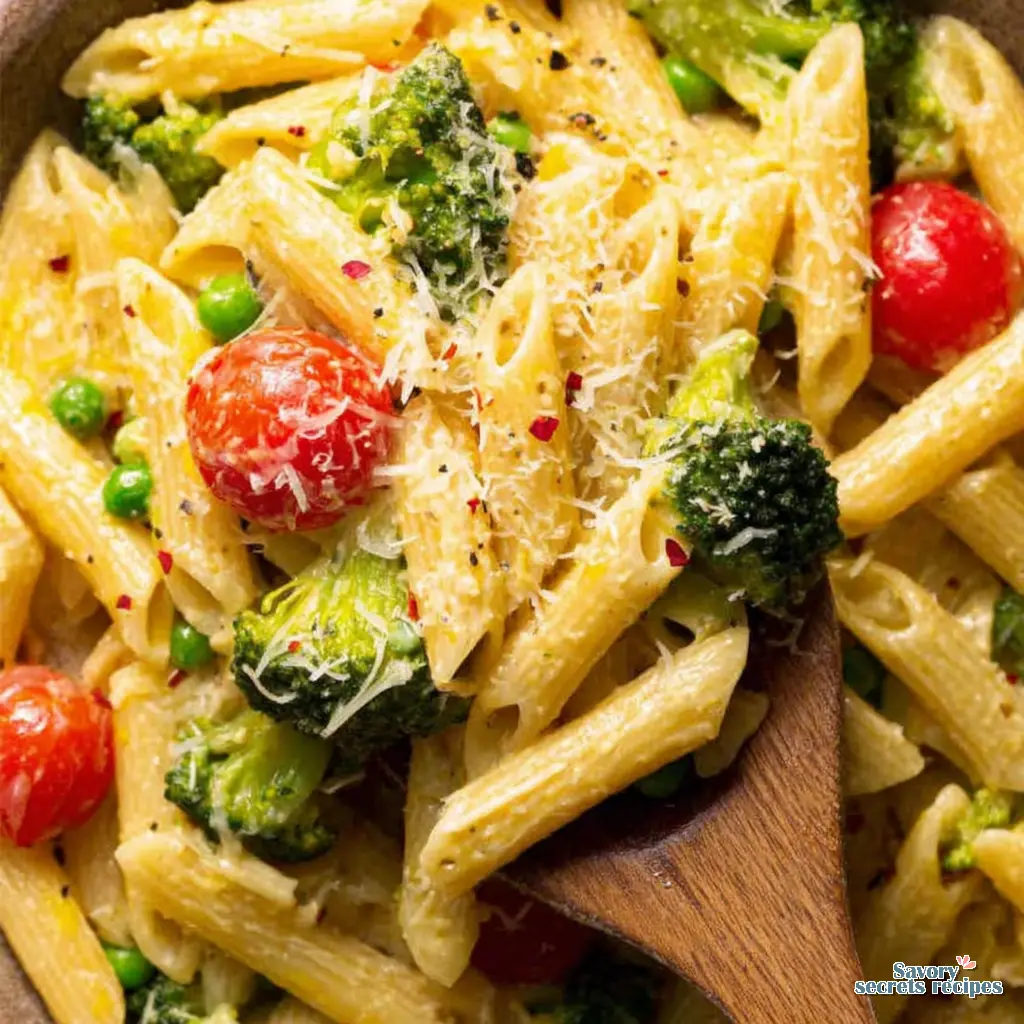
Let’s get slightly technical for a second. An emulsion happens when you force two liquids that normally hate each other (like oil and water) to bind together. In this easy spring pasta recipe, we are binding extra virgin olive oil and parmesan cheese with our reserved pasta water.
When you add the starchy water to the hot pan, the starch acts as a stabilizer. You toss the pasta vigorously. That physical agitation forces the fat molecules to suspend in the water. The result is a silky, rich coating that feels decadent but uses zero heavy cream. Now that’s the kind of precision I appreciate.
If your sauce looks watery, keep tossing. If it looks dry, add another splash of pasta water. You are in complete control of the texture. It is a beautiful process to watch.
Alcohol-Free Brightness: Using Citrus & Vinegar
Many classic Italian dishes rely heavily on a white wine sauce to provide acidity. For those who usually make a white wine sauce, we are skipping that entirely today. We do not need it. We can achieve that exact same bright, zesty flavor profile using fresh citrus.
The smell of fresh lemon zest hitting heat is incredible. It releases all those essential oils straight into your pan. I like to add the zest of one whole lemon, plus a squeeze of the juice right before serving. The acidity cuts through the richness of the cheese and olive oil perfectly.
If you do not have a lemon, a tiny splash of white wine vinegar or apple cider vinegar works in a pinch. Just a teaspoon will wake up all the flavors. I learned about using vinegar as a finishing touch from my grandmother’s pickling days. Acidity is the secret to making food taste alive.
Common Mistakes & Fixes
Mistake: Your pine nuts burned.
Solution: Pine nuts go from golden to charcoal in about ten seconds. Do not step away from the stove while toasting pine nuts. Keep them moving in a dry skillet, and transfer them to a cool plate immediately.
Mistake: The pasta congealed into a giant lump.
Solution: This happens often with thin noodles. Do not cook the pasta until your sauce and vegetables are completely ready. Serve it immediately to prevent it from turning into a gob.
Mistake: The vegetables turned gray and mushy.
Solution: You added them too early. Spring vegetables only need a quick blanch. Toss them in during the last two minutes of the pasta’s cooking time.
Storage & Reheating Instructions for Your Easy Spring Pasta Recipe
If you are making this easy spring pasta recipe for dinner, you might have leftovers. Storing them properly means you can enjoy a great lunch tomorrow. Refrigerate any leftovers in an airtight container for up to three days. Proper headspace prevents oxidation, even in pasta containers. While leftovers are great, if you’re hosting a gathering, you might prefer a dedicated spring orzo pasta salad recipe which holds up beautifully in the fridge.
Reheating pasta without making the vegetables mushy requires a gentle touch. Do not blast it in the microwave for three minutes straight. Place the pasta in a saucepan over medium-low heat. Add a splash of fresh water to loosen the sauce, and stir gently until warmed through.
If you must use the microwave, add a tablespoon of water to the bowl, cover it loosely, and heat in 30-second intervals. Stir between each interval. This keeps the sauce creamy and prevents the noodles from drying out.
Frequently Asked Questions
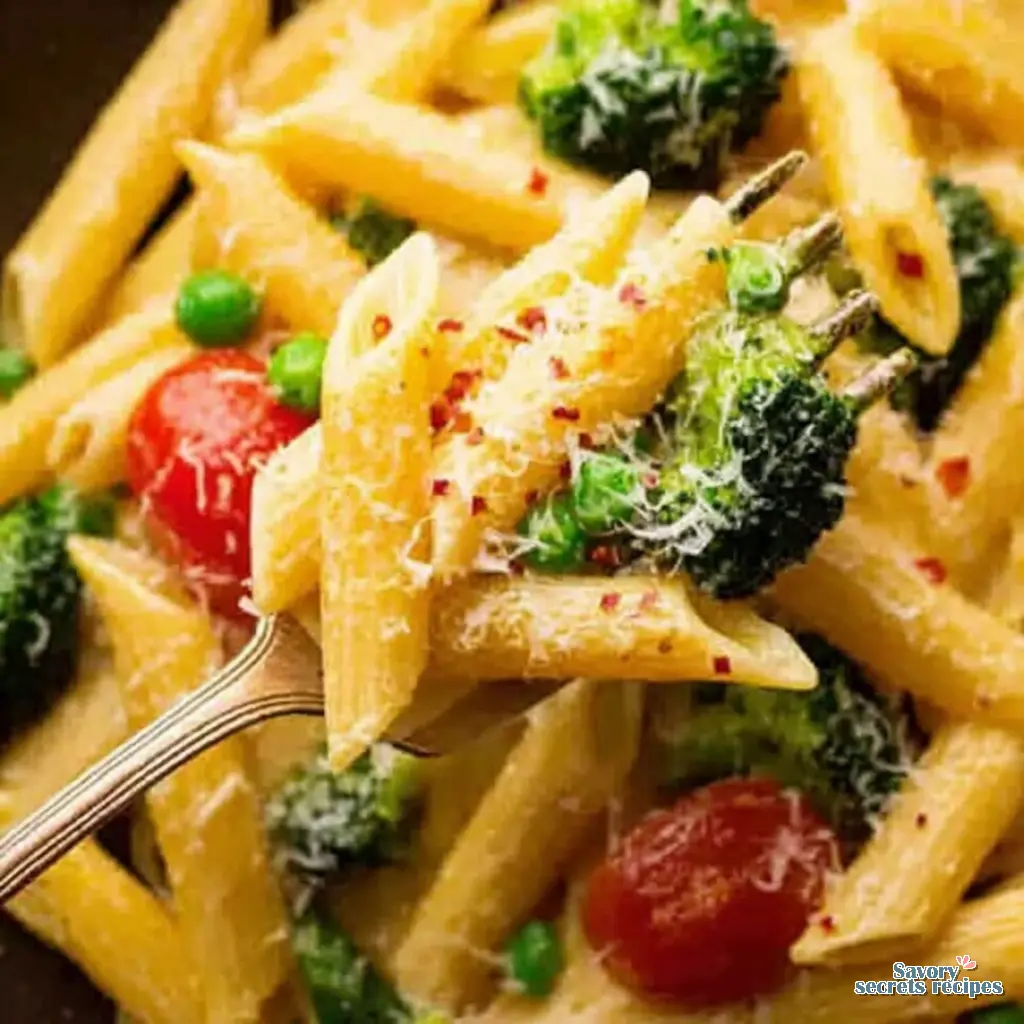
When you sit down with a bowl of this easy spring pasta recipe, you get to experience the absolute best of the season. The crunch of the asparagus, the pop of the sweet peas, and that silky, lemon-scented sauce coating every single noodle. It looks like a restaurant dish, but it only took you 15 minutes. Pair it with a glass of crisp sparkling water with lemon, and you have the perfect weeknight win. Trust me, it is worth it.
I share tons of variations on my Pinterest boards if you want ideas for swapping out ingredients as the seasons change. Happy cooking, and remember to save that pasta water!
Reference: Original Source
How can I make this easy spring pasta recipe in just 15 minutes?
The secret is multitasking. Boil your water first. While the pasta cooks, chop your vegetables and prep the sauce ingredients. Toss the quick-cooking veggies in during the last two minutes of boiling. It is an incredibly fast, streamlined process.
What are the best seasonal vegetables to use for a spring pasta recipe simple?
I highly recommend fresh asparagus spears, sweet peas, and baby spinach. These delicate greens cook in minutes and offer that classic bright flavor. You can swap in sugar snap peas or thinly sliced spring onions if that is what you have on hand.
Is this creamy spring pasta recipe kid friendly for busy families with picky eaters?
Absolutely. The sauce is essentially butter, cheese, and starchy pasta water, which kids usually love. If they are picky about green vegetables, try finely chopping the spinach so it blends into the sauce, or let them pick their favorite vegetable to add.
How do you keep the sauce creamy when making a spring pasta recipe at home?
Always save a cup of your starchy pasta water before draining. Vigorously tossing the hot pasta with the reserved water, olive oil, and parmesan cheese creates a natural emulsion. If it ever looks dry, just add another splash of the hot water.