



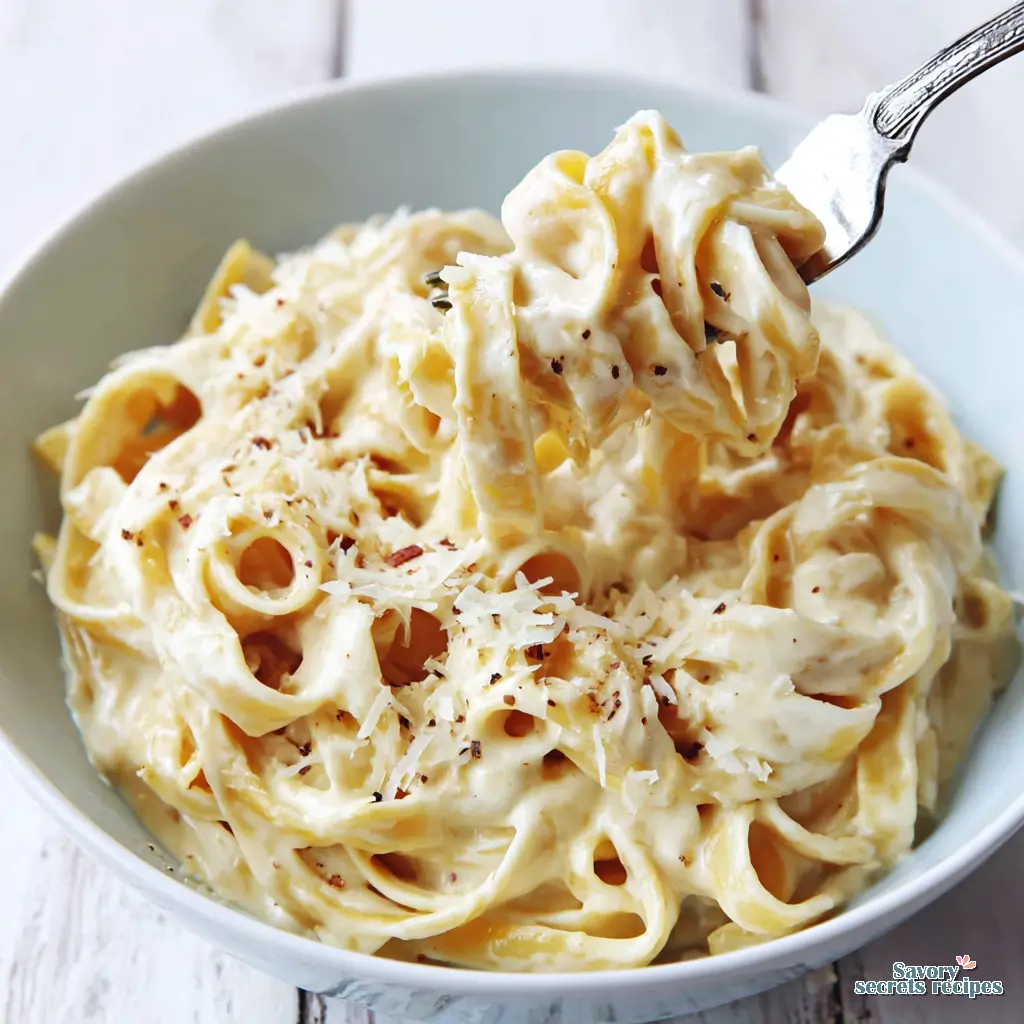
Traditional Fettuccine Alfredo Recipe Without Flour
Ingredients
Method
- Bring a large pot of salted water to a boil over high heat. Add fettuccine and cook according to package instructions.
- Melt butter in a large skillet over medium heat. Add minced garlic and cook for 1 to 2 minutes, then stir in the heavy cream.
- Simmer the heavy cream for 5 to 8 minutes until reduced. Whisk in half of the parmesan cheese until smooth and continue whisking over heat until completely melted.
- Reserve a portion of the pasta water to thin the sauce if necessary.
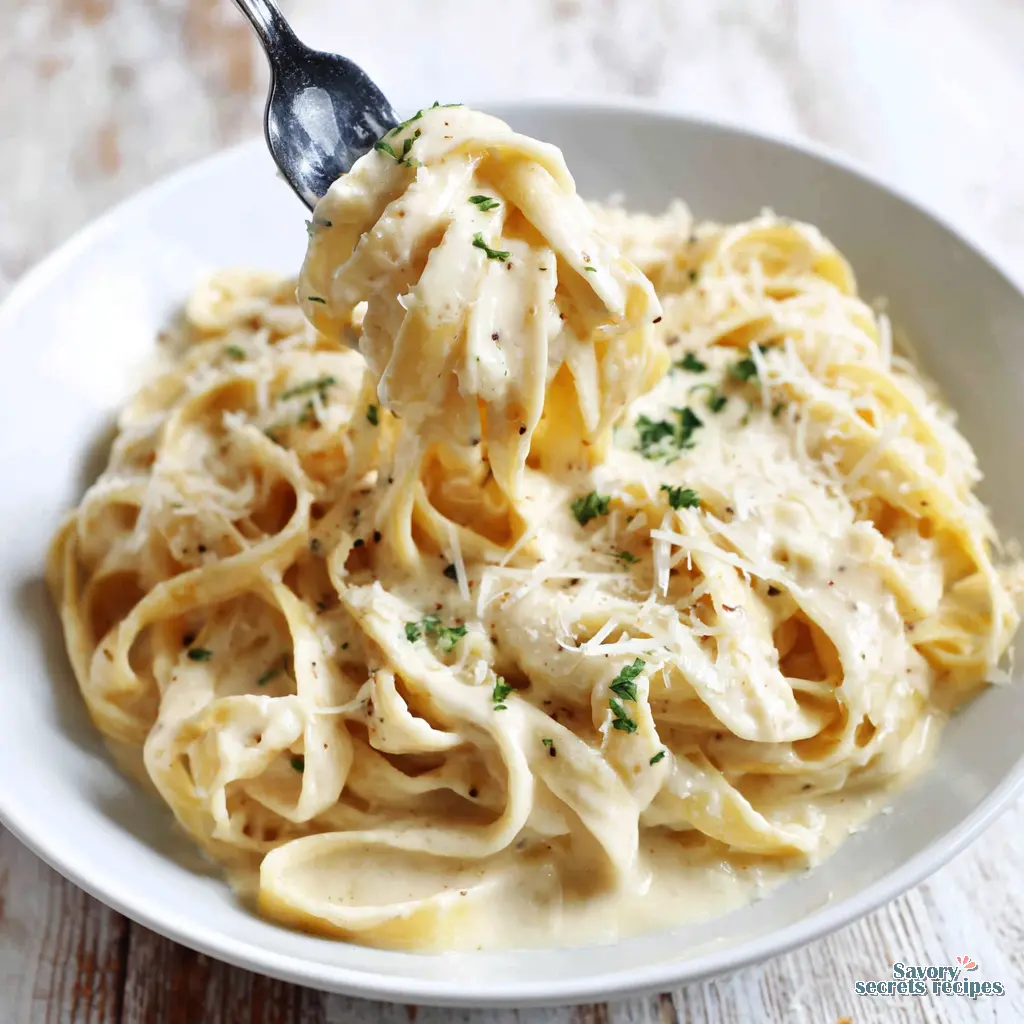
- Toss the fettuccine with the alfredo sauce and half of the parmesan cheese. Garnish with the remaining parmesan and add reserved pasta water as needed to reach the desired consistency.
- Garnish with Italian parsley if desired.
Notes
- Use real parmesan cheese, which is refrigerated.
- If you like it to be more "saucy", you may use less than 1 lb. of fettuccine pasta.
- Leftover pasta water may be used to thin out pasta sauce.
The Mother’s Day Dinner She’ll Actually Remember
Let’s talk about the Mother’s Day dinner she’ll actually remember. You walk into the kitchen and the smell of melting unsalted butter and fresh garlic hits you right away. That’s the move right there. I remember the exact moment I realized jarred pasta sauce was a complete lie. I was maybe twenty, trying to cook a nice dinner in my tiny Oakland apartment. I dumped a jar of thick white paste into a pan. It smelled like preservatives and disappointment. I tasted it and thought, this can’t be right. I’d probably still be eating that sad, gloopy stuff if I hadn’t learned the actual technique.
My daughter helped me make this recipe last week. She stood on her little step stool watching the heavy cream bubble in the skillet. “Is it at the good part yet, Baba?” she asked. She uses that phrase for everything now. And yes, watching the cheese melt into the cream is absolutely the good part. Making a restaurant-quality homemade fettuccine alfredo is actually easier than you think. You just need a few basic ingredients and a little bit of patience. This technique is the same one used for our favorite creamy alfredo pasta, which is perfect for an easy italian pasta dinner.
My grandmother Fatima taught me to cook in Casablanca by tasting and adjusting. She never made Italian food, but she understood the science of combining fat and starch perfectly. Build the layers, don’t rush the base. That tracks perfectly for a classic alfredo sauce recipe. Today, we’re going to build a velvety, glossy liquid gold that coats every single strand of pasta. No flour. No shortcuts. Just real, honest ingredients.
The Golden Rules of Homemade Fettuccine Alfredo
I hear you. You might be a little intimidated by making a traditional fettuccine alfredo recipe without flour from scratch. You’re worried the sauce will break or turn into a greasy mess. Fair enough. But low and slow does the work for you. If you follow three simple rules, you’ll nail this every single time.
Here’s what I’d do. First, you absolutely must use freshly grated parmesan cheese. Buy a real wedge from the store. The pre-shredded stuff in the plastic bags is coated in anti-caking agents like cellulose. Those powders literally prevent the cheese from melting. If you use it, you’ll end up with a grainy sauce that feels like wet sand. Take the extra two minutes to grate it yourself.
Second, save your starchy pasta water. Before you drain those fettuccine noodles in the sink, scoop out a big mug of the cloudy water. We need it. That water is the secret ingredient that makes everything work. Third, control your heat. Heavy cream and butter are generally stable, but if you boil them aggressively, the fat separates from the dairy. Depends on your stove, but generally, a gentle simmer is exactly what you want.
The Science Behind the Perfect Emulsion
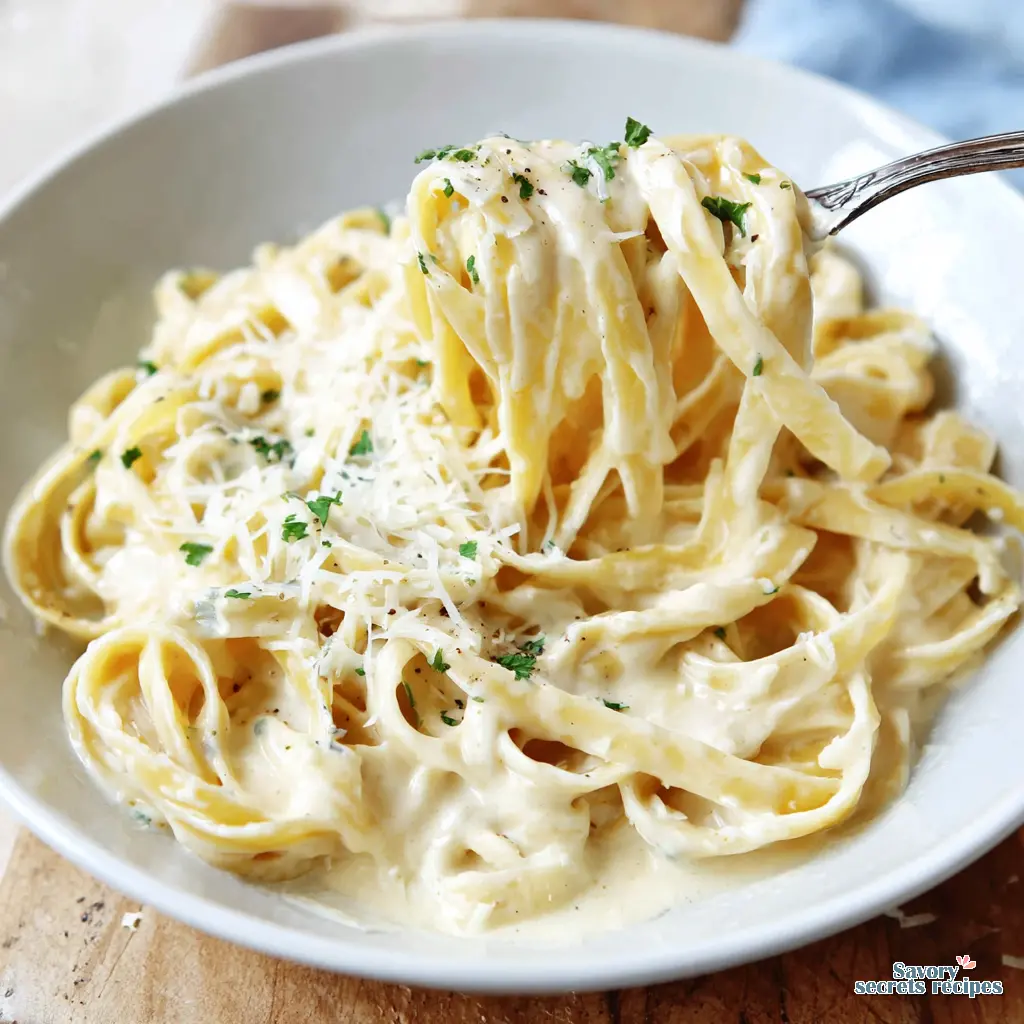
Let me think about that for a second. Why do so many internet recipes call for a roux? People get scared of thin sauces and add flour to thicken things up. But a true homemade fettuccine alfredo relies entirely on an emulsion. I genuinely love the moment when you add liquid to a pan and it transforms into something entirely new. It’s the foundation of so many good things.
An emulsion is just forcing fat and water to play nicely together. The starch from your reserved pasta water acts as the bridge. When you toss your hot pasta directly into the wide skillet with the melted butter and cream, you agitate it. You grab your tongs and toss the noodles vigorously. You’ll actually hear it. It makes this specific clicking, slapping sound against the metal pan.
That sound means the starch is binding the fat from the cheese and the water into a glossy liquid gold. Makes sense to me. You don’t need flour. The cheese and the starch do all the heavy lifting naturally. Once you understand this, you’ll never buy a jar again. Mastering this balance is essential for a smooth garlic cream pasta as well.
Traditional Italian vs. Modern American Alfredo
In my experience, though everyone’s different, people get very protective over what makes an authentic alfredo. The original Roman version uses just two ingredients to dress the pasta. Butter and Parmigiano-Reggiano. The residual heat of the pasta melts the cheese, and the starchy water creates the creaminess. It’s beautiful in its simplicity.
The modern American version, which is what we’re making today, leans heavily on heavy cream. It’s richer. It’s more forgiving for home cooks. A classic alfredo sauce recipe with cream is exactly what you expect when you sit down at a nice Italian restaurant in Los Angeles. I like to add a pinch of nutmeg and a little garlic powder to round out the flavor profile. A hit of fresh black pepper at the end cuts through the richness. If it needs more acid, it needs more acid. Wait, Alfredo doesn’t need acid. Let me rephrase. Taste as you go, adjust at the end. A little kosher salt goes a long way here, especially since the cheese is already quite salty. This version results in the rich, creamy alfredo pasta that has become a staple in many American homes.
Common Mistakes & Fixes
Mistake: Rinsing the pasta after boiling.
Solution: Never rinse your noodles. You wash away the exact sticky starch you need to make the sauce cling to the pasta. Use tongs to transfer the noodles directly from the pot to the skillet.
Mistake: The sauce is clumping and stringy.
Solution: You probably added the cheese while the pan was too hot. Pull the skillet completely off the heat before folding in the freshly grated cheese. The residual heat is plenty to melt it smoothly.
Mistake: The sauce looks way too thin.
Solution: Give it another minute. You’ll smell when it’s ready. As the sauce cools slightly from boiling to serving temperature, it naturally thickens. You can also vigorously whisk in another handful of pecorino romano or parmesan.
Storing and Reheating Your Homemade Fettuccine Alfredo
I’ll be honest with you. This dish is best served immediately. The moment you pull it off the stove, that is the absolute peak texture. But life happens, and leftovers are a reality in every household.
If you put a container of cold homemade fettuccine alfredo in the microwave and blast it on high for two minutes, the butter will separate into a sad, greasy pool. I learned this the hard way in my twenties. The high heat violently breaks the emulsion you worked so hard to build.
Here’s what I’d do instead. Put the cold pasta in a skillet over medium-low heat. Add a fresh splash of heavy cream or regular milk. Gently toss it with tongs as it warms up. The fresh liquid helps re-emulsify the broken sauce. It won’t be quite as magical as day one, but it’s still pretty great. Store any leftovers in an airtight container in the fridge for up to three days.
Frequently Asked Questions
Bring the Restaurant Home
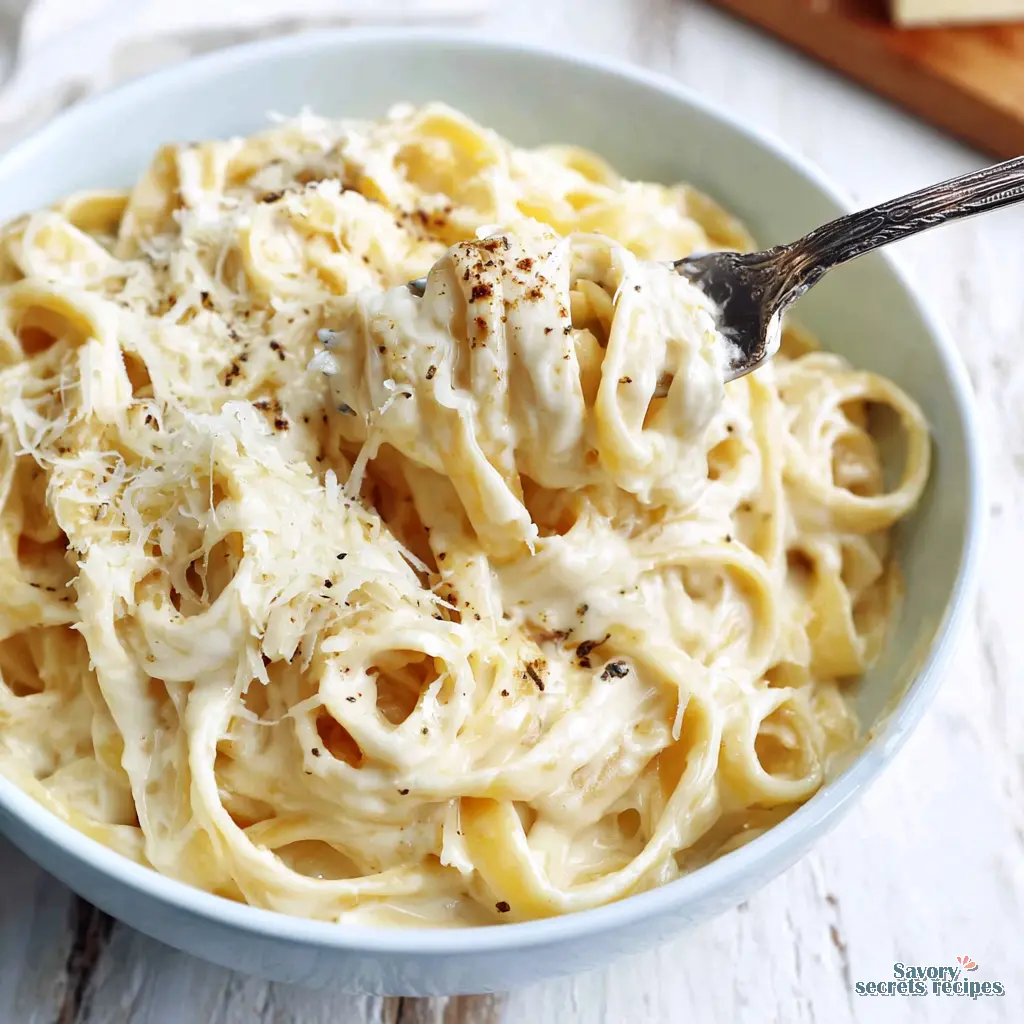
There is something deeply satisfying about mastering this at home. You don’t need a culinary degree to make an incredible homemade fettuccine alfredo. You just need good butter, real cheese, and a little patience. Taste as you go, adjust at the end, and serve it immediately while it’s piping hot. Finish it with some fresh Italian parsley and a ridiculous amount of black pepper. Now we’re talking.
For more inspiration, check out my Pinterest boards where I save all my favorite weeknight pasta ideas. I share tons of variations there if you want to mix things up next time.
Reference: Original Source
How do you make the best homemade fettuccine alfredo without using flour as a thickener?
You rely entirely on the starchy pasta water. That tracks perfectly with traditional cooking methods. The natural starch binds the melted butter and heavy cream together. Just simmer gently and toss vigorously. You’ll get a thick, glossy sauce every single time without any pasty flour taste.
What is the best cheese for homemade alfredo sauce to ensure a smooth and creamy texture?
You absolutely need a high-quality block of Parmigiano-Reggiano. Grate it yourself on the smallest holes of your box grater. Pre-shredded bags contain powders that cause clumping. Sometimes I mix in a little pecorino romano for a sharper bite. That’s the move right there.
Can you really make a classic alfredo sauce recipe from scratch with just milk and butter?
You can, but it’s tricky. Milk has significantly less fat than heavy cream, so it’s much easier to break the sauce. If you only have milk, keep the heat very low and whisk constantly. I’d probably stick to heavy cream for the most reliable results.
Why is a traditional fettuccine alfredo recipe without flour considered more authentic?
In Italy, the original dish was created using only butter, fresh hot pasta, and cheese. Flour mutes the delicate dairy flavors. By using the pasta’s natural starches to build the emulsion, you get a much cleaner, richer taste. It’s a technique based on patience, not shortcuts.
How do you prevent homemade fettuccine alfredo from separating when reheating?
High heat is the enemy here. If you blast it in the microwave, the fat will instantly separate from the dairy. Reheat it in a skillet on low. Add a splash of fresh cream or water, and stir gently until it comes back together.
How do I thicken Alfredo sauce if it’s too thin?
Just give it another minute. The sauce naturally thickens as it cools down from boiling to serving temperature. If it’s still too thin, vigorously whisk in another handful of freshly grated parmesan cheese. The cheese acts as a brilliant natural thickener.
Can I replace heavy cream with half and half?
You definitely can. Worth considering if you want a slightly lighter meal. Just know the final homemade fettuccine alfredo won’t be quite as rich or thick. You’ll need to be extra careful with the heat, as half and half curdles faster than heavy cream.
How do I get the sauce to stick to the pasta?
Never rinse your fettuccine noodles after draining them. You want that sticky starch left on the surface. Also, finish cooking the pasta directly in the skillet with the sauce for the last minute. The noodles will literally drink up the liquid gold.
Can this be frozen?
Honestly, I wouldn’t recommend it. Dairy-heavy sauces like this tend to shatter and become incredibly grainy once thawed. The texture is completely off. Since this homemade fettuccine alfredo takes less than twenty minutes to make, you’re much better off cooking it fresh every time.