



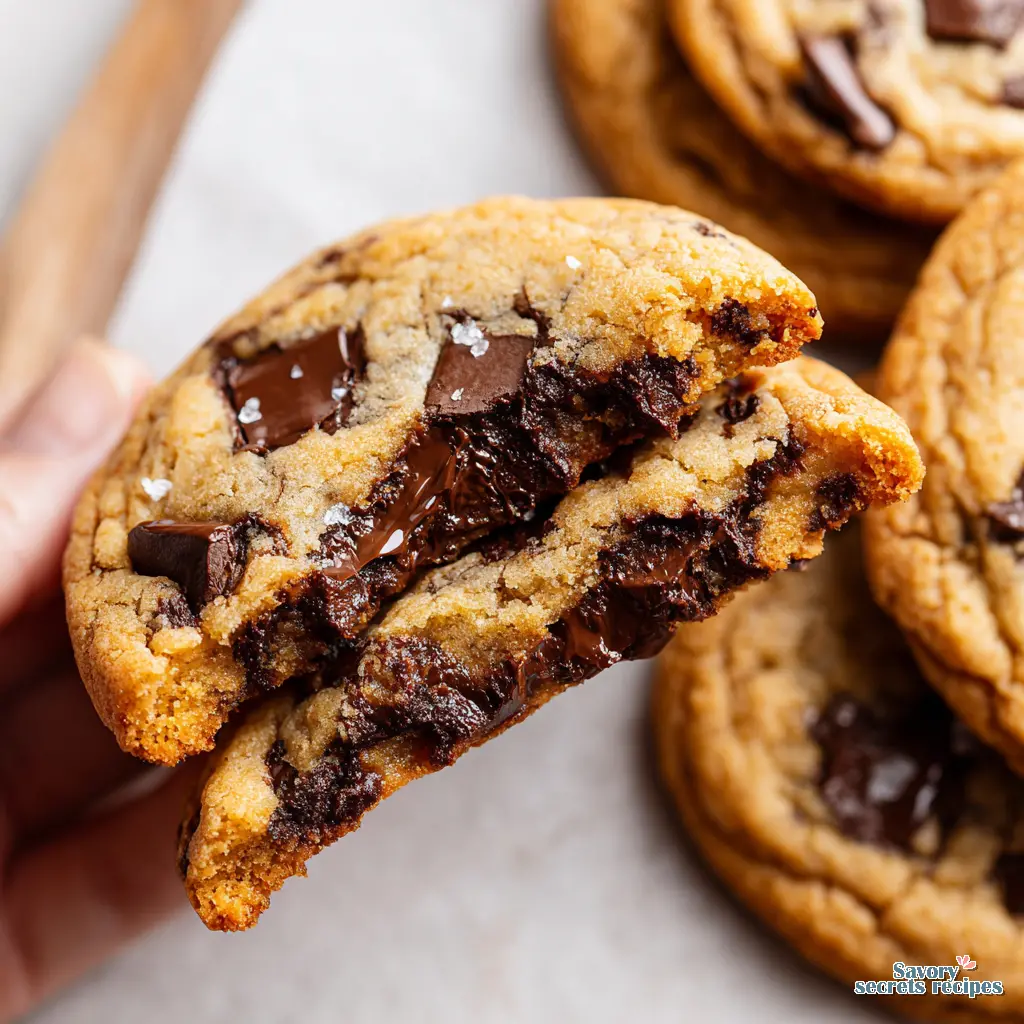
Bakery Style Soft Chocolate Chip Cookies Stay Soft for Days
Ingredients
Method
- Preheat the oven to 325°F.
- Cream the softened butter, brown sugar, granulated sugar, egg, baking soda, salt, and vanilla extract until the mixture is light and fluffy.
- Gently stir the flour into the creamed mixture until just combined.
- Fold in the chocolate chips until they are evenly distributed.
- Drop heaping spoonfuls of dough onto ungreased or parchment-lined cookie sheets.
- Bake for 9 to 11 minutes until the edges are golden brown and the centers remain soft.
- Cool the cookies on the baking sheet for several minutes before transferring them to a wire rack.
Nutrition
Notes
The Secret to Truly Chewy Chocolate Chip Cookies
I grew up watching my abuela Marta tend three pots at once on a two-burner camp stove in her garage every Saturday. She never measured anything. She just tasted with the same spoon all day and adjusted. When I asked her how she knew when her famous beans were done, she said you listen to them. They tell you when they are soft. I still listen to my beans. But baking? Baking is a different animal entirely.
For years, I pulled hard, crunchy discs out of the oven. Disappointing. I thought a bakery style soft chocolate chip cookies recipe was some guarded industry secret. The kind of thing you could not replicate in a regular home kitchen. Then I realized texture is a choice. It is not an accident.
With Mother’s Day right around the corner, I wanted to share the softest treat for the sweetest Mom. A cookie that bends before it breaks. A cookie with a fudgy, almost dough-like center that stays fresh in an airtight container for days. The trick is understanding your ingredients. Well, that and having a little patience. Let the heat do the work, but know exactly when to pull them out. You will know it is ready when the edges pull back.
The Science of Chewiness (Why This Recipe Works)
If you want chewy chocolate chip cookies, you have to look at the fat and the sugar. Most of the time, cakey cookies happen because we whip too much air into room-temperature butter. We are not making a cake here. We want density.
Using melted butter changes everything. It mixes with the sugars to create a dense, chewy texture. But there is a catch. If you use melted butter, you absolutely must chill the dough. If you skip the chill, the butter just melts out in the oven, and you get flat puddles. Fair warning.
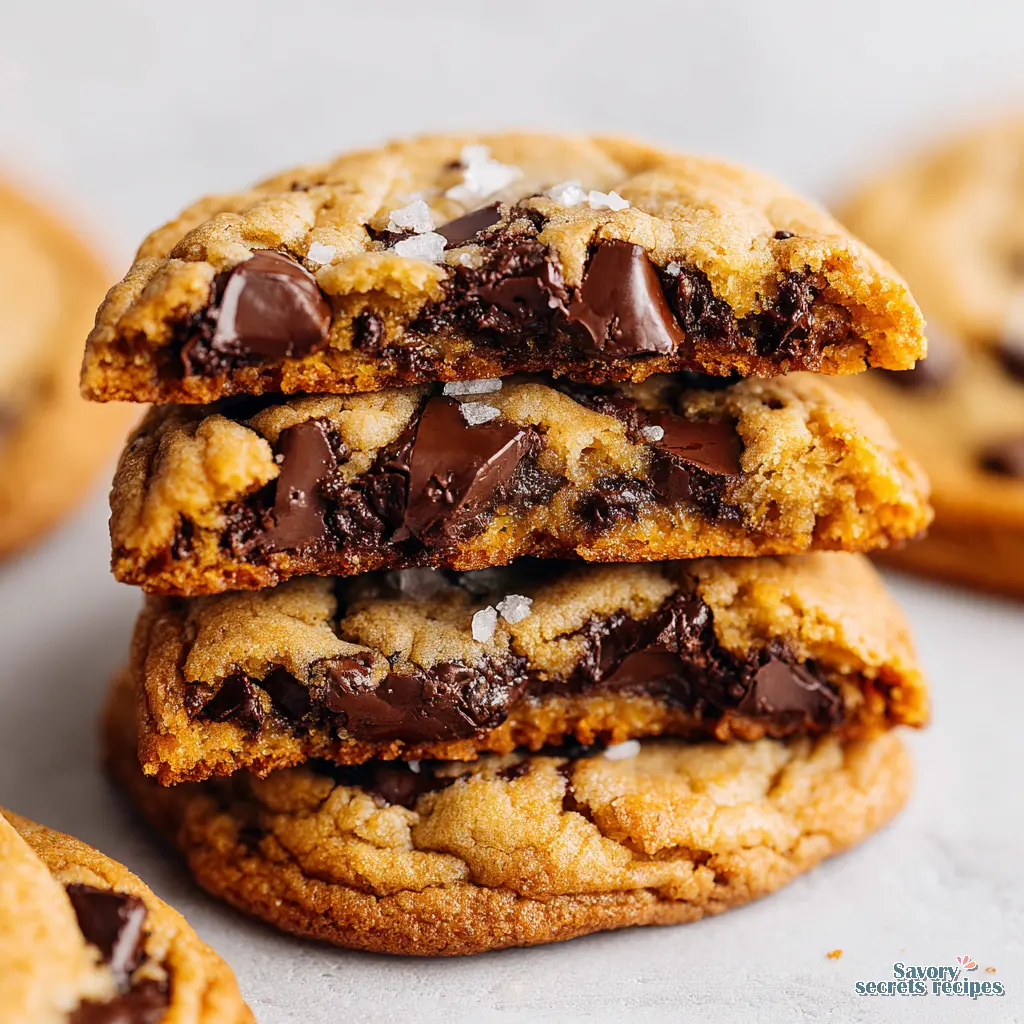
Then there is the extra egg yolk. A whole egg provides structure, but that extra yolk? That is pure fat and richness. It binds the dough and gives you that soft-baked center. I also lean heavily on dark brown sugar. The extra molasses flavor adds incredible depth and traps moisture. Moisture is exactly how to make cookies stay soft for days.
Finally, I always use an alcohol-free vanilla bean paste. The flavor is brighter and more intense. It really anchors the sweetness of the semi-sweet chunks. Solid choice, every time.
Flour Brands and the Secret Ingredient
Let’s talk about the dry ingredients. The secret ingredient for chewy chocolate chip cookies to get that bakery texture is cornstarch. Just a couple of teaspoons. Cornstarch softens the harsh proteins in the flour. It leaves you with a pillowy, thick cookie that refuses to get hard after cooling.
I usually grab whatever unbleached all-purpose flour is at Ralphs or Trader Joe’s. Honestly, King Arthur and Gold Medal both work great. The brand matters less than how you measure it. If you scoop flour directly with a measuring cup, you pack it down. You end up with way too much flour, and your cookies turn into dry little cakes.
Measure your flour by weight in grams. If you do not have a scale, use the spoon and level method. Fluff the flour, spoon it into your cup, and level it off with a knife. See what I mean? Small changes make a massive difference. Learning these measurement techniques is the foundation of any successful homemade cookie recipe.
Pro-Tips for Shaping and Chilling
I know waiting is the worst part. My kids stand in the kitchen asking if they are ready yet every five minutes. But you have to chill the dough. Two to three hours minimum. Overnight is even better. Chilling allows the flour to fully hydrate and absorb the melted butter. Cold dough spreads slower in the oven, giving you thick cookies.
When you finally scoop the dough, do not roll them into perfect little smooth spheres. Roll them into tall cylinders or columns. They should look a bit like wine corks standing up on your baking sheet. As they bake, the top falls down into the base. This creates rippled edges and a super thick center. That’ll work perfectly.
Use a large cookie scoop to keep the portions even. And make sure you are using room temperature eggs. If you drop cold eggs into melted butter, the butter solidifies instantly into weird little chunks. Not what we want. Proper temperature management is what separates a good american cookie recipe from a great one.
The Pan-Banging vs Scooting Technique
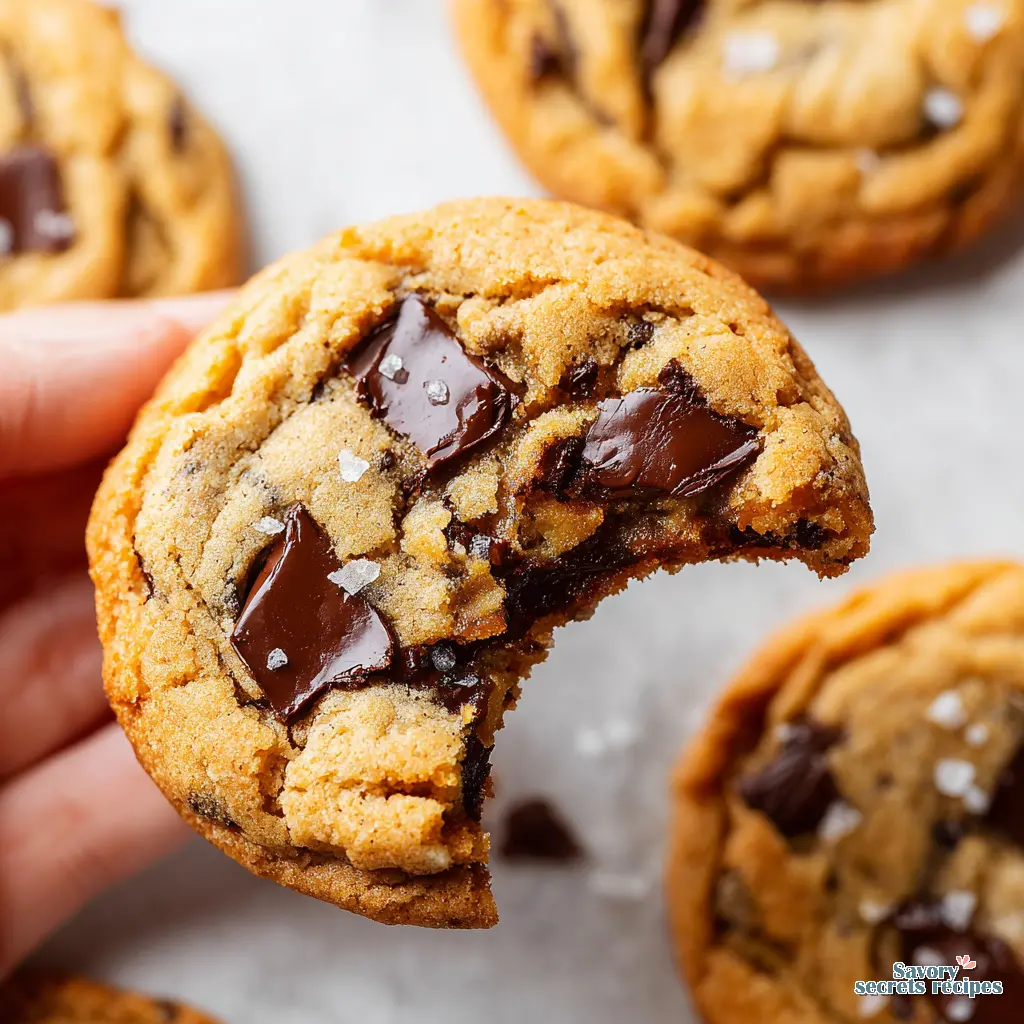
How do you bake them? Hot and fast, and you pull them early. Under-baked centers are the absolute key to chewy chocolate chip cookies. You want to bake them just until the edges are golden brown, but the centers still look pale and ridiculously soft.
When you pull them out, you have two choices for that perfect bakery look. Some people love the pan-banging method. You tap the hot baking sheet firmly on the counter immediately after taking it out of the oven. It deflates the cookies and creates beautiful crinkly ripples.
I prefer the scooting method. Take a large circular cutter or a coffee mug. Place it over the hot, soft cookie on the tray, and gently swirl it around in a circular motion. It nudges the uneven edges inward, creating a perfectly round, thick cookie. Let them cool on the hot baking sheet for 5 to 10 minutes to finish setting. If it doesn’t have color, it doesn’t have flavor, but we let the residual heat finish the job here.
Visual Troubleshooting Guide
Mistake: The cookies turned out cakey and dry.
Solution: You probably scooped the flour directly with a measuring cup, which packs it down. Always weigh your flour or use the spoon and level method.
Mistake: They spread into flat puddles.
Solution: You skipped the chilling time. Melted butter needs time to solidify in the fridge before baking. Let it ride in the fridge for at least 2 hours.
Mistake: The cookies got hard after cooling.
Solution: Over-baking is the culprit. You waited for the center to look done in the oven. Pull them when the centers still look pale and slightly under-baked. They finish cooking on the hot pan.
Mistake: The butter solidified when mixing.
Solution: You used cold eggs straight from the fridge with warm melted butter. Always use room temperature eggs to ensure proper emulsification.
Variations and Easy Substitutions
Once you have this base dough down, you can play around. I think probably my favorite variation is swapping half the semi-sweet chunks for chopped pecans or walnuts. The nuts toast up in the oven and add a great crunch against that chewy texture.
If you are making these for a kid’s birthday party, fold in some M&Ms or sprinkles. Just be careful not to overmix the dough. Stirring too vigorously after adding the flour develops gluten, which makes the cookies tough instead of chewy. Fold the mix-ins gently.
You can also try white chocolate chips and dried cranberries for a completely different vibe. Or chop up a dark chocolate bar (60% or higher) into irregular chunks. The chocolate dust from the chopped bar melts into the dough and creates these incredible little fudge pockets. Exactly right. Swapping mix-ins is a simple way to master easy baking cookies with your family.
Storage, Freezing, and Reheating Guide
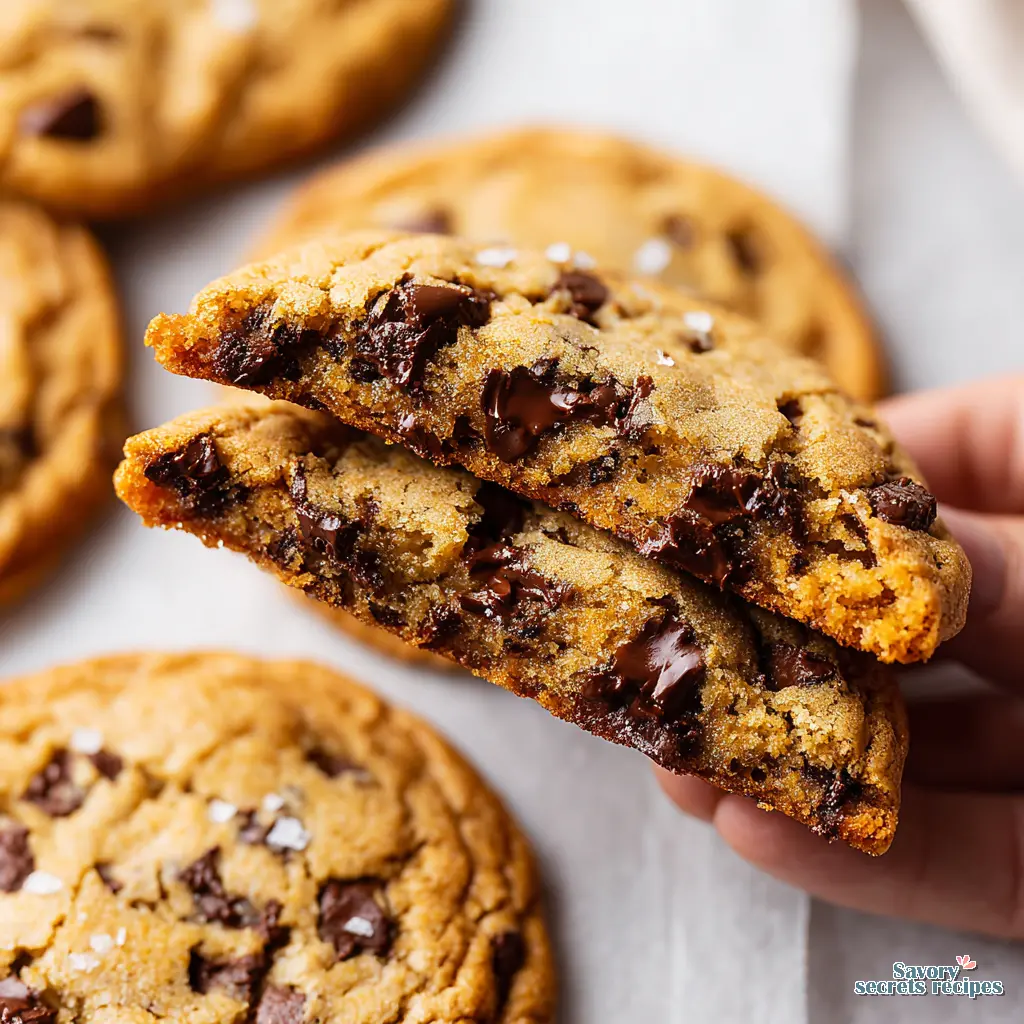
You spent all this time making the dough, so let’s make sure they last. To keep chewy chocolate chip cookies fresh, store them in an airtight container at room temperature. They will easily stay soft for about 3 days. I like to throw a small piece of plain sandwich bread into the container. The cookies absorb the moisture from the bread, keeping them incredibly soft.
If you want to freeze the dough, scoop it into balls first. Flash freeze the individual balls on a baking tray for an hour, then move them to a Ziploc bag. They last 3 to 6 months in the freezer. When you want a cookie, just bake the frozen dough balls at 325°F for about 16 to 18 minutes. No need to thaw them.
Now, what if you have a three-day-old baked cookie and you want that day-one magic back? Easy. Pop the cookie in the microwave for exactly 8 to 10 seconds. The chocolate gets gooey again, the brown sugar softens up, and it tastes like it just came off the baking sheet. Now we’re talking.
Frequently Asked Questions
Grab a Glass of Milk
There is nothing quite like pulling a tray of these chewy chocolate chip cookies out of the oven. The whole house smells like caramelized brown sugar and vanilla. My kids usually circle the kitchen island like sharks waiting for them to cool enough to eat. Pour yourself a cold glass of milk, grab one while the chocolate is still gooey, and enjoy the results of a little patience.
I share tons of variations and behind-the-scenes kitchen tests over on my Pinterest boards, so come hang out with me there. If you make these, let me know how they turn out. Good enough is never the goal here. We want the best. Happy baking.
Reference: Original Source
How do you make chewy chocolate chip cookies that stay soft for days?
The secret is using melted butter, extra egg yolks, dark brown sugar, and a touch of cornstarch. These ingredients trap moisture. Store them in an airtight container with a small piece of bread to maintain that perfect bakery texture.
What is the secret ingredient for chewy chocolate chip cookies to get that bakery texture?
Cornstarch is the game changer here. Adding just two teaspoons of cornstarch to your dry ingredients softens the flour’s proteins. It creates a thick, pillowy structure that prevents the cookies from turning hard or crispy after they cool down.
How can I prevent my soft chocolate chip cookies from getting hard after they cool?
You have to under-bake them. Pull the baking sheet out of the oven when the edges are golden but the centers still look pale and doughy. Let them sit on the hot pan for 10 minutes to finish cooking gently.
What makes a bakery style soft chocolate chip cookies recipe different from regular homemade ones?
Bakery cookies rely on specific techniques. They use a higher ratio of brown sugar to white sugar, chill the dough extensively to prevent spreading, and shape the dough into tall cylinders rather than flat spheres to ensure a thick center.
Can I freeze the dough for these soft chocolate chip cookies to bake later?
Absolutely. Scoop the dough into tall balls, freeze them solid on a tray, and transfer to a zip-top bag for up to 3 months. Bake them straight from frozen at a slightly lower temperature for a few extra minutes.
Can I skip chilling the dough for chewy chocolate chip cookies?
I really do not recommend it. Because this recipe uses melted butter, the dough is very soft. If you bake it immediately, the butter will melt out rapidly in the oven, leaving you with thin, greasy puddles instead of thick cookies.
Can I use the freezer to speed up chilling the dough?
You can, but be careful. The freezer chills the dough unevenly, making the outside rock hard while the inside stays mushy. If you are in a rush, 45 minutes in the freezer usually works, but the fridge is always better.