



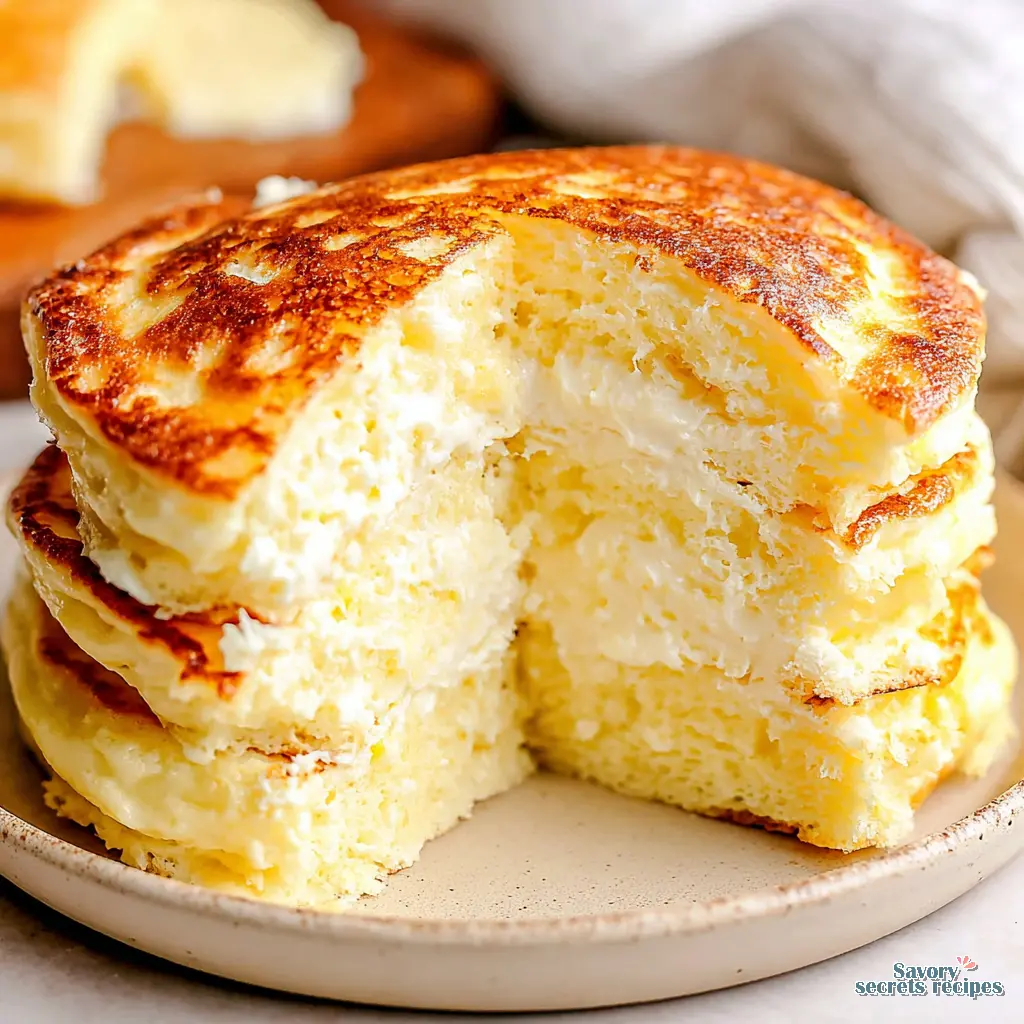
Fluffy Easy Pancakes Without Buttermilk
Ingredients
Method
- Combine the flour, baking powder, salt, and sugar in a large bowl.
- Whisk or stir the ingredients until well combined and set the bowl aside.
- Crack the egg into a smaller bowl and add the milk and vanilla extract.
- Melt the butter in a microwave or small saucepan over low heat, then add it to the wet ingredients.
- Mix the wet ingredients with a fork or whisk until thoroughly combined.
- Create a well in the center of the dry ingredients and pour in the wet mixture.
- Fold the batter with a wooden spoon until no dry flour remains, leaving small lumps; do not overmix to avoid a rubbery texture.
- Heat a heavy-bottomed skillet over medium-low heat and melt a knob of butter once the pan is hot.
- Pour 1/3 cup of batter into the skillet and allow it to spread naturally.
- Cook for 2 to 3 minutes until the edges are set and bubbles form in the center.
- Flip the pancake with a spatula and cook for an additional 2 to 3 minutes.
- Repeat the process with the remaining batter.
Nutrition
Notes
The Emergency Morning Rescue
Let’s be clear about this right from the start. Wednesday morning panic before school is a universal reality. You look in the pantry, realize the cereal boxes are entirely empty, and you have exactly thirty-five minutes before you need to be out the door. Cereal fatigue is real in my house. My daughter Maya will simply stare at a bowl of oatmeal like it personally offended her. That is exactly why you need a reliable, foolproof recipe for easy breakfast pancakes. While this method is perfect for weekdays, we often switch to a classic american breakfast pancakes recipe on the weekends when we have more time.
I used to think making a quick morning meal from scratch was a weekend-only project. I mean, who has the time? But during these cooler LA winter mornings when we actually want to turn the stove on, I realized something important. Making a homemade pancake batter takes roughly the same amount of time as hunting for your car keys. You do not need a boxed mix. You do not need a trip to Trader Joe’s for specialty ingredients. You just need basic pantry staples and ten minutes.
This is my pajama-friendly, emergency easy breakfast pancakes protocol. It looks impressive, but it is actually quite simple. Once you understand the basics of what makes the batter work, you will never buy a commercial mix again. Trust me on this.
The Pantry Staples Reality Check
I have seen recipes that call for three different types of flour and separated eggs. That’s not how this works. We are not guessing on this one, and we are certainly not making things harder than they need to be. A truly quick pancake recipe relies entirely on what you already have in your kitchen right now.
You need flour, baking powder, salt, and a little sugar. For the wet ingredients, you just need an egg, milk, a splash of vanilla extract, and some melted butter or vegetable oil. That is it. No buttermilk required. If you find yourself wanting that classic tangy flavor but only have regular milk, do not panic. You can easily make a milk substitute. Just add one tablespoon of white vinegar or lemon juice to your regular milk and let it sit for five minutes. It will curdle slightly. That’s exactly the texture we want.
The best part about this easy breakfast pancakes method is the easy cleanup. We are using exactly one bowl. You whisk the dry ingredients, make a well in the center, and pour in the wet ingredients. Less dishes means less stress before the school run.
The Science of Fluffiness
My grandmother Zoya taught me to make blini in her tiny kitchen, insisting on exact measurements. She used to say that baking isn’t magic. It is math you can eat. The science of fluffiness in these easy breakfast pancakes comes down to two specific variables: leavening and gluten development.
Your baking powder is doing the heavy lifting here. It activates twice. Once when it hits the wet ingredients, and again when it hits the heat of your skillet. This is why I always recommend letting the batter rest for just a few minutes before cooking to allow that baking powder to activate properly. You will actually see bubbles forming in the bowl.
Temperature matters here, too. Bring your egg to room temperature before using it. If you use a fridge-cold egg and pour in warm melted butter, the butter will immediately seize into tiny, hard chunks. I learned this the hard way during a very frustrating recipe test. If you are in a rush, just place the whole egg in a glass of warm water for five minutes while you gather your other ingredients.
The ‘No-Overmix’ Rule
If there is one thing I need you to remember from this entire article, it is this specific rule. Do NOT overmix the batter. I see this mistake constantly. People take a whisk and beat the batter until it is perfectly smooth. That is a disaster for easy breakfast pancakes.
When you overmix, you develop the gluten in the flour. Gluten is great for chewy sourdough bread, but it is the enemy of a tender, fluffy pancake. You want to stir the wet and dry ingredients together until they are just combined. Use a fork if you cannot find your whisk. Lumps in the batter are okay and actually preferred for fluffiness. The flour lumps will hydrate as the batter rests. Allowing the batter to sit is the secret to creating the soft fluffy pancakes that everyone loves.
If your batter looks a little shaggy and imperfect, that is the correct instinct. Stop stirring. Step away from the bowl.
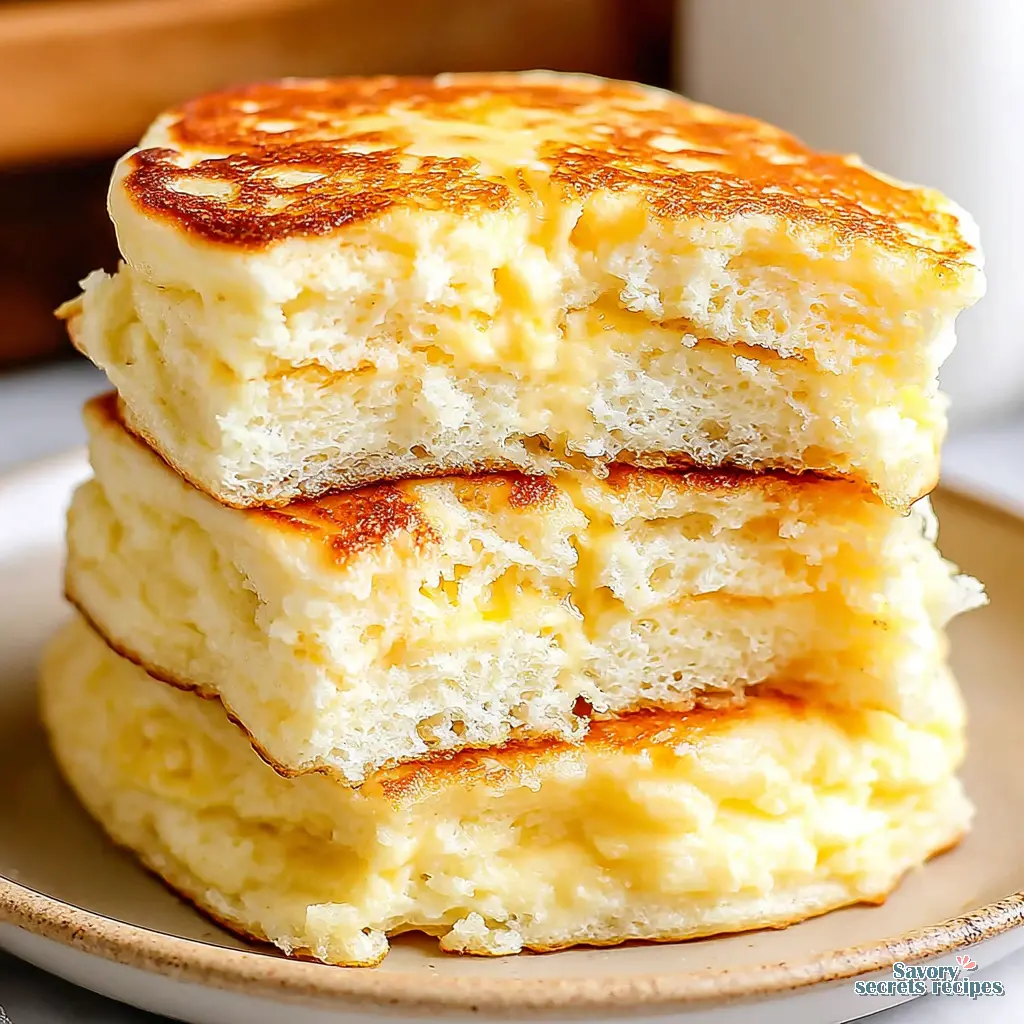
Visual Troubleshooting Guide
Mistake: The pancakes are flat and rubbery.
Solution: You likely overmixed the batter or used expired baking powder. Stir until just combined, and always check the date on your leavening agents.
Mistake: The outside is burnt but the inside is raw.
Solution: Your pan is too hot. Cooking on heat that is too high is a common error. Drop the temperature to medium-low and give them time to rise.
Mistake: The butter seized into little clumps in the batter.
Solution: You used cold eggs or cold milk with warm melted butter. Always bring your liquid ingredients to room temperature first. If you are in a rush, use vegetable oil instead of melted butter.
Temperature Control & The Bubble-Indicator
I need you to show me your process at the stove. Most people crank the heat to high because they are in a hurry. That’s not how this works. You need patience for exactly three minutes. Use a nonstick pan or an electric griddle. Lightly grease the pan with non-stick spray or a tiny bit of vegetable oil between every single pancake. Wipe out excess oil with a paper towel so they don’t deep fry.
Cook on low-medium heat for even cooking and a better rise. Maintain your stove temp carefully. It should take about 30 seconds for the first bubbles to appear on the surface. If they appear instantly, your pan is too hot. If it takes two minutes, your pan is too cold.
Now, here is the bubble-indicator flipping guide. Do not flip when you see the first bubble. Wait. Watch the edges. You want to flip only when bubbles form, pop, and leave little open craters on the uncooked side. The edges should look slightly dry and set. When you see that, use a confident, quick move with a wide spatula to flip. Do not pat them down after flipping. You will just squeeze all the air out of your beautiful, easy breakfast pancakes. This careful flipping technique is what differentiates these from standard american breakfast pancakes found in restaurants.
Meal Prep: The DIY Pancake Mix Jar
Saturday mornings, Maya sits on the counter and wants to help with everything. This is a fantastic pancake recipe for kids to help with safely in the kitchen. To make mornings even faster, I started creating a homemade mix in a mason jar. It is essentially meal prep for your baking pantry.
Measure all your dry ingredients (flour, sugar, baking powder, salt) into a large glass jar. Give it a good shake. You can make three or four of these jars on a Sunday afternoon. When Wednesday morning chaos hits, you just dump the jar into a bowl, add your milk, egg, and oil, and you are ready to cook. It is significantly cheaper than buying store-bought boxes, and you control exactly how much sugar goes into it.
If you want to get creative, you can add variations directly to the batter once it is mixed. A dash of cinnamon, some mini chocolate chips, or fresh blueberries dropped directly onto the wet batter in the skillet. (Never stir berries into the main bowl, or your entire batter will turn a murky grey color. I have certainly made that mistake before.)
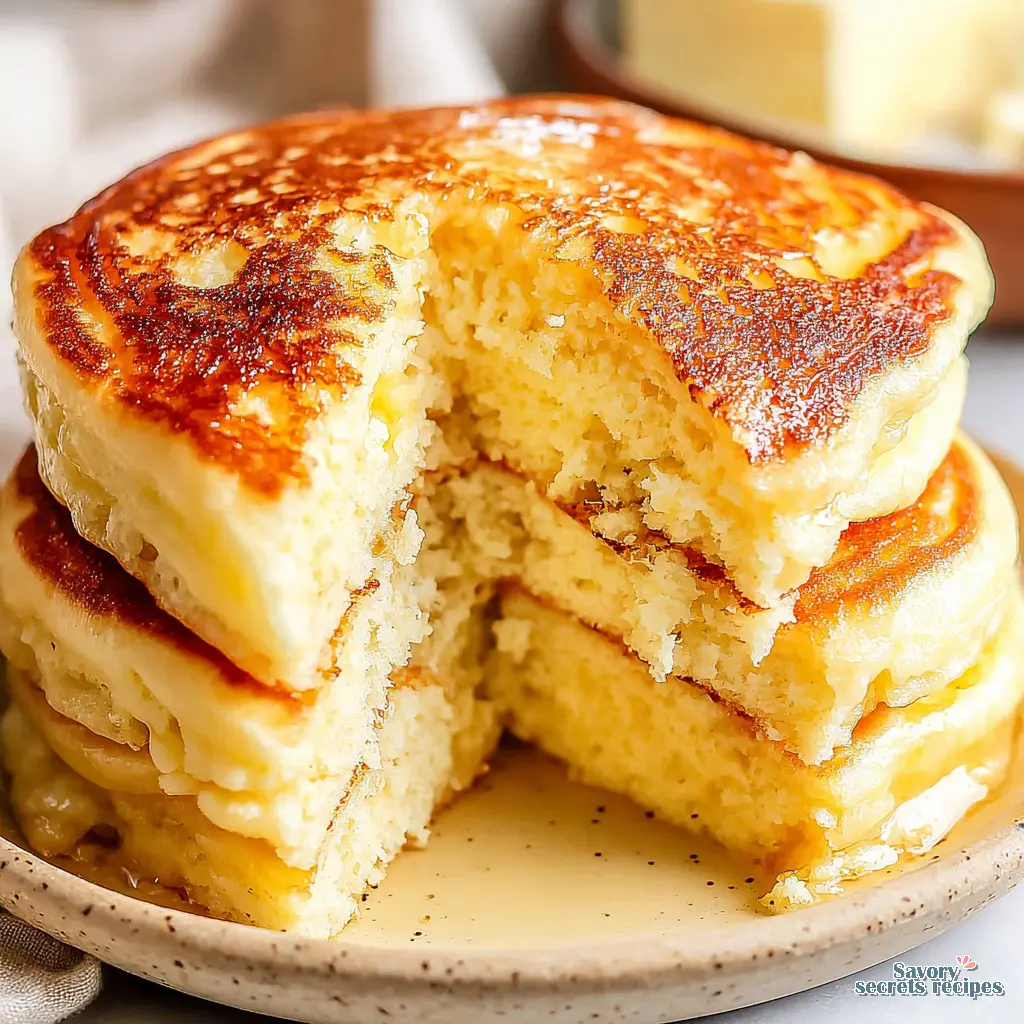
Storage & Freezing Your Easy Breakfast Pancakes
I am a huge advocate for making a double batch. If you are already getting a pan dirty, you might as well cook enough for tomorrow. You can refrigerate leftover easy breakfast pancakes in an airtight container for up to three days. But the real secret to morning survival is the flash freeze method.
Let the cooked pancakes cool completely on a wire rack. Place them in a single layer on a parchment-lined baking sheet and freeze for thirty minutes. Once they are frozen solid, transfer them to a large freezer bag. Because you flash-froze them separately, they won’t stick together in one massive, frustrating clump.
To reheat, do not use the microwave if you can avoid it (it makes them tough and chewy). Pop them straight from frozen into your toaster. They crisp up perfectly on the edges while staying soft and warm in the middle. It takes exactly two minutes, and it is a lifesaver on busy mornings.
Frequently Asked Questions
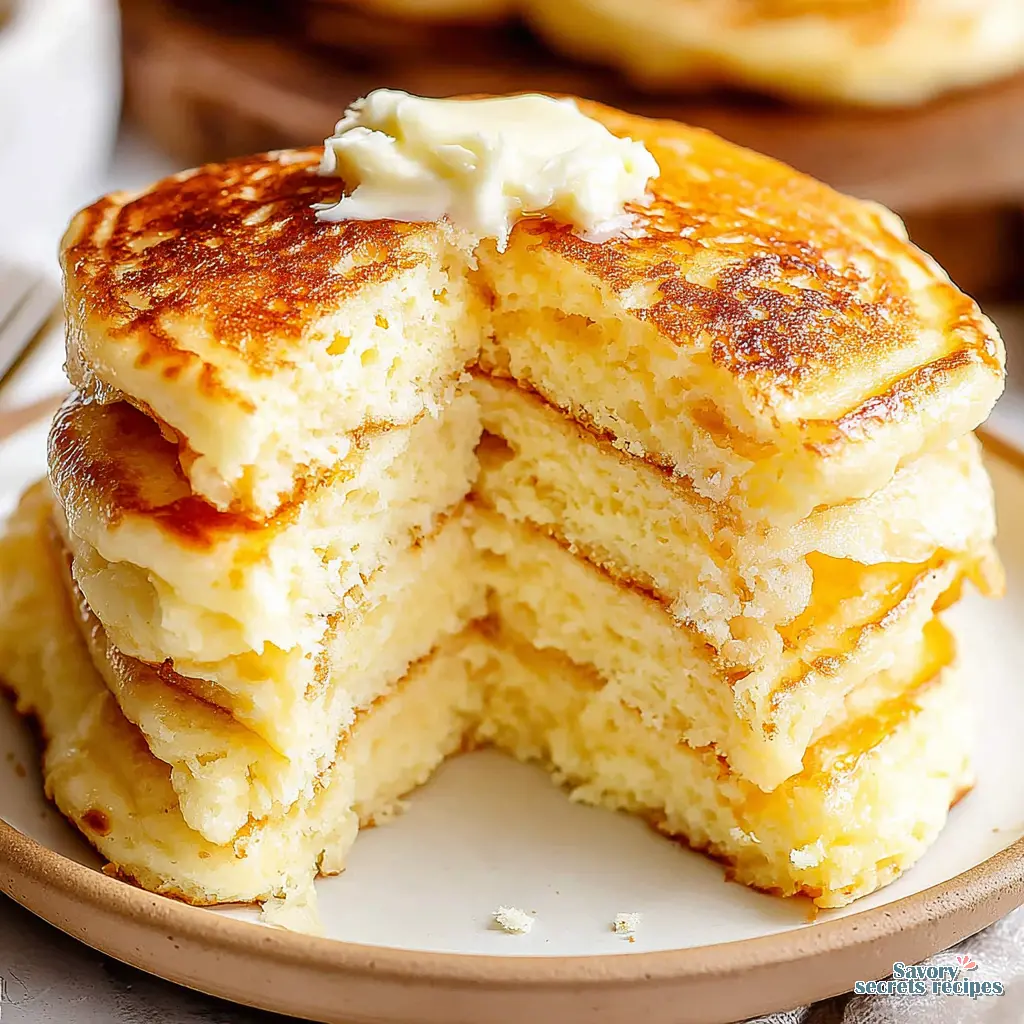
Ready for the Skillet
Once you get the hang of this method, you will realize how forgiving it actually is. The key is just respecting the batter. Don’t overmix it, let it rest for a minute, and watch your heat. Even when they’re not perfect, they’re still pretty great. There is nothing quite like that first bite of a warm, homemade pancake on a busy weekday morning. It feels like a small victory before 8 AM.
Grab your flour, check your baking powder date, and get that skillet warming up. You’ve got this. For more inspiration, check out my Pinterest boards where I save all my favorite morning survival recipes.
Reference: Original Source
How can I make pancake batter from scratch in 5 minutes for a quick morning meal?
Skip the fancy techniques. Whisk your dry ingredients in one bowl, make a well, and dump in your wet ingredients. Stir until just combined. Using vegetable oil instead of melting butter saves you an extra minute. It is truly that fast to prep easy breakfast pancakes.
What is the secret to making fluffy easy breakfast pancakes without using buttermilk?
The secret is fresh baking powder and the milk substitute trick. Add one tablespoon of lemon juice or white vinegar to your regular milk and let it sit for five minutes. It provides the acidity needed to activate the baking powder perfectly for an incredible rise.
Can I store leftover homemade pancake batter in the refrigerator for the next day?
I don’t recommend saving wet batter. The baking powder loses its potency after about an hour, resulting in flat, dense results the next day. You are much better off cooking the entire batch of easy breakfast pancakes and freezing the cooked leftovers instead.
Why is this quick pancake recipe better than using a store-bought boxed mix?
Boxed mixes often contain preservatives, artificial flavors, and excessive sodium. When you make them from scratch, you control the quality of the ingredients and the sugar level. Plus, the texture of a fresh, homemade batter is significantly lighter and more tender than a dehydrated commercial mix.
Is this an easy pancake recipe for kids to help with safely in the kitchen?
Absolutely. Toddlers can easily help measure the pantry staples and whisk the dry ingredients together. Older kids can practice cracking the egg into a separate small bowl first. Just keep them away from the hot skillet during the actual cooking process.
May I use whole wheat flour instead for these easy breakfast pancakes?
Yes, you can use a 1:1 ratio of whole wheat flour to all-purpose flour. However, whole wheat absorbs more liquid. I suggest letting the batter rest for ten minutes, and you might need to add an extra splash of milk if the batter looks too thick.
How do I make a dairy-free version of this recipe?
It is very simple to adapt. Replace the regular milk with almond milk or oat milk in the exact same measurements. Then, use a neutral vegetable oil instead of melted butter. The texture remains beautifully fluffy, and the cooking time stays exactly the same.