



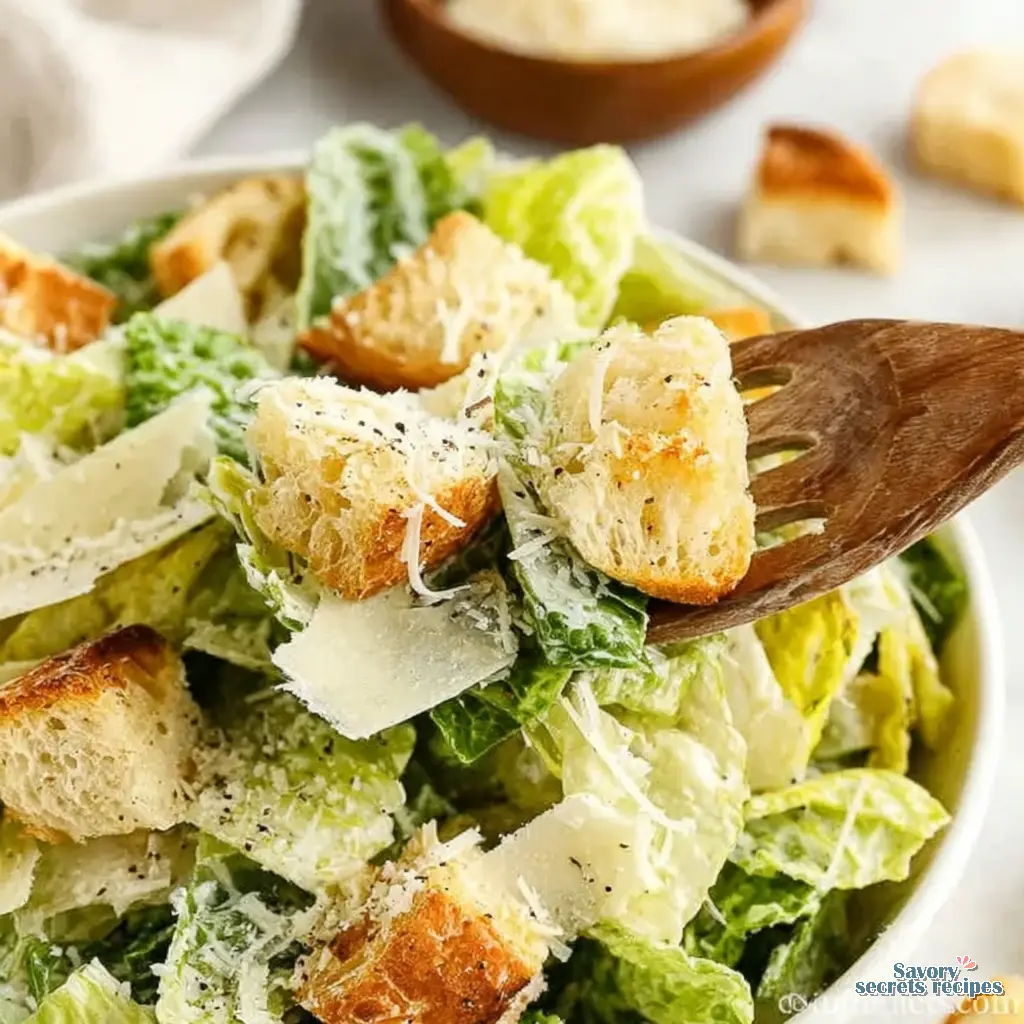
Classic Caesar Salad with Traditional Anchovy Dressing
Ingredients
Method
- Preheat the oven to 375°F (190°C). Toss bread cubes with olive oil, garlic powder, and salt, then spread them onto a baking sheet. Bake for 10–12 minutes, tossing halfway through, until golden and crisp. Allow to cool.
- Whisk the egg yolk, Dijon, anchovy, garlic, lemon juice, and Worcestershire in a bowl. Gradually drizzle in olive oil while whisking constantly until thick and creamy. Stir in Parmesan cheese and adjust seasoning to taste. Use a blender or food processor for a faster, creamier result if preferred.
- Toss chopped romaine with just enough dressing to coat the leaves in a large bowl. Add croutons and toss lightly. Top with extra Parmesan and cracked black pepper, then serve immediately for optimal crunch and flavor.
Nutrition
Notes
The Truth About Classic Caesar Salad
With Easter brunch just around the corner, you’re probably planning your menu. Let me stop you right there. The only side dish your spring table needs is a proper Classic Caesar Salad. I remember the first time I had a real one made tableside. The waiter mashed the anchovies into a wooden bowl right in front of us. It was a revelation. Before that, I only knew sad, soggy bagged versions. Too muddy. A true Classic Caesar Salad is a masterclass in texture and light. It builds in layers.
I remember my grandmother Elaine arranging green beans on a white plate, turning it slightly, moving one bean. I was maybe seven. I asked her why and she said, “So your eye knows where to land.” I think about that every single shoot. A salad needs that same intention. You want the perfect balance of umami, acidity, and salt. I promise you a restaurant-level result that will photograph beautifully and taste even better. You’ll never buy bottled dressing again.
The Science of Caesar: Why Emulsions Break
Let’s talk about the dressing. The secret to perfect emulsion is patience. I see so many broken dressings on set. That’ll photograph flat. You need a chilled bowl. Rub the inside with garlic cloves first. It gives a clean read of flavor without overpowering the whole dish. Slowly pour olive oil while whisking to ensure proper emulsification. I mean, whisking is a bit of an arm workout. Worth it. If you pour too fast, the emulsion breaks.
The science here is all about suspending that extra virgin olive oil in the egg yolk and Meyer lemon juice. Demystifying the anchovy is step one. It’s just salt and umami. You mash anchovies using the hard edges of croutons as an abrasive. That’s a trick I learned from a food stylist years ago. It works every time. For the most authentic flavor, use a combination of olive and vegetable oil. It keeps the extra virgin olive oil from becoming too bitter when whisked.
The Ultimate Guide to Drying Romaine for Maximum Crunch
You need sturdy greens. What is the best romaine lettuce for caesar salad? Go for crisp romaine hearts. I prefer vegetables that keep their structure. Nothing that wilts between styling and shooting. The ultimate guide to drying romaine for maximum crunch comes down to a salad spinner and a clean kitchen towel. Ensure romaine is crisp and sturdy to hold the heavy dressing.
I know this sounds incredibly basic, but wet lettuce is the enemy of a creamy texture. If your leaves are wet, the dressing slides right off and pools at the bottom of the bowl. Not quite there yet. You want the dressing to cling to every single ridge. Listen for the sound of the crunch when biting into a fresh romaine rib. That’s exactly it. Dress the salad immediately before serving to prevent wilting. Timing is everything.
Homemade ‘Craggy’ Croutons Guide
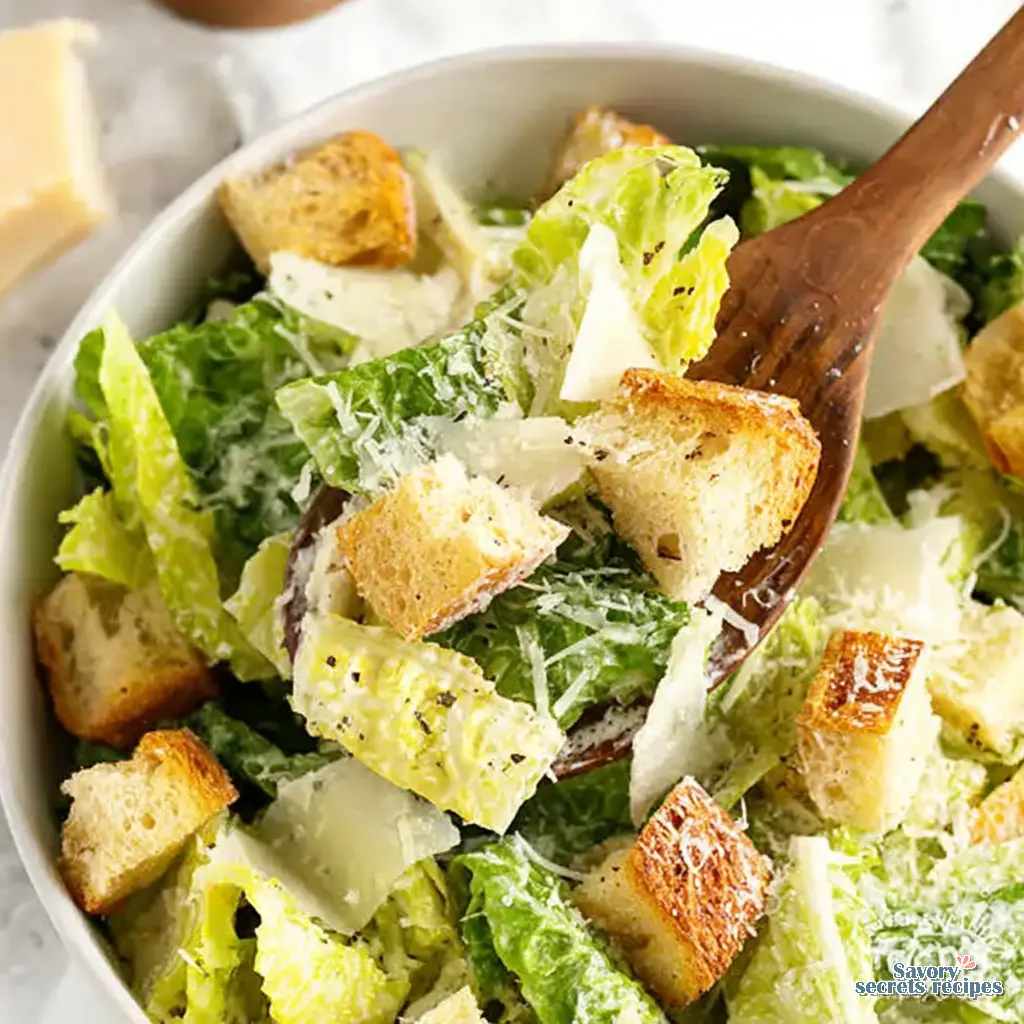
Store-bought croutons lack that beautiful craggy texture. We want golden-brown perfection. Grab a day-old San Francisco-style sourdough loaf from Whole Foods or Trader Joe’s. Gently squeeze bread cubes with oil to infuse flavor. Don’t just drizzle it on top. You have to work it into the bread.
Bake croutons in the oven at 350°F for 7 to 9 minutes, tossing halfway. The satisfying crunch of a homemade sourdough crouton is incredible. Perfect contrast. I’m drawn to high-contrast plating. Dark bowls with bright ingredients, or white plates with deep greens. The golden croutons add that necessary visual warmth. They also soak up just enough of the garlic cloves and extra virgin olive oil to become little flavor bombs.
Substitution Guide (Egg & Anchovy Alternatives)
I know raw egg yolks make some people nervous. Usually it’s fine, but I get it. Can you make caesar salad dressing from scratch without mayo? Absolutely. But if you need an egg substitute, use 1 tablespoon of Dijon mustard and 1 tablespoon of mayo. It gives you that same velvety emulsion.
For a vegetarian version, swap the anchovy paste for 1 tablespoon of chopped capers or Kalamata olives. Make sure your Worcestershire sauce is anchovy-free. You still get that briny punch. I tried to make my grandmother’s tomato aspic for a summer party once and it never set. Turns out the heirloom tomatoes I used were too acidic. Substitutions matter. You have to balance the chemistry. For those seeking a lighter version, a healthy caesar salad bowl offers a great alternative.
Historical Deep Dive: The Tijuana 1924 Original
Let’s look at the history for a second. The Tijuana 1924 original was invented by Caesar Cardini. Interestingly, the original used lime instead of lemon juice. I prefer Meyer lemons from California. They have a softer acidity. “Needs more acid” is something I say on set constantly, but Meyer lemons hit the perfect note without overpowering the Parmigiano-Reggiano.
The original didn’t actually have anchovy fillets in it, either. The umami came entirely from the Worcestershire sauce. But over the years, the anchovy became standard because it just works. It’s a clean read of flavor. Your mileage may vary, but I think the modern interpretation is actually better than the original.
Visual Troubleshooting Guide for Dressing
Mistake: Pouring oil too fast.
Solution: This causes a broken emulsion. The oil separates. Whisk the egg yolk and Dijon mustard first, then add the extra virgin olive oil drop by drop. Slow emulsification of oil is critical for texture.
Mistake: Dressing the salad too early.
Solution: You get soggy lettuce. Timing of dressing the lettuce determines the final quality. Toss it right before the plate hits the table.
Mistake: Using store-bought croutons.
Solution: They lack the craggy texture that catches the dressing. Homemade croutons are superior to store-bought. Take the 10 minutes to bake them.
Mistake: Using old, pre-grated Parmesan cheese.
Solution: It tastes like sawdust. Grate fresh Parmigiano-Reggiano. You want that snow-like dusting.
Mistake: Not washing and drying romaine thoroughly.
Solution: Watery dressing. Use a good salad spinner. Dry leaves grab the creamy texture.
Storage & Make-Ahead Strategy
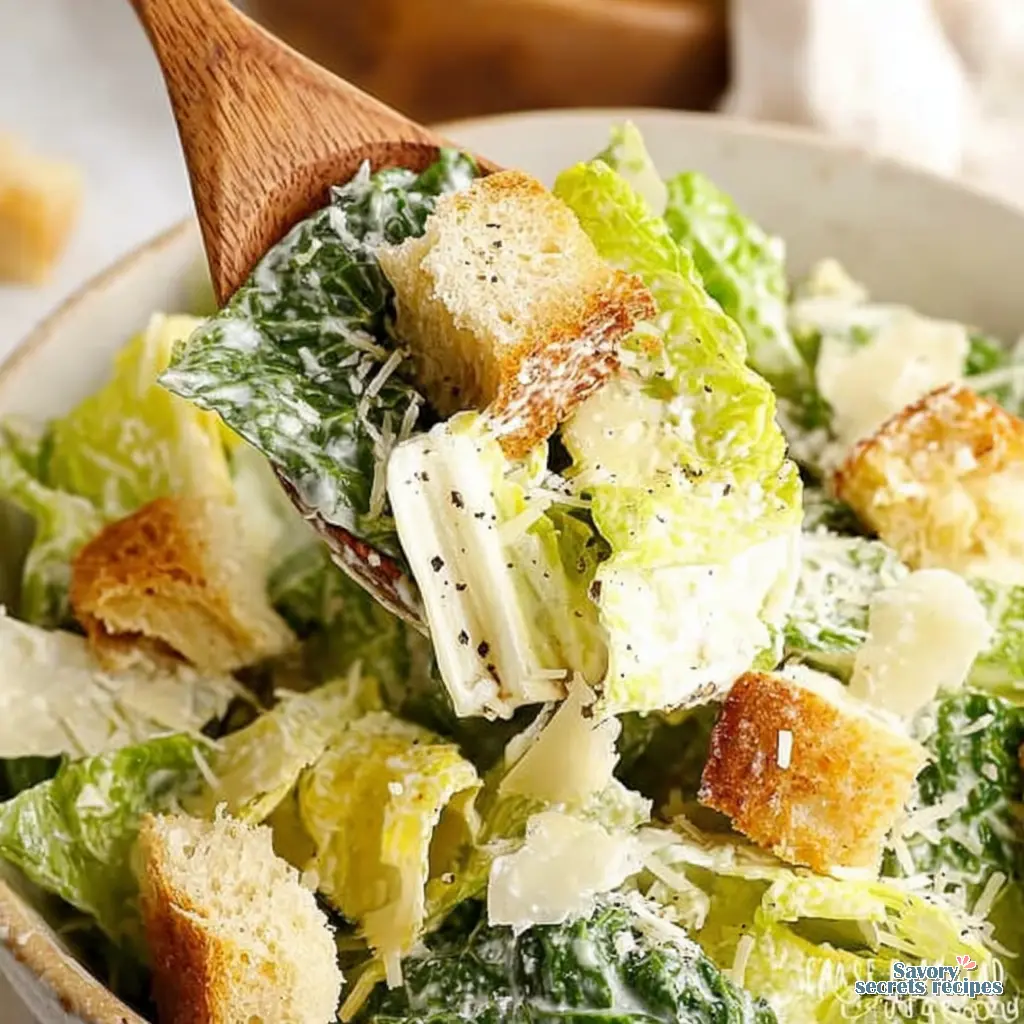
Let’s talk about your storage and make-ahead strategy. How long does homemade parmesan caesar salad dressing last in the refrigerator? Refrigerate dressing in an airtight container for up to 5 days. It actually gets better on day two as the garlic and citrus zest meld. Store your sourdough croutons at room temperature in an airtight container for 7 days. Don’t put them in the fridge, or they’ll get chewy.
Store leftovers for a maximum of 1 day, though honestly, dressed leaves will become soggy. I’m not totally sure why people try to save dressed salad. Just keep the components separate. You can use a food processor for a creamier, silkier dressing consistency if you’re making a big batch for meal prep. Just pulse it gently so you don’t heat up the oil. This dressing is also perfect for meal prepping an easy lunch salad.
Frequently Asked Questions
Bringing It All Together
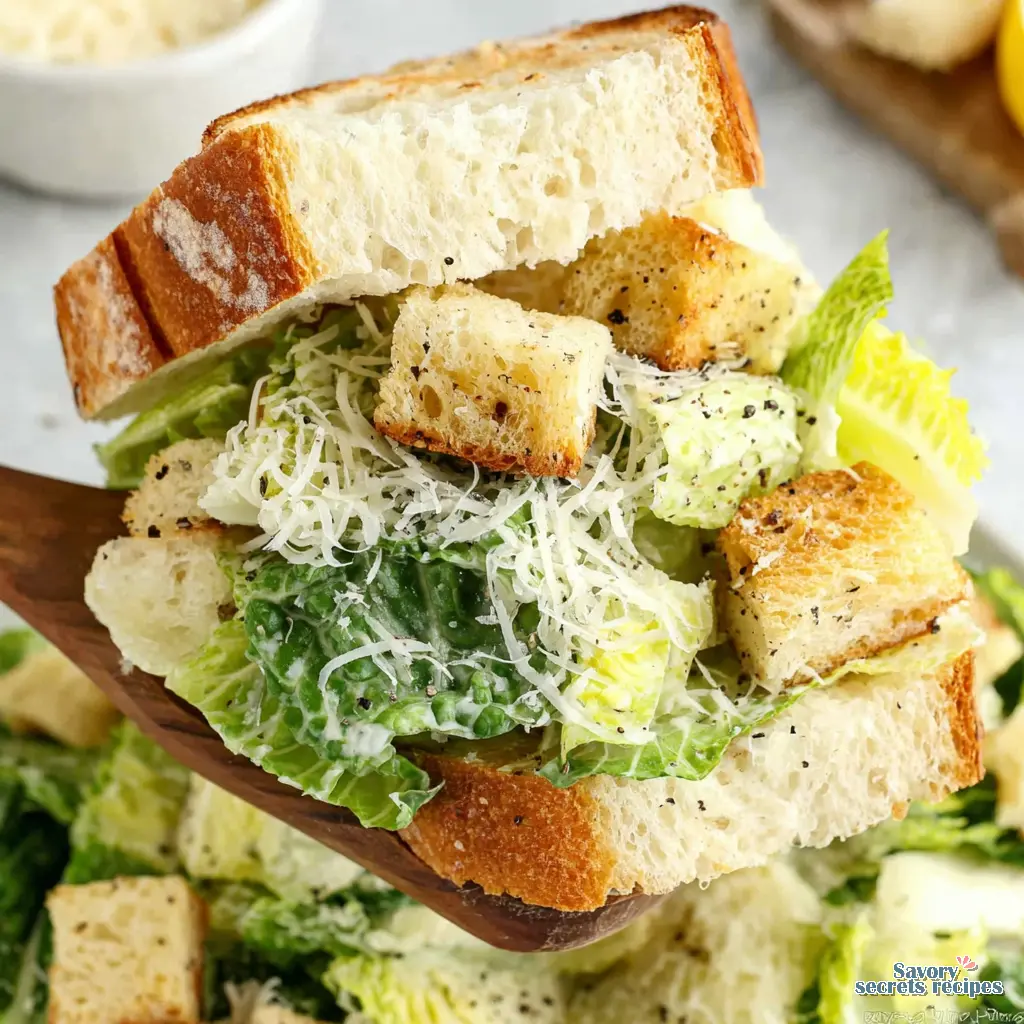
The fresh crack of black pepper. The snow-like dusting of Parmigiano-Reggiano. That’s the one. Serve this Classic Caesar Salad alongside a beautiful roast chicken. It’s a clean, classic taste. I genuinely love the problem-solving of making a simple green salad look appealing. It’s the ultimate styling challenge. Pull back a bit and look at your work. You built a from-scratch masterpiece.
I know it takes a few extra minutes to make the dressing yourself, but the flavor is unmatched. For more inspiration, check out my Pinterest boards. I share tons of visual ideas and plating techniques there. Let me see your plating. Tag me when you make it. Good light today, beautiful food tonight.
Reference: Original Source
Where is Caesar salad from originally?
It was invented in Tijuana, Mexico, in 1924 by an Italian immigrant named Caesar Cardini. He created the Classic Caesar Salad tableside during a busy Fourth of July weekend when the restaurant’s kitchen was running low on supplies.
What was in the original Caesar salad?
The 1924 original included romaine lettuce, garlic, croutons, Parmesan cheese, boiled eggs, olive oil, and Worcestershire sauce. Interestingly, it used lime juice instead of lemon juice, and it didn’t actually contain whole anchovies at first.
Which ingredient is not commonly found in classic Caesar salad?
Tomatoes, bacon, and chicken are not part of a traditional recipe. While they are popular modern additions, a true Classic Caesar Salad relies solely on the crisp romaine, cheese, croutons, and that rich, emulsified dressing.
Can you taste the anchovies in this recipe?
Not in a fishy way. The anchovy paste simply adds a deep, savory umami flavor and saltiness. If you mash them properly into the garlic, they melt into the background and just make the dressing taste incredibly rich.
Can I use store bought croutons?
You could, but I really don’t recommend it. Store-bought croutons are often too hard and uniform. Homemade sourdough croutons have a craggy, uneven texture that perfectly catches and holds the creamy dressing.
Can I make this a day or two before using?
You can prep the components ahead of time. Make the dressing and store it in the fridge for up to 5 days. Bake the croutons and keep them on the counter. Just don’t toss the salad until right before serving.
Who invented the Caesar Salad?
Caesar Cardini, an Italian-American restaurateur, invented it. He operated restaurants in San Diego and Tijuana to avoid Prohibition restrictions in the US. The tableside tossing was originally a bit of restaurant showmanship.
Is it safe to eat raw egg yolks?
For most people, yes, especially if you use pasteurized eggs. However, if you’re immunocompromised, pregnant, or just prefer not to use them, you can easily substitute the egg yolk with a tablespoon of mayonnaise and Dijon mustard.