



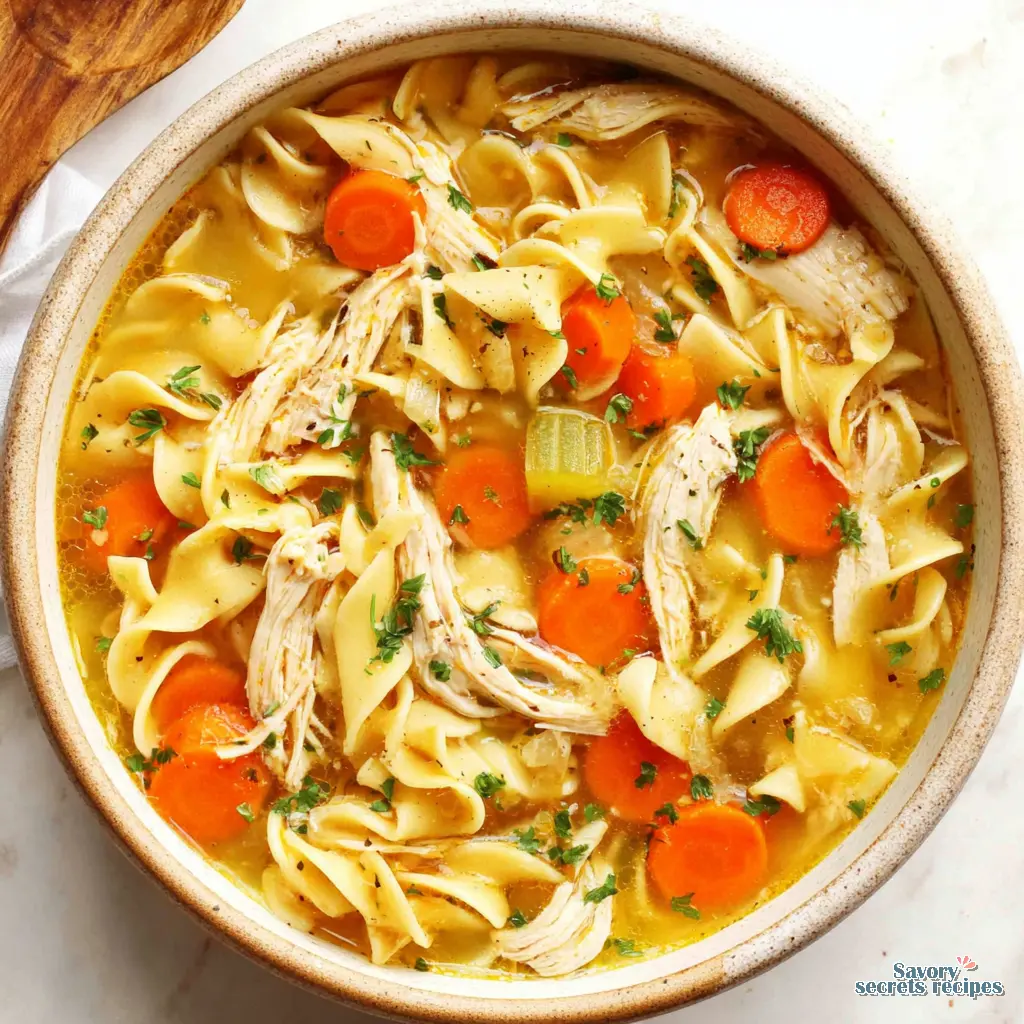
Grandma's Hearty Chicken Noodle Soup Recipe
Ingredients
Method
- Heat the olive oil in a large pot over medium-high heat.
- Add the celery, carrot, onions, and garlic, and saute for 6-7 minutes until softened.
- Add the chicken broth, Italian seasoning, salt, and black pepper. Bring to a boil, then reduce to a gentle bubble.
- Add the uncooked egg noodles and cook for 8-10 minutes or until al dente. Note: If you're using raw chicken breast, add it now with the noodles. Once it's fully cooked, take it out and cut it into bite-sized pieces.
- Remove the soup from the heat and stir in the chicken meat. Serve immediately.
Notes
The Perfect Bridge to Spring
We’re hitting that weird time of year around the Spring Equinox where the weather just can’t make up its mind. Especially here in Los Angeles. It’ll be a damp 55 degrees in the morning and then blindingly sunny by noon. You want something comforting but not heavy. That’s exactly when a classic chicken noodle soup becomes mandatory. It’s the perfect bridge between winter comfort and spring freshness.
I remember the first time I tried making soup from scratch. It was basically flavored water with sad, mushy vegetables floating in it. I learned the hard way that building flavor takes a little patience. But the payoff? Unbelievable. There is a specific magic to a simmering pot on the stove. The steam hitting your face as you stir. The rich, aromatic kitchen smell that wraps around you the second you walk through the door. It’s soul-warming. We’re going for liquid gold here, and I’m going to show you exactly how to get it.
I know a lot of people just grab the canned stuff on a busy weeknight. Fair enough. But once you understand the basics of a warm homemade soup, you’ll never go back. It’s easier than you think. You’ll get that sense of accomplishment from cooking the long way, even if we use a few smart shortcuts. If you are in a hurry, you might also enjoy our easy chicken noodle soup which serves as a quick comfort soup recipe for busy nights.
The Foundation: Chicken and the Holy Trinity
Let’s talk about the base of your classic chicken noodle soup. The mirepoix. That’s your yellow onion, celery stalks, and carrots. It’s the holy trinity of flavor. I remember my uncle Marc letting me stand on a milk crate at his French bistro’s prep station back in the 90s. He taught me how to brunoise carrots. He’d check my cuts with a ruler. Actually measure them. If they weren’t within a millimeter, I’d start over. Seemed harsh at the time, but now I get it. Consistency matters.
For this hearty chicken soup, you don’t need a tiny brunoise. In fact, cut your vegetables into thick pieces to prevent them from becoming mushy during simmering. You want them to hold their shape and offer a little bite. Sauté them in a heavy dutch oven. I prefer European-style butter for this step because the higher fat content makes a real difference in the flavor base. The smell of browning butter and onions always takes me back to learning classical French technique. That moment when it shifts from foaming to nutty is still satisfying every single time.
Now, about the chicken. Here’s the thing about that. You can use a rotisserie chicken carcass to make a quick homemade stock. It’s a brilliant shortcut for meal prep. Just pick the rotisserie chicken meat off, save it for later, and toss the bones in with some water to simmer. If you’re building from scratch without a rotisserie, I’d probably lean toward bone-in, skinless chicken breasts for better broth flavor. The bones add collagen, which gives the broth that rich mouthfeel. Bone-in chicken thighs work great too if you prefer dark meat.
Visual Poaching Guide and Broth Clarity
This is where most people run into trouble. They boil the soup too hard. You want a gentle, lazy simmer. Just a few bubbles breaking the surface. Boiling the soup too hard emulsifies the fat into the liquid and makes your clear broth cloudy. Let it do its thing.
If you’re poaching raw chicken right in the broth, you need to know when to pull it. You’ll know it’s ready when an instant-read thermometer hits 165°F in the thickest part. I think most home cooks would benefit more from a good instant-read thermometer than from any other single tool. If you’re using a mix of cuts, pull the chicken breasts out of the broth earlier than the legs to prevent them from drying out. Set them aside, let them cool slightly, and shred them with two forks.
To keep that broth looking like liquid gold, take a ladle and gently skim the surface every so often. You’re just removing the excess foam and fat that rises to the top. Not a huge deal, but worth noting if you want that picture-perfect, traditional homemade chicken soup look.
The Science of Acidity and Salt Troubleshooting
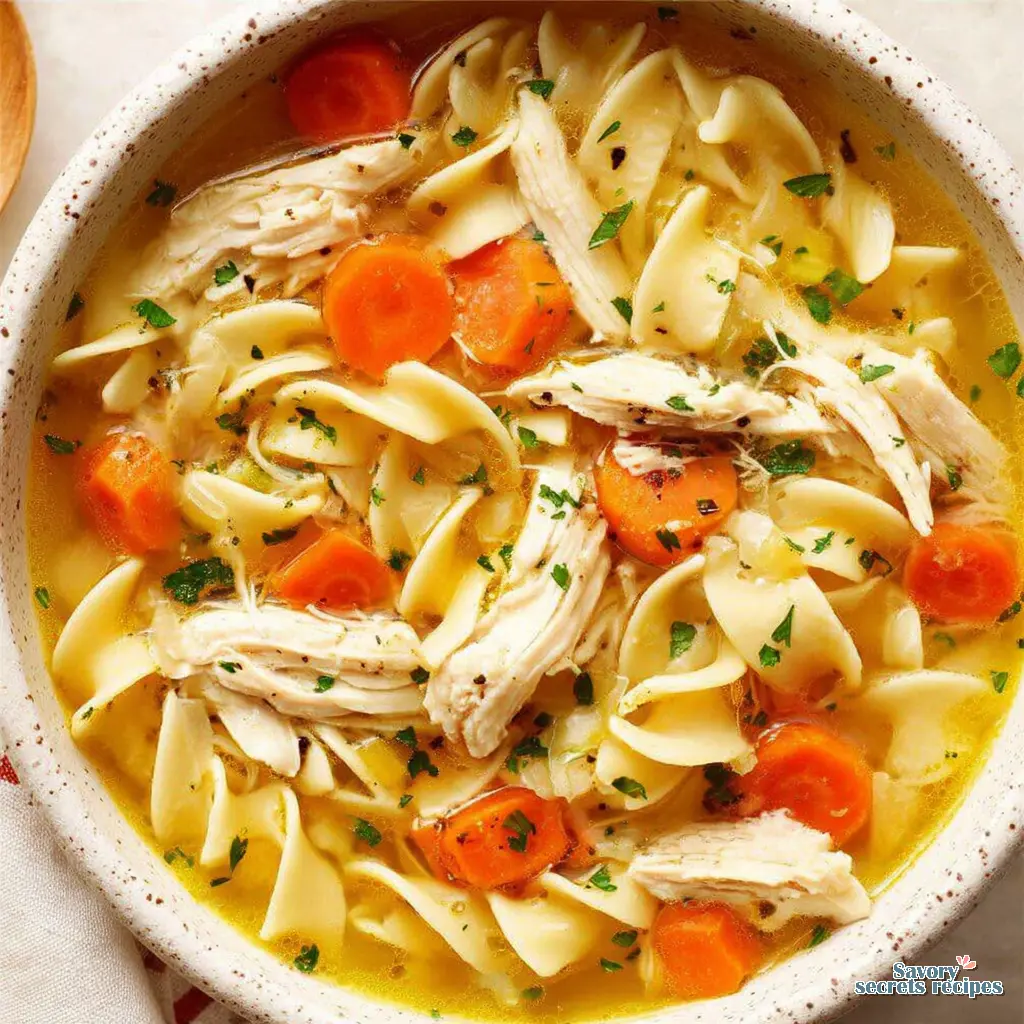
Let me show you what I mean about layering flavors. A chef I was filming for a video project showed me how to taste as you cook. Not just at the end, but at each stage. Sounds obvious, right? But I’d been treating it like a linear process. Now I understand it’s iterative. You need to season with kosher salt early and often to help the tongue distinguish flavors. If you wait until the end, the salt just sits on top of the liquid instead of penetrating the ingredients.
But what if you over-salt it? I’ve been there. You can’t really take salt out. If your broth gets too salty, add a splash of water or some unsalted chicken stock to dilute it. A tiny pinch of sugar can also help balance it out.
Here’s the real secret that completely changes the profile of a classic chicken noodle soup. Acidity. Add a squeeze of lemon juice at the very end for brightness and acidity. It cuts through the rich, savory chicken fat and wakes up the whole pot. Trust the process on this one. It won’t taste like lemon soup. It’ll just taste like the best version of chicken soup you’ve ever had.
When you’re building flavor at the beginning, you might get some brown bits stuck to the bottom of your dutch oven after sautéing the vegetables. That’s flavor. Deglaze the pan with a splash of broth and scrape those bits up with a wooden spoon. Add in your bay leaf, thyme sprigs, and a pinch of black pepper. Check expiration dates on dried herbs to ensure maximum flavor. If your Italian seasoning has been sitting in the pantry since 2019, it’s basically just green dust now. Toss it. Ensuring your spices are fresh is a simple way to elevate any comfort soup recipe.
The Noodle Rule: Preventing Mush
We need to talk about the noodles. This might just be me, but I absolutely hate soggy, falling-apart pasta in my soup. Overcooking store-bought noodles until they fall apart is the most common mistake I see. You want perfectly al dente egg noodles.
If you’re serving the whole pot immediately to a crowd, go ahead and cook the dry egg noodles directly in the broth. But undercook the noodles by 1 minute. They continue cooking in the hot broth even after you take the pot off the heat.
If you’re cooking for one or two people and know you’ll have leftovers, cook the noodles separately. Store them in a different container in the fridge. When you reheat a bowl of soup, just add a handful of cold noodles to the hot broth. They’ll warm through perfectly without turning to complete mush. Makes sense to me, right? It preserves the integrity of your classic chicken noodle soup for days.
Common Mistakes & Fixes
Mistake: Boiling the soup too hard.
Solution: A rolling boil makes the broth cloudy and tough on the chicken. Keep it at a low, gentle simmer. Just a few bubbles.
Mistake: Leaving the chicken breasts in the pot too long.
Solution: White meat dries out incredibly fast, even submerged in liquid. Pull the breasts out at 165°F, shred them, and add them back at the very end just to warm through.
Mistake: Using old, flavorless dried herbs.
Solution: Rub dried herbs between your fingers before adding them. If you can’t smell anything, they’re dead. Always finish with fresh parsley or dill at the very end to maintain color and fresh taste.
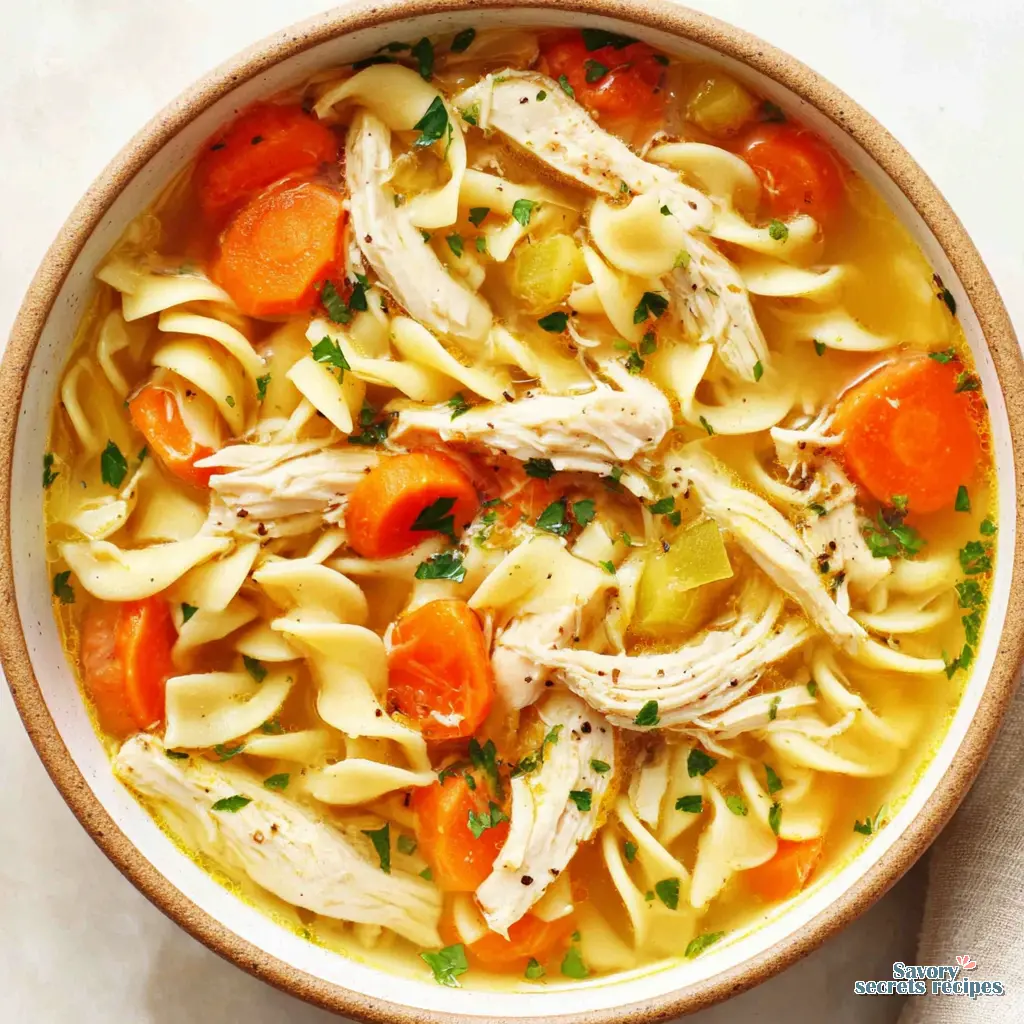
Storing and Freezing Your classic chicken noodle soup
I love the problem-solving aspect of meal prep. If you’ve made a massive batch of this hearty chicken noodle soup recipe for cold weather, you need to store it right. Refrigerate the broth, chicken, and veggies in an airtight container for 3 to 5 days. Keep the noodles in a separate container.
Can you freeze it? Absolutely. Freeze the soup base for 2 to 3 months in freezer-safe containers. Divide into single portions before freezing for easy meals later. Just don’t freeze the noodles. They turn into a bizarre, grainy paste when thawed. Make fresh noodles when you reheat the frozen broth on the stove over medium heat.
Serve it up with some crusty sourdough bread. San Francisco-style sourdough is amazing for dipping. Or maybe some homemade rolls if you’re feeling ambitious.
Frequently Asked Questions
The Final Ladle
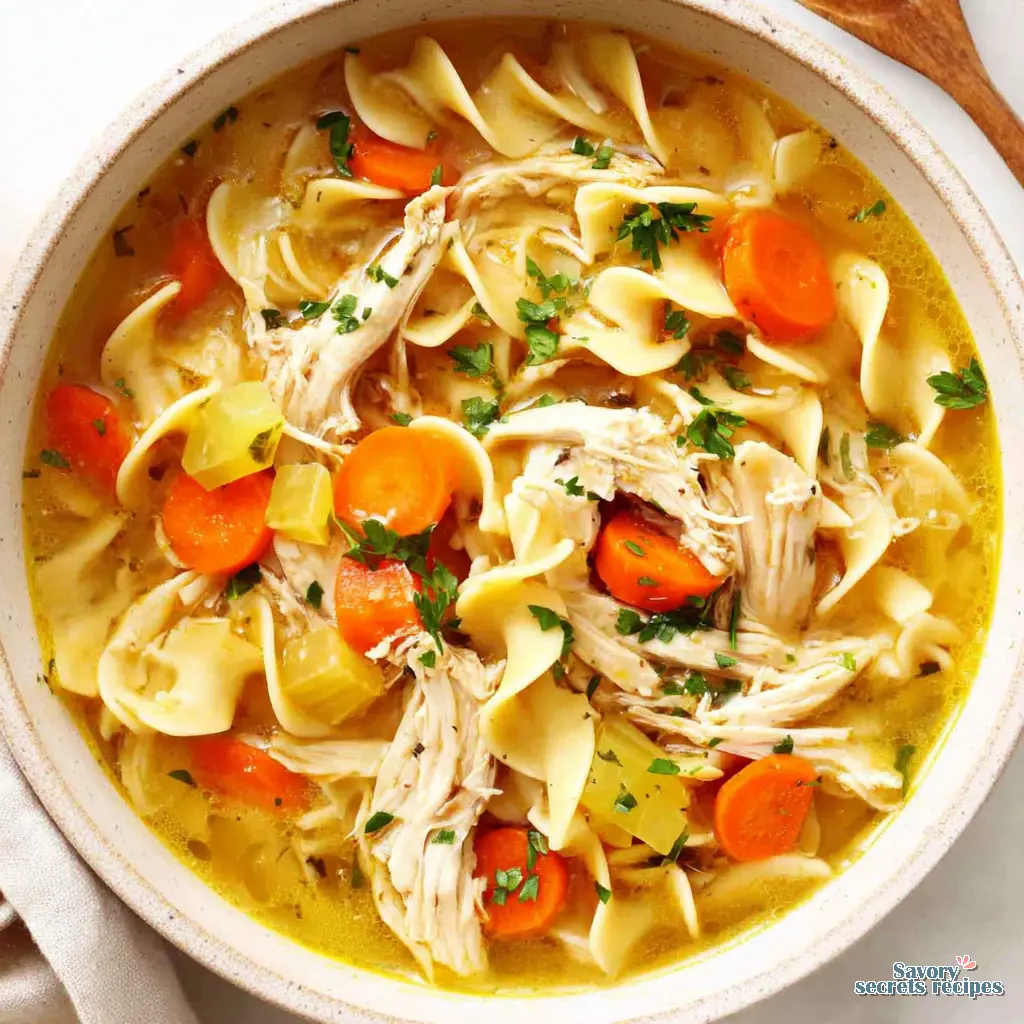
There is something genuinely satisfying about finishing a proper stock. It justifies the entire enterprise of cooking. Take a moment to appreciate that first ladle-full. The bright pop of the fresh parsley, the rich color of the broth, the steam rising up. It’s perfect.
Enjoy the quiet moment of eating this classic chicken noodle soup. Whether you’re making it for a sick kid, a partner after a long day, or just treating yourself on a rainy Tuesday, it delivers every single time. I’ll take a look at the comments if you have any questions, so let me know how yours turns out. You’ve got this.
For more inspiration, check out my Pinterest boards where I save all my favorite comfort food variations.
Reference: Original Source
Is classic chicken noodle soup healthy?
It’s incredibly nourishing. The bone-in chicken provides collagen and protein, while the carrots and celery offer solid vitamins. It’s a balanced, hydrating meal. I wouldn’t call it a diet food, but it’s exactly what your body wants when you need clean energy.
What can I add to classic chicken noodle soup to give it flavor?
Sautéing your aromatics in butter first builds a massive flavor base. Beyond that, a squeeze of fresh lemon juice at the end adds crucial acidity. Don’t forget to season with kosher salt throughout the process, not just right before serving.
Can I make this classic chicken noodle soup ahead of time?
Yes, and it honestly tastes better the next day after the flavors mingle. Just remember the golden rule: cook and store the egg noodles separately. Add them directly to your bowl right before you ladle the hot soup over them.
How do I prevent mushy noodles in my warm homemade soup?
Never boil the noodles in the main pot if you’re saving leftovers. Cook them separately in salted water, undercook them by exactly one minute, and rinse them briefly with cold water to stop the cooking process. They’ll stay perfectly al dente.
Can I freeze classic chicken noodle soup?
You can freeze the broth, chicken, and vegetables in airtight containers for up to three months. I highly recommend freezing in single-portion sizes. Just hold off on freezing the noodles. Boil a fresh batch of pasta when you thaw the soup.