



Creamy Garlic Butter Salmon in Oven with Foil
Ingredients
Method
- Boil a large pot of salted water. Cook the fettuccine for 8-10 minutes until al dente, following package directions. Drain the pasta and toss with olive oil to prevent sticking.
- Pat the salmon dry and season both sides with paprika, Italian seasoning, salt, and pepper. Heat olive oil and butter in a skillet over medium heat. Sear the salmon skin-side down for 3-4 minutes, then flip and cook for another 3-4 minutes. Drizzle with lemon juice and remove from the skillet.
- Melt another tablespoon of butter in the same skillet. Sauté the minced garlic until fragrant, then add the heavy cream and broth. Simmer for 3-4 minutes until the sauce thickens. Stir in the Parmesan, red pepper flakes, salt, and pepper.
- Add the drained fettuccine to the skillet and toss to coat. Mix in reserved pasta water as needed to reach your desired consistency.
- Plate the pasta and top with a salmon fillet. Garnish with parsley, extra Parmesan, and red pepper flakes, then serve immediately.
Nutrition
Notes
The Secret to Perfectly Flaky Fish
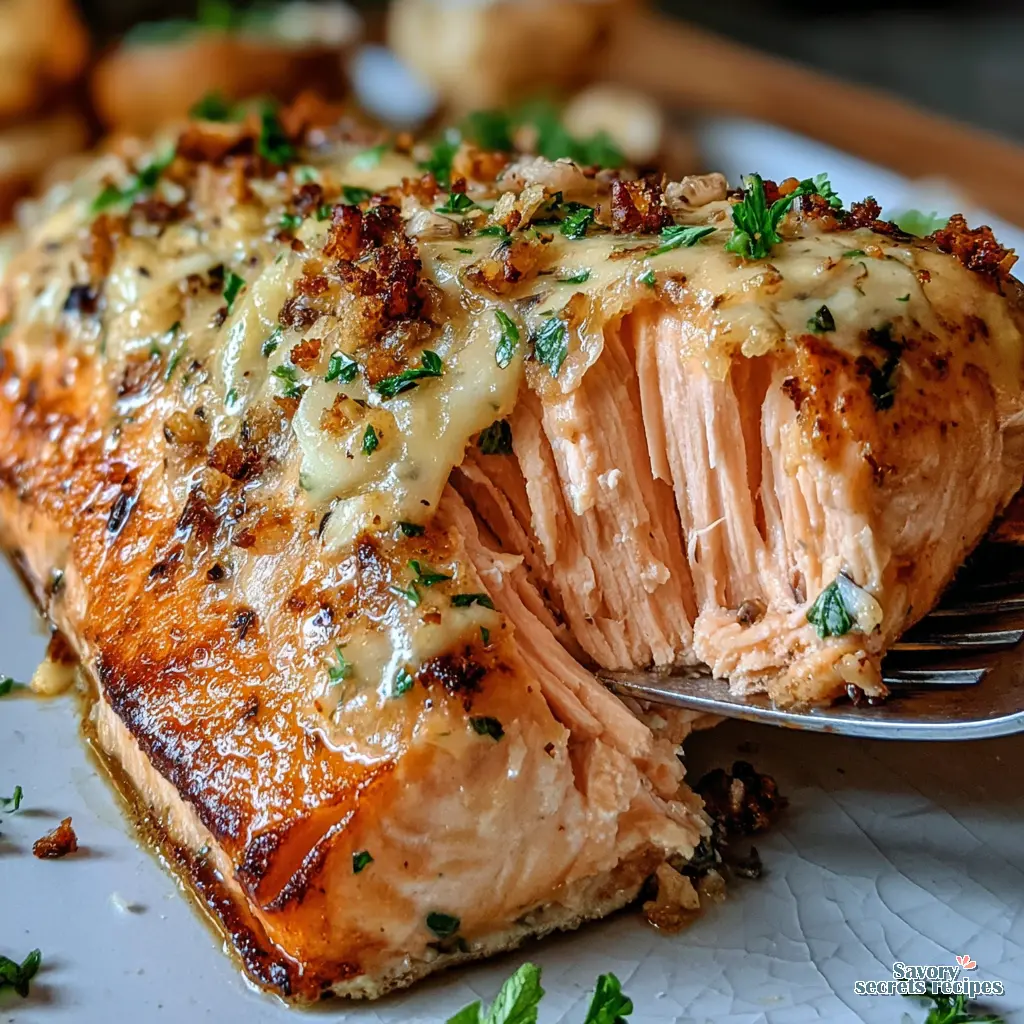
It’s a chilly Wednesday evening here in Los Angeles. Well, 55 degrees is basically freezing for Southern California, and it’s the perfect excuse to actually turn on the oven. I’m staring at a beautiful piece of fish, and I’m reminded of why I love this method so much. I used to dread pan-frying seafood because of the inevitable oil splatter and the constant hovering. But then I discovered the absolute reliability of oven baked salmon. This garlic butter salmon recipe is my foolproof, hands-off solution.
I remember standing on a step stool in my Babcia’s kitchen back in Milwaukee. She told me her mother taught her that you trust your hands, but you verify with your tools. I still think about that every time I pull out my instant-read thermometer for this dish. It looks incredibly fancy, like a dinner party recipe you spent hours on, but it honestly takes under 30 minutes. You’ll get butter-tender fish, infused garlic flavor throughout, and zero cleanup.
The Basting Technique and Butter Choices
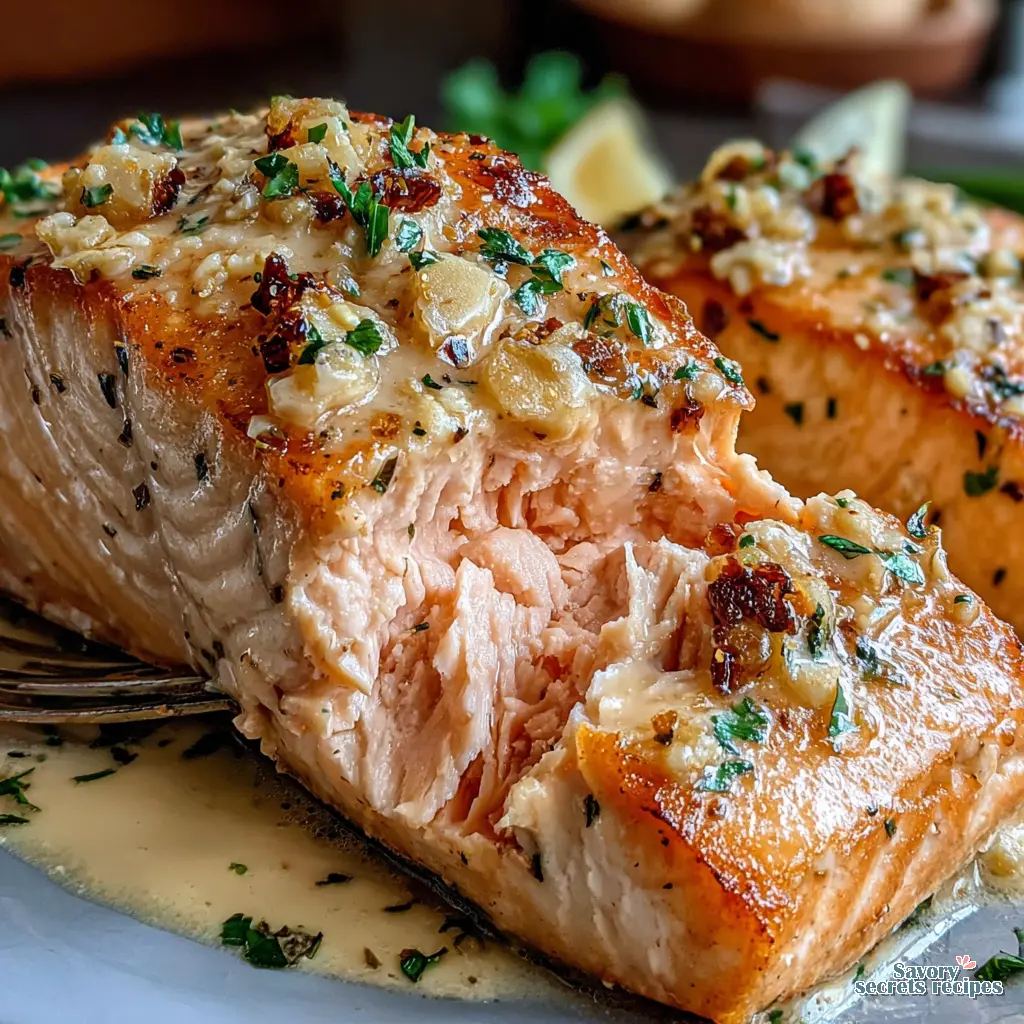
We need to talk about the garlic butter mixture. According to the guidelines I follow for maximum flavor penetration, you’ll want to finely chop your minced garlic with a knife instead of using a press. I learned this the hard way. Using a garlic press crushes the cell walls too much, which causes the garlic paste to burn and spit in the hot fat. Better to err on the side of caution and chop it by hand. It’s a small detail, but precision matters.
European butter versus standard butter for basting is another big question I get. I prefer European unsalted butter because it has a higher butterfat content and less water. You’ll want to use unsalted butter to maintain total control over your sodium levels. That tracks with what I’ve seen in my fermentation tests, too. Salt is a tool, and you need to control it. When you baste the salmon continuously with that bubbling melted butter, that rich fat carries the fresh herbs and lemon rounds right into the meat. It smells exactly like a high-end steakhouse in your kitchen.
Cast Iron vs. Non-Stick: Pan Selection
If you’re wondering about cast iron versus non-stick for this, I’ve got thoughts. I prefer a heavy cast iron skillet or a sturdy baking sheet lined with aluminum foil. Cast iron holds heat beautifully if you’re looking for a quick sear, but for a true set-it-and-forget-it meal, the sheet pan is king. For easy cleanup, parchment paper works fine, but foil handles the high heat of the broiler much better.
Let your wild caught or atlantic salmon sit at room temperature for 15 to 20 minutes before cooking. This ensures even heat distribution. I know it seems fussy, but it’s actually quite forgiving once you understand the basics. Also, completely pat the salmon completely dry before seasoning. Moisture is the enemy of a good texture. If it’s wet, it steams. If it’s dry, it roasts.
The Science of Albumin
Have you ever noticed that white stuff seeping out of your fish? That’s albumin. It’s just liquid protein pushing out of the muscle fibers as they contract under heat. It’s completely safe to eat, but visually, it’s not ideal. I mean, you could just scrape it off, but preventing it is better.
The data suggests that cooking at too high of a temperature too quickly forces more albumin out. That’s why we bake it gently, then just briefly broil the top for color. Don’t crowd the pan, either. If you pack a whole side of salmon too tightly with vegetables, it creates a steam bath. Work in batches if necessary to maintain high heat and proper air circulation.
Common Mistakes & Fixes
Mistake: Using a garlic press.
Solution: This usually causes the garlic to burn and turn bitter. Always mince it finely with a knife.
Mistake: The fish tears when serving.
Solution: You likely moved it too early or didn’t pat it dry. Let it roast undisturbed until it releases naturally.
Mistake: Covering the pan entirely.
Solution: If you seal it tight, you lose the crispness. Leave it open or loosely tented.
Doneness Guide: Internal Temp vs Visual Cues
So, how long to bake salmon at 400 degrees? Usually, it takes about 10 to 14 minutes, depending on the thickness. Center-cut pieces are thicker and take longer, while tail-end pieces taper off and cook fast. Just to be safe, group similar sizes together. But please, trust the thermometer, not just the clock.
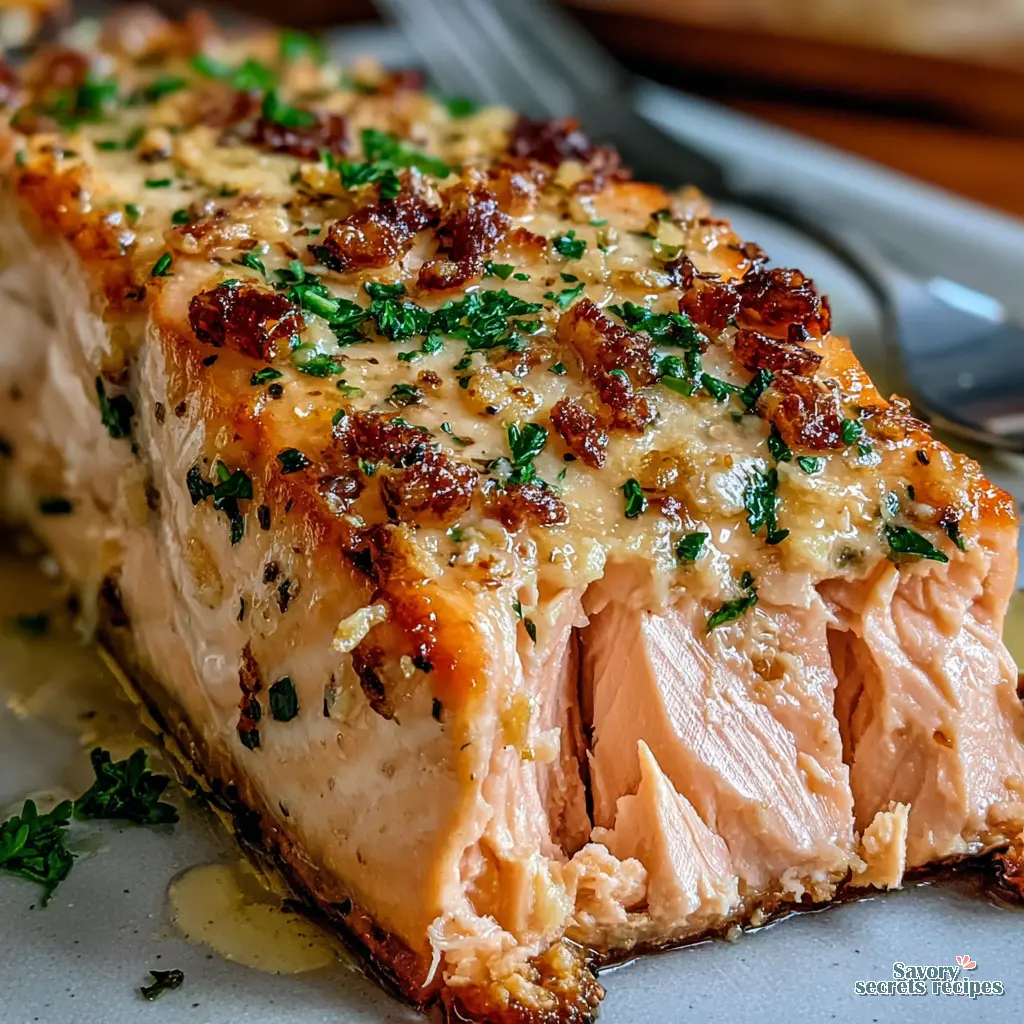
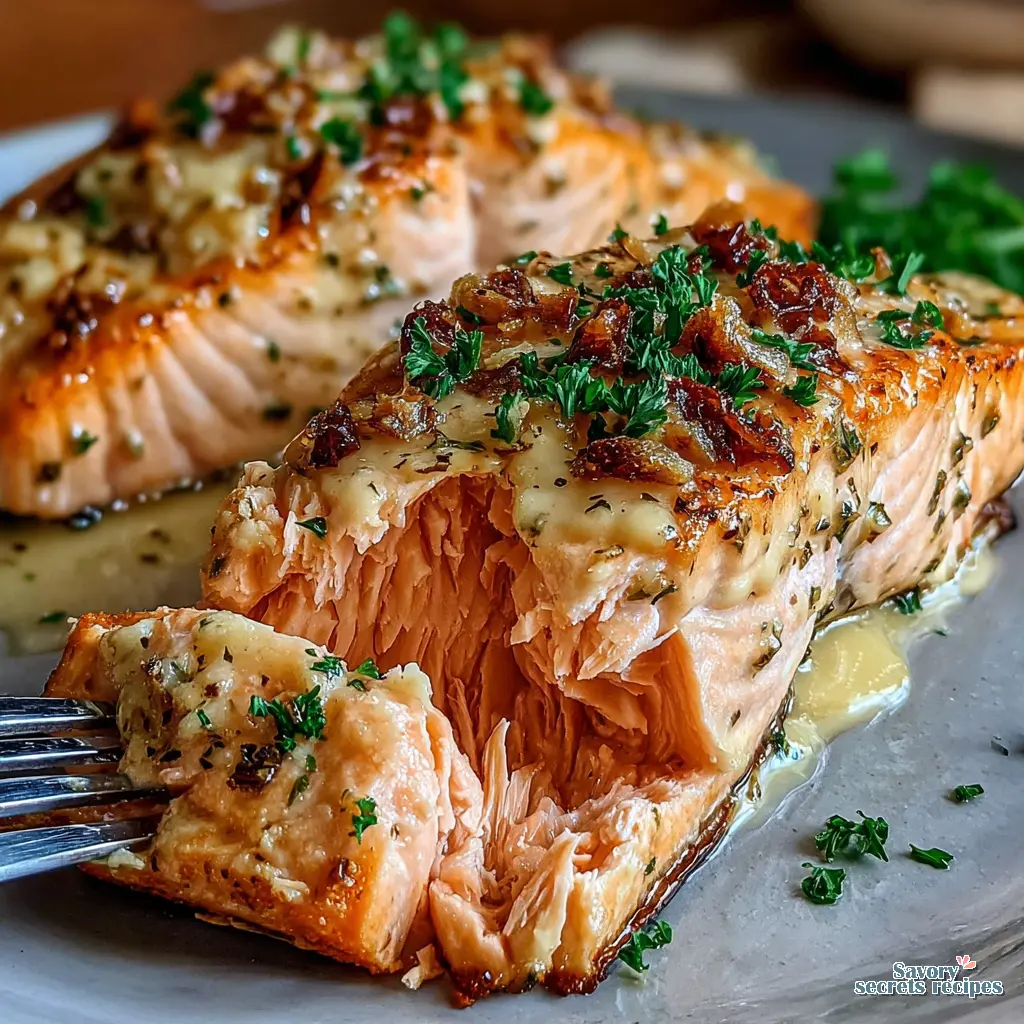
Target an internal temp of 122°F to 125°F for medium-rare optimum juiciness. I know the FDA recommends 145°F, but I’m hesitant to say definitively that you should cook it that high. In my experience, taking it to 145°F results in dry, chalky fish. It’ll continue to cook slightly after you pull it from the oven due to carry-over cooking. Look for the color to change from translucent to opaque pink, and check if it flakes easily with a fork. That’s a textbook result right there.
Storage and the Gentle Reheating Method
I know people get anxious about leftover seafood. I’d want to verify first that your fridge is consistently below 40°F. If it is, you can store your leftover garlic butter salmon in an airtight container for two to four days. Please don’t freeze cooked salmon. The cellular structure breaks down and it gets terribly mushy.
For reheating, use the gentle method. Slowly warm it over low heat in a saucepan, or gently in the oven at 275°F until just warmed through. Microwaves destroy the texture and make your kitchen smell, well, fishy. Honestly, it’s fantastic served cold, flaked over a leafy green salad or mixed into quinoa. Using leftovers this way is a fantastic shortcut for creating a quick and healthy salmon recipe for lunch.
Frequently Asked Questions
Ready to Roast
I genuinely love the moment when you pull this from the oven and the smell is exactly right. Tangy lemon, rich butter, roasted garlic. It never gets old. It’s the smell of everything working the way it should. Whether you’re hosting a small dinner party or just trying to survive a busy weeknight, this garlic butter salmon is going to be your new secret weapon. You’ve got this.
For more inspiration and variations on my favorite reliable dinners, check out my Pinterest boards. I’m always saving new ideas for quick, flavor-packed meals.
Reference: Original Source
How long to bake salmon at 400 degrees in foil for the best texture?
I usually aim for 10 to 14 minutes, depending on the thickness of your fillets. Center cuts take a bit longer. I’d definitely rely on a meat thermometer to pull it at 125°F rather than just watching the clock, just to be safe.
What are the best side dishes to serve with creamy garlic butter salmon?
This pairs beautifully with roasted asparagus or green beans cooked on the same sheet pan. I also love serving it with mashed cauliflower or a bright, leafy green salad. The leftover butter is incredible smeared on a piece of toasted sourdough.
Do you need to seal the foil completely when making garlic butter salmon in oven with foil?
You don’t want to seal it completely tight. Creating a loose tent helps steam the fish gently at first, but leaving it slightly open prevents it from becoming soggy. You want that butter to roast the fish, not just boil it.
How can I tell if my oven baked salmon is fully cooked and flaky?
The color will shift from a translucent pink to an opaque coral. Give it the fork test. If it separates easily along the white fat lines, it’s ready. But honestly, trust your thermometer. 125°F is exactly where you want it.
Can I use frozen fish fillets to make this garlic butter salmon recipe?
You can, but I’d highly recommend thawing them safely in the fridge overnight first. If you bake them from frozen, the outside overcooks before the inside thaws, and you end up with a lot of that white albumin seeping out.
Is garlic butter salmon keto?
Yes, it’s naturally keto-friendly and gluten-free. Because we’re just using fresh fish, butter, garlic, and herbs, it fits perfectly into a low-carb diet. Just be mindful of what side dishes you pair it with if you’re tracking macros.
Do I have to broil the salmon?
Not at all. Broiling for the last two minutes just gives it that gorgeous golden color and slightly crisps the minced garlic. If you skip it, the fish will still be perfectly tender and delicious. Just watch it closely if you do broil.