



Traditional Roast Chicken Dinner with All the Trimmings
Ingredients
Method
- Remove the chicken from the refrigerator 30 minutes before cooking and preheat the oven to 425°F (220°C).
- Combine the olive oil, rosemary, thyme, garlic, salt, and pepper in a small bowl, then rub the mixture thoroughly over the chicken and under the skin.
- Toss the carrots and potatoes with olive oil, salt, and pepper in a large roasting pan and spread them into an even layer.
- Position the seasoned chicken on top of the vegetables.
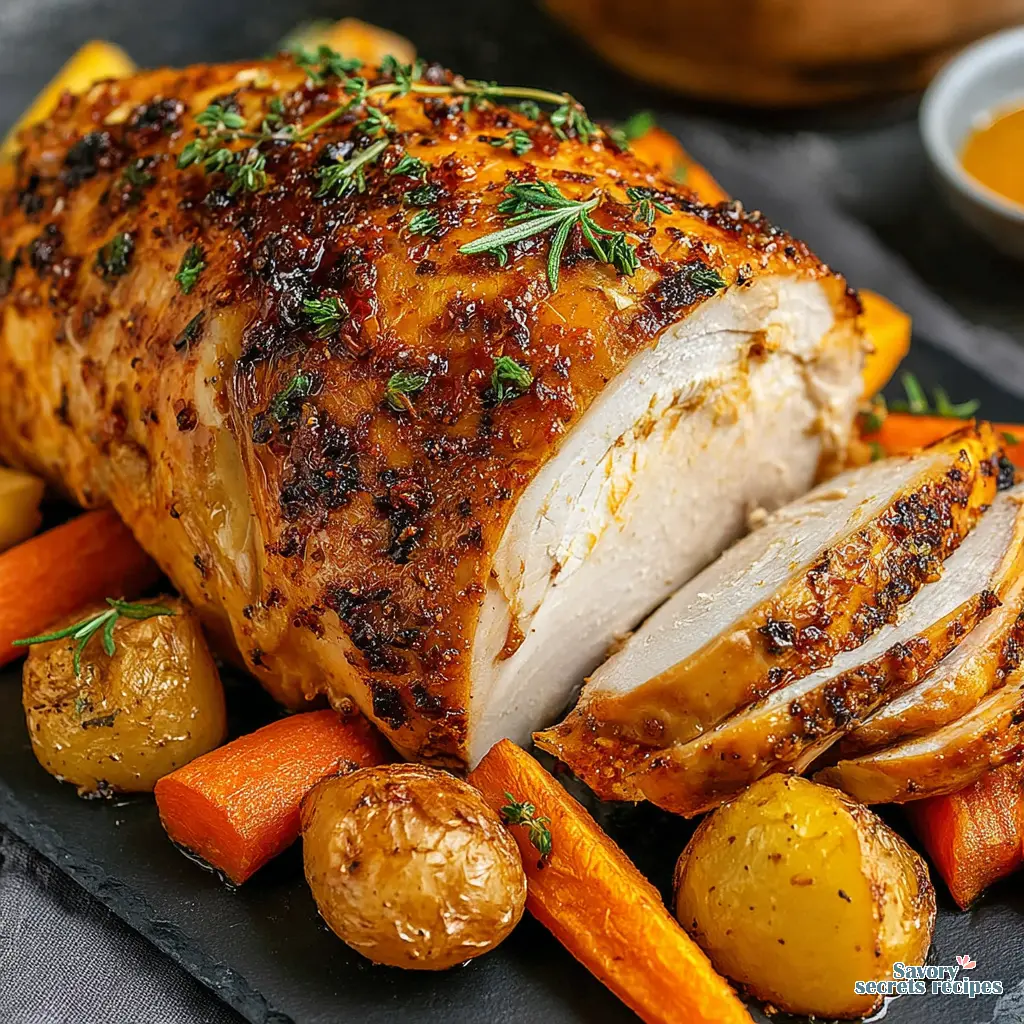
- Roast the chicken for about 1 hour and 15 minutes until the skin is golden brown and the internal temperature reaches 165°F (75°C).
- Let the chicken rest for 15 to 20 minutes before carving and toss the vegetables in the pan juices.
Nutrition
Notes
The Ultimate Sunday Tradition Made Simple
I grew up watching my grandma Evelyn pull fully assembled meals out of her garage freezer like magic tricks. She would peel back the tinfoil, read her own faded Sharpie notes, and dinner was handled. I did not realize until college that not everyone had a freezer inventory system. But for a proper British Sunday lunch, you cannot just pull a frozen tray out and hope for the best. You need the real deal. The ultimate Easter Sunday chicken roast that beats lamb every time.
There is a specific smell that hits you when you walk into a house where a proper roast chicken with vegetables is in the oven. It smells like melting butter, sharp garlic, and earthy rosemary. It is the smell of a home where someone cares enough to spend a Sunday afternoon cooking. I am not going to lie, the pressure to perform for a Sunday family gathering is real. You want perfectly succulent chicken with glass-like crispy skin. You want fluffy-on-the-inside roasties. You want happy, full family members.
Here is the thing. Making an oven roasted chicken dinner does not have to be a stressful marathon. I am going to show you exactly how to get crispy skin on roast chicken UK style. It is easier than you think. Trust me.
Quick Wins for a Foolproof Roast Chicken with Vegetables
Before we get into the deep dive, let us start with a few quick wins. I know this sounds basic, but these three steps are the difference between a soggy bird and a masterpiece. First, pat the chicken skin completely dry with paper towels before seasoning. Moisture is the enemy of crispy skin. Second, bring your chicken to room temperature for 30 minutes before roasting. Cold meat cooks unevenly. Third, do not baste the chicken. I know your mum probably basted hers, but basting just pours liquid over the skin you are trying so hard to crisp up.
Totally doable, right? Once you understand the basics, making a roast chicken with vegetables becomes second nature. This is a Sunday job that actually buys you time for the rest of the week. Dinner is already halfway done for Monday. This approach makes it easy to maintain a healthy roast chicken meal plan throughout the busy week.
The Golden Rule of Prep and Safety
Real talk. Do not rinse the chicken. I know some people swear by it, but washing raw poultry just splashes bacteria all over your clean sink and counters. It is a massive sanitation risk. Just unpackage it, drain any liquid, and pat it dry. That is it.
Once it is dry, we need to talk about the holy trinity of roast herbs. Fresh thyme, rosemary, and garlic. I like to rub the bird with a generous glug of olive oil or a knob of butter. Then I tuck the wing tips under the body. This prevents those delicate little tips from burning to a crisp before the thighs are done. I think this works perfectly, but your mileage may vary depending on the exact shape of your bird. Preparing your ingredients correctly is the first step toward a successful family chicken dinner.
You will want to preheat your oven to a high temperature. I usually start at 220°C or Gas Mark 7. We blast it with heat first, then lower it. This jumpstarts the crisping process.
The Science of the Vegetable Rack
I am a little obsessed with this next trick. You do not need a fancy metal rack for roasting. We are going to build an edible roasting rack using your vegetables. This is where your Maris Piper potatoes and Chantenay carrots shine.
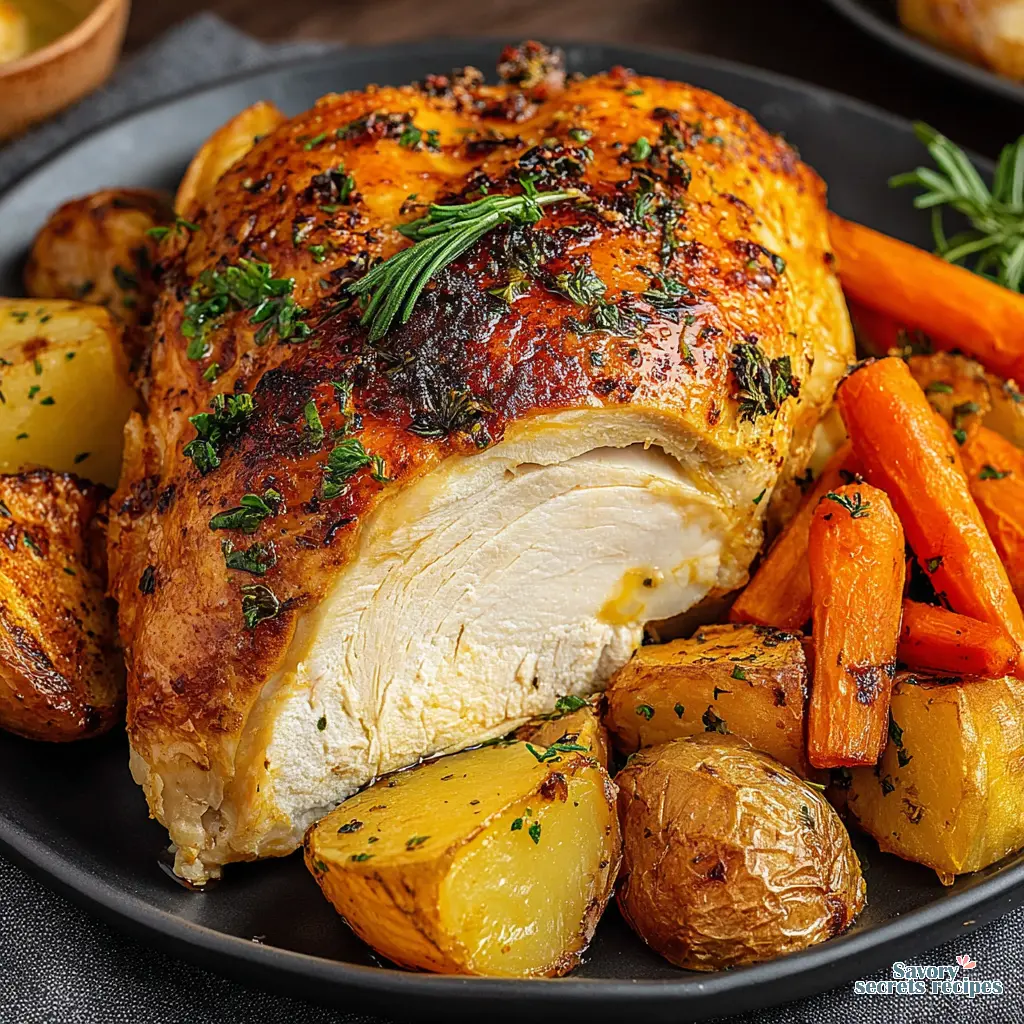
Cut your vegetables into thick, uniform pieces. We are talking at least 2.5 centimetres across. If you cut them too thin, they turn to mush before the chicken is done cooking. That tracks, right? The chicken sits directly on top of the root veg. As the bird roasts, the savory chicken fat drips down and coats the potatoes and carrots. The vegetables lift the chicken up so air can circulate, and the chicken flavors the vegetables. Honestly kind of genius. This technique is the secret to a perfect one pan roast chicken where the sides cook in the meat juices.
When you toss those potatoes in a little hot oil before arranging them under the bird, listen for that quiet shush sound. That is the sound of a great crust forming.
Pan Size and Perfect Temperatures
Let us talk about equipment. Using a roasting tin that actually fits your bird is crucial. If you use a massive turkey-sized tin for a standard chicken, the juices will spread out too thin and burn on the hot metal. If the pan is too small, the vegetables are overcrowded and they just steam instead of roasting. You want a tin where the chicken and vegetables fit snugly in a single layer.
Halfway through cooking, rotate the roasting pan 180 degrees. Most ovens have hot spots, and this ensures even browning.
Now, how do you know when it is done? Do not guess. Do not poke it and pray. Use a meat thermometer. Insert it into the thickest part of the thigh, making sure you are not touching bone. You want to pull the chicken out of the oven when it hits 71°C. I know the safe temperature is 75°C, but carryover cooking is real. The residual heat will push the temperature up those last few degrees while it rests. Pulling it early is the absolute secret to keeping the meat juicy when making a roast chicken with vegetables.
Traditional Roast Chicken Dinner With All The Trimmings No Alcohol
A Sunday roast is not complete without the extras. If you are looking to make a traditional roast chicken dinner with all the trimmings no alcohol involved, you have plenty of brilliant options. You do not need cooking wine to make an incredible gravy.
While the chicken is resting, place your roasting tin right on the hob over medium heat. Stir in a few tablespoons of flour to soak up the fat, then slowly whisk in good quality chicken stock. To replace the depth of flavor you usually get from wine, stir in a teaspoon of Marmite or a spoonful of caramelized onion jam. It adds this incredible savory richness. If you are really pressed for time, a good quality brand of gravy granules whisked into the pan drippings works a treat too.
Serve this alongside some pork-free stuffing made with sage and onion, a massive plate of Yorkshire puddings, and some buttered spring greens. It is the perfect meal.
The Magic of Resting Your Meat
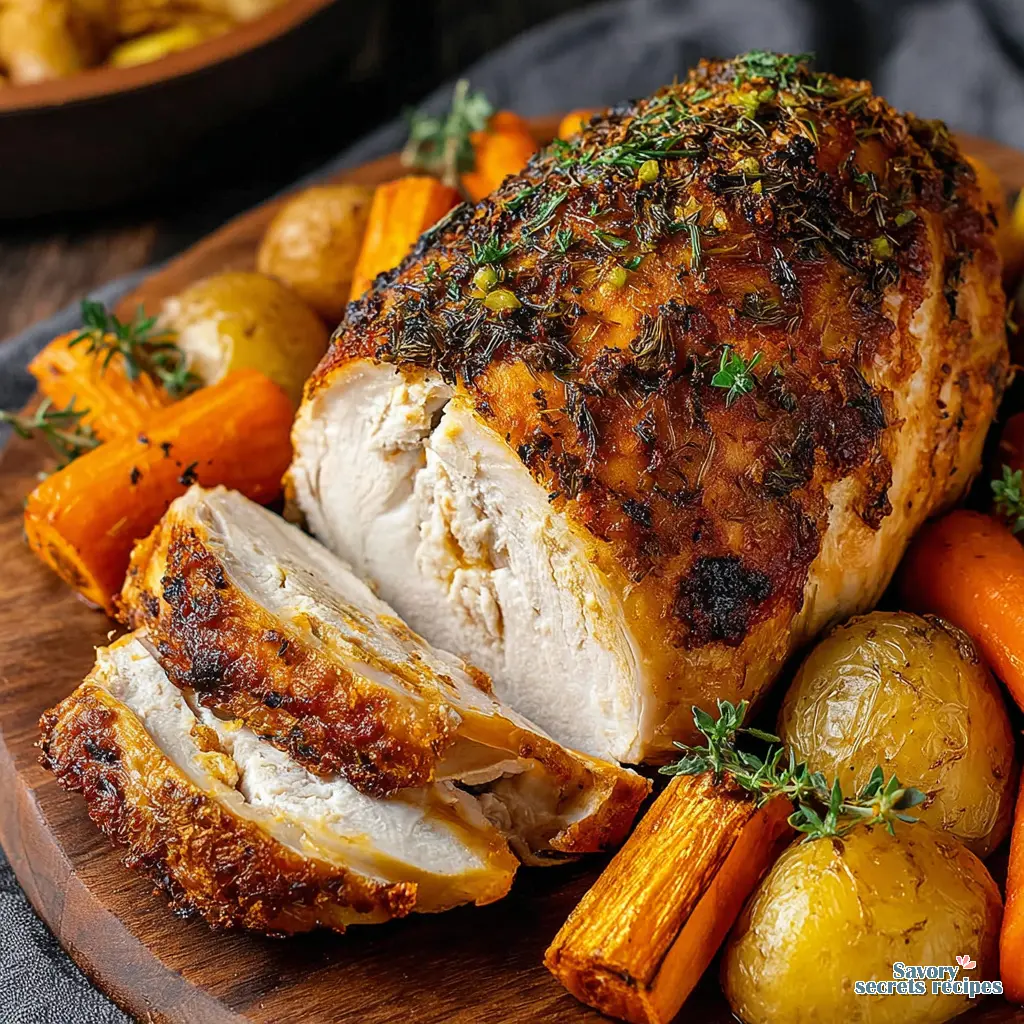
I cannot stress this enough. You must let the chicken rest for 15 to 20 minutes before carving. I know it smells amazing. I know the family is hovering in the kitchen with plates. But if you take a carving knife to it straight out of the oven, all those delicious juices will flood out onto your cutting board, leaving the meat dry and sad.
Resting allows the muscle fibers to relax and reabsorb the moisture. Just leave it uncovered on a board. Do not tent it tightly with tinfoil, or the trapped steam will ruin that beautiful crispy skin you just worked so hard to achieve. Just let it sit. It will stay piping hot, I promise.
Common Mistakes & Fixes
Mistake: The skin is rubbery and pale.
Solution: You likely basted the bird or cooked it straight from the fridge. Always pat the skin completely dry and start with a very hot oven before turning it down.
Mistake: The vegetables turned to mush.
Solution: You cut them too small. Root vegetables need to be in thick, chunky pieces to survive an hour under a roasting chicken.
Mistake: The pan drippings burned.
Solution: Your roasting tin was too large for the chicken. The exposed juices evaporated and burned. Use a smaller tin next time, or add a splash of chicken stock to the bottom of the pan if things look too dry.
Adapting to the Seasons
One of the reasons I love a good roast chicken with vegetables is how easily it adapts to the calendar. In the autumn, I swap the potatoes for chunks of butternut squash and add whole garlic cloves. In the spring, when asparagus is in season, I will roast the chicken over baby potatoes and toss the asparagus in for just the final fifteen minutes.
You can also play with the flavors. A lemon stuffed inside the cavity creates beautiful aromatic steam. Swapping butter for olive oil makes it entirely dairy-free. It is incredibly versatile.
Storage and Re-Crisping the Leftovers
I genuinely love the feeling of opening a well-organized fridge on Monday morning. If you have leftovers from your roast chicken with vegetables, you are in for a treat. Refrigerate the meat and vegetables in an airtight container for up to 3 to 5 days. You can even freeze the cooked meat for up to 3 months.
When it comes to reheating, the microwave is fast, but it results in soggy skin. If you want to re-crisp that skin, place the chicken pieces on a baking tray in a hot oven for about 10 minutes. Alternatively, shred the cold chicken and toss it into a skillet to warm through for tacos or a quick hash. My daughter calls them happy tacos when I use the Sunday leftovers. Worth the Sunday afternoon effort, for sure.
Frequently Asked Questions
Bringing It All Together
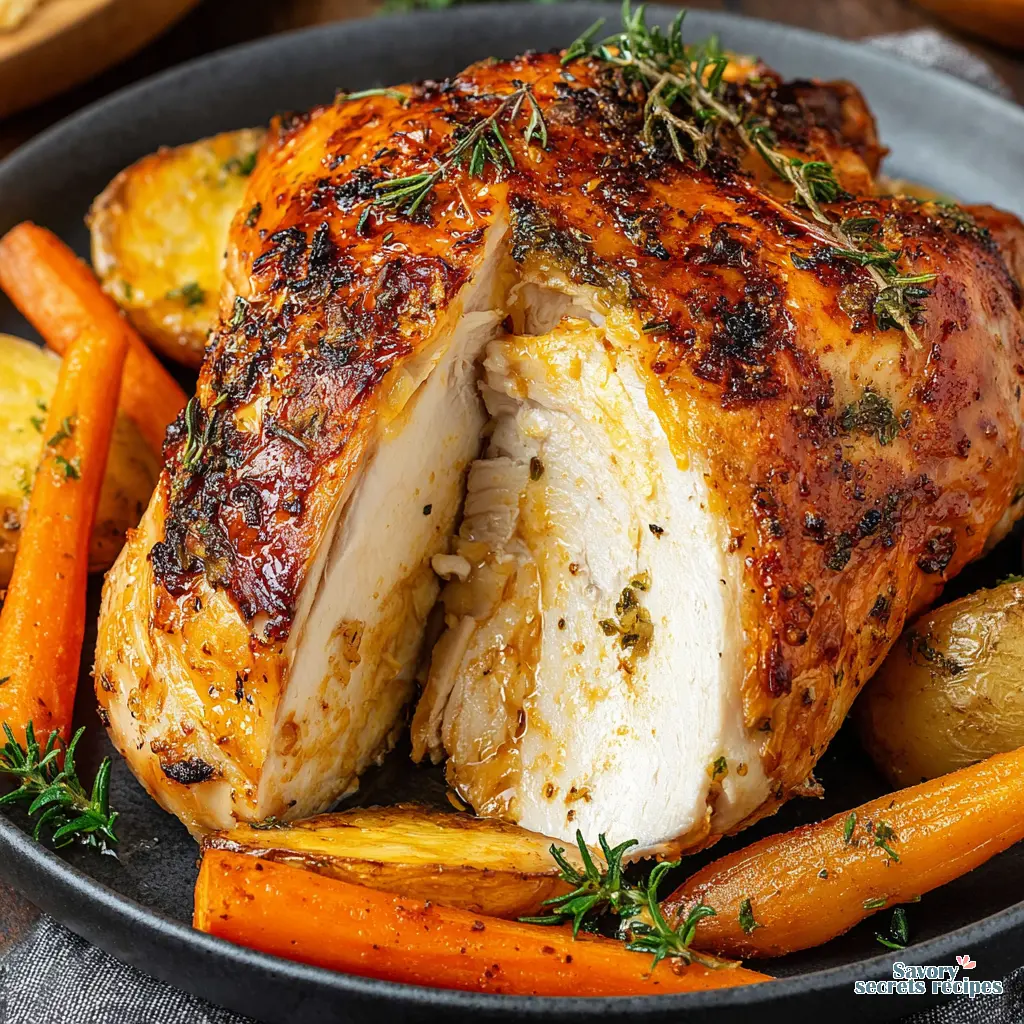
There is something deeply satisfying about pulling a magnificent roast chicken with vegetables out of the oven. It is a meal that looks impressive but is actually incredibly forgiving once you know the basic rules. Keep the skin dry, use a thermometer, and let the poor bird rest before you carve it.
Serve it family-style right in the middle of the table, surrounded by your favorite sides. Whether you are aiming for a quiet weeknight triumph or a full Sunday spread, this method will not let you down. You’ve got this.
For more inspiration and meal prep ideas that actually work for busy lives, I share tons of variations on my Pinterest boards. Go have a look, and let me know how your roast turns out!
Reference: Original Source
Do you add liquid when making a roast chicken with vegetables?
I generally do not add liquid to the roasting tin. Adding broth creates steam, which prevents the chicken skin from getting properly crispy. The natural fat from the bird will render down and coat the vegetables perfectly. Keep it dry for the best texture.
Do you cover the chicken when roasting?
Absolutely not. Roasting a chicken uncovered is the only way to achieve that beautiful, glass-like crispy skin. The only time you should ever use tinfoil is if the breast is browning too quickly near the end of cooking. Then, just tent it loosely.
Is it safe to roast vegetables with chicken?
Yes, it is completely safe as long as everything is cooked thoroughly. The vegetables sit under the chicken and absorb the drippings. Because they spend an hour in a hot oven, they reach a safe temperature well above what is required to kill any bacteria.
How long does it take to cook an oven roasted chicken dinner?
As a general rule, it takes about 45 minutes per kilogram, plus an extra 20 minutes. However, ovens vary wildly. Always rely on a meat thermometer rather than a clock. Pull the chicken when the thickest part of the thigh reaches 71°C.
Should you rinse chicken before cooking?
Please do not rinse your chicken. Rinsing raw poultry under the tap splashes harmful bacteria across your sink and kitchen counters. It is a major safety hazard. Simply remove the bird from the packaging and pat it completely dry with paper towels.
Should I use a rack when making a roast chicken with vegetables?
You do not need a metal rack. I prefer creating an edible rack using thick-cut root vegetables like Maris Piper potatoes and carrots. They elevate the chicken to allow air circulation, and as a bonus, they cook in the delicious savory drippings.