



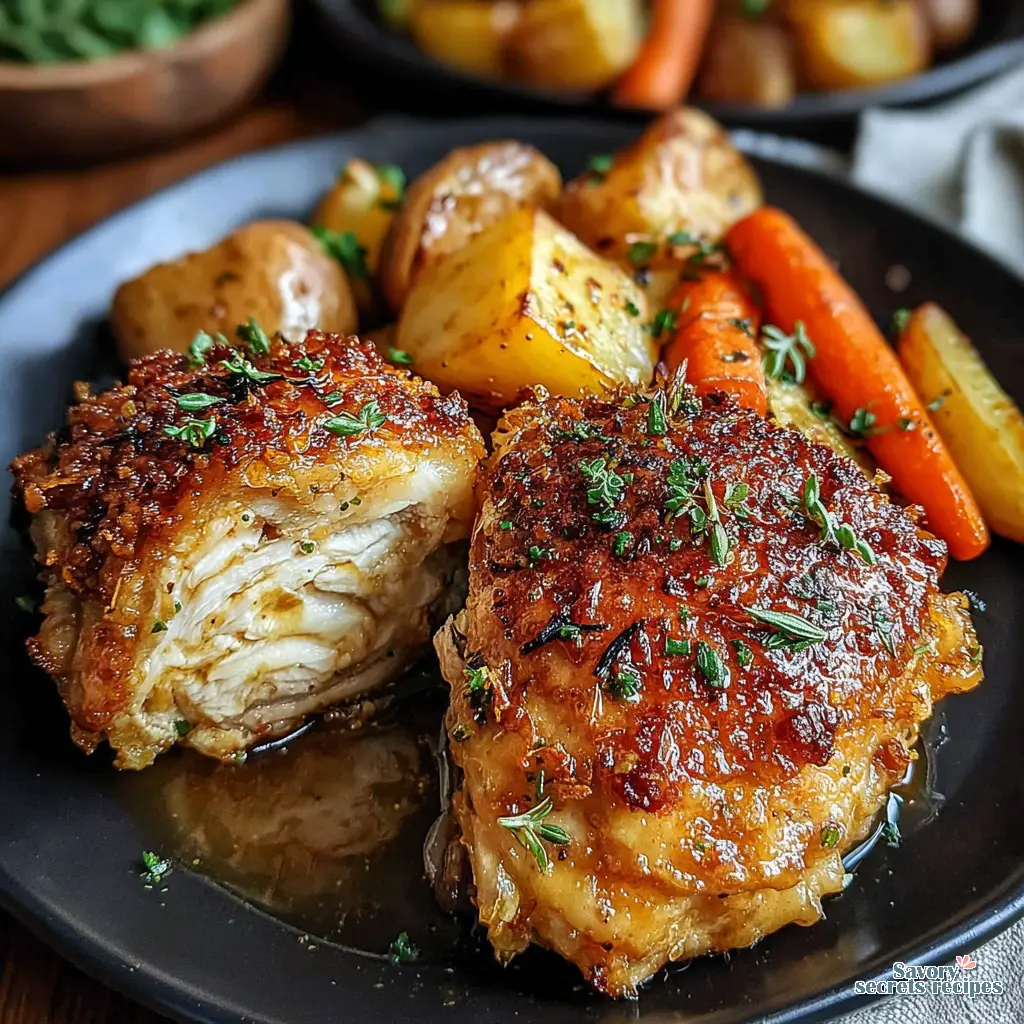
Easy One Pan Roast Chicken and Vegetables for Two
Ingredients
Method
- Preheat the oven to 425°F (220°C).
- Pat the chicken thighs dry with paper towels and season with salt and pepper.
- Toss the chopped carrots and Yukon Gold potatoes with olive oil, salt, and pepper in a large bowl.
- Place the seasoned chicken thighs skin-side up on a large baking pan and scatter the vegetables around them.
- Mince the garlic and distribute it under the chicken and over the vegetables, then sprinkle with thyme and rosemary.
- Roast for approximately 40 minutes, rotating the pan halfway through, until the internal temperature reaches 165°F (75°C).
- Rest the chicken for 5 minutes before serving to allow the juices to redistribute.
Nutrition
Notes
The Wednesday Night Dinner Panic
It’s 5 PM on a Wednesday. You’re staring at the fridge, completely exhausted after a long shift, and the dreaded “what’s for dinner?” question is hanging in the air. I know exactly how tired you are. The absolute last thing you want right now is a sink full of washing up. That’s exactly why this one pan roast chicken is going to save your evening.
During these cooler spring months when we actually don’t mind having the oven on, this traybake is my ultimate fallback. My daughter Priya helps me test the kid-friendly versions of my recipes, which means I’ve got a very honest five-year-old telling me when something tastes weird. Kids refusing green things is a universal struggle, but when you roast vegetables in chicken juices, they suddenly become a lot more appealing. Plus, this healthy sheet pan chicken dinner UK measurements and all, gives you a vibrant, colourful plate of food with literally only one tray to wash at the end. Perfect. It has quickly become my favorite family chicken dinner for busy school nights.
Quick Wins for the Best One Pan Roast Chicken
Let me walk you through this, because I prefer recipes that give you decision points rather than rigid instructions. Your kitchen isn’t exactly like mine, after all. Before we get into the details, here’s what I’ve found works best for a truly effortless one pan roast chicken.
First, always place your chicken directly on top of the vegetables. The juices drip down and flavour the root vegetables beautifully. Second, don’t waste time meticulously chopping everything perfectly. We’re going for rustic here. Third, the oven’s sweet spot is 200°C (Gas Mark 6) for that low and slow caramelisation, though if you’re using chicken thighs, high heat prevents them from drying out. Finally, pre-cut your vegetables on a Sunday afternoon and store them in airtight containers. That simple step speeds up weeknight prep immensely.
Why This Easy Roast Chicken Recipe Works
I genuinely love the problem-solving part of this work. Figuring out why a recipe fails and how to fix it is my favourite puzzle. The beauty of this easy roast chicken recipe is the hands-off time. You literally chuck it all in, put the kettle on, and let the oven do the heavy lifting. It is the foundation of a truly healthy roast chicken meal that doesn’t sacrifice flavor.
To be safe, I always recommend using bone-in, skin-on chicken thighs instead of breasts. Using skinless breasts is a common mistake because they’ll dry out long before your potatoes and carrots are tender. Thighs have enough natural fat to withstand the roasting time, ensuring everything finishes at the exact same moment. It smells like garlic and roasting oregano, reminding me of the way my ajji’s kitchen smelled on Sunday mornings, that specific combination of toasting spices and warmth.
The Science of a Juicy Roast Chicken
This is the part that matters. Let’s talk about moisture. I once tested a cashew cream sauce that looked beautiful in photos but separated into an oily mess after twenty minutes because I didn’t respect the science of heat. The same applies to roasting.
If you’re worried about your vegetables burning before the chicken cooks, here’s a brilliant trick. Add about 100ml (roughly half a cup) of water to the bottom of the pan halfway through cooking. This creates a slightly humid environment that keeps the chicken juicy and stops the natural sugars in the carrots from scorching. Also, resting the chicken for at least 10 to 15 minutes prior to serving is critical. It redistributes the juices. If you cut into it immediately, all that flavour just bleeds out onto your cutting board. Worth the extra wait. Following these steps ensures a succulent oven roasted chicken dinner every time.
Pan Material Comparison for Traybakes
I go back and forth on whether to include equipment notes, but I’ve found this works, assuming your oven runs true. The pan you choose changes everything about this one pan roast chicken.
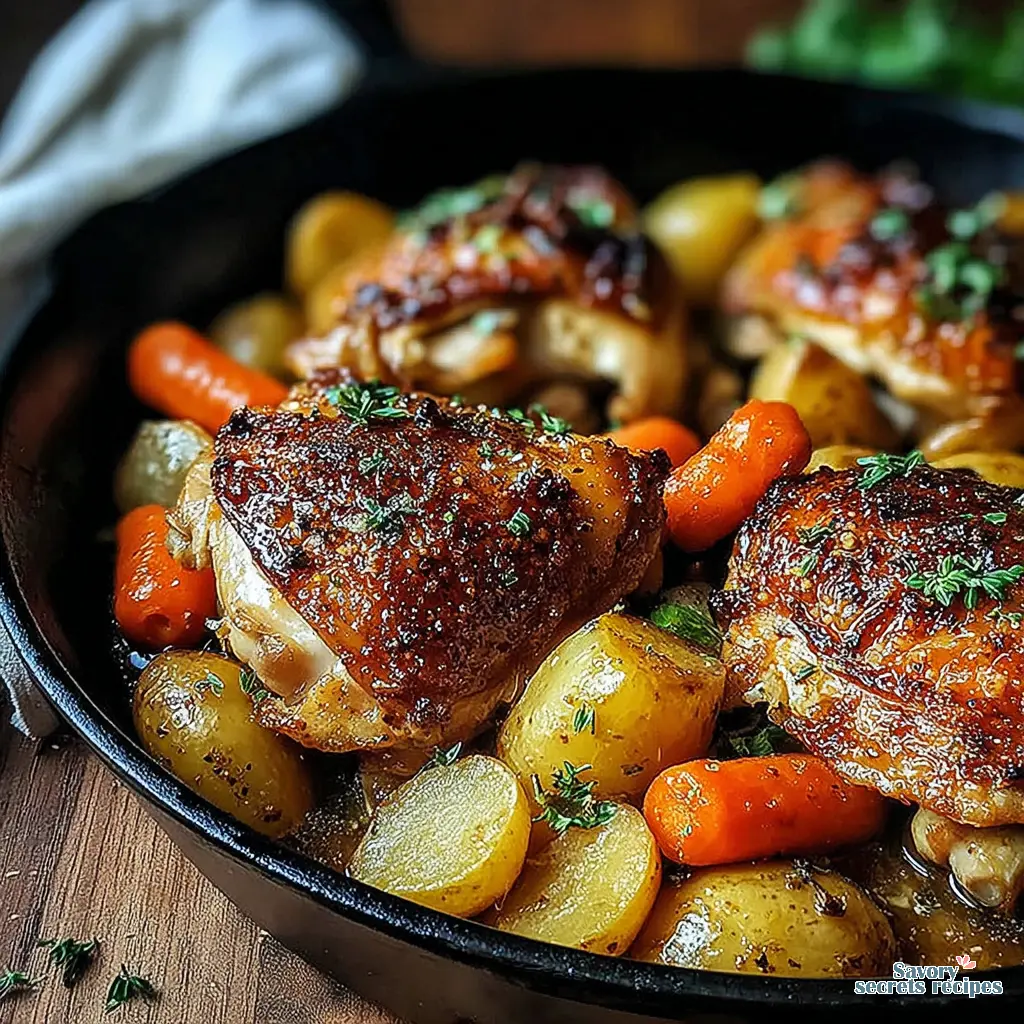
A heavy-duty aluminium rimmed sheet pan (what we often call a baking tray here in the UK) is brilliant for heat distribution. It encourages a glorious, charred edge on your bell peppers and courgette. Glass dishes, on the other hand, hold heat differently. They take longer to warm up but stay hot longer, which can sometimes lead to soggy vegetables if they’re crowded. If you’re lucky enough to have a large cast iron skillet, use it. The crust you get on the potatoes is unmatched.
Visual Vegetable Prep Guide
I like substitutions that you can find at a regular grocery store like Tesco or Sainsbury’s, not just specialty shops. Real life weeknight cooking means using what you’ve got. If you want to make a one pan roast chicken and vegetables for two, you need to think about sizing.
Cut your potatoes into bite-sized chunks, roughly the size of a £2 coin. Carrots take longer to roast, so halve them lengthways before chopping. Courgette and red onion cook faster, so leave them in larger wedges. If you chop everything exactly the same size, your courgettes will turn to mush while your potatoes are still hard in the middle. Toss them all in a glug of extra virgin olive oil, some lemon zest, and dried oregano.
Common Mistakes & Fixes
Mistake: Crowding the pan.
Solution: If you pile the vegetables on top of each other, they will steam instead of roast. Use two trays if you have to, or just reduce the vegetable volume. You want air to circulate.
Mistake: Covering the pan with foil.
Solution: I learned this the hard way. Covering the chicken traps the steam and results in soggy, rubbery skin. Do not cover the chicken while baking if you want that crispy golden finish.
Mistake: Cutting the chicken immediately.
Solution: The juices will run everywhere and leave the meat dry. Always rest the chicken for 10 to 15 minutes before serving.
Roasting Timing Guide & Texture Targets
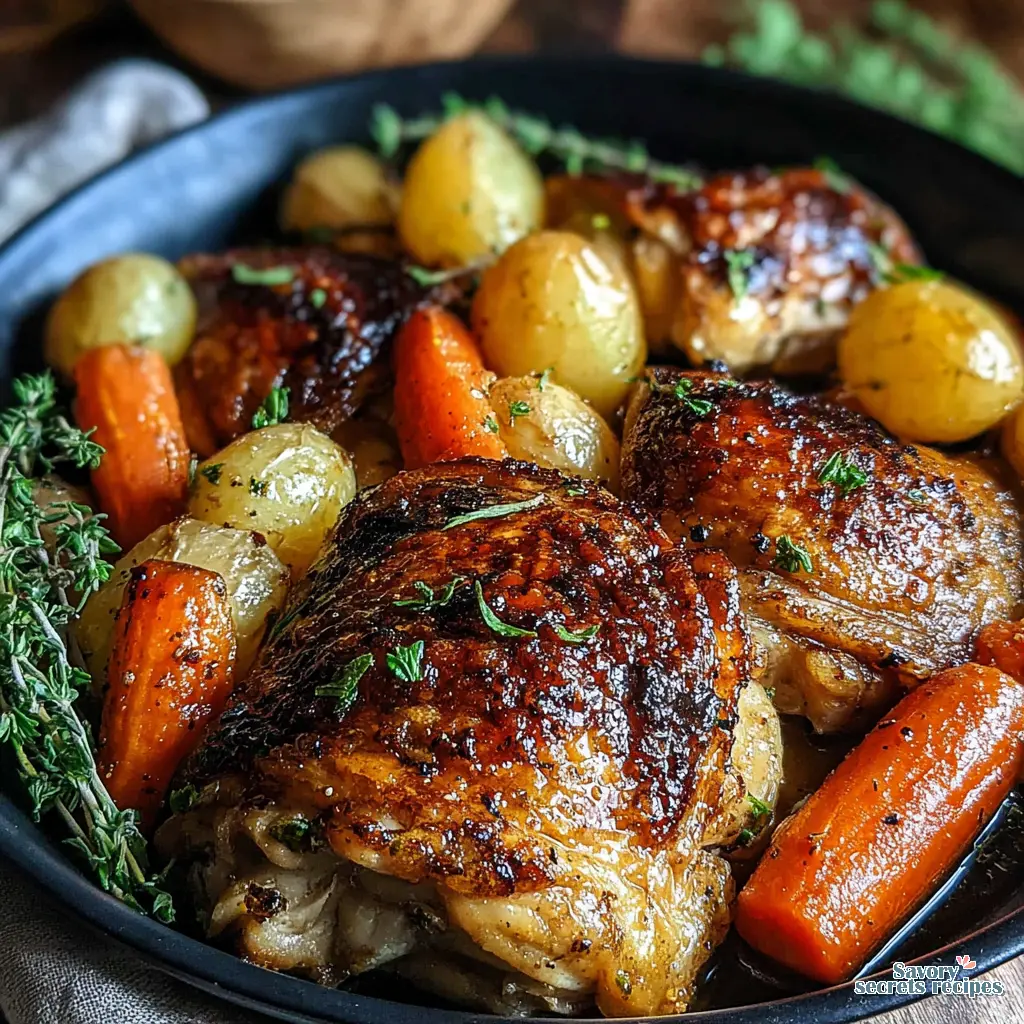
You’ll know it’s ready when the skin is a deep golden brown, the colour of peanut butter, and the juices run clear. If you’re using a meat thermometer, you’re looking for 75°C (165°F) at the thickest part of the thigh joint.
If your oven is crowded, rotate the pan halfway through the cooking time for even browning. Test it at the 30-minute mark. This is your checkpoint. If the vegetables look like they’re catching and getting too dark, give them a quick toss with a spatula. If it looks too wet at this stage, that’s normal. The liquid will reduce and concentrate into an incredible sauce.
5-Minute Pan Dripping Gravy (Alcohol-Free)
Please don’t wash those pan drippings away. That dark, sticky residue at the bottom of the tray is pure gold. While the chicken is resting, place your roasting tray directly on the hob over medium heat (if your tray is hob-safe).
Stir in a tablespoon of plain flour and let it cook for a minute. Then, slowly whisk in about 250ml of chicken stock and a squeeze of fresh lemon juice. The lemon juice acts as a flavour bomb, cutting through the richness. Let it bubble and thicken for a few minutes. You’ve just made the most incredible, rich gravy without needing a drop of cooking wine.
Storage, Freezing, and Reheating One Pan Roast Chicken
I make Priya’s lunchbox items on Sunday afternoons, and leftover chicken is always a winner. You can refrigerate the leftovers in an airtight container for 3 to 4 days. Shred the cold chicken to toss into salads, sandwiches, or tacos.
Freezing is a bit disputed in the food world. In my experience, though yours may differ, you can freeze the cooked chicken for up to 3 months. However, I wouldn’t recommend freezing the roasted potatoes or courgettes, as their texture becomes quite mushy when thawed. When reheating, the microwave is fine for speed, but if you want to keep the skin relatively crisp, warm it through in the oven at 180°C (350°F) for about 10-15 minutes.
Frequently Asked Questions
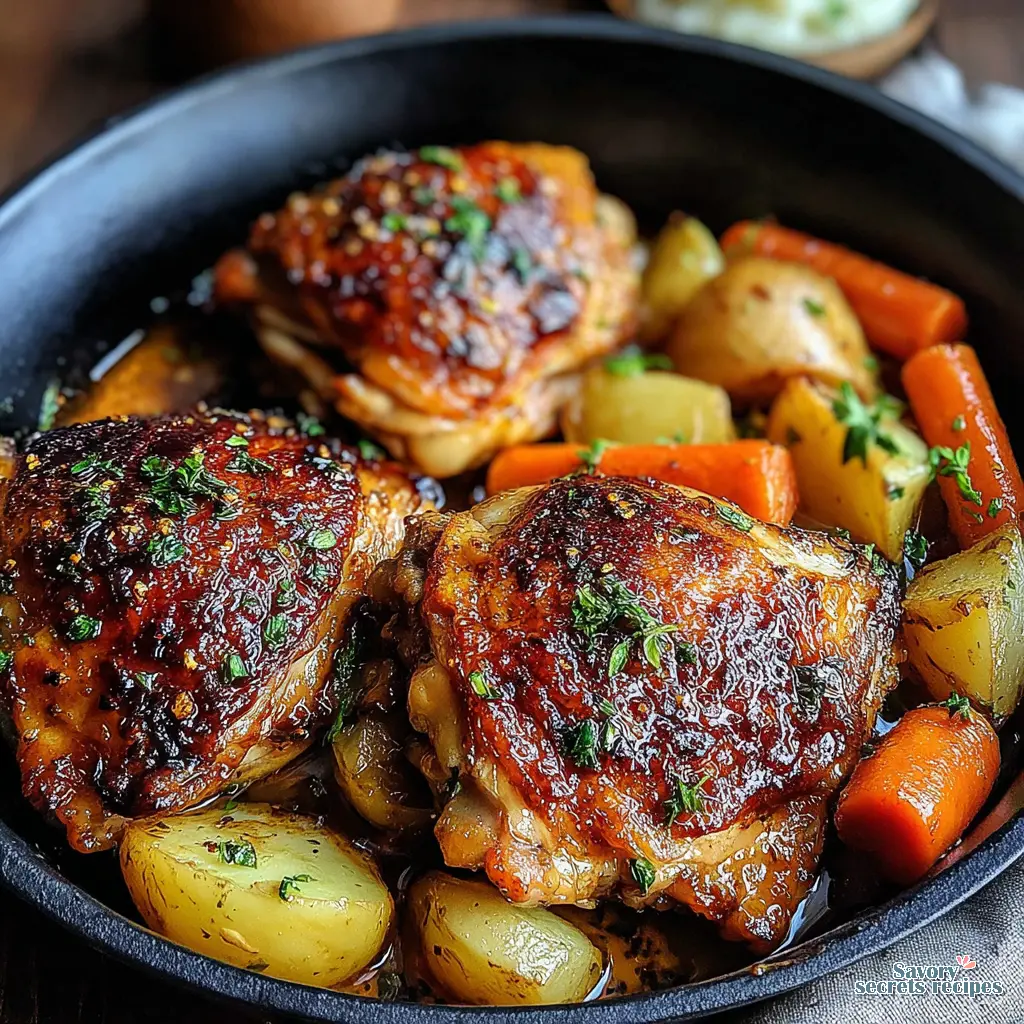
Wrapping Up Your Weeknight Dinner
There’s something deeply satisfying about a recipe that actually works on the first try, leaving you with a delicious meal and virtually no washing up. This one pan roast chicken is exactly that. It’s forgiving, adaptable, and genuinely tastes like you spent hours in the kitchen rather than ten minutes of prep.
You’ve got this. Grab your favourite vegetables on your next grocery run and give it a try. For more inspiration and easy weeknight meals, check out my Pinterest boards where I save all my favourite variations. Enjoy your dinner, and enjoy the clean kitchen even more.
Reference: Original Source
Do I need to truss my chicken?
No, you really don’t. For this one pan roast chicken, we’re mostly using pieces like thighs. Even if you use a whole bird, trussing isn’t necessary for home cooks. Leaving the legs untrussed actually allows the dark meat to cook faster and more evenly.
Do I need to put anything under the skin?
You don’t have to, but slipping a little olive oil, crushed garlic, and dried herbs under the skin adds incredible flavour directly to the meat. It also helps baste the chicken from the inside out as it roasts, keeping everything beautifully tender.
What else can I add to the pan?
The beauty of a traybake is its versatility. You can add aubergine, sweet potato chunks, or parsnips. If you’re adding delicate vegetables like cherry tomatoes, asparagus, or green beans, toss them in during the last 15 minutes so they don’t turn to mush.
How do I know if the chicken is cooked?
The most reliable method is a meat thermometer reading 75°C (165°F) at the thickest part. Without a thermometer, pierce the thigh joint with a knife. The juices must run completely clear, with no pink tinge whatsoever. The meat should also feel firm.
How do you keep sheet pan chicken from drying out?
Using bone-in, skin-on thighs is your best defence. Also, try adding about 100ml of water to the pan halfway through cooking. It prevents the pan juices from evaporating too quickly and stops the vegetables from burning while keeping the chicken moist.
Do you cover chicken while it bakes?
Never cover your one pan roast chicken while it bakes. Covering traps the steam inside the dish, which guarantees soggy, rubbery skin. Leave it uncovered to let the dry heat of the oven crisp up the skin perfectly.