



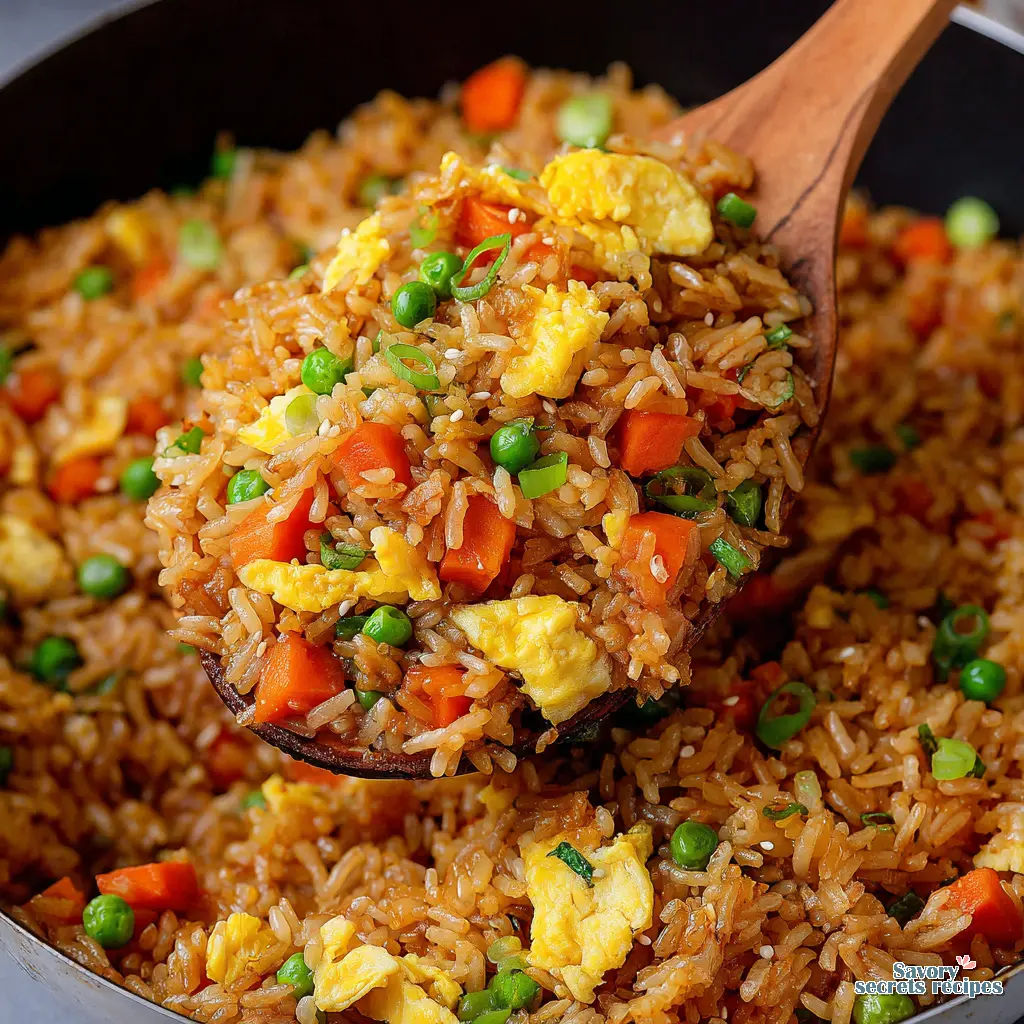
How to Make Vegetable Fried Rice Like a Restaurant
Ingredients
Method
- Preheat a large skillet or wok (preferably nonstick) over medium heat.
- Add 1 tablespoon of butter to the pan.
- Pour the lightly beaten eggs into the melted butter, cook for 30-40 seconds until set, and then scramble.
- Remove the cooked eggs from the pan and set them aside.
- Add the remaining butter to the pan, then add the carrot and onion and cook until tender.
- Add the garlic and cook until fragrant without browning, then increase the heat slightly and add the cold rice and peas.
- Cook the mixture for 3-4 minutes until it sizzles and browns slightly.
- Stir in the cooked eggs, green onions, soy sauce, sesame oil, and oyster sauce.
- Cook for a few more minutes until the mixture is heated through.
- Season with salt and pepper and serve immediately.
Nutrition
Notes
The Secret to Restaurant-Quality Vegetable Fried Rice
I once figured out how to light for steam and texture by screwing up a pasta video so badly we had to reshoot the entire thing. The highlights were blown out, and you couldn’t see the sauce consistency at all. Now I always do a test frame with steam before we roll on anything hot. I bring this up because visual and sensory cues are everything when you’re making vegetable fried rice at home.
Most home cooks struggle with soggy, clumpy rice. It is a massive disappointment when you are craving that signature takeout flavor. You want perfectly chewy, separated grains of rice. You want that slightly smoky, umami-rich aroma hitting the hot pan. With Easter coming up, this actually makes a perfect colorful vegetarian side dish for your holiday table. It is vibrant, fresh, and completely free of pork or alcohol.
Let me show you what I mean. Making an authentic asian fried rice recipe isn’t about having a massive commercial burner. It is about moisture control, high heat, and trusting the process. We are going to build a clean, savory flavor profile using simple pantry staples. You’ll know it’s ready when the rice actually starts dancing and popping in the skillet. That is the good stuff.
The Science of Crispy Rice: The Cold Rice Rule
Here’s the thing about that mushy texture most people get. It happens because they use freshly cooked, warm rice. If you want to know how to make vegetable fried rice like a restaurant, you have to start with cold, day-old rice. This is the non-negotiable foundation of the entire dish. For those busy evenings, having an easy veggie fried rice method in your repertoire is a game-changer.
When rice sits in the refrigerator overnight, a process called starch retrogradation occurs. The starches crystallize and harden. The surface of the grain dries out. This is exactly what we want. When that cold, dry grain hits the hot oil, it fries instead of steaming. It develops those beautiful, golden-brown crispy edges.
If you absolutely must use fresh rice, I’ll take a look at a quick workaround. Spread your freshly cooked rice out in a thin layer on a large baking sheet. Let it sit under a fan or pop it in the freezer for about 20 to 30 minutes to flash-dry the exterior. It’s not a huge deal, but worth noting that day-old is always superior. Before you add it to your pan, break up any large clumps with your wet hands. You want individual grains ready to absorb that savory stir fry sauce.
Equipment Guide: Skillet vs. Wok for Homemade Fried Rice
I’m still figuring out the balance between showing ideal technique on camera and acknowledging that most people are cooking in imperfect conditions. A traditional carbon steel wok is incredible. It provides different heat zones and allows you to toss the ingredients effortlessly to achieve “wok hei” or the breath of the wok. But most standard US residential stoves just don’t output enough BTUs to heat a wok properly.
In my experience, though your mileage may vary, a wide 12-inch cast iron skillet or a large flat griddle is actually the better choice for home cooks. Why? Surface area. A wide skillet maximizes the amount of rice making direct contact with the hot metal. This triggers the Maillard reaction, which is responsible for browning and developing deep, complex flavors.
Let your pan preheat until it is screaming hot. Add a neutral high-temp cooking oil like vegetable oil or canola oil. I also like to add a pat of European-style butter right before the rice goes in. The milk solids in the butter brown quickly and add a rich, nutty flavor that oil alone just can’t replicate. That’s a solid approach for getting that restaurant-style richness. This technique ensures your quick rice stir fry has the perfect texture every time.
The Universal Stir-Fry Sauce Ratio (Alcohol-Free)
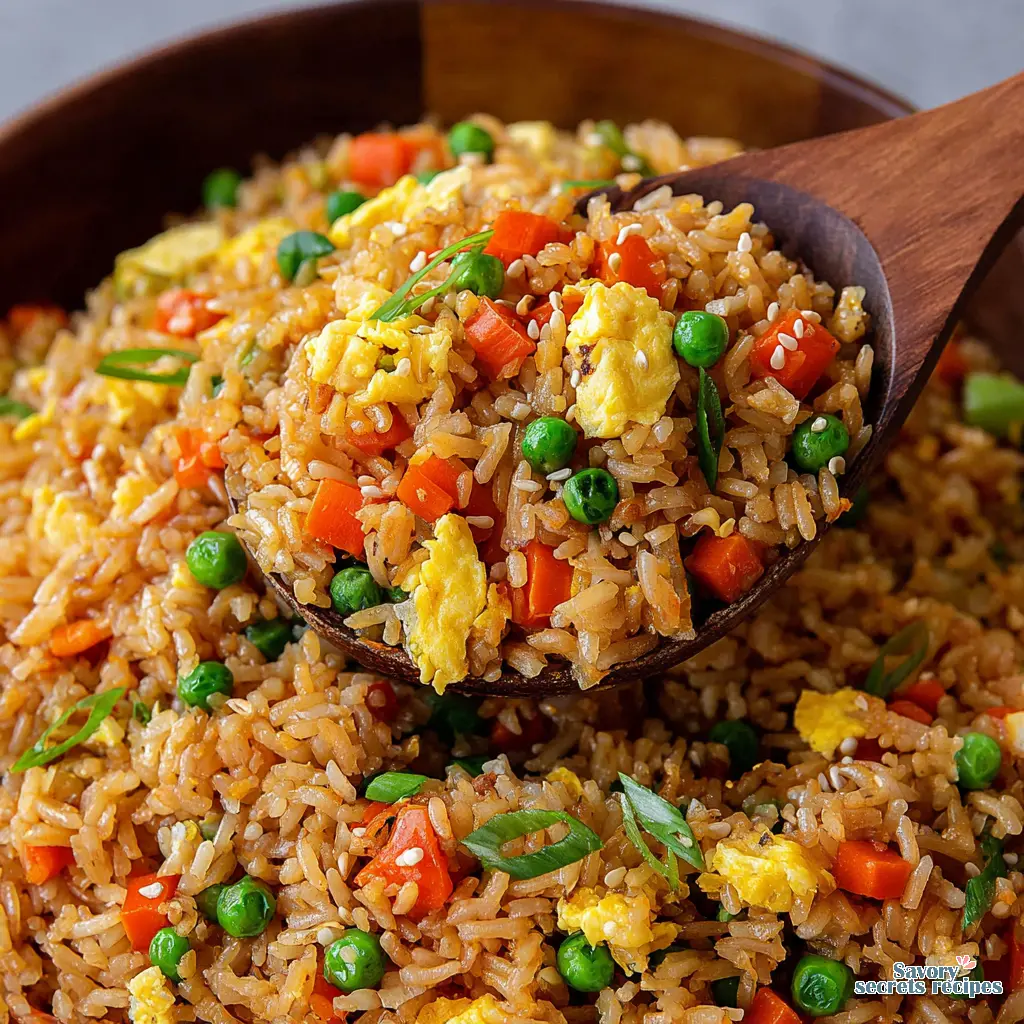
This is where most people run into trouble. They dump a quarter cup of straight soy sauce into the pan, turning the rice into a soggy, salty mess. We want a balanced, umami-packed sauce that coats the grains lightly.
For a perfect vegetable fried rice recipe without alcohol, we skip the traditional cooking wine completely. Instead, we build depth with a simple mixture. Combine two tablespoons of good quality soy sauce (or gluten-free tamari), one tablespoon of vegetarian oyster sauce, and a tiny splash of vegetable broth mixed with a few drops of rice vinegar. The vinegar provides that subtle acidity that the wine normally brings, cutting through the richness of the butter and eggs. Add a pinch of white pepper for that authentic, slightly floral heat.
The key step here is timing. Do not add the sauce too early. Let the rice fry and crisp up first. Pour the sauce around the edges of the hot pan rather than directly on the rice. It will sizzle, reduce instantly, and coat the rice evenly as you toss it. Finally, remove the pan from the heat and finish with a drizzle of toasted sesame oil. Sesame oil is a finishing oil, not a cooking oil. High heat destroys its delicate, fragrant flavor.
Vegetable Customization and Prep
I remember my uncle Marc letting me stand on a milk crate at his bistro’s prep station, teaching me how to brunoise carrots. He’d check my cuts with a ruler, and if they weren’t within a millimeter, I’d start over. Seemed harsh at the time, but now I get it. Consistency matters. When you are making vegetable fried rice, you want all your vegetables chopped to roughly the same size as the peas and corn. This ensures they cook evenly and integrate perfectly with the grains of rice.
You can use whatever is sitting in your crisper drawer. Diced carrots, white onion, and frozen peas are the classic trio. Minced garlic and fresh ginger are absolute musts for the aromatics. If you want to bulk it up, water chestnuts add great crunch. A handful of fresh spinach folded in at the very end works beautifully too. Focusing on fresh produce allows you to create a vibrant and healthy vegetable rice that everyone will love.
We cook the components in stages. First, scramble the eggs. I like to cook them just until they are softly set, then remove them to a plate. If you leave them in the pan while the vegetables cook, they turn into rubber. Sauté your aromatics and sturdy vegetables next, then remove them. Finally, fry the rice. Once the rice is crispy and coated in sauce, add everything back into the skillet to warm through. Trust the process on this one. It prevents overcrowding and steaming.
Common vegetable fried rice Mistakes & Fixes
❌ Mistake: The rice is clumpy and soggy.
✅ Solution: You used warm, freshly cooked rice or overcrowded the pan. Always use chilled, day-old rice and cook in batches if your skillet is too small. Let the rice sit undisturbed for a minute to develop a crust.
❌ Mistake: The vegetables are mushy.
✅ Solution: You cooked everything together at once. Cook the eggs, then the veggies, remove them from the pan, and fry the rice by itself. Combine only at the very end.
❌ Mistake: The dish tastes greasy or heavy.
✅ Solution: You likely used toasted sesame oil to fry the ingredients. It has a low smoke point and turns bitter when overheated. Use a neutral oil for frying and save the sesame oil for a final drizzle off the heat.
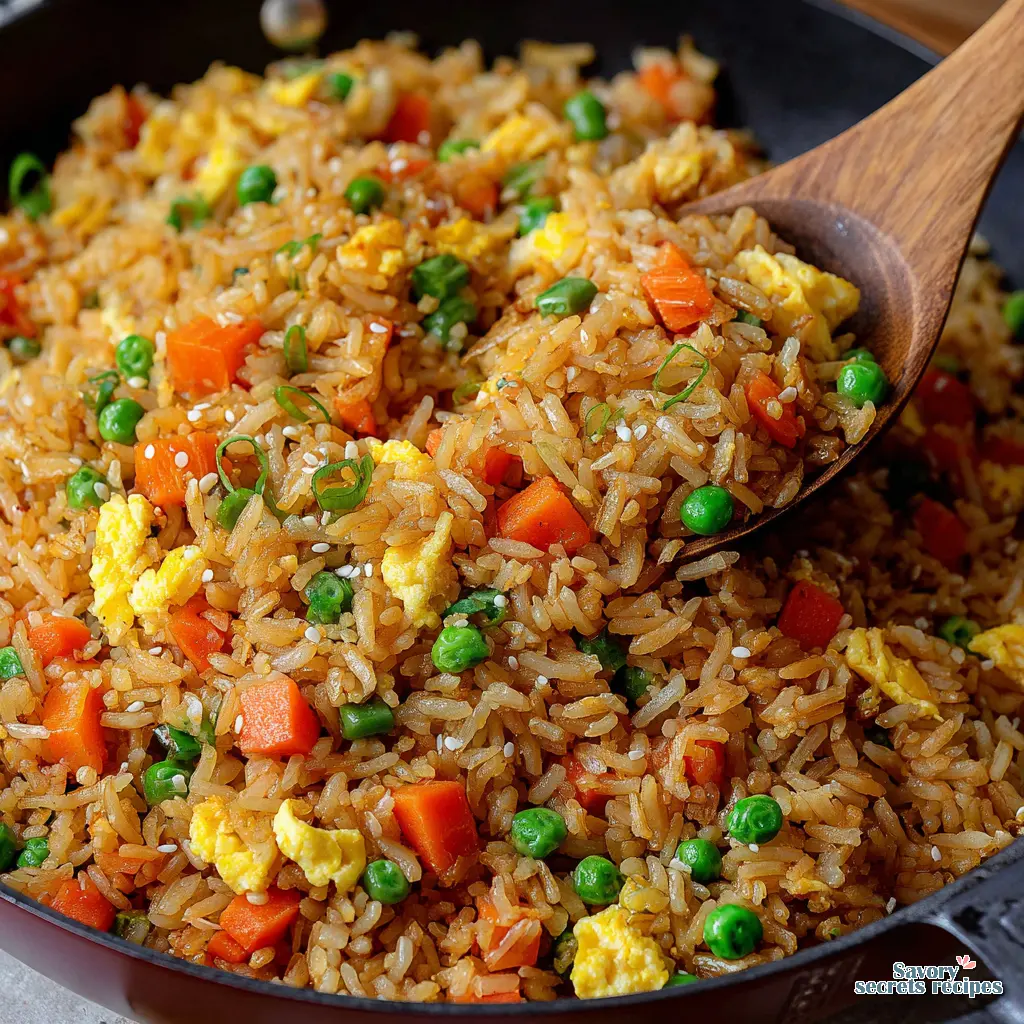
Storing and Reheating Your vegetable fried rice
I love recipes that scale easily and don’t require you to buy an ingredient you’ll use once and never again. Making a massive batch of vegetable fried rice is the ultimate meal prep strategy. It keeps incredibly well in the fridge.
Store any leftovers in an airtight container in the refrigerator for up to four days. If you want to freeze it, portion it out into individual freezer-safe containers. It will keep for up to three months. To prevent freezer burn, make sure the rice is completely cooled before you seal the lid.
When it comes time to reheat, put the microwave away. Microwaving creates steam, which will instantly turn your beautifully textured rice into a soggy block. Instead, heat a skillet over medium-high heat with a tiny splash of oil. Toss the cold rice in the skillet for three to four minutes until it is heated through and the edges crisp up again. Makes sense to me, right? It restores that perfect day-one texture.
Frequently Asked Questions
Bringing It All Together
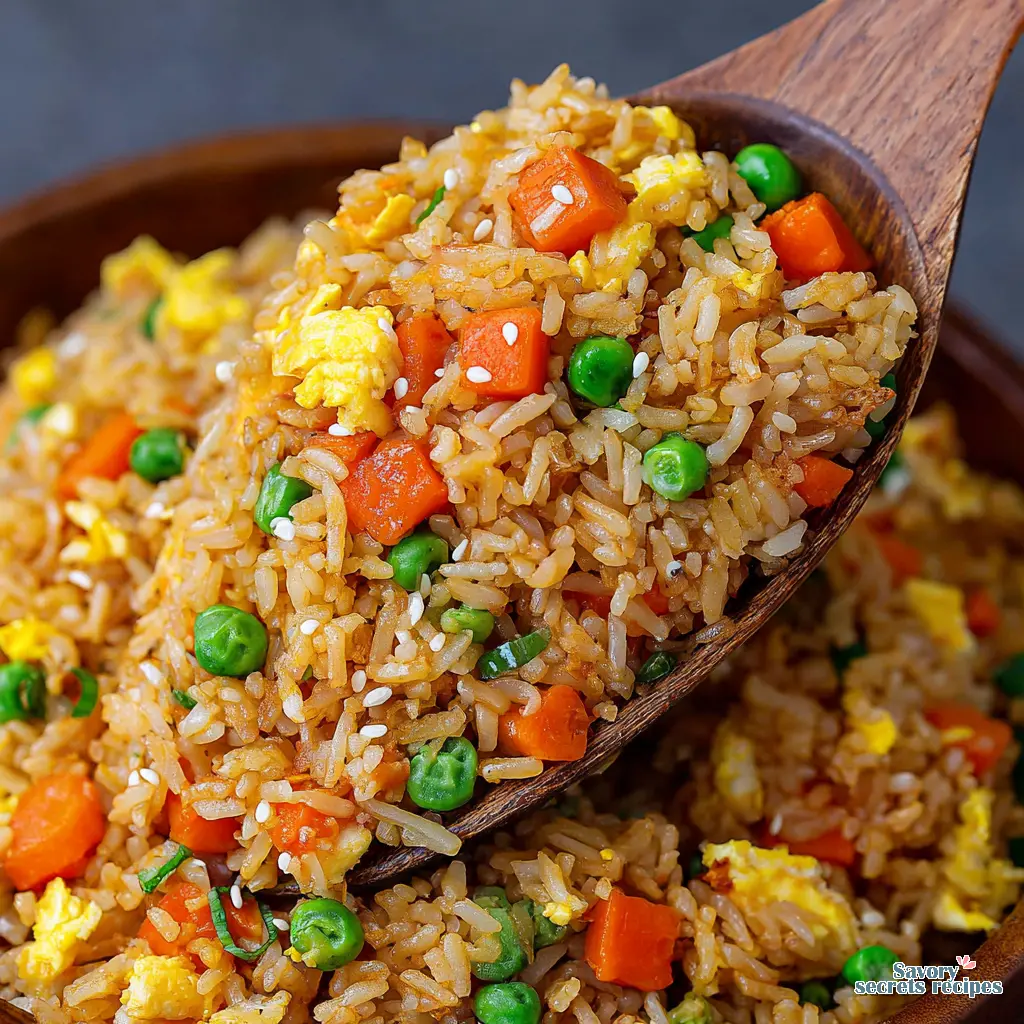
There is something genuinely satisfying about nailing a takeout classic in your own kitchen. Once you master the heat management and respect the cold rice rule, you’ll never settle for a mediocre, soggy side dish again. The smell of the browning butter and garlic hitting the hot pan is still satisfying every single time I make this.
I know high-heat cooking can feel a little chaotic, but prep your ingredients, keep your pan hot, and you’ve got this. Let me know what vegetables you ended up tossing into your version. For a visual breakdown of my favorite pan setups and daily cooking tips, check out my Pinterest boards. Enjoy your perfect bowl of vegetable fried rice.
Reference: Original Source
What is the best rice for vegetable fried rice to ensure it doesn’t get mushy?
Jasmine rice is absolutely the best rice for vegetable fried rice. It has a slightly floral aroma and a firm structure that holds up well to high heat frying. Long-grain white rice is a solid second choice. Just remember, it must be day-old and chilled.
Can you make this with instant rice?
I’d probably lean toward avoiding it if you want restaurant quality, but yes, you can. If you use instant rice, you still need to cook it, spread it on a baking sheet, and chill it completely before frying. It won’t have the same chew, but it works in a pinch.
Can you use brown rice instead of white?
That’s a solid approach if you want more fiber. Brown rice adds a fantastic nutty flavor and a much chewier texture. Because it has a tough bran layer, it actually resists getting mushy even better than white rice. Just ensure it is completely cold before hitting the hot skillet.
How can I make an authentic vegetable fried rice recipe without alcohol?
It is surprisingly simple. Instead of using traditional cooking wines, substitute a tablespoon of vegetable broth mixed with a half teaspoon of rice vinegar. This gives you the necessary liquid to deglaze the pan and the slight acidity needed to balance the rich, savory soy sauce and sesame oil.
Why is my homemade fried rice soggy instead of crispy?
This is usually caused by three things: using warm freshly cooked rice, overcrowding your pan, or adding too much liquid sauce too early. You need high heat, cold dry rice, and a wide skillet to allow the moisture to evaporate quickly so the grains can actually fry.