



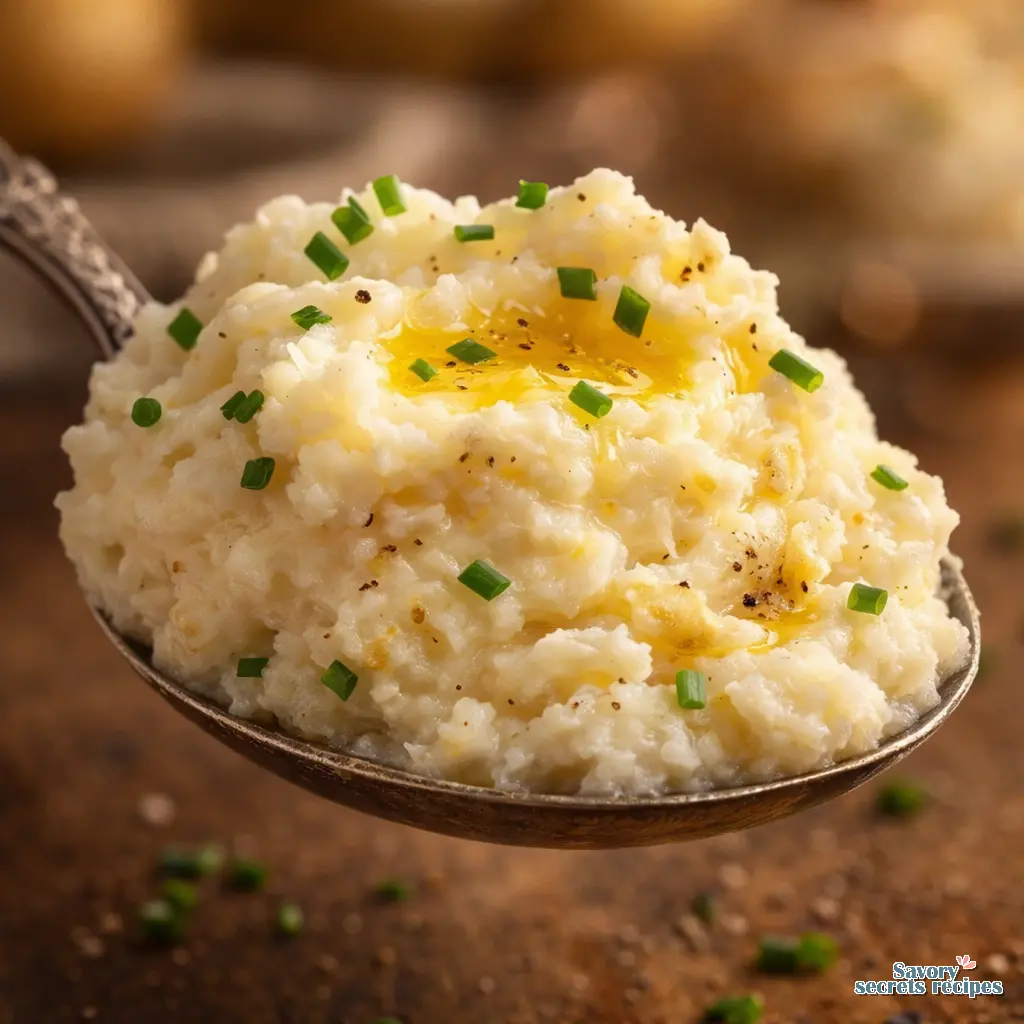
How to Make Your Garlic Mashed Potatoes from Scratch
Ingredients
Method
- Select Russet potatoes for a fluffy texture or Yukon Gold for a creamy result, then peel and cut them into uniform 1.5-inch chunks.
- Place the potato chunks in a large pot, cover them with one inch of cold water, and add 1 to 2 tablespoons of salt.
- Bring the water to a gentle boil, reduce to a simmer, and cook for 12 to 18 minutes until fork-tender, ensuring the potatoes do not fall apart.
- Simmer peeled garlic cloves in cream over low heat for 8 to 10 minutes until soft and fragrant, keeping the liquid hot but not boiling.
- Melt the butter into the warm garlic-cream mixture and maintain it on the lowest heat setting.
- Drain the potatoes thoroughly and return them to the hot pot over low heat for 1 to 2 minutes, shaking gently to evaporate excess moisture.
- Mash the potatoes while hot using a ricer for a silky texture or a masher for a rustic finish, avoiding food processors or blenders.
- Gradually incorporate the warm garlic-cream mixture into the potatoes until the desired consistency is reached, stopping as soon as the mash is smooth.
- Season with salt and pepper to taste, optionally folding in sour cream or cream cheese for extra richness and garnishing with chives.
- Serve hot, or keep warm over low heat or in a covered oven, using a double boiler if holding for more than 30 minutes.
Notes
The Only Garlic Mashed Potatoes You Will Ever Need
We have all been there. It is Wednesday night, or worse, thirty minutes before Easter dinner, and you are staring into a pot of gluey, heavy potato paste. The panic sets in. You added too much milk, or maybe you overworked them, and now your highly anticipated side dish feels like wallpaper paste. I know that feeling intimately. Early in my career, I completely ruined a batch of potatoes for a massive catering event. I tried to save them, made them worse, and wanted to disappear. But failures teach us the most important lessons.
My grandmother Thérèse always told me that a proper dish requires patience and respect for the ingredients. She was right. Today, we are making the absolute best garlic mashed potatoes you will ever taste. The secret weapon here is not just butter. It is roasted garlic. When you roast garlic, it loses that harsh, sharp bite and transforms into a sweet, mellow paste. The smell of roasting garlic filling the house is honestly one of my favorite things about cooking. It smells like pure comfort. These potatoes are incredibly fragrant, velvety, and completely foolproof. Your family will be talking about this Easter side dish for years.
My Quick Wins for Flawless Garlic Mashed Potatoes
Before we get into the deep science of starches and dairy, I want to give you my personal roadmap. In my experience, if you nail these three or four things, your garlic mashed potatoes will turn out beautifully every single time. Following these steps ensures you have a reliable and easy potato side dish ready for any occasion.
First, always start your potatoes in cold water. I cannot stress this enough. If you drop potatoes into boiling water, the outsides will turn to mush before the insides even start to soften. Second, warm your dairy. Adding cold heavy cream and butter to hot potatoes shocks the starch and drops the temperature of your dish, which leads to a gummy texture. Third, mash them while they are still hot. As potatoes cool, their cell structures change. You want to mash them the second they are drained. Finally, cut your potatoes into equal sizes. It sounds tedious, but uniform pieces mean uniform cooking. Trust the process on this one.
The Potato Variety Guide: Yukon Gold vs. Russet
Let me think on that for a second. People always ask me which potato is actually best. The truth is, it depends entirely on the texture you want. In most cases, you are choosing between two heavy hitters in the produce aisle at Ralphs or Trader Joe’s.
Russet potatoes are your starchy best friend if you want a light, fluffy texture. They fall apart easily and absorb dairy like a sponge. However, they lack inherent flavor. Yukon Gold potatoes, on the other hand, are a medium-starch potato. They bring a naturally buttery taste and a dense, creamy texture. Personally, I tend to think a 50/50 blend of both gives you the ultimate garlic mashed potatoes. You get the cloud-like fluffiness of the Russets and the rich, velvety mouthfeel of the Yukon Golds. If you want to keep things simple, just go with Yukon Golds. They are incredibly forgiving. This variety is also my top choice when making creamy mashed potatoes for a crowd.
Why We Start in Cold Water
This is where most people rush it. You are hungry, you want dinner on the table, and waiting for a large pot of cold water to boil feels like a lifetime. But skipping this step is a massive mistake.
Potatoes are dense. When you start them in cold water, the temperature of the potato rises gradually along with the water. This ensures even cooking from the center to the edge. If you boil the water first, the exterior of the potato overcooks and breaks down, absorbing excess water and becoming waterlogged. Waterlogged potatoes make soupy, sad garlic mashed potatoes. Keep the lid off the pot while they cook so you can monitor the boil and prevent vigorous, aggressive bubbling that smashes the potatoes around.
Roasting the Garlic (The Secret to Fragrant, Velvety Mash)
I genuinely love the smell of roasting garlic. I know that sounds like a cliché, but that deep, caramelized aroma is intoxicating. We are not using raw garlic here. Raw garlic is aggressive and completely overpowers the delicate flavor of the potatoes. Roasted garlic cloves, however, are sweet, mellow, and complex.
Here is how you do it. Slice the top quarter off a whole head of garlic to expose the cloves. Drizzle it generously with olive oil, wrap it tightly in aluminum foil, and bake it at 400°F for about 40 minutes. You’ll know it’s ready when the cloves are deeply golden and completely soft. That first squeeze of the roasted garlic out of its skin is so satisfying. It squeezes out like a thick, savory paste. I know peeling potatoes is a chore, but taking the time to roast the garlic while you peel makes the whole process worth it. You can even do this a day or two in advance.
The Science of Gluey Potatoes and How to Avoid It
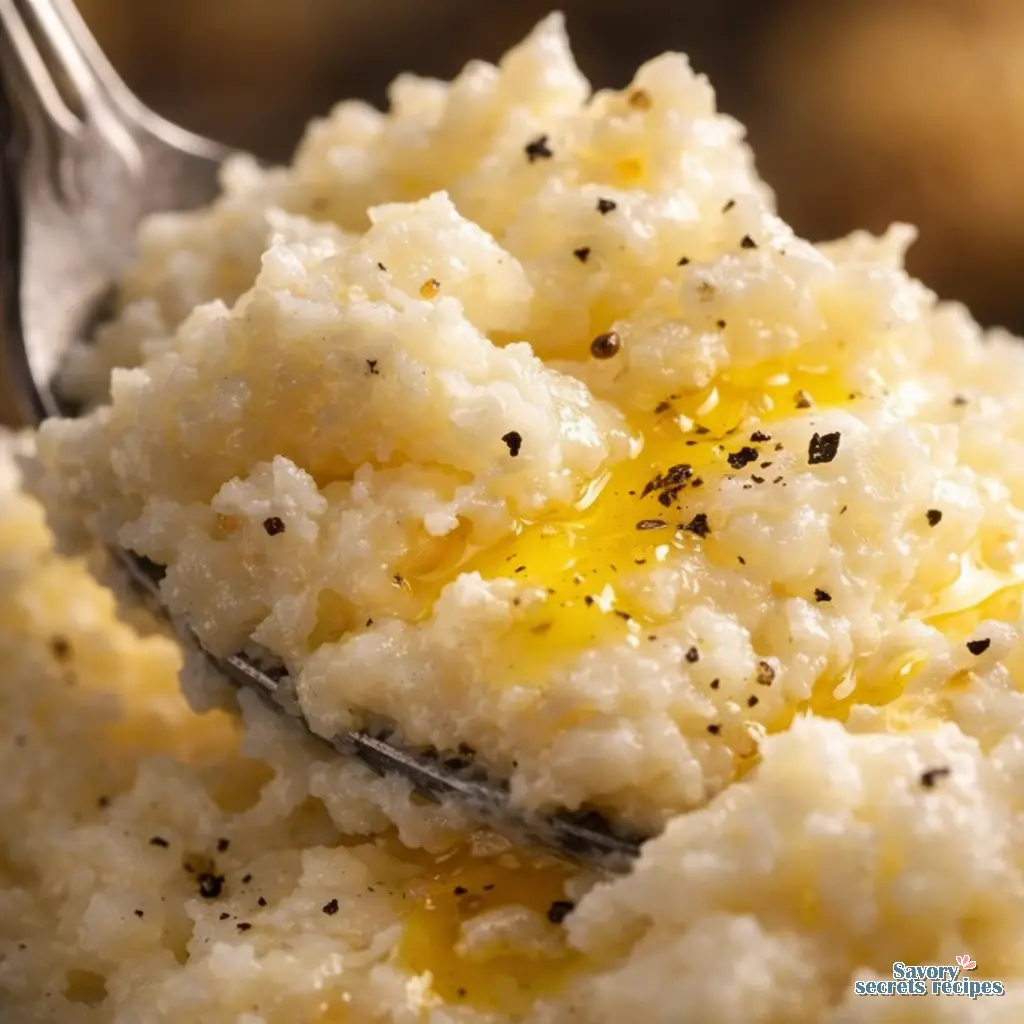
Let us talk about starch. Potatoes are packed with starch cells. When you cook them, these cells swell. When you mash them, you break those cells open, releasing the starch. If you release too much starch by overworking the potatoes, they literally turn into glue. That tracks with basic culinary science.
To avoid this, you need to be gentle. But you also need to understand the ‘why’ behind using warm cream. If you add cold heavy cream or milk to hot potatoes, it cools down the starches rapidly, causing them to seize up and crystallize. This makes the potatoes feel waxy and heavy in your mouth. Warm your unsalted butter and heavy cream together in a small saucepan until the butter is just melted. When that warm liquid hits the hot potatoes, they absorb it instantly, maintaining that beautiful, fluffy texture. This attention to temperature is what separates average spuds from truly buttery mashed potatoes.
Equipment Showdown: Ricer, Masher, or Hand Mixer?
My grandmother kept her wooden spoon for deglazing in a separate crock, and she was equally particular about her potato tools. The equipment you use completely dictates your final result. As a general rule, step away from the food processor or hand mixer. The high-speed blades tear the starch cells to shreds, guaranteeing a gluey disaster.
If you want absolute perfection, use a potato ricer. Pushing the cooked potatoes through the small holes of a ricer gives you a zero-lump, incredibly smooth, cloud-like texture without overworking the starch. It is a bit of extra effort, but it changes things entirely. If you prefer a more rustic, old-school texture with a few small lumps, a standard wire potato masher is perfectly fine. Just remember to mash gently.
Pro-Tips for the Perfect Texture
Watch for the moment when the potatoes are perfectly tender. Use a knife or fork test for doneness. If a paring knife pierces the potato chunk easily with zero resistance, it is ready. Do not let them sit in the hot water once they are done, or they will become waterlogged.
Here is where it gets interesting. Do not add your warm dairy mixture all at once. Add it in increments to control the consistency. Depending on the exact potato variety and how much water they absorbed, you might not need the full amount of liquid. And please, season generously with kosher salt. Starch requires a significant amount of salt to avoid tasting bland. I prefer to salt the boiling water heavily, then adjust at the end.
Common Mistakes & Fixes
Mistake: Using waxy red potatoes and overworking them.
Solution: Waxy potatoes have less starch and require more mashing to break down, which creates glue. Stick to Russets or Yukon Golds for this recipe.
Mistake: The potatoes are super dry and crumbly.
Solution: You likely did not add enough fat or liquid. Fold in an extra splash of warm heavy cream or a tablespoon of melted butter until they reach the right consistency.
Mistake: The finished dish is completely bland.
Solution: Under-salting the starch is the culprit. Potatoes need aggressive seasoning. Stir in kosher salt a half-teaspoon at a time, tasting after each addition, until the flavor pops.
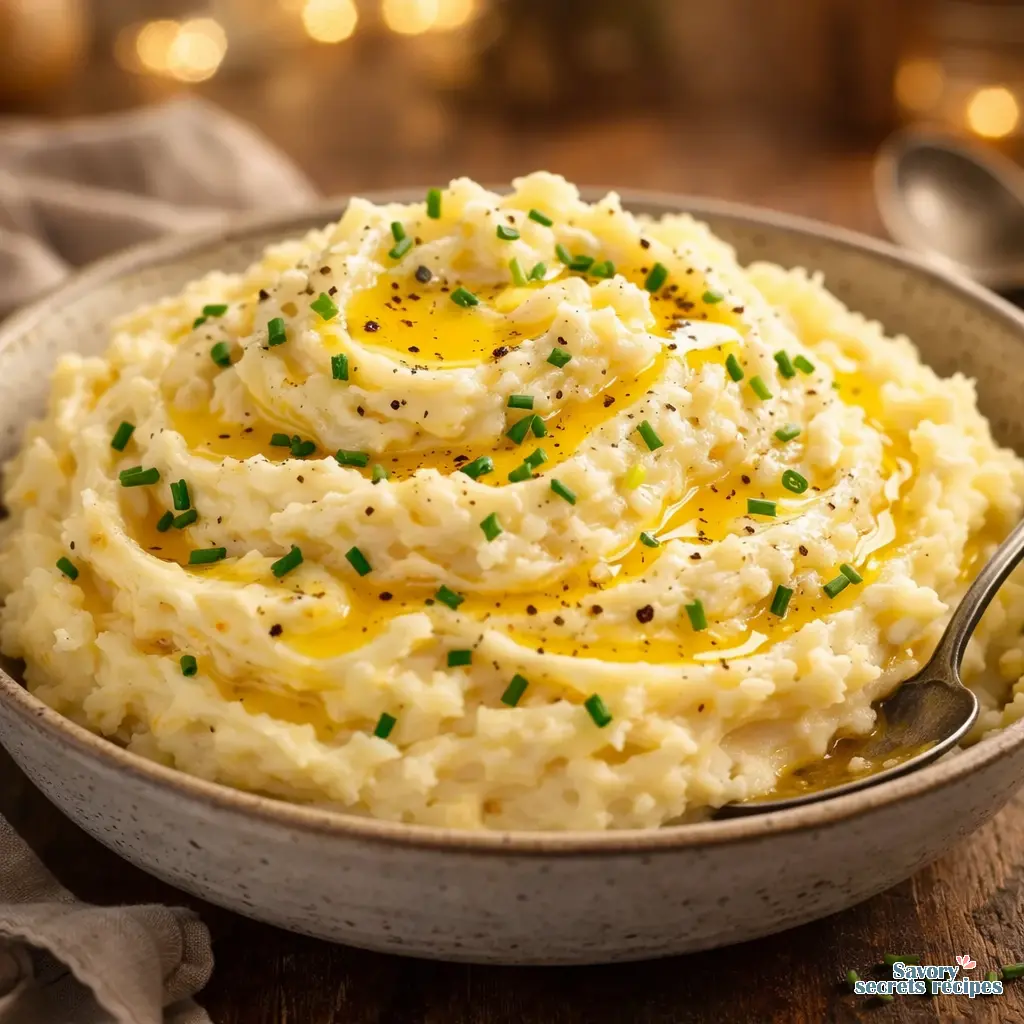
Ultimate Make-Ahead & Storage Guide for Garlic Mashed Potatoes
I go back and forth on whether home cooks should make everything on the same day. For a big holiday meal, I am honestly not sure the stress is worth it. You can absolutely make these garlic mashed potatoes ahead of time. The key checkpoint here is how you reheat them.
Store leftovers in an airtight container in the refrigerator for up to four days. When you are ready to serve, avoid the microwave if possible. It tends to dry the potatoes out unevenly. Instead, reheat them on the stovetop over low heat. Add a splash of whole milk or an extra pat of butter, and stir gently until they are warmed through. If you are hosting a crowd, transferring the freshly made potatoes to a slow cooker set to ‘warm’ is a brilliant way to keep them perfect for hours without taking up stove space.
Frequently Asked Questions
Bringing It All Together
There is a specific moment when these potatoes come together. The warm cream absorbs, the roasted garlic paste melts into the starches, and suddenly you have this silky, cohesive masterpiece. It is pure comfort food. Serve these alongside a beautiful roast chicken, a hearty pot roast, or even a simple weeknight meatloaf.
Cooking should not be intimidating. Once you master the temperature of the dairy and the gentleness of the mashing, you’ll never look at boxed flakes again. I hope you make these for your family soon. For more inspiration and side dish ideas, check out my Pinterest boards where I save all my favorite seasonal recipes. Happy cooking.
Reference: Original Source
What are the best potatoes for garlic mashed potatoes to ensure a creamy texture?
In my experience, Yukon Gold potatoes are the absolute best choice for a creamy, buttery texture. If you want them a bit fluffier, doing a fifty-fifty split of Yukon Golds and Russet potatoes gives you the perfect balance of richness and lightness.
How to make garlic mashed potatoes from scratch without them becoming gummy?
The trick is avoiding overworking the starch. Use a potato ricer instead of a hand mixer, always mash them while they are piping hot, and make sure your heavy cream and butter are warmed before folding them in. Cold dairy shocks the starches.
Is it better to use roasted garlic vs raw garlic in mashed potatoes for a more balanced flavor?
Roasted garlic is undeniably better. Raw garlic is sharp and can completely overpower the delicate potato flavor. Roasting the garlic cloves makes them sweet, mellow, and fragrant, allowing you to use a whole head without the dish becoming overwhelmingly pungent.
Can I make this homemade mashed potato recipe ahead of time and reheat it later?
You certainly can. Store your garlic mashed potatoes in an airtight container in the fridge. To reheat without losing that velvety texture, warm them gently on the stovetop over low heat, folding in a splash of warm milk or a little extra butter.
What can I add to my garlic mashed potatoes to make them even more flavorful?
Beyond the roasted garlic paste, try folding in two ounces of softened cream cheese or a dollop of sour cream for a subtle tang. Fresh chives, cracked black pepper, or a handful of freshly grated Parmesan also add beautiful depth.
How many potatoes should you make per person?
As a general rule, plan for about half a pound of uncooked potatoes per person. So, if you are hosting eight people for dinner, you’ll need four pounds of potatoes. It is always better to have a little extra than to run out.